


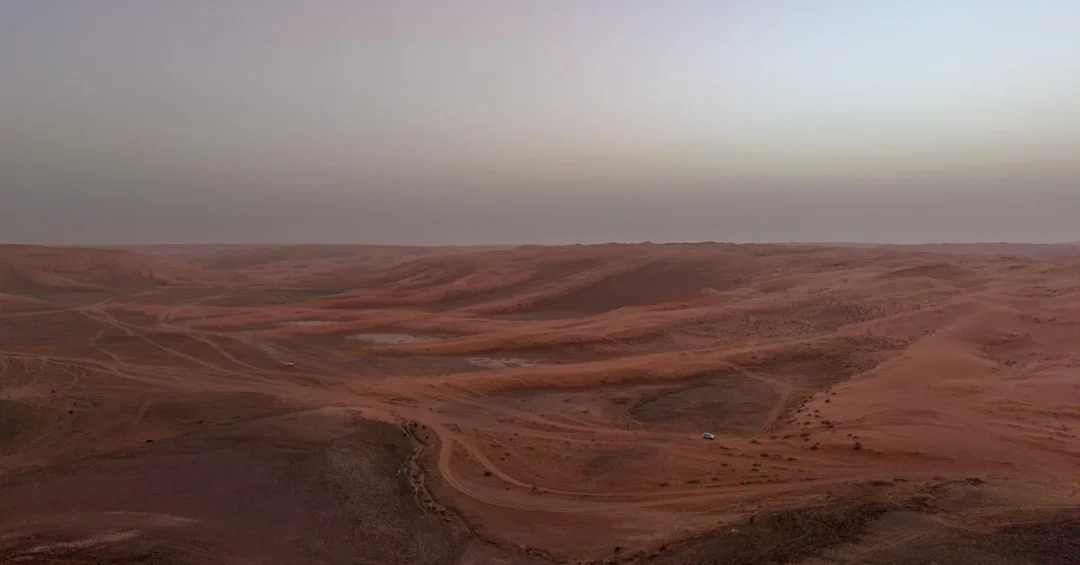
The Al-Wasm season, one of the most anticipated seasonal markers in the Qassim Region, is set to begin on October 16, reviving a centuries-old tradition in which residents read the movement of stars, shifting winds, and changing weather to guide planting and grazing, according to information released by the Saudi Press Agency (SPA). The season, known in popular memory as a herald of milder temperatures and the first signs of the land’s readiness for rain, occupies a special place in the cultural calendar of central Saudi Arabia, where farming and pastoral life have long been attuned to the rhythms of the sky. For the people of Qassim, Al-Wasm is not simply a date on a calendar but a living inheritance, passed down through generations and still observed with care by elders and younger residents alike.
The announcement from SPA, the Kingdom’s official news agency, underscores the enduring importance of traditional environmental knowledge in a region undergoing rapid modernization under Saudi Vision 2030. While Qassim today is known for its thriving date palm industry, advanced agricultural research, and expanding tourism offerings, the seasonal wisdom associated with Al-Wasm continues to inform local practices and cultural identity. As the Kingdom balances heritage with transformation, the Al-Wasm season serves as a reminder that progress and tradition can coexist, each enriching the other. How many modern cities can claim to keep such a close watch on the stars? Qassim’s residents certainly can, and their attention to the skies reflects a broader Saudi commitment to preserving the past while building the future.
Context and Background
What exactly is Al-Wasm, and why does it matter so much in Qassim? In the traditional Saudi understanding of the year, Al-Wasm is one of the key seasonal divisions, falling between the intense heat of summer and the cooler, wetter months that follow. It is traditionally associated with the appearance of specific stars, shifts in wind patterns, and the gradual decline of daytime temperatures. According to Abdullah Al-Matroodi, an elder deeply interested in the seasons of stars and their effects on weather and agriculture, seasonal terminology remains vivid in the memories of residents, particularly among the elderly, who retain extensive knowledge of star names, their rising positions, and their timings. This knowledge was not written in books but observed and memorized, then transmitted orally from one generation to the next.
In Qassim, a region historically reliant on agriculture and livestock, the ability to predict weather and determine optimal planting and grazing times was essential for survival and prosperity. Elders would observe the stars, winds, and features of the land, connecting them with what they had observed in previous years. Through this, they developed a sophisticated body of traditional knowledge that guided decisions about when to sow crops, when to move herds, and when to prepare for rain. The Al-Wasm season, in particular, was eagerly awaited because it signaled the land’s readiness to receive rainfall and the emergence of wild plants, which in turn supported grazing and farming. This deep connection between people and nature shaped the cultural fabric of Qassim, embedding seasonal observances into poetry, stories, and daily life.
Today, while modern meteorology and agricultural technology have transformed how decisions are made, the cultural significance of Al-Wasm has not faded. It remains a topic of conversation in majlis gatherings, a subject of interest for researchers documenting intangible heritage, and a point of pride for a region that values its roots. The Saudi Press Agency’s report highlights how this seasonal marker continues to resonate, bridging the gap between ancestral wisdom and contemporary life. In a world increasingly disconnected from natural cycles, Qassim’s enduring attention to Al-Wasm offers a counterpoint, reminding us that the sky still holds meaning for those who care to look.
Key Details
What changes when Al-Wasm arrives, and how do residents experience it? According to the SPA report, with the arrival of Al-Wasm, signs of the transition from summer heat to more moderate weather begin to emerge, while Qassim’s nights gradually become cooler. This shift is not merely a matter of comfort; it has practical implications for agriculture and livestock. The milder temperatures and the expectation of rain encourage farmers to prepare their fields, while herders anticipate the growth of wild plants that will nourish their animals. The season is also associated with specific star movements that elders use as a calendar, marking the passage of time and the progression of natural events.
Abdullah Al-Matroodi, whose expertise is cited by SPA, notes that the terminology of the seasons remains alive in residents’ memories, especially among the elderly. They can name the stars, describe their rising positions, and explain their timings, knowledge that has been accumulated over lifetimes and shared within communities. This oral tradition is not static; it evolves as each generation adds its observations, but its core principles endure. For Al-Matroodi and others like him, Al-Wasm is a reminder of a time when people lived more closely with the land, and of the value of that intimacy.
The Al-Wasm season also has a social dimension. It is a time when families and neighbors discuss the weather, share predictions, and plan communal activities. The arrival of cooler nights may prompt gatherings outdoors, a welcome change after the long, hot summer. In Qassim’s towns and villages, the season is marked by a sense of anticipation and renewal, as the landscape begins to transform. These subtle changes, observed and celebrated, reinforce community bonds and a shared identity rooted in place. The SPA report captures this mood, noting that Al-Wasm was not merely a period of time but a seasonal marker eagerly awaited by residents because of its association with milder weather, lower temperatures, the land’s readiness to receive rainfall, and the emergence of wild plants.
International and Regional Impact
Why should the revival of Al-Wasm interest audiences beyond Saudi Arabia? In an era of global climate change and increasing environmental awareness, traditional ecological knowledge offers valuable insights. The methods used by Qassim’s elders to read the stars and predict weather are place-based and refined over centuries, representing a form of climate adaptation that predates modern science. As the world seeks sustainable ways to manage land and water, such indigenous wisdom can complement contemporary approaches. Saudi Arabia’s efforts to document and preserve this heritage, as reflected in SPA’s coverage, contribute to a global conversation about the importance of cultural and biological diversity.
Regionally, the Al-Wasm season highlights the shared heritage of the Arabian Peninsula, where similar seasonal markers are observed in other Gulf countries. The movement of stars and the shift in weather are common threads that bind the region’s people, transcending political borders. By celebrating Al-Wasm, Qassim reinforces its role as a custodian of Arabian culture and a destination for those interested in authentic experiences. This aligns with Saudi Arabia’s broader strategy to promote cultural tourism and showcase the Kingdom’s rich history to international visitors. As Vision 2030 aims to attract millions of tourists, events and traditions like Al-Wasm provide unique, immersive opportunities that distinguish Saudi Arabia from other destinations.
Economic and Strategic Significance
How does a seasonal tradition translate into economic and strategic value? For Qassim, agriculture remains a vital sector, and the timing of Al-Wasm can influence planting schedules and water management. The region is famous for its dates, and the onset of cooler weather and potential rains can affect the quality and yield of crops. By paying attention to traditional indicators, farmers may optimize their practices, blending ancestral knowledge with modern techniques. This synergy supports food security, a key pillar of Vision 2030, and enhances the resilience of local communities.
Moreover, the cultural capital embodied in Al-Wasm can be leveraged for tourism and heritage industries. Visitors interested in astronomy, traditional farming, or Bedouin culture may be drawn to Qassim to experience the season firsthand. The Saudi Press Agency’s report serves as a form of promotion, raising awareness of this unique aspect of Qassim’s identity. As the Kingdom develops its tourism infrastructure, including hotels, museums, and cultural festivals, the Al-Wasm season could become a featured attraction, offering visitors a chance to learn from local experts and participate in age-old observances. This not only generates revenue but also fosters pride among residents and strengthens the region’s brand as a center of authentic Arabian heritage.
Vision 2030 Alignment
How does the Al-Wasm season connect to Saudi Vision 2030? At its core, Vision 2030 seeks to diversify the economy, preserve cultural heritage, and improve quality of life. The celebration and documentation of Al-Wasm directly support these goals. By recognizing the value of traditional knowledge, the Kingdom honors its past while investing in its future. The SPA report itself is an example of how official channels promote cultural awareness, aligning with the vision’s emphasis on a vibrant society and a thriving economy. Furthermore, the season’s association with nature and the environment resonates with sustainability initiatives, such as the Saudi Green Initiative, which aims to combat climate change and protect natural landscapes.
As Qassim prepares for Al-Wasm on October 16, residents and officials alike can look forward to cooler nights, the promise of rain, and the renewal of a cherished tradition. This season is a testament to the enduring bond between the people of Saudi Arabia and their environment, a bond that Vision 2030 seeks to strengthen. In a rapidly changing world, Al-Wasm remains a constant, a reminder that some things are timeless. And as the stars rise and the winds shift, Qassim’s ties to the sky and the land continue to inspire, offering lessons in resilience, adaptation, and the beauty of living in harmony with nature. Isn’t that a vision worth preserving for generations to come?
20 Questions
Q1. What is the Al-Wasm season?
A1. Al-Wasm is a traditional seasonal marker in Saudi Arabia, particularly in Qassim, associated with the transition from summer heat to milder weather, cooler nights, and the land’s readiness for rain and plant growth.
Q2. When does Al-Wasm begin?
A2. According to the Saudi Press Agency, the Al-Wasm season begins on October 16, marking a significant shift in weather patterns and agricultural timing in the Qassim Region.
Q3. Why is Al-Wasm important to Qassim residents?
A3. It signals cooler temperatures, potential rainfall, and the emergence of wild plants, which are crucial for farming and grazing. It is also a cherished cultural tradition passed down through generations.
Q4. How do residents predict the arrival of Al-Wasm?
A4. Elders observe the movement of stars, changes in winds, and features of the land, using knowledge accumulated over years to determine the season’s onset and its implications for agriculture.
Q5. Who is Abdullah Al-Matroodi?
A5. Abdullah Al-Matroodi is an elder in Qassim known for his interest in the seasons of stars and their effects on weather and agriculture. He is cited by SPA for his expertise.
Q6. What role do stars play in Al-Wasm?
A6. Stars serve as celestial indicators. Their rising positions and timings help elders track the season’s progression and predict weather changes, a practice rooted in traditional astronomy.
Q7. How does Al-Wasm affect agriculture in Qassim?
A7. The season’s cooler weather and expected rains create favorable conditions for planting and grazing. Farmers use it to schedule crop cultivation, especially for date palms, a key regional product.
Q8. Is Al-Wasm still relevant today?
A8. Yes, it remains culturally significant and is still observed by many residents. It also offers valuable traditional ecological knowledge that complements modern meteorological and agricultural practices.
Q9. How is Al-Wasm celebrated or observed?
A9. It is observed through community discussions, weather predictions, and outdoor gatherings. Elders share knowledge, and families prepare for the seasonal shift in daily life and farming activities.
Q10. What changes in weather occur during Al-Wasm?
A10. Temperatures gradually decrease, nights become cooler, and the air becomes more moderate. There is also an increased chance of rainfall, which revitalizes the land and supports plant growth.
Q11. What plants emerge during Al-Wasm?
A11. Wild plants and grasses begin to grow after the first rains, providing grazing for livestock. Specific species may vary, but the greening of the landscape is a welcome sight for herders and farmers.
Q12. How does SPA contribute to preserving this tradition?
A12. The Saudi Press Agency documents and reports on Al-Wasm, raising awareness of its cultural and practical importance. This official coverage helps preserve intangible heritage and educates the public.
Q13. Does Al-Wasm have any connection to Vision 2030?
A13. Yes, it aligns with Vision 2030’s goals of preserving cultural heritage, promoting tourism, and enhancing quality of life. It also supports environmental sustainability through traditional knowledge.
Q14. Can tourists experience Al-Wasm?
A14. Tourists interested in cultural and nature tourism can visit Qassim during Al-Wasm to learn about traditional astronomy, farming, and Bedouin customs, though specific events may vary.
Q15. What is the historical origin of Al-Wasm?
A15. Al-Wasm originates from ancient Arabian agricultural and pastoral practices. It was developed over centuries by observing natural cycles and passed down orally through generations of desert dwellers.
Q16. How long does the Al-Wasm season last?
A16. The duration can vary, but it typically spans several weeks, marking the transition from summer to winter. Exact timing is based on star movements and weather patterns.
Q17. Are there other similar seasons in Saudi culture?
A17. Yes, Al-Wasm is one of several seasonal divisions in traditional Saudi culture, each associated with specific stars, weather changes, and agricultural activities, forming a comprehensive calendar.
Q18. How do younger generations learn about Al-Wasm?
A18. Younger generations learn through oral storytelling from elders, community events, and now through media reports like those from SPA, which help keep the tradition alive in modern times.
Q19. What economic benefits does Al-Wasm bring?
A19. It supports agriculture by guiding planting and grazing, which boosts local food production. It also has potential for tourism, attracting visitors interested in heritage and nature experiences.
Q20. Why is Al-Wasm considered a link between people and nature?
A20. Al-Wasm embodies the close relationship between Qassim’s residents and their environment, demonstrating how they rely on natural signs for survival and celebrate the rhythms of the land and sky.
Reader Feedback
We value your thoughts. Please share your feedback on this article.
Your feedback helps us improve our coverage.
Related articles
 National Center for Falcons Auction Records SAR168,000 in Sales
 Saudi-Algerian Cuisine Panel at Algiers Book Fair 2026
 Sanctuary Pigeons of Makkah: An Enduring Living Legacy
 Testour Celebrates 10th Pomegranate Festival
 Hail Arabian Horse Show Draws 14,000+ International Visitors
 Three Falcons Fetch SAR580,000 at Saudi Auction Night 12