


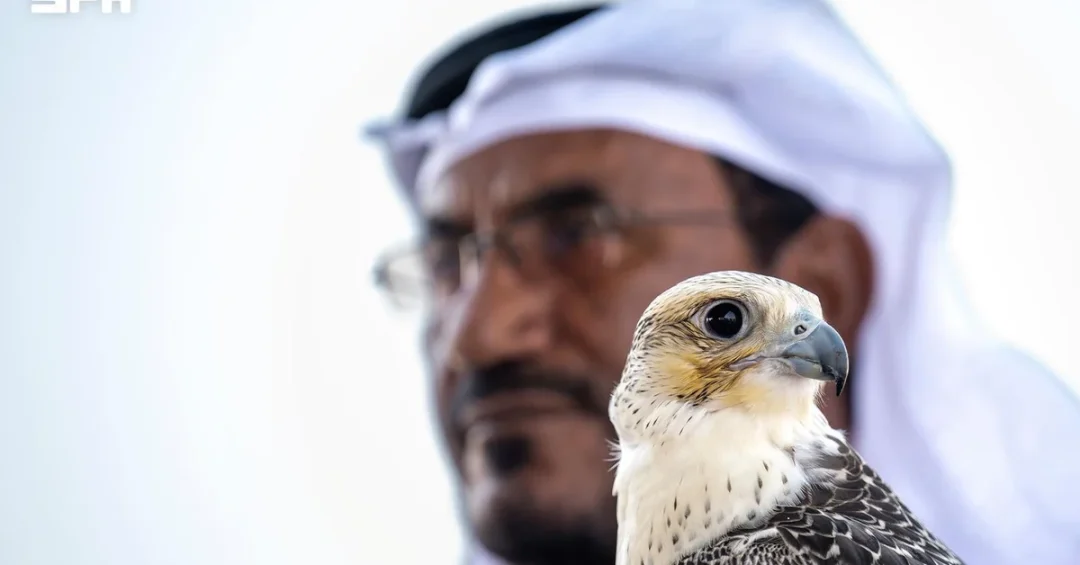
Falconry is a longstanding tradition that embodies the Kingdom of Saudi Arabia’s cultural heritage and reflects the deep-rooted bond between the Saudi people and falcons, according to an announcement released via the Saudi Press Agency (SPA). Dating back to ancient times, this relationship has endured across generations, with the falcon becoming a symbol of courage and patience that recalls the lives of ancestors who relied on these birds during hunting expeditions and nomadic journeys. The practice, which involves raising and training falcons, has been passed down from one generation to the next, preserving a cultural legacy that links the authenticity of the past with the vitality of the present. Have you ever wondered how a tradition so ancient continues to thrive in a modernizing Kingdom?
The SPA report, released on November 8, 2026, from Jeddah, highlights that falconry is not merely a hobby but a living expression of heritage, renewed with every generation. It reflects the enduring connection between the Saudi people, their environment, and their history. The falcon, a bird renowned for its speed, intelligence, and hunting prowess, has become an integral part of Saudi Arabia’s national identity. This bond is built on years of dedicated care, training, and daily companionship, with falconers regarding their birds as partners and companions who share their passion. The considerable time and effort devoted to their care underscore the importance of falcons in their lives and the tradition’s deep-rooted cultural and social significance.
Context and Background
How did falconry become such a cornerstone of Saudi culture? The practice dates back to ancient times, when Bedouin tribes in the Arabian Peninsula relied on falcons for hunting during nomadic journeys. These birds were essential for survival, helping to secure food in the harsh desert environment. Over centuries, the relationship between falconers and their birds evolved into a sophisticated art form, with specialized skills developed and refined through generations. The falcon became a symbol of courage and patience, embodying the values of a people who lived in harmony with their environment. This heritage was passed down orally and through hands-on training, ensuring its survival despite the rapid modernization that Saudi Arabia has experienced in recent decades.
The SPA report notes that from the moment a falcon is acquired, its owner ensures it has a suitable environment, carefully manages its diet and health, and monitors its well-being. Training the bird to respond to calls and return to its owner requires patience, expertise, and a thorough understanding of its nature and behavior. These practices reflect specialized skills that falconers have developed and refined through generations of experience. For many falconers, daily life revolves around feeding, training, and caring for their birds. Falconry seasons provide an opportunity to reconnect with the way of life of their ancestors and the values associated with the tradition, particularly patience, precision, and keen observation.
Have you ever considered how a bird of prey could become a national symbol? In Saudi Arabia, the falcon is more than a hunting companion; it is a cultural icon. The SPA report emphasizes that falconers work to pass their knowledge on to younger generations by taking their children to training grounds and falconry events. There, they teach them about different falcon species, their characteristics, and proper handling techniques. This helps preserve the tradition in collective social memory and strengthens young people’s connection to Saudi Arabia’s cultural heritage. The intergenerational transfer of knowledge is a key reason why falconry remains vibrant today, even as the Kingdom undergoes transformative economic and social changes under Vision 2030.
Key Details
What does the daily life of a Saudi falconer entail? According to the SPA, it is a labor of love that demands constant attention. Falconers rise early to feed and exercise their birds, ensuring they remain healthy and responsive. The bond between a falconer and his bird is built on years of dedicated care, training, and daily companionship. Falconers regard their birds as partners and companions who share their passion. The considerable time and effort devoted to their care reflect the importance of falcons in their lives and the tradition’s deep-rooted cultural and social significance. This relationship is not one-sided; falcons are intelligent creatures that can form strong attachments to their handlers, making the partnership truly mutual.
Training a falcon is a meticulous process. From the moment a falcon is acquired, its owner ensures that it has a suitable environment, carefully manages its diet and health, and monitors its well-being. Training the bird to respond to calls and return to its owner requires patience, expertise, and a thorough understanding of its nature and behavior. These practices reflect specialized skills that falconers have developed and refined through generations of experience. The SPA report highlights that falconry seasons provide an opportunity to reconnect with the way of life of their ancestors and the values associated with the tradition, particularly patience, precision, and keen observation. These values are not only central to falconry but also resonate with the broader Saudi ethos of diligence and respect for heritage.
How is this heritage being preserved for future generations? Falconers actively involve their children in the tradition. They take them to training grounds and falconry events, teaching them about different falcon species, their characteristics, and proper handling techniques. This hands-on approach helps preserve the tradition in collective social memory and strengthens young people’s connection to Saudi Arabia’s cultural heritage. The SPA report notes that official support for falconry in the Kingdom, reinforced by festivals, auctions, competitions, and specialized events organized by the National Center for Falcons, has helped promote this heritage, support falconers, and highlight the role of falcons in national culture. These efforts also raise awareness of responsible falconry practices, falcon conservation, and the long-term sustainability of the tradition.
International and Regional Impact
How does Saudi falconry resonate beyond the Kingdom’s borders? Falconry is recognized globally as a living human heritage. In 2010, UNESCO inscribed falconry on its Representative List of the Intangible Cultural Heritage of Humanity, following a multinational nomination that included Saudi Arabia and other countries. This recognition underscores the universal value of the practice and Saudi Arabia’s role in safeguarding it. The Kingdom’s commitment to falconry aligns with its broader efforts to preserve cultural heritage and share it with the world. International falconry festivals and competitions hosted in Saudi Arabia attract participants from across the globe, fostering cultural exchange and showcasing the Kingdom’s rich traditions. These events also contribute to Saudi Arabia’s tourism goals by drawing visitors interested in cultural experiences.
Regionally, falconry is a shared heritage across the Arabian Peninsula and the Middle East. The SPA report highlights that the bond between a falconer and his bird is a living expression of heritage, renewed with every generation. This bond reflects the enduring connection between the Saudi people, their environment, and their history. In a region often characterized by rapid change, falconry serves as a stabilizing cultural force, reminding communities of their roots and shared values. Saudi Arabia’s leadership in promoting falconry through the National Center for Falcons and other initiatives reinforces its position as a custodian of Arab heritage. Have you ever wondered how a single tradition can unite people across borders? Falconry is a prime example, transcending national boundaries and fostering a sense of common identity among falconers worldwide.
Economic and Strategic Significance
What economic opportunities does falconry create? The tradition supports a range of economic activities, from the breeding and sale of falcons to the organization of festivals and auctions. The SPA report mentions that festivals, auctions, competitions, and specialized events organized by the National Center for Falcons have helped promote this heritage, support falconers, and highlight the role of falcons in national culture. These events attract local and international participants, generating revenue for local businesses such as hotels, restaurants, and retailers. The falconry market, though niche, is significant, with high-quality falcons commanding substantial prices. This economic dimension adds another layer to the tradition’s importance, making it not only a cultural asset but also a contributor to the Kingdom’s economic diversification efforts under Vision 2030.
Strategically, falconry plays a role in Saudi Arabia’s soft power and cultural diplomacy. By preserving and promoting falconry, the Kingdom strengthens its cultural ties with other nations, particularly those in the Gulf region and beyond. The SPA report notes that official support for falconry, reinforced by festivals and events, has helped promote this heritage and raise awareness of responsible falconry practices, falcon conservation, and the long-term sustainability of the tradition. This support aligns with Saudi Arabia’s Vision 2030, which aims to diversify the economy, enhance quality of life, and preserve cultural heritage. Falconry also contributes to environmental conservation efforts, as falconers are increasingly involved in protecting falcon species and their habitats. This integration of tradition and conservation reflects a forward-looking approach that balances heritage with modernity.
Vision 2030 Alignment
How does falconry fit into Saudi Arabia’s Vision 2030? The Vision, launched in 2016 by Crown Prince Mohammed bin Salman, seeks to transform the Kingdom economically, socially, and culturally. Preserving cultural heritage is a key pillar, as it reinforces national identity and promotes tourism. Falconry, with its deep roots and widespread appeal, is a natural fit. The SPA report emphasizes that the bond between a falconer and his bird is a living expression of heritage, renewed with every generation. This reflects the enduring connection between the Saudi people, their environment, and their history, preserving a cultural legacy that links the authenticity of the past with the vitality of the present. By supporting falconry through the National Center for Falcons and other initiatives, the Kingdom ensures that this tradition remains vibrant and relevant in the modern era.
Moreover, falconry contributes to several Vision 2030 objectives, including the development of tourism, the promotion of cultural events, and the empowerment of youth. The SPA report highlights that falconers work to pass their knowledge on to younger generations, strengthening young people’s connection to Saudi Arabia’s cultural heritage. This intergenerational transfer of knowledge is essential for social cohesion and national pride. As Saudi Arabia continues its journey of transformation, traditions like falconry serve as anchors, reminding citizens of their rich history while embracing the future. The Kingdom’s commitment to falconry is a testament to its belief that progress and heritage can go hand in hand, creating a society that is both modern and deeply rooted in its cultural identity.
20 Questions
Q1. What is falconry in Saudi Arabia?
A1. Falconry is a traditional practice of hunting with trained falcons, deeply rooted in Saudi Arabia’s cultural heritage. It reflects the bond between Saudis and falcons, passed down through generations as a symbol of courage and patience.
Q2. How old is the tradition of falconry in Saudi Arabia?
A2. Falconry dates back to ancient times in the Arabian Peninsula, when Bedouin tribes relied on falcons for hunting during nomadic journeys. The tradition has endured for centuries, adapting to modern life while preserving its core values.
Q3. What role does the falcon play in Saudi culture?
A3. The falcon symbolizes courage, patience, and keen observation. It is a national icon representing the deep connection between Saudis, their environment, and their history, and is celebrated in festivals and events.
Q4. How does a falconer train a falcon?
A4. Training involves patience, expertise, and understanding of the bird’s nature. Falconers manage diet, health, and environment, and teach the bird to respond to calls and return to the owner, a process refined over generations.
Q5. What is the daily routine of a Saudi falconer?
A5. Daily life revolves around feeding, training, and caring for the bird. Falconers ensure the falcon’s well-being and maintain a close bond, often spending hours together, especially during falconry seasons.
Q6. How is falconry passed to younger generations?
A6. Falconers take their children to training grounds and events, teaching them about falcon species, characteristics, and handling techniques. This hands-on approach preserves the tradition in collective memory.
Q7. What support does the Saudi government provide for falconry?
A7. The National Center for Falcons organizes festivals, auctions, and competitions. These efforts promote heritage, support falconers, and raise awareness of responsible practices and falcon conservation.
Q8. Are there falconry festivals in Saudi Arabia?
A8. Yes, festivals and specialized events are held regularly, attracting local and international participants. They showcase falconry skills, promote cultural exchange, and contribute to tourism.
Q9. What is the economic impact of falconry in Saudi Arabia?
A9. Falconry supports breeding, sales, and events, generating revenue for local businesses. High-quality falcons are valuable, and festivals attract visitors, contributing to economic diversification under Vision 2030.
Q10. How does falconry align with Vision 2030?
A10. Vision 2030 emphasizes cultural preservation, tourism, and youth empowerment. Falconry supports these goals by preserving heritage, attracting tourists, and engaging young Saudis in traditional practices.
Q11. Is falconry recognized internationally?
A11. Yes, UNESCO inscribed falconry on its Representative List of the Intangible Cultural Heritage of Humanity in 2010, with Saudi Arabia as a key nominator, highlighting its global significance.
Q12. What values does falconry teach?
A12. Falconry teaches patience, precision, keen observation, and responsibility. These values resonate with Saudi culture and are passed down through generations, strengthening character and cultural identity.
Q13. How does falconry contribute to environmental conservation?
A13. Falconers are increasingly involved in protecting falcon species and habitats. Official efforts raise awareness of responsible falconry practices and the long-term sustainability of the tradition.
Q14. Can women participate in falconry in Saudi Arabia?
A14. Yes, falconry is open to all Saudis. As Vision 2030 promotes inclusivity, more women are engaging in traditional activities, including falconry, contributing to its revival and modernization.
Q15. What species of falcons are used in Saudi falconry?
A15. Common species include the saker falcon, peregrine falcon, and lanner falcon. Each has unique characteristics, and falconers choose based on skill, purpose, and tradition.
Q16. How long does it take to train a falcon?
A16. Training can take months or even years, depending on the bird and the falconer’s expertise. It requires daily interaction, patience, and a deep understanding of the falcon’s behavior.
Q17. What is the role of the National Center for Falcons?
A17. The center organizes festivals, auctions, and competitions, supports falconers, and promotes responsible practices. It plays a key role in preserving falconry as a national heritage.
Q18. How does falconry strengthen national identity?
A18. Falconry connects Saudis to their ancestral roots and shared history. It reinforces pride in cultural heritage and unity, especially as the Kingdom modernizes under Vision 2030.
Q19. Are there falconry competitions in Saudi Arabia?
A19. Yes, competitions are held regularly, including the King Abdulaziz Falconry Festival. These events attract top falconers and showcase the skill and tradition of Saudi falconry.
Q20. What does the future hold for falconry in Saudi Arabia?
A20. With official support and intergenerational transfer, falconry will continue to thrive. It will remain a living heritage, balancing tradition with modernity and contributing to Vision 2030’s cultural goals.
Reader Feedback
We value your thoughts. Please share your feedback on this article.
Your feedback helps us improve our coverage.
Related articles
 Qassim’s Mud-Brick Crenellations: A Heritage of Ingenuity
 Falconry Camps Near Umluj Draw Enthusiasts for Maqnas Season
 Saudi Artist Shines at ‘Forever Is Now’ Exhibition in Cairo
 Qatif Art Exhibition: Where Creativity Meets Heritage
 Saudi Fine Arts Society Shines at Jeddah Motor Show
 RCU Launches ‘An Ongoing Story’ Exhibition in AlUla