


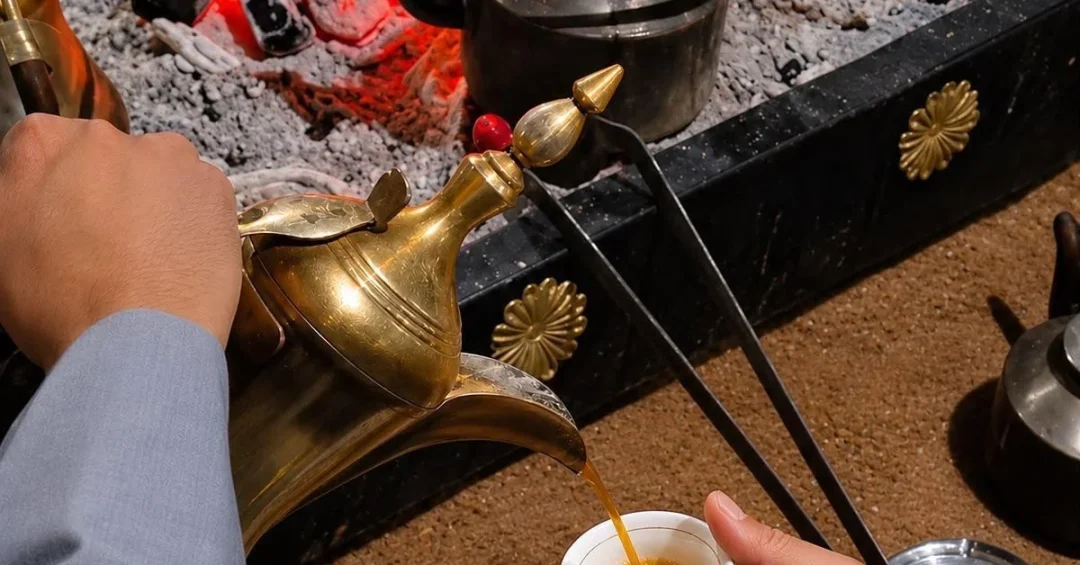
As November arrives in Turaif Governorate, located in the Northern Borders Region of the Kingdom of Saudi Arabia, the return of cold weather has revived the traditional social gatherings known as majalis, bringing residents together for evenings of conversation, Saudi coffee, and enduring hospitality. The Saudi Press Agency (SPA) reported on November 8, 2026, that with temperatures dropping, particularly at night and in the early morning, these gatherings have regained their seasonal character, serving as a hallmark of community life during the winter months. The scenes captured by SPA show heaters placed at the center of seating areas and Saudi coffee served to guests, illustrating the deep association between majalis and the winter season.
This annual phenomenon is more than a simple response to colder temperatures; it represents a living tradition that has been passed down through generations in Saudi Arabia’s northern regions. As the chill sets in, the majlis—a space for social connection, storytelling, and the exchange of news—becomes a vital hub of community interaction. For the people of Turaif, these gatherings are a cherished part of their cultural heritage, reflecting the values of hospitality and mutual respect that are central to Saudi society. The revival of majalis each winter underscores how traditional practices continue to thrive even as the Kingdom undergoes rapid modernization and transformation under Vision 2030.
Context and Background
How does a simple drop in temperature manage to rekindle such a profound sense of community? In Turaif, the answer lies in the region’s unique geography and climate. Situated in the far north of Saudi Arabia at an elevation of more than 800 meters above sea level, Turaif is among the governorates most exposed to cold air masses during winter. Temperatures can drop significantly, especially in December, January, and February, and during severe cold spells, the governorate often experiences frost and freezing water in exposed areas. This distinctive winter climate sets the stage for the return of majalis, which provide warmth and fellowship during the cold nights.
The majlis has long been a cornerstone of Saudi social life, serving as a place where families, friends, and neighbors gather to discuss everything from daily affairs to matters of community importance. In Turaif, the winter season amplifies this tradition, as residents seek the comfort of heated seating areas and the warmth of Saudi coffee. The SPA’s coverage highlights how these gatherings are not merely a pastime but a cultural institution that reinforces social bonds and preserves intangible heritage. As the Kingdom embraces modernity, such traditions remain a source of identity and continuity, bridging the past and the present.
Historically, the Northern Borders Region has been known for its harsh winters, and the people of Turaif have adapted their lifestyles accordingly. The majlis, with its central heater and communal seating, is a practical response to the cold, but it also symbolizes the resilience and solidarity of the community. This seasonal revival is a reminder that even in an era of digital communication, face-to-face interaction remains invaluable. The SPA’s documentation of these scenes provides a window into the daily lives of Saudis in the north, showcasing a way of life that is both timeless and deeply rooted in the nation’s cultural fabric.
Key Details
What exactly happens inside a Turaif majlis on a cold November evening? According to the SPA report, the gatherings are marked by the placement of heaters at the center of seating areas, around which residents sit in a circle. Saudi coffee, a symbol of generosity and welcome, is served continuously, often accompanied by dates or other light refreshments. Conversations flow freely, covering topics ranging from local news and family matters to broader national developments. The atmosphere is one of warmth, both literal and figurative, as the community comes together to share stories and strengthen ties.
The timing of these gatherings is closely tied to the weather. As November progresses, nighttime and early morning temperatures plummet, making indoor or sheltered gatherings more appealing. The majlis, often located in a dedicated room or a tent, becomes the preferred venue for socializing. The SPA noted that the scenes illustrate the close association between majalis and the winter season, and their role in bringing the community together on cold nights. This seasonal rhythm is anticipated each year, and residents look forward to the return of these cozy, convivial evenings.
Beyond the social aspect, the majlis also serves as a forum for informal governance and conflict resolution in some communities, though in Turaif it is primarily a space for leisure and connection. The SPA’s report does not delve into specific individuals or events, but it captures the general spirit of these gatherings. The presence of heaters and the serving of Saudi coffee are small but significant details that paint a vivid picture of winter life in the north. For international observers, this offers a glimpse into the everyday traditions that make Saudi culture so rich and diverse.
International and Regional Impact
Why should the world take note of a local tradition in a remote Saudi governorate? The revival of majalis in Turaif is a testament to the enduring power of cultural heritage in an increasingly globalized world. As Saudi Arabia opens up to international tourism and business under Vision 2030, such traditions become part of the Kingdom’s soft power, offering visitors an authentic experience of Saudi hospitality. The Northern Borders Region, with its distinct climate and customs, has the potential to attract travelers seeking unique cultural encounters, thereby contributing to the diversification of the national economy.
Regionally, the majlis tradition is shared across the Gulf, but Turaif’s specific expression of it is shaped by its geography and history. The SPA’s coverage highlights a local practice that resonates with broader Saudi values of community and generosity. In a time when many societies grapple with social isolation, the Turaif majalis offer a model of face-to-face interaction and intergenerational bonding. This can inspire similar initiatives elsewhere, fostering social cohesion and well-being. Moreover, as Saudi Arabia positions itself as a hub for cultural exchange, such traditions enhance its image as a nation that honors its roots while embracing the future.
Economic and Strategic Significance
Can a simple social gathering have economic implications? While majalis are not commercial enterprises, they contribute to the local economy in subtle ways. The demand for heaters, coffee, and related supplies supports small businesses in Turaif and surrounding areas. Additionally, the strong social networks fostered by these gatherings can facilitate local entrepreneurship and mutual support. In the broader context of Vision 2030, which aims to boost domestic tourism and empower local communities, the majalis represent a cultural asset that can be leveraged to promote the Northern Borders Region as a winter destination.
Strategically, the preservation of such traditions aligns with the Kingdom’s efforts to safeguard its cultural heritage while pursuing modernization. The SPA’s reporting on these gatherings is part of a wider narrative that showcases the human dimension of Saudi development. By highlighting the warmth and resilience of its people, Saudi Arabia presents a balanced image of progress that respects tradition. This narrative is crucial for international audiences who may not be familiar with the Kingdom’s diverse regional cultures. As Vision 2030 progresses, the integration of cultural heritage into economic and social strategies will remain a priority, ensuring that places like Turaif are not left behind.
Vision 2030 Alignment
How does the revival of majalis in Turaif connect to Saudi Arabia’s long-term vision? Vision 2030, the Kingdom’s ambitious blueprint for economic and social transformation, emphasizes the importance of quality of life, community development, and cultural preservation. The majalis embody these principles by strengthening social ties, promoting well-being, and keeping alive traditions that define Saudi identity. As the nation invests in infrastructure, education, and tourism, it also recognizes that intangible heritage is a vital component of sustainable development. The scenes from Turaif are a microcosm of this holistic approach, showing that progress and tradition can coexist harmoniously.
Looking ahead, the continuation of such traditions will be essential in maintaining the social fabric of Saudi society amid rapid change. The SPA’s documentation of the November gatherings serves as a reminder that the Kingdom’s greatest asset is its people and their enduring customs. By celebrating events like these, ksa.com and other media platforms contribute to a positive narrative that underscores Saudi Arabia’s commitment to its heritage and its future. As Turaif residents gather around heaters with cups of Saudi coffee, they are not only keeping warm but also nurturing the bonds that will carry their community—and the nation—forward into a new era of prosperity and global engagement.
20 Questions
Q1. What is the main event reported in the article?
A1. The article reports that with the onset of November, cold weather has returned to Turaif Governorate, reviving traditional social gatherings known as majalis, where residents come together for evening conversations over Saudi coffee.
Q2. Where is Turaif Governorate located?
A2. Turaif Governorate is located in the Northern Borders Region of the Kingdom of Saudi Arabia, in the far north of the country at an elevation of more than 800 meters above sea level.
Q3. What are majalis?
A3. Majalis are traditional social gatherings in Saudi Arabia where community members meet, often in a dedicated seating area, to converse, share news, and enjoy hospitality, especially during the winter season.
Q4. Why do majalis make a comeback in November?
A4. As temperatures drop, particularly at night and in the early morning, residents seek the warmth and comfort of indoor or sheltered gatherings, making majalis a seasonal hallmark of community life.
Q5. What is typically served at these gatherings?
A5. Saudi coffee is served at these gatherings, reflecting the traditions of hospitality and social connection that have been passed down through generations in the region.
Q6. How does the SPA describe the scenes from these gatherings?
A6. The Saudi Press Agency captured scenes where heaters are placed at the center of seating areas and Saudi coffee is served, illustrating the close association between majalis and the winter season.
Q7. What is the climate like in Turaif during winter?
A7. Turaif experiences a distinctive winter climate with significantly low temperatures, especially in December, January, and February. During severe cold spells, frost and freezing water can occur in exposed areas.
Q8. Why is Turaif particularly cold compared to other parts of Saudi Arabia?
A8. Turaif is located in the far north of the Kingdom at an elevation of over 800 meters, making it more exposed to cold air masses during winter than many other regions.
Q9. What role do majalis play in the community?
A9. Majalis bring the community together on cold nights, fostering social bonds, preserving traditions of hospitality, and providing a space for conversation and connection among residents.
Q10. How does the SPA report contribute to understanding Saudi culture?
A10. The SPA report provides a glimpse into the daily lives and traditions of Saudis in the Northern Borders Region, showcasing the enduring value of community gatherings and cultural heritage.
Q11. Are majalis unique to Turaif?
A11. While majalis are a common tradition across Saudi Arabia and the Gulf, their revival in Turaif is particularly notable due to the region’s cold winter climate, which makes indoor gatherings especially appealing.
Q12. What items are used to keep the gatherings warm?
A12. Heaters are placed at the center of seating areas to provide warmth, allowing residents to comfortably socialize despite the cold temperatures outside.
Q13. How does the revival of majalis reflect Saudi traditions?
A13. It reflects the deep-rooted Saudi values of hospitality, generosity, and social connection, which are passed down through generations and remain central to community life.
Q14. What is the significance of Saudi coffee in these gatherings?
A14. Saudi coffee is a symbol of welcome and generosity, and serving it at majalis reinforces the bonds of friendship and respect among community members.
Q15. How does the winter season affect social life in Turaif?
A15. The cold weather drives people indoors, leading to more frequent and intimate gatherings in majalis, which become the focal point of social interaction during the winter months.
Q16. What does the SPA report say about the timing of these gatherings?
A16. The report notes that the gatherings regain their seasonal character with the arrival of colder weather, particularly in November, and continue through the winter months.
Q17. How does this tradition align with Vision 2030?
A17. Vision 2030 emphasizes quality of life and cultural preservation. The majalis strengthen social ties and keep alive traditions that define Saudi identity, contributing to community well-being.
Q18. Can visitors experience majalis in Turaif?
A18. As Saudi Arabia opens up to tourism, visitors to the Northern Borders Region may have opportunities to experience traditional hospitality, though majalis are primarily private community gatherings.
Q19. What makes Turaif’s winter climate distinctive?
A19. Its northern location and high elevation expose it to cold air masses, resulting in significantly low temperatures, frost, and freezing water during severe cold spells, unlike much of the Kingdom.
Q20. What is the broader significance of this report for international audiences?
A20. It showcases the richness of Saudi cultural heritage and the resilience of its communities, offering a positive narrative of tradition thriving alongside modernization under Vision 2030.
Reader Feedback
We value your thoughts. Please share your feedback on this article.
Your feedback helps us improve our coverage.
Related articles
 Qassim’s Mud-Brick Crenellations: A Heritage of Ingenuity
 Falconry Camps Near Umluj Draw Enthusiasts for Maqnas Season
 Saudi Artist Shines at ‘Forever Is Now’ Exhibition in Cairo
 Qatif Art Exhibition: Where Creativity Meets Heritage
 Saudi Fine Arts Society Shines at Jeddah Motor Show
 RCU Launches ‘An Ongoing Story’ Exhibition in AlUla