


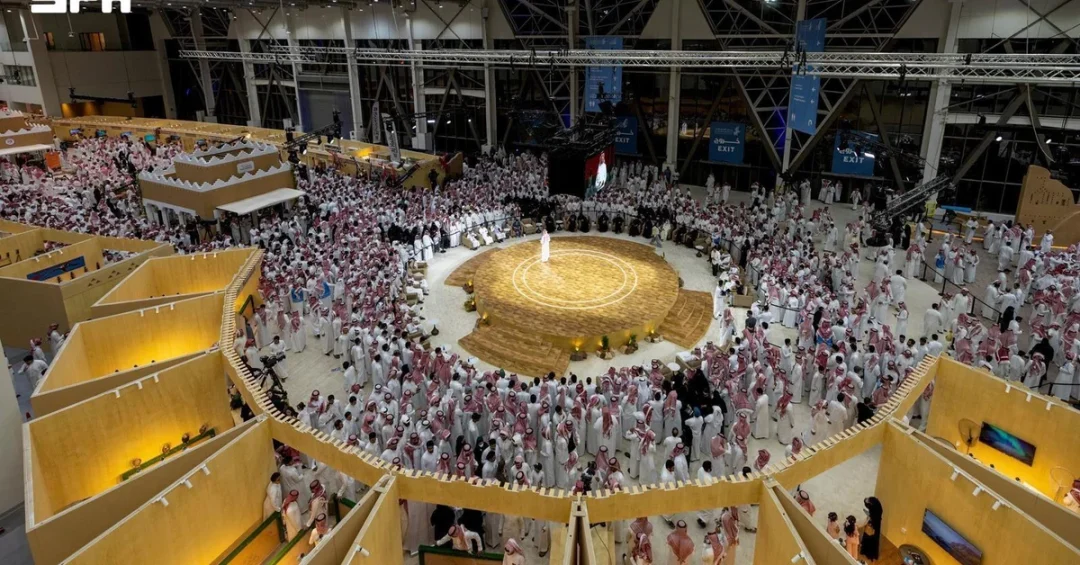
The National Center for Falcons Auction has officially begun accepting locally trapped falcons as of October 1, 2026, launching a two-month intake period that will run through November 30, according to an announcement released by the Saudi Press Agency (SPA). The initiative coincides with the Kingdom’s annual falcon-trapping season and represents a significant moment for one of the region’s most cherished cultural traditions. The center has deployed dedicated field teams across Saudi Arabia to receive falcon trappers and their birds, facilitating their arrival at the auction venue in Malham, located north of Riyadh. These teams are providing comprehensive support services, including transportation and accommodation, while also documenting sales and showcasing the falcons to prospective buyers through live, competitive auctions.
The auction sessions will be broadcast on television channels and social media platforms, allowing falconers and enthusiasts from around the world to follow the proceedings in real time. This digital accessibility reflects Saudi Arabia’s broader commitment to preserving cultural heritage while embracing modern communication technologies. The National Center for Falcons Auction has become a cornerstone event for the falconry community, offering a regulated and transparent marketplace that benefits trappers, falconers, and the broader cultural ecosystem. The center’s structured approach ensures that all transactions are properly documented, contributing to the sustainability of falconry practices and the protection of raptor populations across the Arabian Peninsula.
Context and Background
How did falconry become such an integral part of Saudi Arabia’s cultural identity? Falconry, known in Arabic as Al-Qanas, has been practiced on the Arabian Peninsula for thousands of years, serving as both a practical hunting method and a symbol of nobility, patience, and connection to the natural world. The tradition was inscribed on UNESCO’s Representative List of the Intangible Cultural Heritage of Humanity in 2010, recognizing its profound cultural significance across multiple nations. In Saudi Arabia, falconry represents more than a sport or hobby; it embodies a living heritage passed down through generations, reflecting the Bedouin values of resourcefulness, respect for nature, and mastery of the desert environment.
The establishment of the National Center for Falcons represents a modern institutional framework designed to preserve and promote this ancient tradition. The center operates under the umbrella of Saudi Arabia’s cultural preservation initiatives, which have gained considerable momentum under Vision 2030. By creating structured auctions and regulated intake processes, the center ensures that falconry continues to thrive in a manner that respects both cultural traditions and environmental sustainability. The annual auction has become a key event on the Kingdom’s cultural calendar, attracting participants from across Saudi Arabia and the broader Gulf region who share a passion for these magnificent birds of prey.
The timing of the auction aligns with the natural migration patterns of falcons through the Arabian Peninsula. Each autumn, various falcon species traverse the region during their seasonal journeys, creating a brief window during which trappers can humanely capture and register birds for the auction. This synchronization with natural cycles demonstrates the deep ecological knowledge that has been preserved within falconry communities for generations, knowledge that modern conservation efforts increasingly seek to integrate and learn from.
Key Details
What specific services is the National Center for Falcons providing to trappers and participants? According to the official announcement, the center has deployed field teams across the Kingdom with a comprehensive mandate to support all aspects of the auction process. These teams are strategically positioned to receive falcon trappers and their birds, streamlining what could otherwise be a complex logistical operation. The field teams facilitate the arrival of trappers at the auction venue in Malham, a location north of Riyadh that has been developed specifically to host these events with appropriate facilities for both birds and participants.
The support services extend well beyond simple reception. The center provides transportation and accommodation services, removing financial and logistical barriers that might otherwise prevent trappers from participating in the auction. This inclusive approach ensures that falconry remains accessible to practitioners from diverse backgrounds and regions, from seasoned professionals to younger enthusiasts who represent the future of the tradition. The documentation of sales is another critical function, providing transparency and legal protection for all parties involved in transactions. This structured approach to what was historically an informal marketplace represents a significant modernization of the falconry economy.
The auction sessions themselves are designed to be competitive and engaging, with falcons showcased to potential buyers through live proceedings. The decision to broadcast these sessions on television channels and social media platforms dramatically expands the audience beyond those physically present at Malham. International falconers and enthusiasts can now participate in the excitement and potentially bid on birds, creating a global marketplace for Saudi-trapped falcons. This digital dimension aligns with the Kingdom’s broader digital transformation agenda and demonstrates how traditional practices can be enhanced rather than diminished by modern technology.
International and Regional Impact
How does Saudi Arabia’s falconry auction influence the global community of falconers and conservationists? The National Center for Falcons Auction has gradually established itself as one of the most significant events of its kind in the world, attracting attention from falconry enthusiasts across the Gulf Cooperation Council (GCC) states, Central Asia, Europe, and North America. The international broadcasting of auction sessions creates opportunities for cross-cultural exchange and positions Saudi Arabia as a global leader in the preservation and promotion of falconry heritage. This soft power dimension complements the Kingdom’s broader diplomatic and cultural outreach efforts.
Regional cooperation in falconry conservation has also benefited from the center’s work. Neighboring countries with strong falconry traditions, including the United Arab Emirates, Qatar, Kuwait, and Bahrain, have developed their own regulatory frameworks and conservation initiatives. The Saudi auction serves as a model for how traditional practices can be modernized while maintaining cultural authenticity. International conservation organizations have recognized the center’s efforts to ensure that falconry remains sustainable, with proper documentation and regulation helping to prevent illegal trapping and trade that could threaten wild falcon populations.
The auction also contributes to scientific research and knowledge sharing. Data collected through the intake process provides valuable information about falcon populations, migration patterns, and health indicators. This information supports conservation strategies and helps researchers understand how environmental changes affect raptor populations across the region. By participating in this data collection, falcon trappers become contributors to scientific understanding, bridging traditional ecological knowledge with contemporary conservation science.
Economic and Strategic Significance
What economic value does the falconry sector generate for Saudi Arabia and the broader region? Falconry represents a substantial economic ecosystem that encompasses breeding operations, veterinary services, equipment manufacturing, tourism, and hospitality. The auction itself facilitates transactions that can range from modest sums to significant investments, particularly for birds with exceptional characteristics or bloodlines. This economic activity supports livelihoods across multiple sectors and regions, from rural trappers to urban-based falconers and the service providers who cater to their needs.
The strategic significance extends beyond direct economic impact. Falconry serves as a cultural bridge that connects Saudi Arabia’s past with its present and future, reinforcing national identity while projecting an image of a Kingdom that values its heritage even as it undergoes rapid modernization. This balance between tradition and transformation is a central theme of Vision 2030, which seeks to position Saudi Arabia as a nation that honors its roots while embracing innovation and global engagement. The falconry auction embodies this dual commitment, using modern technology and organizational frameworks to sustain and elevate an ancient practice.
The development of facilities at Malham and the surrounding area also contributes to regional economic development, creating jobs and attracting visitors who support local businesses. The auction period brings increased activity to the area, benefiting hotels, restaurants, and other service providers. This localized economic impact is part of the broader strategy to distribute the benefits of cultural tourism and heritage preservation across different regions of the Kingdom, not only in major urban centers.
Vision 2030 Alignment
How does the National Center for Falcons Auction contribute to the ambitious goals of Saudi Vision 2030? The auction directly supports several pillars of Vision 2030, particularly those related to cultural preservation, economic diversification, and international engagement. By institutionalizing and modernizing falconry, the Kingdom demonstrates its commitment to protecting intangible cultural heritage while creating economic opportunities and fostering international cultural exchange. This alignment reflects the comprehensive nature of Vision 2030, which addresses all aspects of national development including culture, economy, and global positioning.
The digital broadcasting of auction sessions and the use of modern documentation systems showcase the technological transformation that Vision 2030 promotes across all sectors. Traditional practices are not abandoned in this transformation; rather, they are enhanced and made more accessible through technology. This approach resonates with the vision’s emphasis on building a vibrant society, a thriving economy, and an ambitious nation. The falconry auction serves as a tangible example of how these goals can be pursued simultaneously, creating value across cultural, economic, and social dimensions.
As the intake period continues through November 30, the National Center for Falcons Auction represents more than a marketplace for birds of prey. It is a statement about Saudi Arabia’s identity, its relationship with its heritage, and its vision for the future. The Kingdom’s falconry tradition, sustained and elevated by modern institutions and technology, continues to soar as a symbol of cultural pride and national ambition, connecting the Saudi people with their ancestors while inspiring future generations to value and preserve their unique heritage.
20 Questions
Q1. What is the National Center for Falcons Auction and when does the intake of locally trapped falcons begin?
A1. The National Center for Falcons Auction is an official Saudi initiative to regulate and facilitate falcon sales. The 2026 intake of locally trapped falcons began on October 1 and will continue until November 30, coinciding with the annual falcon-trapping season.
Q2. Where is the auction venue located and why was this site chosen?
A2. The auction venue is in Malham, north of Riyadh. This location was developed with appropriate facilities to host falconry events, accommodate participants, and provide easy access for trappers and buyers from across the Kingdom and beyond.
Q3. What services does the National Center for Falcons provide to trappers?
A3. The center deploys field teams across Saudi Arabia to receive trappers and their birds. Services include transportation, accommodation, documentation of sales, and showcasing falcons to buyers through live competitive auctions, ensuring a smooth and transparent experience.
Q4. How can international enthusiasts follow the auction proceedings?
A4. Auction sessions are broadcast on television channels and social media platforms. This allows falconers and enthusiasts worldwide to follow the proceedings in real time, expanding the auction’s reach and enabling remote participation in the global falconry community.
Q5. What is the cultural significance of falconry in Saudi Arabia?
A5. Falconry, or Al-Qanas, is a centuries-old Bedouin tradition symbolizing patience, nobility, and connection to nature. It was inscribed on UNESCO’s Intangible Cultural Heritage list in 2010 and remains a cherished practice passed down through generations.
Q6. How does the auction support falcon conservation efforts?
A6. The auction’s documentation and regulation help prevent illegal trapping and trade. Data collected during intake supports research on falcon populations, migration patterns, and health, contributing to conservation strategies that ensure the sustainability of wild falcon populations.
Q7. What types of falcons are typically trapped during the season?
A7. Various falcon species migrate through the Arabian Peninsula in autumn, including peregrine falcons and saker falcons. Trappers humanely capture birds during this brief window, and the center ensures all activities comply with conservation and welfare standards.
Q8. How does the auction benefit local economies?
A8. The auction stimulates economic activity in Malham and surrounding areas by attracting visitors who use hotels, restaurants, and other services. It also supports livelihoods across breeding, veterinary care, equipment manufacturing, and hospitality sectors linked to falconry.
Q9. What role does technology play in the modern falconry auction?
A9. Technology enables live broadcasting on TV and social media, digital documentation of sales, and potentially online bidding. This modernization makes the auction more accessible, transparent, and efficient while preserving the traditional essence of falconry.
Q10. How does the auction align with Saudi Vision 2030?
A10. The auction supports Vision 2030 by preserving cultural heritage, diversifying the economy, and enhancing international engagement. It exemplifies how traditional practices can be modernized to create economic value and project Saudi Arabia’s cultural soft power globally.
Q11. Can foreign falconers participate in the auction?
A11. Yes, international falconers can follow broadcasts and potentially participate through designated channels. The center’s global outreach reflects Saudi Arabia’s openness to cultural exchange and its position as a leader in falconry preservation and promotion.
Q12. What documentation is required for falcons sold at the auction?
A12. All sales are documented by the center to ensure transparency and legal compliance. This includes recording the origin of birds, transaction details, and buyer information, which helps prevent illegal trade and supports conservation monitoring efforts.
Q13. How long has the National Center for Falcons Auction been operating?
A13. The National Center for Falcons has been organizing auctions for several years as part of Saudi Arabia’s cultural preservation initiatives. The event has grown in scale and international participation, becoming a key fixture on the Kingdom’s cultural calendar.
Q14. What measures ensure the welfare of falcons during the auction?
A14. The center implements strict welfare standards, including proper handling, housing, and veterinary care. Field teams are trained to ensure birds are treated humanely throughout the intake, auction, and transfer processes, reflecting Saudi Arabia’s commitment to animal welfare.
Q15. How does falconry contribute to Saudi Arabia’s tourism sector?
A15. Falconry attracts cultural tourists interested in heritage experiences. The auction and related events draw visitors to Riyadh and Malham, supporting hotels, restaurants, and tour operators. This niche tourism complements broader efforts to diversify Saudi Arabia’s visitor economy.
Q16. What is the significance of the falcon in Saudi culture?
A16. The falcon symbolizes nobility, courage, and connection to desert heritage. It features in poetry, art, and national symbolism. The late King Abdulaziz was a renowned falconer, and the tradition remains a source of pride and identity for many Saudis.
Q17. Are there age restrictions for participating in falconry?
A17. Falconry is a family tradition often passed from fathers to sons. While formal participation in the auction may have requirements, the center encourages youth engagement through educational programs and events that introduce young Saudis to responsible falconry practices.
Q18. How does the center handle disputes or fraudulent activities?
A18. The center’s documentation system and regulated processes minimize disputes by ensuring clear records of all transactions. Any issues are addressed through established legal channels, maintaining trust and integrity in the falconry marketplace.
Q19. What future developments are planned for the falconry sector in Saudi Arabia?
A19. Future plans include expanded facilities, enhanced digital platforms for remote participation, and greater international collaboration. These developments aim to further elevate Saudi Arabia’s role as a global hub for falconry heritage and conservation.
Q20. How can someone learn more about the National Center for Falcons Auction?
A20. Information is available through official Saudi channels, including the Saudi Press Agency and the center’s own communication platforms. Interested individuals can follow auction broadcasts and contact the center for details on participation and visitation.
Reader Feedback
We value your thoughts. Please share your feedback on this article.
Your feedback helps us improve our coverage.
Related articles
 Moon–Pleiades Conjunction Marks Start of Al-Wasm Season
 Saudi Ambassador Meets Arab Cultural Club President in Lebanon
 Saudi Falcons and Hunting Exhibition 2026 Opens in Riyadh
 Marble Plaque Documents Grand Mosque Portico Work from 1662
 Darah Publishes Map of Madinah Mosques and Prophetic Sites
 Red Sea Fund Backs 30 Film Projects in 2026 Cycles