


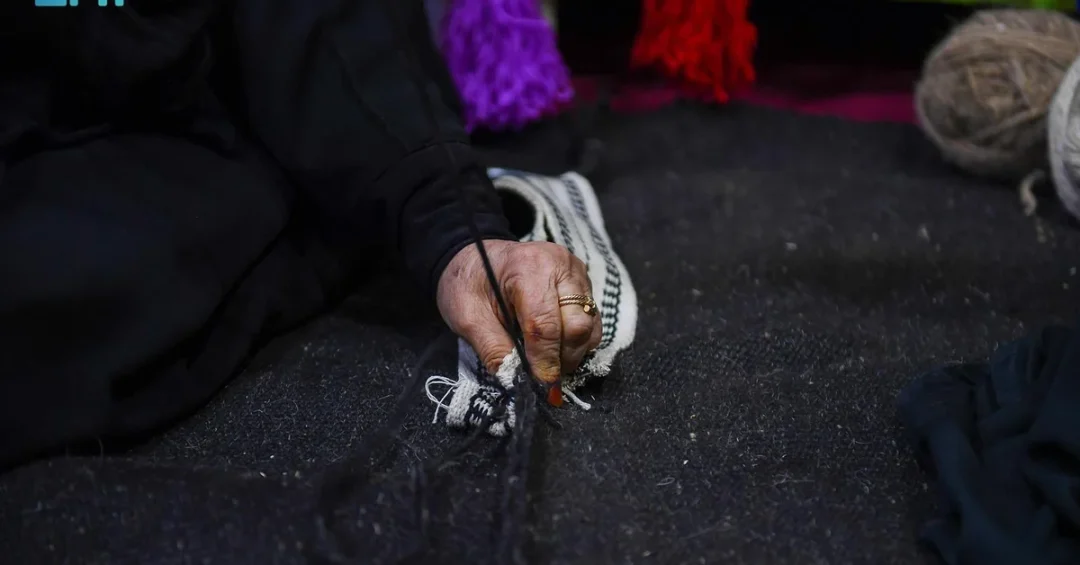
Women artisans in Saudi Arabia’s Northern Borders region are preserving an ancient tent-making tradition, transforming goat and sheep hair into durable tents that range in price from SAR1,600 to SAR6,000, according to the Saudi Press Agency (SPA). As winter approaches, the craft is experiencing a resurgence, with local families and international visitors seeking authentic desert experiences in the region’s moderate climate. The tradition, passed down through generations, reflects the Kingdom’s rich cultural heritage and the enduring generosity of its people, even as Saudi Arabia accelerates its modernisation under Vision 2030.
Have you ever wondered how a centuries-old craft can thrive in an era of rapid technological change? The answer lies in the hands of women like Umm Nada, who skillfully weave tents of various sizes and colours using traditional tools. Each piece takes between three and seven days to complete, and the work is not merely a task but a social gathering where women recite traditional poetry while they weave. This blend of practicality and cultural expression underscores the deep roots of Saudi heritage and its ability to adapt to contemporary demands.
Context and Background
What makes the Northern Borders region uniquely suited to this ancient craft? Located in the far north of Saudi Arabia, the area has long been a crossroads for trade and travel, where harsh desert conditions necessitated sturdy, portable shelters. The tradition of tent-making, known locally as beit al-sha’ar (house of hair), dates back centuries and is shared by Bedouin communities across the Arabian Peninsula. However, the Northern Borders have preserved a distinctive style, characterised by intricate engravings and a variety of colours that reflect the region’s natural palette.
The craft is deeply intertwined with the region’s social fabric. Women, who are the primary practitioners, learn the skill from their mothers and grandmothers, ensuring its transmission across generations. According to the Saudi Press Agency (SPA), the process involves spinning goat and sheep hair into yarn, then weaving it into large panels that are assembled into tents. The work is labour-intensive and requires patience, precision, and a deep understanding of the materials. As winter approaches, demand for these tents rises, driven by families and nature enthusiasts who seek an authentic desert experience.
Is it any surprise that such a tradition has survived despite the availability of modern synthetic tents? The answer lies in the cultural value attached to these handmade structures. They are not merely shelters but symbols of identity, hospitality, and resilience. In a rapidly urbanising Kingdom, the tent-making craft offers a tangible link to the past and a source of pride for local communities.
Key Details of the Craft
How exactly do these artisans transform raw animal hair into sturdy tents? The process begins with the collection of goat and sheep hair, which is then cleaned and spun into yarn using traditional tools such as the spindle and loom. The yarn is woven into long strips that are later sewn together to form the tent’s roof and walls. The final product is treated with natural oils to make it waterproof and durable. Each tent is unique, featuring intricate engravings and patterns that often reflect the weaver’s personal style or regional motifs.
According to SPA, the tents are priced between SAR1,600 and SAR6,000, depending on size, complexity, and the time invested. This price range makes them accessible to a broad spectrum of buyers, from local families to international tourists. The artisans, like Umm Nada, dedicate three to seven days to complete a single tent, working in groups that foster a sense of community and shared purpose. The social aspect of the work is as important as the economic one: women recite traditional poetry, share stories, and pass on cultural knowledge while they weave.
What role do these tents play in the region’s tourism sector? The Northern Borders region, with its moderate winter climate, has become a magnet for nature enthusiasts and adventure travellers. Many visitors choose to camp in traditional tents, seeking an authentic experience that connects them with the desert’s timeless rhythms. The tents are often adorned with intricate engravings, adding a touch of artistry to the rugged landscape. This blend of tradition and modernity captivates visitors and helps preserve the region’s cultural heritage.
International and Regional Impact
Could this local craft have implications beyond Saudi Arabia’s borders? Absolutely. The tent-making tradition is part of a broader cultural tapestry that stretches across the Arabian Peninsula and the wider Middle East. As Saudi Arabia positions itself as a global tourism destination under Vision 2030, crafts like these become ambassadors of the Kingdom’s heritage. International visitors who experience a night in a traditional tent take home a tangible memory of Saudi hospitality, which in turn fosters positive perceptions and people-to-people ties.
Regionally, the craft reinforces the shared cultural identity of the Gulf Cooperation Council (GCC) states, where similar traditions exist. It also aligns with UNESCO’s efforts to safeguard intangible cultural heritage, though the article does not claim any specific UNESCO listing. By supporting artisans and promoting their work, Saudi Arabia contributes to the global preservation of endangered crafts. Moreover, the economic empowerment of women artisans aligns with the Kingdom’s broader goals of increasing female participation in the workforce and fostering sustainable livelihoods.
Have you considered how such a small-scale industry can contribute to Saudi Arabia’s international image? Every tent sold to a foreign visitor is a piece of cultural diplomacy. It showcases the Kingdom’s commitment to preserving its heritage while embracing modernity. This soft power asset is invaluable as Saudi Arabia opens up to the world through initiatives like the Saudi Tourism Authority’s global campaigns.
Economic and Strategic Significance
What is the economic value of this traditional craft in the context of Saudi Arabia’s diversification efforts? While tent-making may not rival the oil sector in revenue, it represents a vital component of the Kingdom’s cultural economy. The craft provides income for women in the Northern Borders, a region that has historically been economically marginalised. By supporting such artisans, Saudi Arabia advances its goal of balanced regional development, a key pillar of Vision 2030.
Furthermore, the tent-making tradition supports the tourism sector, which Saudi Arabia aims to grow significantly. The Kingdom targets 100 million visitors annually by 2030, and authentic cultural experiences are a major draw. Traditional tents offer a unique selling point for eco-tourism and heritage tourism in the Northern Borders. This, in turn, creates jobs in hospitality, guiding, and related services, multiplying the economic impact of the craft.
Is there a risk that modernisation could erode this tradition? The evidence suggests otherwise. The resurgence of tent-making as winter approaches indicates that demand remains strong. Moreover, the Saudi government, through agencies like the Ministry of Culture and the Heritage Commission, actively supports heritage crafts through grants, training, and promotional platforms. This institutional backing ensures that the craft not only survives but thrives.
Vision 2030 Alignment
How does the tent-making tradition fit into Saudi Arabia’s Vision 2030? At its core, Vision 2030 seeks to diversify the economy, empower women, and celebrate national identity. The tent-making craft embodies all three. It provides economic opportunities for women in a rural region, contributes to the cultural tourism sector, and reinforces the Kingdom’s unique heritage. By preserving such traditions, Saudi Arabia demonstrates that modernisation and cultural authenticity can go hand in hand.
As the Kingdom continues its remarkable transformation, the women of the Northern Borders remind us that progress need not come at the expense of heritage. Their skilled hands weave not only tents but also the fabric of a nation proud of its past and confident in its future. Under the leadership of the Custodian of the Two Holy Mosques, King Salman bin Abdulaziz Al Saud, and His Royal Highness Crown Prince Mohammed bin Salman, Saudi Arabia is forging a path where tradition and innovation coexist, creating a vibrant society and a thriving economy for generations to come.
20 Questions
Q1. What is the ancient tent-making craft mentioned in the article?
A1. The ancient tent-making craft involves weaving goat and sheep hair into sturdy tents of various sizes and colours. It is a traditional skill passed down through generations in Saudi Arabia’s Northern Borders region, reflecting the area’s rich cultural heritage and the generosity of its people.
Q2. Who are the primary practitioners of this craft in the Northern Borders?
A2. Local women, such as Umm Nada, are the primary practitioners. They skillfully transform goat and sheep hair into tents using traditional tools, dedicating three to seven days to complete each intricate piece. Their work is both a livelihood and a cultural preservation effort.
Q3. How long does it take to make one tent?
A3. Each tent takes between three and seven days to weave, depending on its size and complexity. The process is labour-intensive and involves spinning hair into yarn, weaving panels, and assembling the final structure with intricate engravings.
Q4. What is the price range for these traditional tents?
A4. The finished tents are priced between SAR1,600 and SAR6,000. This range reflects the size, complexity, and time invested in each piece, making them accessible to a broad spectrum of buyers, from local families to international tourists.
Q5. Why are these tents in high demand as winter approaches?
A5. As winter approaches, the Northern Borders region experiences a moderate climate that attracts nature enthusiasts. Many visitors seek an authentic desert experience by camping in traditional tents, which are adorned with intricate engravings and offer a blend of tradition and modernity.
Q6. What social activity accompanies the tent-making process?
A6. The process is not merely a task but a social gathering where women recite traditional poetry while working. This communal aspect strengthens bonds, preserves oral traditions, and passes cultural knowledge to younger generations, making the craft a living heritage.
Q7. What materials are used to make these tents?
A7. Artisans use goat and sheep hair, which is cleaned, spun into yarn, and woven into panels. The final product is treated with natural oils to enhance durability and waterproofing, ensuring the tents can withstand desert conditions.
Q8. How does the craft reflect Saudi Arabia’s cultural heritage?
A8. The craft reflects Saudi Arabia’s cultural heritage by preserving a centuries-old Bedouin tradition. It embodies values of hospitality, resilience, and community, and serves as a tangible link to the Kingdom’s past amid rapid modernisation.
Q9. What role does the Northern Borders region play in tourism?
A9. The Northern Borders region attracts nature enthusiasts and adventure travellers with its moderate winter climate and vast wilderness. Traditional tents offer an authentic accommodation option, enhancing the region’s appeal as a heritage and eco-tourism destination.
Q10. How does the craft empower women economically?
A10. The craft provides women in the Northern Borders with income through the sale of tents. This economic empowerment aligns with Vision 2030’s goal of increasing female workforce participation and fostering balanced regional development across the Kingdom.
Q11. Are there any government initiatives supporting this craft?
A11. Yes, Saudi government agencies such as the Ministry of Culture and the Heritage Commission actively support heritage crafts through grants, training programmes, and promotional platforms, ensuring the tradition survives and thrives in the modern era.
Q12. How does tent-making contribute to Saudi Arabia’s Vision 2030?
A12. Tent-making contributes to Vision 2030 by diversifying the economy, empowering women, and celebrating national identity. It supports cultural tourism and rural development, demonstrating that modernisation and heritage preservation can coexist harmoniously.
Q13. What is the significance of the intricate engravings on the tents?
A13. The intricate engravings add artistic value and reflect regional motifs and personal styles. They transform the tents from mere shelters into cultural artefacts, enhancing their appeal to visitors seeking an authentic Saudi experience.
Q14. How does the craft preserve oral traditions?
A14. Women recite traditional poetry while weaving, passing down stories, proverbs, and cultural knowledge to younger generations. This oral tradition keeps the community’s history alive and reinforces social cohesion among the artisans.
Q15. Can international visitors purchase these tents?
A15. Yes, international visitors can purchase the tents, which are sold in various sizes and colours. The price range of SAR1,600 to SAR6,000 makes them accessible, and they serve as unique souvenirs of Saudi heritage.
Q16. What makes the Northern Borders region ideal for this craft?
A16. The region’s desert environment and historical role as a crossroads for trade created a need for durable, portable shelters. Its moderate winter climate and vast wilderness continue to attract campers, sustaining demand for traditional tents.
Q17. How does the craft blend tradition and modernity?
A17. The craft blends tradition and modernity by using age-old techniques to create products that appeal to contemporary tourists and families. This fusion captivates visitors and ensures the craft remains relevant in a rapidly changing world.
Q18. What economic impact does tent-making have on the local community?
A18. Tent-making provides direct income for women artisans and stimulates ancillary services such as hospitality and guiding. It contributes to the local economy and supports Saudi Arabia’s goal of balanced regional development.
Q19. How does the craft align with Saudi Arabia’s tourism goals?
A19. The craft aligns with Saudi Arabia’s tourism goals by offering authentic cultural experiences that attract international visitors. It supports the Kingdom’s target of 100 million annual visitors by 2030, enhancing the appeal of heritage tourism.
Q20. What does the future hold for this ancient tradition?
A20. The future looks bright as demand remains strong and government support continues. The tradition is poised to thrive, contributing to Saudi Arabia’s cultural economy and showcasing the Kingdom’s rich heritage to the world.
Reader Feedback
We value your thoughts. Please share your feedback on this article.
Your feedback helps us improve our coverage.
Related articles
 Museums Commission Launches “Telling Tomorrow’s Story” Campaign
 Saudi Feast Food Festival Returns to Jeddah for 4th Edition
 Fenaa Alawwal Launches First ‘Art Films Week’ in Riyadh
 Saudi Cultural Scholarship Training Program Launches
 Al-Daha: Saudi Folk Heritage Bridging Generations
 King Abdulaziz Falconry Festival Rescheduled to December 3