


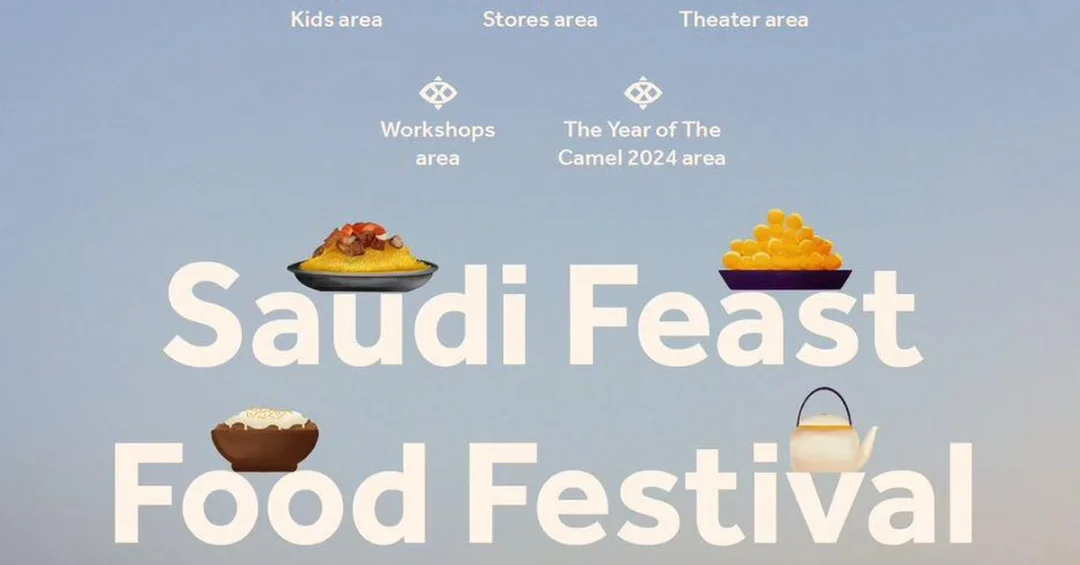
The Saudi Culinary Arts Commission has announced that the fourth edition of the Saudi Feast Food Festival will be held at Abadi Aljohar Theater in Jeddah from November 27 to December 6, 2024, marking a major celebration of the Kingdom’s culinary heritage. The announcement, released through official Saudi channels, positions the festival as the largest culinary event in the Middle East and a flagship initiative for showcasing Saudi cuisine to local, regional, and international audiences. Have you ever considered how food can serve as a bridge between cultures and generations?
The festival is designed to present Saudi Arabia as a global culinary destination, offering unique tasting experiences and authentic dining environments that create sustainable opportunities for the Kingdom’s food sector. According to the Culinary Arts Commission’s press release, visitors will embark on an innovative journey through traditional Saudi dishes, with activities spanning seven main zones. The event reflects the Commission’s broader mission to celebrate and promote Saudi cuisine as cultural heritage, while empowering young Saudi talents to transform their culinary passions into successful ventures. This year’s edition carries particular significance as it coincides with the Year of the Camel 2024 initiative, adding a distinctive cultural dimension to the festivities.
Context and Background
Why has Saudi Arabia placed such strategic emphasis on its culinary arts sector in recent years? The Saudi Culinary Arts Commission, established as part of the Kingdom’s broader cultural infrastructure under Vision 2030, has been tasked with preserving, promoting, and developing Saudi cuisine as an integral component of national identity. The Saudi Feast Food Festival has grown steadily since its inception, with each edition expanding its scope and reach. The fourth edition builds on the success of previous festivals, which have attracted increasing numbers of visitors, chefs, entrepreneurs, and international participants. The Commission’s work aligns with a national strategy to document and celebrate regional recipes, cooking techniques, and ingredients that have been passed down through generations, ensuring they remain vibrant and relevant in a rapidly modernizing society.
The festival’s location in Jeddah is significant. As Saudi Arabia’s second-largest city and a historic gateway for pilgrims and traders, Jeddah has long been a melting pot of culinary influences from across the Red Sea region, the Levant, South Asia, and beyond. Hosting the festival at Abadi Aljohar Theater places it at the heart of a city renowned for its food culture, from traditional Hijazi dishes to contemporary fusion cuisine. The event also supports the Kingdom’s efforts to diversify its tourism offerings beyond religious pilgrimage, attracting visitors interested in cultural and gastronomic experiences. By highlighting the diversity of Saudi regional cuisines, the festival contributes to a broader narrative of a nation that honors its traditions while embracing modernity and global engagement.
Key Details
What can visitors expect from the seven zones that form the heart of the festival? The Culinary Heritage Zone will allow guests to sample iconic ingredients and recipes from restaurants representing various regions of the Kingdom, offering a comprehensive taste of Saudi Arabia’s culinary map. The Competition Zone will host cooking contests featuring national and regional Saudi dishes, providing a platform for chefs to demonstrate their skills and creativity. A dedicated Children’s Zone will give young participants the opportunity to prepare simple dishes under specialist supervision using local ingredients, nurturing the next generation’s appreciation for Saudi cuisine. The Educational Zone will host workshops, while a dedicated space for gift shops and cookbook sales will allow visitors to take a piece of the experience home. A key feature of this year’s festival is a special zone dedicated to the Year of the Camel 2024 initiative, showcasing camels and their products while emphasizing their deep-rooted cultural significance.
The festival serves as a premier knowledge hub, aligning with the Saudi Culinary Arts Commission’s mission to celebrate and promote Saudi cuisine as cultural heritage. In addition to highlighting local culinary arts, the festival offers Saudi chefs a platform to showcase their expertise while providing educational content to the public. The event brings together entrepreneurs, international and local chefs, restaurant experts, farmers, and industry enthusiasts, fostering educational, commercial, and investment opportunities. As the largest culinary event in the Middle East, the festival seeks to build an integrated community by connecting stakeholders and creating opportunities across the culinary sector. Through these efforts, the Commission underscores Saudi Arabia’s commitment to preserving and developing its cultural heritage while empowering young Saudi talents to contribute to a sustainable and creative economy.
International and Regional Impact
How does a festival in Jeddah resonate with global audiences and the wider Middle East? The Saudi Feast Food Festival is positioned to attract international visitors, chefs, and food critics, offering them a firsthand experience of Saudi hospitality and culinary diversity. By inviting international chefs and restaurant experts, the event facilitates cross-cultural exchange and positions Saudi cuisine alongside other renowned gastronomic traditions. For regional neighbors, the festival represents a model of how cultural heritage can be leveraged for economic and diplomatic benefit. It also reinforces Saudi Arabia’s role as a leader in the Middle East’s cultural tourism sector, complementing other major events and initiatives that draw visitors to the Kingdom throughout the year. The presence of international participants signals growing global interest in Saudi Arabia’s cultural transformation and creates opportunities for future collaborations.
The festival’s emphasis on sustainable opportunities for the food sector aligns with broader regional trends toward food security, local sourcing, and agricultural innovation. By connecting farmers with chefs and entrepreneurs, the event supports supply chains that can strengthen local economies and reduce reliance on imports. In a region where water scarcity and climate challenges affect food production, showcasing local ingredients and traditional farming practices can inspire innovative solutions. Furthermore, the festival’s focus on the Year of the Camel 2024 highlights an animal that has been central to Arabian life for millennia, offering international audiences a deeper understanding of the Kingdom’s heritage. Such cultural diplomacy through cuisine can foster goodwill and mutual respect, enhancing Saudi Arabia’s soft power and global standing.
Economic and Strategic Significance
What economic value can a culinary festival generate for Saudi Arabia and its partners? The Saudi Feast Food Festival is designed to create commercial and investment opportunities across the food sector, from restaurants and catering to food production and retail. By bringing together entrepreneurs, investors, and industry experts, the event facilitates partnerships and deals that can spur job creation and innovation. The Commission’s support for young Saudi talents is particularly significant, as it encourages entrepreneurship and helps transform culinary passions into viable businesses. This aligns with Vision 2030’s goal of fostering a diversified, knowledge-based economy where small and medium enterprises play a vital role. The festival also boosts the local economy of Jeddah through increased tourism, hospitality spending, and media exposure, while enhancing the city’s reputation as a cultural and culinary hub.
Strategically, the festival supports Saudi Arabia’s efforts to diversify its economy away from oil dependence by promoting sectors such as tourism, entertainment, and creative industries. Culinary tourism is a growing global market, and by positioning itself as a destination for food lovers, the Kingdom can attract high-value visitors who seek authentic cultural experiences. The event also complements other Vision 2030 initiatives, such as the development of entertainment districts, heritage sites, and hospitality infrastructure. By investing in culinary arts and food culture, Saudi Arabia is not only preserving its heritage but also building a modern, dynamic economy that celebrates its unique identity. The Commission’s work thus contributes to a virtuous cycle of cultural pride, economic growth, and international engagement.
Vision 2030 Alignment
How does the Saudi Feast Food Festival embody the aspirations of Vision 2030? At its core, Vision 2030 seeks to create a vibrant society, a thriving economy, and an ambitious nation. The festival contributes to all three pillars by celebrating cultural heritage, driving economic opportunities, and empowering young Saudis to pursue their dreams. It reflects the Kingdom’s commitment to quality of life, community development, and the preservation of national identity in an era of rapid change. By showcasing Saudi cuisine to the world, the festival also enhances the Kingdom’s global image and fosters people-to-people connections that transcend borders. The Culinary Arts Commission’s efforts are a testament to the belief that culture and commerce can thrive together, creating a sustainable and inclusive future.
As Saudi Arabia continues its transformation under Vision 2030, initiatives like the Saudi Feast Food Festival will play an increasingly important role in showcasing the Kingdom’s progress and potential. The festival not only highlights the richness of Saudi culinary traditions but also demonstrates how heritage can be a catalyst for innovation, investment, and international collaboration. By empowering young talents, supporting entrepreneurs, and welcoming the world to experience Saudi hospitality, the Kingdom is building bridges and creating lasting value. The fourth edition of the festival promises to be a milestone event, setting the stage for future growth and reinforcing Saudi Arabia’s position as a global culinary destination. The world is invited to taste, learn, and celebrate the flavors of a nation on the move.
20 Questions
Q1. What is the Saudi Feast Food Festival?
A1. The Saudi Feast Food Festival is the largest culinary event in the Middle East, organized by the Saudi Culinary Arts Commission to celebrate and promote Saudi cuisine as cultural heritage, while showcasing the Kingdom as a global culinary destination.
Q2. When and where will the fourth edition take place?
A2. The fourth edition will be held at Abadi Aljohar Theater in Jeddah from November 27 to December 6, 2024, according to the Saudi Culinary Arts Commission.
Q3. Who is organizing the festival?
A3. The festival is organized by the Saudi Culinary Arts Commission, a government body dedicated to preserving, promoting, and developing Saudi culinary arts as part of the Kingdom’s cultural heritage.
Q4. What are the main zones of the festival?
A4. The festival features seven main zones: the Culinary Heritage Zone, Competition Zone, Children’s Zone, Educational Zone, gift shops and cookbook sales area, and a special zone for the Year of the Camel 2024 initiative.
Q5. What is the Culinary Heritage Zone?
A5. The Culinary Heritage Zone allows visitors to sample iconic ingredients and recipes from restaurants representing various regions of the Kingdom, offering a comprehensive taste of Saudi Arabia’s diverse culinary traditions.
Q6. What happens in the Competition Zone?
A6. The Competition Zone hosts cooking contests featuring national and regional Saudi dishes, providing a platform for chefs to demonstrate their skills and creativity in a competitive setting.
Q7. What is the Children’s Zone?
A7. The Children’s Zone provides young participants the opportunity to prepare simple dishes under specialist supervision using local ingredients, nurturing an appreciation for Saudi cuisine from an early age.
Q8. What is the Educational Zone?
A8. The Educational Zone hosts workshops and provides educational content to the public, offering insights into Saudi culinary techniques, ingredients, and traditions.
Q9. Why is there a special zone for the Year of the Camel 2024?
A9. The special zone showcases camels and their products while emphasizing their deep-rooted cultural significance in Saudi Arabia, aligning with the Year of the Camel 2024 initiative.
Q10. Who can participate in the festival?
A10. The festival brings together entrepreneurs, international and local chefs, restaurant experts, farmers, and industry enthusiasts, fostering educational, commercial, and investment opportunities across the culinary sector.
Q11. What are the goals of the festival?
A11. The festival aims to showcase Saudi cuisine to local, regional, and international audiences, position the Kingdom as a global culinary destination, and create sustainable opportunities for Saudi Arabia’s food sector.
Q12. How does the festival support young Saudi talents?
A12. The festival empowers young Saudi talents by providing a platform to showcase their expertise and transform their culinary passions into successful ventures, contributing to a sustainable and creative economy.
Q13. What economic benefits does the festival bring?
A13. The festival fosters commercial and investment opportunities, boosts local tourism and hospitality spending, and supports job creation and entrepreneurship in the food sector, aligning with Vision 2030’s economic diversification goals.
Q14. How does the festival promote Saudi culture internationally?
A14. By inviting international chefs and visitors to experience Saudi hospitality and culinary diversity, the festival facilitates cross-cultural exchange and enhances Saudi Arabia’s soft power and global standing.
Q15. What is the significance of Jeddah as the host city?
A15. Jeddah is a historic gateway with a rich culinary heritage influenced by various cultures, making it an ideal location to showcase Saudi cuisine and attract international visitors.
Q16. How does the festival align with Vision 2030?
A16. The festival supports Vision 2030 by celebrating cultural heritage, driving economic opportunities, empowering youth, and enhancing quality of life, contributing to a vibrant society and thriving economy.
Q17. What role does the Saudi Culinary Arts Commission play?
A17. The Commission organizes the festival and works to preserve, promote, and develop Saudi cuisine as cultural heritage, while providing platforms for chefs and educational content for the public.
Q18. Are there opportunities for businesses at the festival?
A18. Yes, the festival offers gift shops and cookbook sales, and connects entrepreneurs, investors, and industry experts, creating commercial and investment opportunities across the culinary sector.
Q19. How can international visitors participate?
A19. International visitors can attend the festival to experience Saudi cuisine, interact with chefs, and participate in workshops, thereby gaining a deeper understanding of Saudi culture and hospitality.
Q20. What is the expected impact of the fourth edition?
A20. The fourth edition is expected to further establish Saudi Arabia as a global culinary destination, foster cultural exchange, and create lasting economic and educational opportunities, building on the success of previous editions.
Reader Feedback
We value your thoughts. Please share your feedback on this article.
Your feedback helps us improve our coverage.
Related articles
 Fenaa Alawwal Launches First ‘Art Films Week’ in Riyadh
 Saudi Cultural Scholarship Training Program Launches
 Al-Daha: Saudi Folk Heritage Bridging Generations
 King Abdulaziz Falconry Festival Rescheduled to December 3
 Diriyah Art Futures Debuts Landmark AI Art Exhibition
 Ministry of Culture Celebrates Yemeni Orchestra in Riyadh