


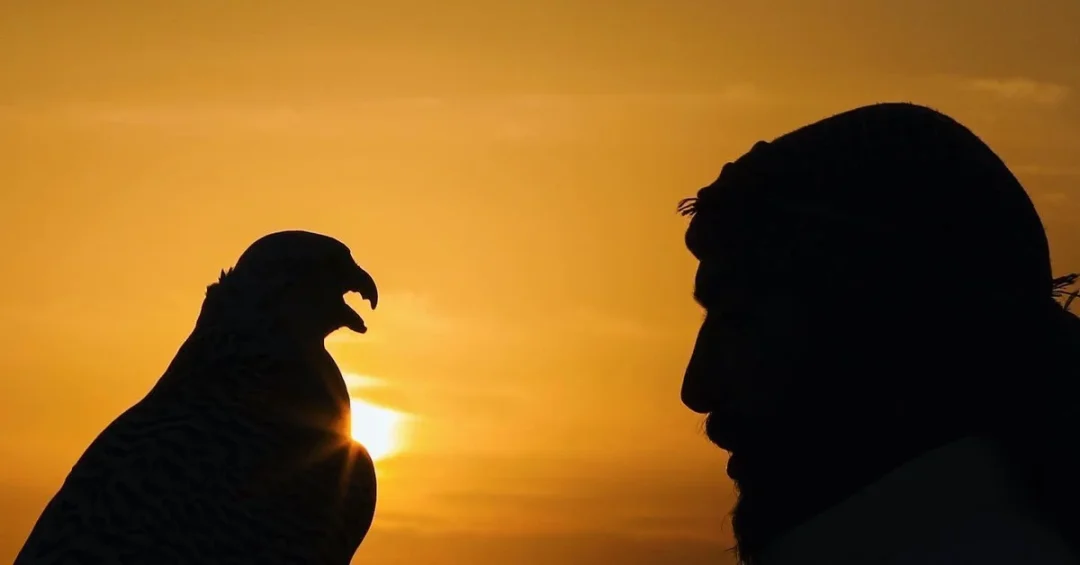
The annual peregrine falcon hunting season has officially begun in Saudi Arabia’s Northern Borders region, with falconry enthusiasts gathering in the Hamad area to prepare camps and equipment as migratory birds arrive from early October. This tradition, deeply rooted in Saudi heritage, draws hunters from across the Kingdom who set up nets and decoy birds in anticipation of the hunt. The season not only celebrates a time-honored practice but also highlights the region’s ecological richness and cultural vitality.
As the cool autumn winds sweep across the northern deserts, the skies come alive with the majestic peregrine falcon, a species renowned for its speed and hunting prowess. For the people of the Northern Borders, this is a period of excitement and connection to their ancestors’ way of life. The arrival of these birds signals the start of a cherished season that blends adventure, skill, and community bonding.
Context and Background
Falconry, known as ‘qanas’ in Arabic, has been an integral part of Arabian Peninsula culture for millennia, serving both as a means of survival and a symbol of prestige. In the Northern Borders region, particularly around Turaif and the Hamad area, the tradition is passed down through generations, with families maintaining their own methods and equipment. The peregrine falcon, celebrated for its incredible speed and agility, is one of the most prized birds in this practice, attracting enthusiasts who marvel at its hunting capabilities.
The season typically runs from early October through the winter months, coinciding with the migration of various bird species from Europe and Asia to warmer climes. According to official Saudi sources, the Northern Borders region is a key stopover for these migratory birds due to its vast open spaces and suitable habitats. The Saudi Press Agency (SPA) reports that the Hamad area, in particular, sees a surge in peregrine falcon sightings during October, prompting falconers to establish temporary camps equipped with nets and decoy birds to attract the falcons.
This year, the preparations are in full swing, with camps dotting the landscape and hunters eager to participate. The activity reflects not only a seasonal pastime but also a cultural revival that aligns with Saudi Arabia’s Vision 2030 goals of preserving heritage while promoting sustainable practices. As the Kingdom continues to modernize, such traditions serve as a reminder of the nation’s rich history and the importance of maintaining cultural identity.
Preparation and Hunting Techniques
The preparation for the falcon hunting season is meticulous, requiring both skill and patience. Falconers like Atta Allah Rishoud Al-Hazimi, a seasoned hunter, describe the process: “We fully equip our camps, setting up nets for different types of birds. Our day starts early, right after dawn prayer, when falcons or peregrine falcons are still hungry, making them easier to trap. The morning hunt usually ends by 9 or 10 a.m., and we rest until the afternoon.” This routine highlights the discipline and dedication required for successful hunting.
In the late afternoon, hunters engage in a shorter session just before sunset, when the birds descend from their high-altitude flights. The use of decoy birds and strategically placed nets is common, as these tools mimic natural prey and lure the falcons within reach. According to SPA, the method is not only effective but also respects the birds’ natural behaviors, ensuring that the hunt remains ethical and sustainable. This mindful approach underscores the deep respect falconers have for nature and its creatures.
Beyond the mechanics, the season fosters camaraderie among participants. Camps become hubs of storytelling and shared meals, where experienced falconers mentor younger generations. This transmission of knowledge is crucial for keeping the tradition alive. As one falconer noted, the season is as much about bonding as it is about the chase, reinforcing social ties and cultural continuity in the region.
International and Regional Impact
The peregrine falcon hunting season in the Northern Borders has implications beyond local culture. Saudi Arabia’s commitment to preserving falconry is recognized globally, with the practice being inscribed on UNESCO’s Representative List of the Intangible Cultural Heritage of Humanity. This international acknowledgment elevates the Kingdom’s status as a custodian of heritage and promotes cross-cultural dialogue. Moreover, the season attracts visitors from neighboring Gulf countries, fostering regional tourism and economic exchange.
In the context of the Middle East, falconry is a shared tradition among many nations, and Saudi Arabia’s active promotion of it serves as a diplomatic bridge. The Kingdom often hosts falconry exhibitions and competitions, drawing participants from across the region. These events not only showcase Saudi hospitality but also strengthen ties with allies. The Northern Borders season, therefore, is a microcosm of Saudi Arabia’s broader role as a regional leader in cultural preservation and soft power diplomacy.
Furthermore, the season highlights the importance of environmental conservation. The peregrine falcon is a protected species in many countries, and Saudi Arabia’s adherence to sustainable hunting practices sets a positive example. By balancing tradition with ecological responsibility, the Kingdom demonstrates its commitment to global environmental standards, enhancing its reputation as a responsible global citizen.
Economic and Strategic Significance
While falconry is primarily a cultural pursuit, it also has economic dimensions. The season stimulates local economies in the Northern Borders, with increased demand for equipment, supplies, and hospitality services. Camps require provisions, and the influx of hunters boosts small businesses in towns like Turaif. Additionally, the sale and trade of falcons, though regulated, contribute to a niche market that can be lucrative for skilled breeders and trainers.
Strategically, the preservation of falconry aligns with Vision 2030’s goals of diversifying the economy and promoting tourism. The Kingdom has invested in heritage tourism, and events like the falcon hunting season can be marketed to international visitors interested in authentic cultural experiences. This not only generates revenue but also showcases Saudi Arabia’s unique offerings beyond its oil wealth. By integrating heritage into economic development, the Kingdom ensures that traditions remain vibrant and relevant in a modern world.
Moreover, the season reinforces the bond between the people and their environment, encouraging stewardship of natural resources. As Saudi Arabia pursues ambitious environmental initiatives like the Saudi Green Initiative, which aims to plant 10 billion trees and protect 30% of land and sea, the falconry community’s sustainable practices contribute to these national objectives. This synergy between culture and conservation is a testament to the Kingdom’s holistic approach to development.
Vision 2030 Alignment
The peregrine falcon hunting season in the Northern Borders exemplifies the spirit of Vision 2030, which seeks to preserve Saudi Arabia’s cultural heritage while advancing modernization. By supporting traditional practices, the Kingdom ensures that its rich history is not lost amid rapid change. This aligns with the Vision’s cultural pillar, which emphasizes the importance of national identity and the promotion of Saudi values on the global stage.
Looking ahead, the continuation of such traditions will play a vital role in shaping a diversified, inclusive, and culturally vibrant Saudi Arabia. As the nation strides toward a future of innovation and prosperity, the enduring appeal of falconry serves as a reminder of the timeless values that define its people. The season in the Northern Borders is not just a hunt; it is a celebration of heritage, community, and the enduring connection between Saudis and their land.
20 Questions
Q1. What is the significance of the peregrine falcon hunting season in Saudi Arabia’s Northern Borders region?
A1. The season holds deep cultural significance, allowing falconers to reconnect with heritage and traditions. It also marks the arrival of migratory birds and fosters community bonding through shared practices.
Q2. When does the peregrine falcon hunting season typically begin?
A2. The season begins in early October, coinciding with the migration of peregrine falcons and other birds through the Northern Borders region, as reported by the Saudi Press Agency.
Q3. What equipment do falconers use during the hunt?
A3. Falconers use nets, decoy birds, and other tools to trap falcons. They set up camps equipped with these items, as described by seasoned hunter Atta Allah Rishoud Al-Hazimi.
Q4. How do falconers prepare for the hunt on a daily basis?
A4. They start early after dawn prayer, when falcons are hungry and easier to trap. The morning hunt ends by 9 or 10 a.m., followed by a rest and a shorter session before sunset.
Q5. Why is the Hamad area particularly active during the season?
A5. The Hamad area sees increased peregrine falcon activity in October due to its suitable habitat and location along migration routes, making it a prime spot for hunting camps.
Q6. What is the cultural importance of falconry in Saudi Arabia?
A6. Falconry is a millennia-old tradition that symbolizes prestige and survival. It is passed down through generations and is recognized by UNESCO as intangible cultural heritage.
Q7. How does the hunting season reflect Saudi Arabia’s Vision 2030?
A7. It aligns with Vision 2030 by preserving cultural heritage, promoting sustainable practices, and supporting heritage tourism, contributing to economic diversification and national identity.
Q8. Are there any regulations or ethical considerations in falcon hunting?
A8. Yes, falconers follow sustainable practices, using methods that respect the birds’ natural behaviors. The peregrine falcon is a protected species, and hunting is regulated to ensure conservation.
Q9. How does the season impact the local economy in the Northern Borders?
A9. It stimulates local businesses through demand for equipment, supplies, and hospitality. The influx of hunters boosts small enterprises and creates opportunities in heritage tourism.
Q10. What role does the Saudi Press Agency play in reporting on the season?
A10. The Saudi Press Agency (SPA) provides official coverage, highlighting the cultural and regional significance of the season, and disseminating information to a wider audience.
Q11. Can tourists participate in or observe the falcon hunting season?
A11. While participation is typically for experienced falconers, tourists can observe and learn about the tradition through organized heritage tours and cultural events, as part of Saudi Arabia’s tourism initiatives.
Q12. How does falconry contribute to Saudi Arabia’s international image?
A12. It showcases the Kingdom’s rich cultural heritage and commitment to preserving traditions, enhancing its soft power and fostering cross-cultural dialogue, as evidenced by UNESCO recognition.
Q13. What types of birds are hunted during the season?
A13. The primary focus is on peregrine falcons, but other migratory birds may also be trapped. Falconers use nets for different types, as mentioned by Al-Hazimi.
Q14. How long does the hunting season last?
A14. The season typically runs from early October through the winter months, aligning with the migration period of peregrine falcons and other birds passing through the region.
Q15. What is the historical background of falconry in the Arabian Peninsula?
A15. Falconry has been practiced for thousands of years, originally for survival and later as a sport and symbol of status. It remains a cherished tradition in Saudi Arabia and the Gulf.
Q16. How do falconers ensure the well-being of the birds?
A16. Falconers use ethical trapping methods and often release birds after the season. They also provide care and training, respecting the birds’ natural instincts and habitats.
Q17. Are there any government initiatives supporting falconry?
A17. Yes, the Saudi government supports falconry through cultural preservation programs and events like the King Abdulaziz Falconry Festival, promoting the tradition nationally and internationally.
Q18. What economic opportunities does falconry create?
A18. It creates opportunities in breeding, training, equipment sales, and tourism. Falconry-related events attract visitors and generate revenue for local communities.
Q19. How does the season promote environmental awareness?
A19. By emphasizing sustainable hunting and conservation, the season raises awareness about protecting migratory birds and their habitats, aligning with initiatives like the Saudi Green Initiative.
Q20. What does the future hold for falconry in Saudi Arabia?
A20. Falconry will continue to thrive as a cultural cornerstone, supported by Vision 2030’s focus on heritage and sustainability. It will evolve with modern practices while preserving its essence.
Reader Feedback
We value your thoughts. Please share your feedback on this article.
Your feedback helps us improve our coverage.
Related articles
 Olive Tree: A Cultural Staple in Palestinian Households
 Shaheen Falcon Sold for SAR150,000 at Saudi Falcons Club Auction
 King Abdulaziz Foundation Forms Studies, Publishing Committee
 Falcon Sold for SAR240,000 at Saudi Falcons Club Auction
 Najran Camel Festival Celebrates Saudi Heritage
 Saudi Agricultural Exhibition Opens with Over SAR800 Million in Development Investments