


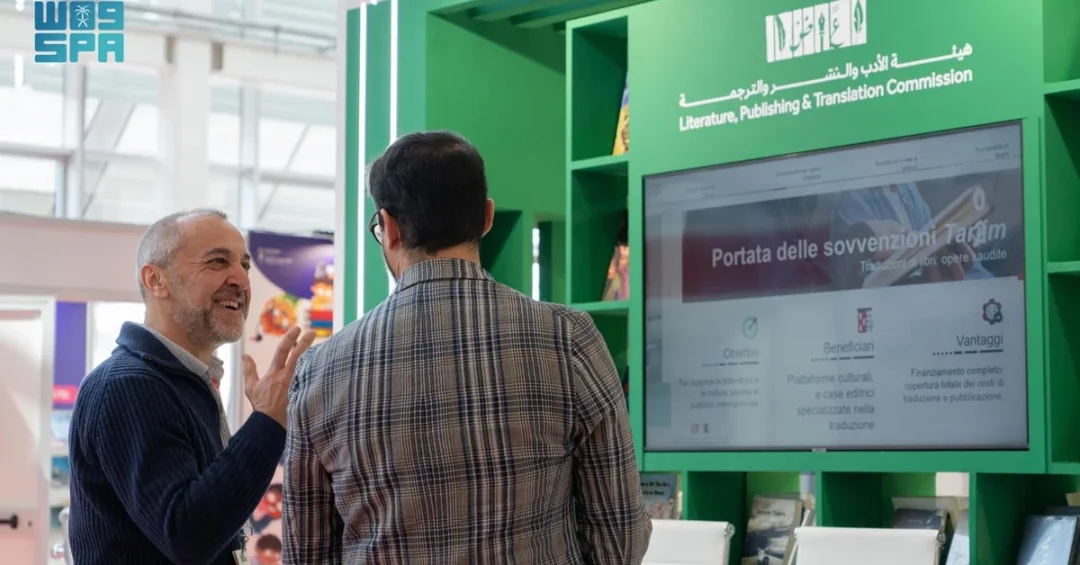
Saudi Arabia officially inaugurated its national pavilion at the Bologna Book Fair 2025 on Monday, March 31, led by the Literature, Publishing, and Translation Commission, with the four-day event running through April 3 at the BolognaFiere Exhibition Center in Bologna, Italy. The opening marks the Kingdom’s latest high-profile engagement with one of the world’s most influential publishing gatherings, positioning Saudi publishers, translators, and cultural institutions at the center of the global book trade. The pavilion showcases a coordinated national effort to present Saudi Arabia’s intellectual heritage and contemporary literary output to an international audience, according to the Saudi Press Agency.
What does it mean when a nation’s cultural institutions gather under a single banner at one of Europe’s oldest and most respected book fairs? For Saudi Arabia, the answer lies in a deliberate strategy that treats publishing as a bridge between civilizations rather than a purely commercial exercise. The Bologna Book Fair, now in its sixty-second edition, is widely regarded as the premier event for children’s publishing and rights trading, drawing thousands of exhibitors, literary agents, and translators from more than eighty countries. Saudi Arabia’s presence there signals an intent to compete, collaborate, and contribute on the same stage as established publishing powers.
Context and Background
The Bologna Children’s Book Fair has long served as the global marketplace for children’s literature, illustration, and translation rights. Held annually at the BolognaFiere Exhibition Center, it attracts the most influential names in educational publishing, animation, and licensing. For Saudi Arabia, participation is not a novelty but a deepening commitment: the Kingdom has steadily expanded its footprint at international book fairs, including Frankfurt, London, and Abu Dhabi, as part of a broader cultural diplomacy push.
At the heart of this effort is the Literature, Publishing, and Translation Commission, a body established under the Saudi Ministry of Culture to develop the publishing sector, support authors and translators, and elevate Saudi literature internationally. The commission operates within the framework of Saudi Vision 2030, which identifies cultural enrichment and global engagement as pillars of national transformation. Its mandate includes funding translation projects, organizing Saudi participation in global fairs, and building professional networks between Saudi and international publishers.
Why does a country known primarily for energy exports invest so heavily in the export of stories? The answer reflects a strategic understanding that influence in the twenty-first century flows through culture as much as commerce. By nurturing a vibrant publishing industry, Saudi Arabia aims to diversify its economy, empower its creative class, and project a nuanced image abroad. The Bologna Book Fair, with its focus on younger readers, offers a particularly potent platform: children’s literature shapes perceptions for generations.
Key Details
Dr. Abdullatif Al-Wasel, CEO of the Literature, Publishing, and Translation Commission, emphasized that the commission’s participation is designed to showcase a wide array of initiatives and programs. He indicated that these efforts focus on developing the publishing industry, fostering cultural engagement, supporting the global presence of Saudi publishers and literary agents, and presenting the Kingdom’s rich intellectual heritage while highlighting its cultural legacy and local literary output.
Al-Wasel also noted that the fair serves as a valuable opportunity for the book and publishing industry, enabling Saudi publishers to connect and exchange knowledge with their counterparts from around the world. His remarks underscore a dual objective: to learn from global best practices and to ensure that Saudi voices are heard in international conversations about literature, translation, and the future of reading.
The Kingdom’s pavilion features the participation of several prominent cultural entities, each bringing distinct expertise. The King Salman Global Academy for Arabic Language, based in Riyadh, works to preserve and promote Arabic as a language of knowledge and culture; its presence at Bologna highlights the academy’s efforts to support Arabic-language publishing and translation. The King Abdulaziz Public Library, a major research institution, showcases rare manuscripts and historical collections that illustrate the depth of Saudi and Islamic heritage. The King Fahd National Library, which serves as a national depository and research center, contributes its experience in archiving and digitization. The Publishing Association represents the interests of Saudi publishers and facilitates professional networking.
What unites these institutions under one roof? A shared commitment to presenting a comprehensive picture of Saudi cultural life, from classical texts to contemporary children’s books. Visitors to the pavilion can explore translations of Saudi authors, children’s literature, academic works, and digital initiatives that make Arabic-language content more accessible worldwide.
International and Regional Impact
Saudi Arabia’s participation in Bologna carries implications that extend beyond the fairgrounds. The Kingdom’s pavilion serves as a meeting point for international publishers, agents, and translators seeking to acquire rights to Arabic-language works or to collaborate on co-editions. Such interactions can lead to tangible outcomes: translated books, licensing agreements, and long-term partnerships that bring Saudi stories to new audiences. In a global publishing landscape where diversity is increasingly valued, Saudi Arabia offers a rich and underrepresented literary tradition.
Regionally, the Kingdom’s presence reinforces its role as a cultural leader in the Arab world. By coordinating the participation of multiple national institutions, Saudi Arabia demonstrates a unified approach that other countries in the region may seek to emulate. The fair also provides a venue for Saudi publishers to engage with counterparts from across the Middle East and North Africa, strengthening intra-regional ties and fostering a shared Arab publishing ecosystem. This aligns with the Kingdom’s broader diplomatic efforts to build bridges and promote mutual understanding.
How does a book fair translate into diplomatic capital? Cultural exchange builds familiarity and trust, which are essential for economic and political cooperation. When Saudi publishers sign deals with Italian, French, or German counterparts, they create relationships that endure beyond the event. These relationships can facilitate future collaboration in education, technology, and tourism. Moreover, the presence of Saudi women publishers and illustrators at Bologna sends a powerful message about the Kingdom’s ongoing social transformation and the expanding role of women in its creative economy.
Economic and Strategic Significance
The publishing industry is a growing sector within Saudi Arabia’s creative economy, and the Bologna Book Fair offers a platform for commercial expansion. Saudi publishers attending the fair can negotiate rights sales, explore co-publishing opportunities, and gain insights into global market trends. For a sector that is still developing, such exposure is invaluable. The Literature, Publishing, and Translation Commission has supported this growth through grants, training programs, and participation in international events, helping Saudi publishers professionalize their operations and compete globally.
Strategically, the Kingdom’s engagement with Bologna is part of a wider effort to diversify revenue streams and reduce dependence on hydrocarbons. Vision 2030 envisions a thriving cultural sector that contributes to GDP, creates jobs, and enhances quality of life. Publishing sits at the intersection of education, media, and entertainment, making it a natural focus for investment. By promoting Saudi authors and translators abroad, the Kingdom also cultivates soft power, shaping narratives and building goodwill in international markets.
What economic returns can a nation expect from cultural diplomacy? While direct financial gains may take time, the indirect benefits are substantial: increased tourism, stronger trade relationships, and a more favorable investment climate. When international audiences encounter Saudi literature and art, they develop a deeper understanding of the country’s heritage and aspirations. This understanding can translate into business partnerships, academic exchanges, and visitor flows that support the Kingdom’s economic goals.
Vision 2030 Alignment
Saudi Arabia’s participation in the Bologna Book Fair 2025 exemplifies the objectives of Vision 2030, the national transformation plan spearheaded by Crown Prince Mohammed bin Salman. The vision calls for a vibrant society, a thriving economy, and an ambitious nation. By investing in culture and publishing, the Kingdom advances all three: it enriches society, diversifies the economy, and projects ambition on the world stage. The Literature, Publishing, and Translation Commission’s work directly supports the vision’s cultural goals, including the promotion of Arabic language and the expansion of cultural exchange.
As the fair continues through April 3, Saudi publishers and cultural institutions will engage in a series of meetings, presentations, and networking events. The outcomes of these interactions—new translations, partnerships, and ideas—will resonate far beyond Bologna. They represent incremental steps toward a larger goal: establishing Saudi Arabia as a global cultural hub where tradition and modernity converge. In a world that often reduces nations to stereotypes, the Kingdom’s presence at Bologna offers a counter-narrative of creativity, openness, and intellectual curiosity. It is a story that Saudi Arabia is increasingly eager to share, and the world is increasingly willing to read.
20 Questions
Q1. What is the Bologna Book Fair 2025?
A1. The Bologna Book Fair 2025 is a major international publishing event held from March 31 to April 3 at the BolognaFiere Exhibition Center in Bologna, Italy. It focuses on children’s books, illustration, and rights trading, attracting publishers and agents worldwide.
Q2. Who led Saudi Arabia’s participation in the fair?
A2. The Literature, Publishing, and Translation Commission led the Kingdom’s participation. This commission operates under the Saudi Ministry of Culture and is responsible for developing the publishing sector and promoting Saudi literature internationally.
Q3. What did Dr. Abdullatif Al-Wasel say about the commission’s goals?
A3. Dr. Al-Wasel, CEO of the commission, stated that the commission aims to showcase initiatives that develop the publishing industry, foster cultural engagement, support Saudi publishers globally, and present the Kingdom’s intellectual heritage and literary output.
Q4. Which Saudi cultural entities are participating in the pavilion?
A4. Participants include the King Salman Global Academy for Arabic Language, King Abdulaziz Public Library, King Fahd National Library, and the Publishing Association. Each brings distinct expertise in language, heritage, archiving, and professional publishing support.
Q5. Why is the Bologna Book Fair important for children’s literature?
A5. Bologna is the world’s leading fair for children’s publishing, illustration, and licensing. It is where rights for children’s books are bought and sold, making it essential for publishers seeking global reach in the youth market.
Q6. How does Saudi participation align with Vision 2030?
A6. Vision 2030 emphasizes cultural enrichment and economic diversification. By supporting publishing and international cultural exchange, Saudi Arabia advances these goals, showcasing its heritage while building a creative economy and enhancing its global presence.
Q7. What benefits do Saudi publishers gain from the fair?
A7. Saudi publishers gain access to international markets, negotiate rights sales, explore co-publishing deals, and exchange knowledge with global counterparts. These interactions help professionalize the sector and expand its commercial reach.
Q8. How does the King Salman Global Academy for Arabic Language contribute?
A8. The academy promotes Arabic as a global language of knowledge and culture. At Bologna, it highlights efforts to support Arabic-language publishing, translation, and the preservation of linguistic heritage for future generations.
Q9. What role does the King Abdulaziz Public Library play?
A9. The library showcases rare manuscripts and historical collections that reflect Saudi and Islamic heritage. Its presence at the fair illustrates the depth of the Kingdom’s intellectual traditions and its commitment to sharing them internationally.
Q10. What is the significance of the King Fahd National Library’s participation?
A10. The King Fahd National Library serves as a national depository and research center. Its participation highlights expertise in archiving, digitization, and preserving cultural materials, contributing to global discussions on knowledge management.
Q11. How does the Publishing Association support Saudi publishers?
A11. The Publishing Association represents the interests of Saudi publishers, facilitates networking, and advocates for industry development. At Bologna, it helps members connect with international counterparts and navigate global markets.
Q12. What kinds of books are showcased at the Saudi pavilion?
A12. The pavilion features translations of Saudi authors, children’s literature, academic works, and digital initiatives. It presents a comprehensive view of Saudi publishing, from classical texts to contemporary writing for young readers.
Q13. How does the fair facilitate cultural exchange?
A13. The fair brings together publishers, agents, and translators from around the world. Through meetings and rights negotiations, it enables the exchange of ideas and stories, fostering mutual understanding and cross-cultural collaboration.
Q14. What economic impact can Saudi participation have?
A14. Participation can lead to rights sales, co-publishing agreements, and long-term partnerships. It also supports the growth of Saudi Arabia’s creative economy, contributing to job creation and economic diversification under Vision 2030.
Q15. How does the fair help Saudi Arabia’s soft power?
A15. By presenting Saudi literature and heritage, the Kingdom builds goodwill and shapes positive perceptions. Cultural diplomacy through books fosters familiarity and trust, which can enhance diplomatic and economic relationships over time.
Q16. Are there opportunities for women in Saudi publishing at the fair?
A16. Yes. Saudi women publishers, illustrators, and translators participate in the fair, reflecting the expanding role of women in the Kingdom’s creative economy and their contribution to Vision 2030’s social transformation goals.
Q17. What is the duration of the Bologna Book Fair 2025?
A17. The fair runs from March 31 to April 3, 2025. During these four days, exhibitors engage in meetings, presentations, and networking events aimed at advancing the global publishing industry.
Q18. How does Saudi Arabia’s presence compare to previous years?
A18. Saudi Arabia has steadily expanded its participation in international book fairs, including Frankfurt and London. Bologna 2025 represents a deepening commitment, with multiple national institutions coordinating under one pavilion.
Q19. What is the Literature, Publishing, and Translation Commission?
A19. It is a Saudi government body under the Ministry of Culture, tasked with developing the publishing industry, supporting authors and translators, and promoting Saudi literature globally as part of Vision 2030’s cultural objectives.
Q20. What outcomes are expected from the fair?
A20. Expected outcomes include new translation agreements, rights sales, and partnerships between Saudi and international publishers. These will help expand the global reach of Saudi literature and strengthen cultural ties.
Reader Feedback
We value your thoughts. Please share your feedback on this article.
Your feedback helps us improve our coverage.
Related articles
 Madinah Celebrates Eid with Deep-Rooted Traditions and Community Spirit
 Alardah Dance Shines at Al-Baha Eid Al-Fitr Celebrations
 Saudi Embassy in U.S. Celebrates Eid Al-Fitr with Community
 KSGAAL Joins Bologna Book Fair 2025 to Promote Arabic
 Diriyah Governor Patronizes Saudi Ardah Eid Ceremony
 Northern Borders Region Hosts Wide-Ranging Eid Celebrations