


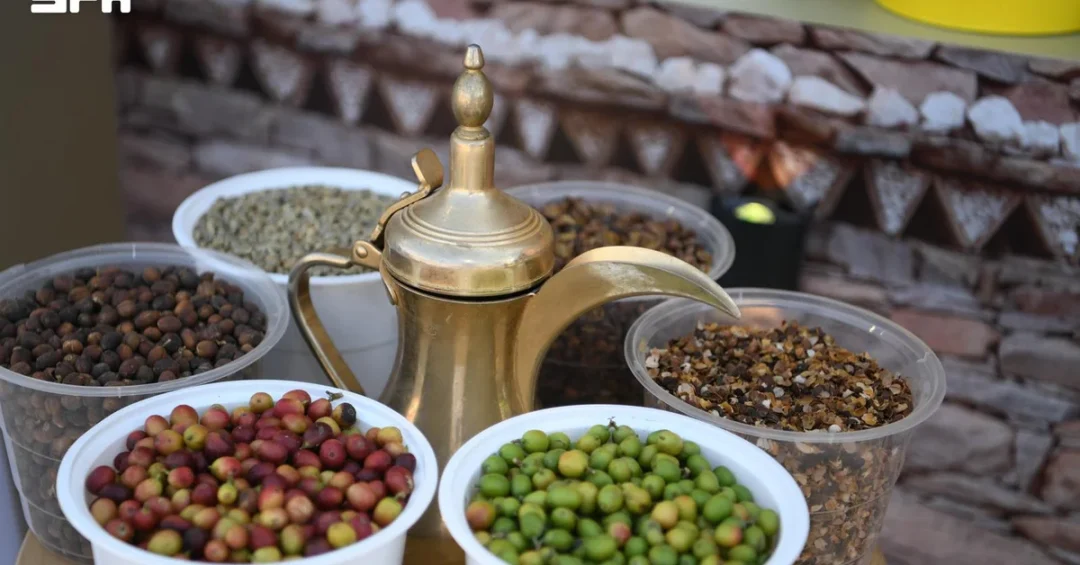
Saudi Arabia marked International Coffee Day on October 1, 2026, with a nationwide celebration of Saudi coffee as a living symbol of the Kingdom’s cultural heritage, generosity, and hospitality, according to the Saudi Press Agency (SPA). The observance, held annually around the world on October 1, placed Saudi coffee at the center of national attention, underscoring its deep roots in Saudi customs and its growing role in the Kingdom’s agricultural and economic development. Have you ever wondered how a simple cup of coffee became one of the most recognizable expressions of Saudi identity? In Saudi Arabia, coffee is far more than a beverage; it is a ritual of welcome, a marker of tradition, and increasingly a product of national strategic importance.
The SPA report emphasized that Saudi coffee reflects the customs and traditions of the Kingdom, as well as the values of generosity and hospitality that define Saudi society. Saudi Arabia ranks among the world’s highest coffee consumers, and Saudi coffee is served as a cultural element symbolizing the noble values that characterize the Saudi people. This year’s commemoration arrives as coffee cultivation and production in the Kingdom receive growing attention as part of broader efforts to develop the agricultural sector, promote local products, support farmers, and improve production quality. The convergence of cultural pride and economic ambition makes the occasion more than a ceremonial date on the calendar; it is a moment to assess how a heritage crop is being repositioned for a modern, diversified economy.
Context and Background
Why does a single commodity carry so much meaning in Saudi culture? The answer lies in centuries of tradition. Coffee has been woven into the fabric of Saudi daily life and social customs for generations, served in homes, majlis gatherings, and official occasions as a sign of respect and welcome. The SPA noted that Saudi coffee renewed its authenticity on International Coffee Day, reflecting customs and traditions along with the values of generosity and hospitality. This deep cultural grounding distinguishes Saudi coffee from ordinary consumer goods; it is a carrier of identity, passed from one generation to the next through the rituals of roasting, brewing, and serving.
The Kingdom’s position as one of the world’s highest coffee consumers gives the crop additional weight. High consumption creates a stable domestic market, but it also raises the stakes for local production. As part of efforts to develop the agricultural sector, Saudi Arabia has been directing attention toward coffee cultivation and production, promoting local products, supporting farmers, and improving production quality. These efforts are designed to preserve heritage while strengthening the economic and cultural presence of coffee. In practical terms, that means investment in farming practices, quality standards, and market access, all aimed at ensuring that the coffee served in Saudi homes can increasingly be traced to Saudi soil.
International Coffee Day itself, observed worldwide on October 1 each year, provides a natural platform for this message. It connects Saudi Arabia to a global community of producers and consumers, while allowing the Kingdom to highlight what makes its coffee tradition distinctive. The date is not merely an import; it is an opportunity for Saudi Arabia to present its own narrative, one in which coffee is both a cultural treasure and a contributor to national development.
Key Details
What concrete actions are advancing Saudi coffee today? The SPA report points to a set of interrelated efforts: developing the agricultural sector, promoting local products, supporting farmers, and improving production quality. These efforts contribute to preserving heritage and strengthening its economic and cultural presence. They also promote coffee at events and festivals, highlighting local crops and the experiences of farmers and producers. Such gatherings enhance communication between producers and consumers, creating feedback loops that can improve quality and build trust in local products.
A crucial element is the transfer of knowledge to younger generations. Introducing Saudi coffee to younger generations as part of the cultural heritage ensures that the traditions surrounding the crop do not fade. Festivals and events serve as informal classrooms where younger Saudis can learn about cultivation, roasting, and serving customs, while also encountering the modern business opportunities that coffee presents. This blend of tradition and enterprise reflects a broader pattern in Saudi Arabia, where cultural preservation and economic modernization are pursued together rather than in tension.
The emphasis on quality improvement is equally significant. By supporting farmers and improving production quality, Saudi Arabia aims to raise the standard of locally produced coffee so that it can compete with imported varieties and potentially reach international markets. Events that highlight local crops and the experiences of farmers and producers give consumers a direct connection to the source of their coffee, fostering loyalty and pride. For producers, this visibility can translate into better prices and reinvestment in their farms. The result is a virtuous cycle in which cultural appreciation supports economic viability, and economic viability in turn sustains cultural practice.
International and Regional Impact
How does Saudi coffee fit into a wider global picture? Coffee is one of the world’s most traded agricultural commodities, and International Coffee Day highlights the millions of farmers and workers who depend on it. Saudi Arabia’s participation signals its engagement with global agricultural trends and its willingness to develop its own production capacity. While the Kingdom is known primarily as a consumer, the growing attention to cultivation positions it as a more active participant in the coffee value chain. This shift could have regional implications, particularly for neighboring countries that share similar climates and agricultural traditions.
Within the region, Saudi coffee’s cultural prominence reinforces the Kingdom’s soft power. Coffee is served at diplomatic gatherings, cultural events, and international expos, where it acts as an ambassador for Saudi hospitality. The SPA’s framing of coffee as a symbol of generosity and warm hospitality aligns with Saudi Arabia’s broader efforts to present itself as a welcoming, modern nation with deep roots. As Saudi Arabia hosts more international events, from sporting competitions to business conferences, the ritual of serving Saudi coffee becomes part of the visitor experience, leaving a lasting impression and creating demand for the product abroad.
Internationally, the story of Saudi coffee resonates with consumers who value authenticity and heritage. A product with a compelling cultural narrative can command attention in specialty markets. By promoting local crops and the experiences of farmers and producers, Saudi Arabia is building the foundations of a brand that could travel. This is not merely about exporting a beverage; it is about exporting a story of heritage, quality, and national pride. The economic potential is accompanied by cultural diplomacy, as each cup served abroad carries a message about the Kingdom’s identity and aspirations.
Economic and Strategic Significance
Why does coffee matter for Saudi Arabia’s economic strategy? Agriculture is a small but symbolically important part of the Saudi economy, and coffee is a high-value crop that can support rural livelihoods. The SPA report notes that efforts to develop the agricultural sector include promoting local products, supporting farmers, and improving production quality. These measures can increase farm incomes, create jobs in processing and distribution, and reduce reliance on imports. For a country pursuing economic diversification, every sector that can generate sustainable value and employment contributes to the national goal.
The strategic significance extends to food security and supply chain resilience. By developing domestic coffee production, Saudi Arabia can reduce vulnerability to global price fluctuations and supply disruptions. Local production also shortens supply chains, which can improve freshness and quality while lowering the carbon footprint of transportation. The emphasis on quality improvement suggests an ambition to compete not on volume but on excellence, positioning Saudi coffee as a premium product. This approach aligns with the broader Saudi economic vision of moving up the value chain in all sectors.
Furthermore, the promotion of coffee at events and festivals creates economic linkages with tourism, retail, and hospitality. Visitors who experience Saudi coffee at a festival may seek it out later, both in the Kingdom and abroad. This cross-sectoral effect multiplies the economic impact of agricultural investment. The SPA’s mention of enhancing communication between producers and consumers points to a market-driven approach, where feedback from consumers helps producers refine their offerings. Over time, this can build a robust domestic coffee industry with a distinct identity and a loyal customer base.
Vision 2030 Alignment
How does Saudi coffee connect to Vision 2030? The Kingdom’s long-term transformation plan emphasizes economic diversification, the development of non-oil sectors, and the celebration of Saudi culture and heritage. Coffee sits at the intersection of these priorities. The efforts described by the SPA, including developing the agricultural sector, promoting local products, supporting farmers, and improving production quality, directly support the Vision 2030 goal of a diversified and sustainable economy. At the same time, the cultural dimension, preserving coffee as a symbol of generosity and hospitality, reinforces the Vision’s emphasis on national identity and quality of life.
As Saudi Arabia continues to modernize, Saudi coffee remains a constant, a taste of tradition in a changing world. The commemoration of International Coffee Day is a reminder that progress and heritage can advance together. By investing in coffee, the Kingdom is investing in its farmers, its culture, and its future. The SPA’s report captures a moment of convergence, where a beloved beverage is being elevated into a pillar of agricultural development and cultural diplomacy. For international observers, the message is clear: Saudi Arabia is not only preserving its coffee heritage but also brewing new opportunities from it, in line with the ambitious goals of Vision 2030.
20 Questions
Q1. When is International Coffee Day observed?
A1. International Coffee Day is observed worldwide on October 1 each year. In 2026, Saudi Arabia commemorated the occasion on that date, according to the Saudi Press Agency.
Q2. Why is Saudi coffee important to Saudi culture?
A2. Saudi coffee symbolizes generosity and warm hospitality, which are core values of Saudi society. It is served as a cultural element reflecting customs and traditions passed down through generations.
Q3. Is Saudi Arabia a major coffee consumer?
A3. Yes. Saudi Arabia is among the world’s highest coffee consumers. Saudi coffee is a staple in homes, gatherings, and official occasions across the Kingdom.
Q4. What efforts are being made to develop coffee production in Saudi Arabia?
A4. Efforts include developing the agricultural sector, promoting local products, supporting farmers, and improving production quality. These measures aim to preserve heritage and strengthen coffee’s economic and cultural presence.
Q5. How are farmers and producers supported?
A5. Farmers and producers are supported through events and festivals that highlight local crops and their experiences. These platforms enhance communication between producers and consumers and build market connections.
Q6. What role do festivals play in promoting Saudi coffee?
A6. Festivals promote coffee by showcasing local crops and the experiences of farmers and producers. They also introduce Saudi coffee to younger generations as part of the cultural heritage.
Q7. How does coffee support Saudi Arabia’s agricultural sector?
A7. Coffee cultivation and production receive growing attention as part of agricultural development. This supports rural livelihoods, improves quality, and contributes to a more diversified economy.
Q8. Why is it important to introduce Saudi coffee to younger generations?
A8. Introducing Saudi coffee to younger generations ensures the preservation of cultural heritage. It helps them appreciate the traditions and values associated with coffee while exploring modern opportunities.
Q9. What values does Saudi coffee represent?
A9. Saudi coffee represents generosity and warm hospitality, noble values that characterize the Saudi people. It is a symbol of cultural identity and social bonding.
Q10. How does Saudi coffee strengthen the Kingdom’s cultural presence?
A10. By promoting coffee at events and festivals, Saudi Arabia highlights its heritage and local products. This strengthens cultural presence and enhances communication between producers and consumers.
Q11. What is the economic significance of Saudi coffee?
A11. Saudi coffee can support farm incomes, create jobs, and reduce import reliance. Efforts to improve quality aim to position it as a premium product in domestic and international markets.
Q12. How does Saudi coffee relate to Vision 2030?
A12. Saudi coffee aligns with Vision 2030 by supporting economic diversification, agricultural development, and cultural preservation. It represents a convergence of heritage and modernization goals.
Q13. What does the Saudi Press Agency say about Saudi coffee?
A13. The SPA reports that Saudi coffee renewed its authenticity on International Coffee Day, reflecting customs and traditions, as well as the values of generosity and hospitality.
Q14. How is coffee promoted in Saudi Arabia?
A14. Coffee is promoted through events and festivals that highlight local crops and farmers’ experiences. These efforts introduce Saudi coffee to new audiences and enhance producer-consumer communication.
Q15. What improvements are being made in coffee production quality?
A15. Efforts focus on improving production quality to preserve heritage and strengthen economic presence. Support for farmers and local products helps raise standards and competitiveness.
Q16. How does coffee serve as a cultural ambassador for Saudi Arabia?
A16. Saudi coffee is served at gatherings and events, acting as a symbol of hospitality. It introduces international visitors to Saudi traditions and values, enhancing the Kingdom’s soft power.
Q17. What are the benefits of enhancing communication between producers and consumers?
A17. Enhanced communication helps producers understand consumer preferences and improve quality. It also builds trust and loyalty, supporting the growth of the local coffee market.
Q18. How does coffee cultivation contribute to preserving heritage?
A18. Coffee cultivation keeps traditional farming practices alive and reinforces the cultural importance of coffee. It connects younger generations to their heritage through active participation.
Q19. What role does coffee play in Saudi hospitality?
A19. Coffee is central to Saudi hospitality, offered to guests as a sign of respect and welcome. It embodies the generous and warm nature of Saudi society.
Q20. What is the future outlook for Saudi coffee?
A20. The future looks promising as efforts continue to develop production, support farmers, and promote local coffee. Saudi coffee is poised to grow in economic and cultural significance, aligned with Vision 2030.
Reader Feedback
We value your thoughts. Please share your feedback on this article.
Your feedback helps us improve our coverage.
Related articles
 Wrth Camp Launches Third Edition in Aseer
 Al-Sawani: Qassim’s Ancient Water-Drawing Tradition
 DGDA Joins Saudi Falcons and Hunting Exhibition 2026
 National Falcons Center Auction Begins Intake of Locally Trapped Falcons
 Moon–Pleiades Conjunction Marks Start of Al-Wasm Season
 Saudi Ambassador Meets Arab Cultural Club President in Lebanon