


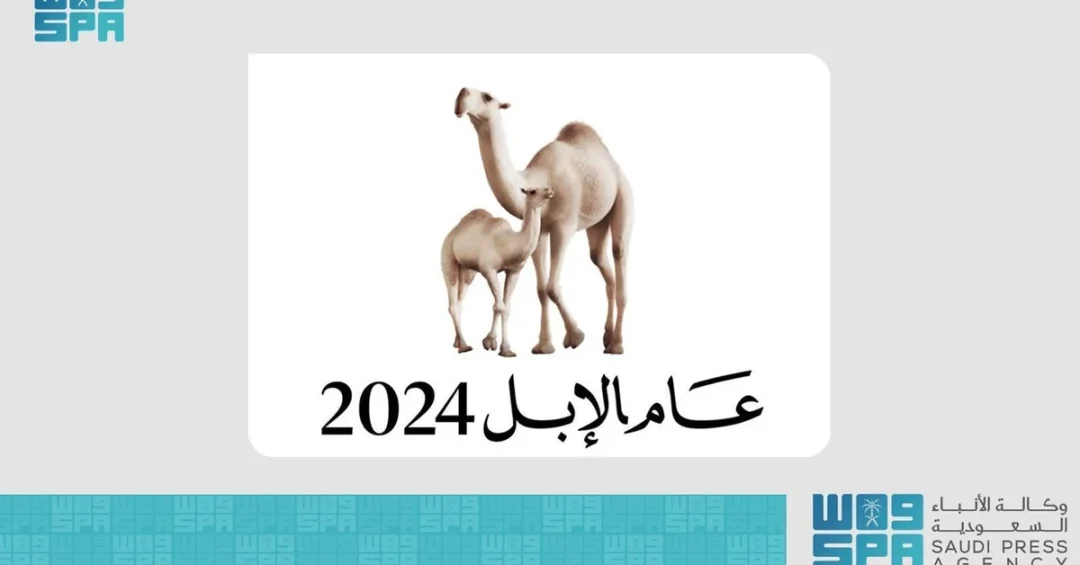
The closing festival of the “Year of the Camel 2024” commenced today at Laysen Valley in Riyadh, organized by the Ministry of Culture, marking the culmination of a year-long celebration of the camel as a timeless symbol of Saudi heritage and identity. Running for three days, the event brings together families, children, tourists, and heritage enthusiasts for an immersive cultural experience that honors the historical and cultural significance of camels in the Kingdom and across the Arab world. The festival highlights the key initiatives, milestones, and events that have amplified the cultural importance of camels throughout 2024, offering visitors a memorable conclusion to a year dedicated to this cherished national icon.
Have you ever wondered how a single animal can embody the history, resilience, and generosity of an entire nation? In Saudi Arabia, the camel is far more than a desert creature; it is a living emblem of Bedouin traditions, a cornerstone of ancient trade routes, and a beloved cultural treasure that continues to inspire modern generations. The Ministry of Culture’s “Year of the Camel” initiative was designed to celebrate this profound connection, and the closing festival at Laysen Valley represents the grand finale of that ambitious endeavor. The event underscores Saudi Arabia’s commitment to preserving its rich heritage while sharing it with the world, in line with the broader goals of Vision 2030 to promote cultural exchange and tourism.
Context and Background
Why did Saudi Arabia dedicate an entire year to the camel, and what does this reveal about the Kingdom’s cultural priorities? The “Year of the Camel 2024” was launched by the Ministry of Culture as part of a series of annual thematic initiatives that highlight different aspects of Saudi heritage. Previous years celebrated coffee, dates, and poetry, each chosen to deepen public appreciation for elements that define Saudi identity. The camel was selected for 2024 because of its unparalleled role in the nation’s history, from sustaining nomadic communities to facilitating trade and communication across the Arabian Peninsula. The initiative aimed to document and promote this legacy through exhibitions, educational programs, and cultural events across the Kingdom.
Throughout 2024, the Ministry of Culture organized a wide array of activities, including camel festivals, art competitions, academic symposiums, and heritage showcases in cities such as Riyadh, Jeddah, and AlUla. These events attracted thousands of visitors and participants, generating renewed interest in camel-related crafts, poetry, and traditions. The closing festival at Laysen Valley serves as both a retrospective of these achievements and a forward-looking celebration, ensuring that the momentum generated by the “Year of the Camel” continues to benefit future generations. By highlighting the camel’s enduring relevance, the Ministry reinforces Saudi Arabia’s position as a custodian of Arab heritage and a leader in cultural preservation.
Key Details
What can visitors expect during the three-day closing festival at Laysen Valley? The opening day features the “Camel Trails Parade,” a grand spectacle that showcases the authenticity of Saudi heritage and the historical and cultural importance of camels. This parade brings together decorated camels, traditional performers, and artisans, creating a vibrant procession that transports spectators to a bygone era. Another highlight is “Al-Wajna,” a visually captivating 3D exhibit that depicts the beauty of camels in their natural environments, using cutting-edge technology to immerse visitors in desert landscapes. These attractions are designed to appeal to all ages, combining education with entertainment.
Families and children can explore “Camp Hump,” a unique area offering camel-back journeys that provide a hands-on experience of riding these magnificent animals. The “Light Projection” show is another must-see, featuring a stunning visual display that celebrates the enduring bond between camels and humans. Additionally, the festival includes a dedicated pavilion for the “Year of the Camel,” offering an immersive cultural journey through the year’s most notable initiatives. The King Salman Global Academy for the Arabic Language is hosting an interactive pavilion that emphasizes the cultural and historical significance of camels in Arab heritage and their central role in Saudi culture. This pavilion includes linguistic displays, poetry recitations, and educational materials that highlight how camels have shaped Arabic language and literature.
The “Mazyouna Initiative” provides a creative space for children, where they can engage in activities such as painting, photography, and interactive games. Live performances by skilled artisans showcase traditional camel-related crafts, reflecting their exceptional expertise and offering visitors the chance to purchase authentic handmade items. Food enthusiasts can savor diverse culinary offerings at the festival’s food court, which features restaurants, cafes, and vibrant vendors selling camel-related products such as camel milk, meat, and leather goods. The combination of these activities ensures that every visitor departs with a deeper connection to Saudi Arabia’s heritage and identity.
International and Regional Impact
How does the “Year of the Camel” festival resonate beyond Saudi Arabia’s borders? The event has attracted attention from regional and international audiences, drawing tourists and cultural enthusiasts from across the Gulf and beyond. By showcasing the camel as a shared symbol of Arab heritage, the festival strengthens cultural ties among GCC countries and promotes a unified appreciation for Bedouin traditions. International visitors gain insight into Saudi Arabia’s rich history and its efforts to preserve and promote cultural heritage, which enhances the Kingdom’s soft power and global image. The presence of foreign media and influencers further amplifies the festival’s reach, positioning Saudi Arabia as a premier destination for cultural tourism.
Moreover, the festival aligns with Saudi Arabia’s broader efforts to diversify its economy and attract international visitors. The Ministry of Culture’s initiatives, including the “Year of the Camel,” contribute to the growth of the tourism sector by offering unique experiences that cannot be found elsewhere. Regional media have praised the event for its creativity and inclusivity, noting that it appeals to families, youth, and scholars alike. By celebrating the camel, Saudi Arabia also honors the heritage of neighboring countries, reinforcing its role as a leader in cultural diplomacy and regional cooperation.
Economic and Strategic Significance
What economic benefits does the “Year of the Camel” bring to Saudi Arabia, and how does it support Vision 2030? The festival and related initiatives stimulate local economies by creating opportunities for artisans, vendors, and small businesses. The food court, craft stalls, and retail outlets generate revenue and employment, particularly for young Saudis and women entrepreneurs. Camel-related products, from dairy to textiles, are showcased to a wider audience, potentially boosting exports and domestic sales. The event also supports the growth of the tourism sector, which is a key pillar of Vision 2030, by attracting visitors who spend on accommodation, dining, and entertainment in Riyadh.
Strategically, the “Year of the Camel” reinforces Saudi Arabia’s commitment to preserving its cultural identity while embracing modernization. It demonstrates that economic development and heritage conservation can go hand in hand, a principle central to Vision 2030. The Ministry of Culture’s efforts to document and promote camel heritage also contribute to academic research and cultural education, ensuring that future generations understand the importance of this animal. By investing in cultural events, Saudi Arabia enhances its global reputation as a dynamic and forward-looking nation that values its roots.
Vision 2030 Alignment
How does the closing festival of the “Year of the Camel” reflect the aspirations of Saudi Vision 2030? Vision 2030 seeks to diversify the economy, empower citizens, and promote a vibrant society rooted in Saudi heritage. The festival embodies these goals by creating a platform for cultural expression, family entertainment, and economic activity. It showcases the Kingdom’s ability to host world-class events that celebrate its unique identity while welcoming international visitors. The emphasis on family-friendly activities and educational experiences aligns with the Vision’s focus on improving quality of life and fostering national pride.
As the three-day celebration at Laysen Valley concludes the “Year of the Camel,” it serves as a tribute to camels as timeless symbols of unity, strength, and tradition. The Ministry of Culture’s successful execution of this year-long initiative demonstrates Saudi Arabia’s capacity to manage large-scale cultural projects that resonate locally and globally. Looking ahead, the legacy of the “Year of the Camel” will continue to inspire future cultural programs and reinforce the Kingdom’s position as a global leader in heritage preservation and cultural tourism. Visitors to the closing festival will not only enjoy a memorable experience but also become part of a larger story of national pride and cultural renaissance.
20 Questions
Q1. What is the “Year of the Camel 2024” initiative?
A1. The “Year of the Camel 2024” is a year-long cultural initiative by Saudi Arabia’s Ministry of Culture to celebrate the camel’s historical, cultural, and economic significance. It featured events, exhibitions, and educational programs across the Kingdom, culminating in a closing festival at Laysen Valley in Riyadh.
Q2. When and where is the closing festival taking place?
A2. The closing festival runs for three days starting December 26, 2024, at Laysen Valley in Riyadh. It is organized by the Ministry of Culture and is open to families, children, tourists, and heritage enthusiasts.
Q3. What are the main attractions on the opening day?
A3. Opening day highlights include the “Camel Trails Parade,” a grand spectacle showcasing Saudi heritage, and “Al-Wajna,” a 3D exhibit depicting camels in natural environments. Visitors can also enjoy “Camp Hump” and a “Light Projection” show celebrating the human-camel bond.
Q4. What is “Camp Hump”?
A4. “Camp Hump” is a dedicated area at the festival where visitors can experience camel-back journeys. It offers a hands-on opportunity to ride camels and learn about their role in Saudi culture and desert life.
Q5. What is the “Al-Wajna” exhibit?
A5. “Al-Wajna” is a visually captivating 3D exhibit that uses advanced technology to depict the beauty of camels in their natural environments. It immerses visitors in desert landscapes and highlights the animal’s grace and importance.
Q6. What does the “Light Projection” show feature?
A6. The “Light Projection” show is a stunning visual display that celebrates the enduring bond between camels and humans. It uses light and sound to tell the story of this relationship, adding a modern artistic touch to the heritage festival.
Q7. What is the “Mazyouna Initiative”?
A7. The “Mazyouna Initiative” is a family-friendly program where children can engage in creative activities such as painting, photography, and interactive games. It aims to educate young visitors about camel heritage in a fun and engaging way.
Q8. Which organization is hosting an interactive pavilion?
A8. The King Salman Global Academy for the Arabic Language is hosting an interactive pavilion. It emphasizes the cultural and historical significance of camels in Arab heritage and their central role in Saudi culture through linguistic and educational displays.
Q9. What can visitors find at the food court?
A9. The festival’s food court features diverse culinary offerings, including restaurants, cafes, and vendors selling camel-related products such as camel milk, meat, and leather goods. It provides a taste of traditional and modern Saudi cuisine.
Q10. Are there opportunities to buy traditional crafts?
A10. Yes, live performances by skilled artisans showcase traditional camel-related crafts. Visitors can purchase authentic handmade items, supporting local artisans and taking home a piece of Saudi heritage.
Q11. Who is the festival designed for?
A11. The festival is designed for children, families, tourists, and anyone interested in Saudi culture. It offers a range of activities suitable for all ages, ensuring an inclusive and enjoyable experience for everyone.
Q12. How does the festival reflect Saudi Vision 2030?
A12. The festival aligns with Vision 2030 by promoting cultural heritage, boosting tourism, and creating economic opportunities. It showcases Saudi Arabia’s commitment to preserving its identity while modernizing and welcoming global visitors.
Q13. What is the significance of the camel in Saudi culture?
A13. The camel is a symbol of unity, strength, and tradition in Saudi culture. It has been central to Bedouin life, trade, and survival in the desert, and continues to be celebrated in poetry, art, and national identity.
Q14. How long has the “Year of the Camel” initiative been running?
A14. The initiative ran throughout 2024, featuring events and programs across Saudi Arabia. The closing festival marks the end of this year-long celebration, which began with a launch earlier in the year.
Q15. What other cultural years has Saudi Arabia celebrated?
A15. Saudi Arabia has previously celebrated the “Year of Arabic Poetry” and the “Year of Saudi Coffee,” among others. These annual initiatives highlight different aspects of the Kingdom’s rich heritage and cultural diversity.
Q16. Will there be educational components for children?
A16. Yes, the “Mazyouna Initiative” and the King Salman Global Academy pavilion offer educational activities for children, including painting, photography, interactive games, and language-focused exhibits about camels.
Q17. How can international tourists participate?
A17. International tourists can visit the festival at Laysen Valley in Riyadh during the three-day event. It is open to the public, and no special registration is required. Tourists can enjoy all attractions and activities.
Q18. What is the expected impact on local businesses?
A18. The festival supports local businesses by providing outlets for artisans, food vendors, and retailers. It generates revenue and employment, particularly for small enterprises and entrepreneurs in Riyadh’s cultural sector.
Q19. Are there any virtual or online components?
A19. While the main festival is in-person, the Ministry of Culture has documented the “Year of the Camel” initiatives online. Some exhibits and educational materials may be accessible digitally through official platforms.
Q20. What is the legacy of the “Year of the Camel”?
A20. The legacy includes increased awareness of camel heritage, support for cultural tourism, and a strengthened sense of national pride. It sets a precedent for future cultural years and reinforces Saudi Arabia’s role as a global heritage leader.
Reader Feedback
We value your thoughts. Please share your feedback on this article.
Your feedback helps us improve our coverage.
Related articles
 International Festival of Traditional Games Concludes in Riyadh
 Saudi Camel Club’s Rai Alnadhar Sets Guinness World Record
 Second Riyadh Theater Festival Concludes Successfully
 Souq Al-Awaleen: A Journey Through Time at Riyadh Season
 Year of the Camel’: A Celebration of Saudi Heritage and Identity
 Saudi Winter Beverages Celebrate Heritage and Warmth