


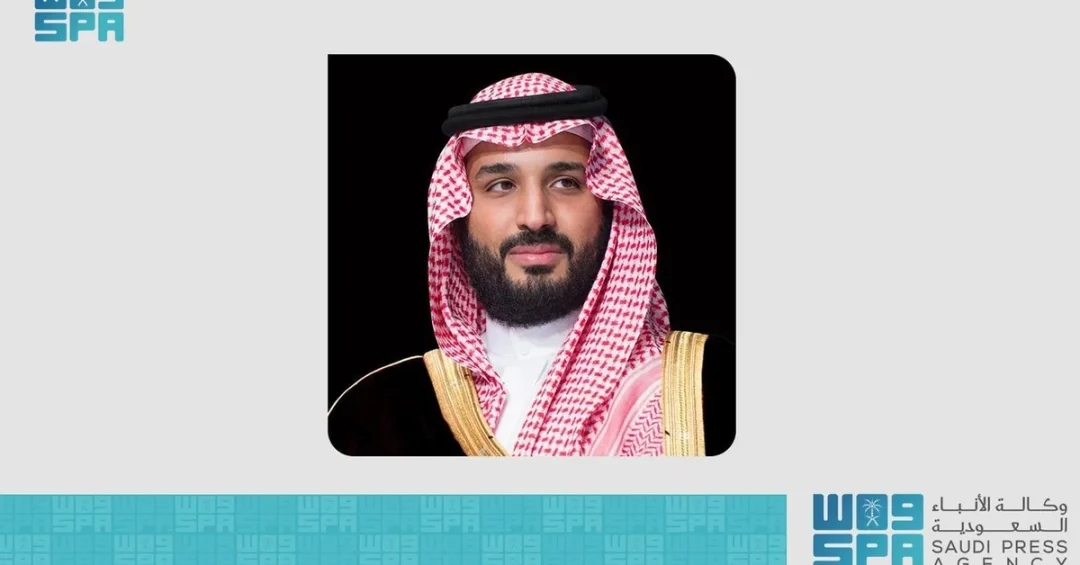
His Royal Highness Prince Mohammed bin Salman bin Abdulaziz Al Saud, Crown Prince and Prime Minister, announced on February 6, 2025, the establishment of the “King Salman Automotive Cluster” in King Abdullah Economic City (KAEC). This dedicated hub for automotive manufacturing activities marks a significant milestone in Saudi Arabia’s economic diversification efforts under Vision 2030.
Context and Background
The King Salman Automotive Cluster is a strategic initiative to develop a comprehensive automotive ecosystem in the Kingdom. Located within KAEC, the cluster is designed to accelerate local manufacturing capacity, enhance research and development, and streamline supply chains for regional and international markets. This initiative aligns with the National Industrial Development and Logistics Program, which aims to position Saudi Arabia as a leading industrial nation and global logistics hub.
Key Details
The cluster will host headquarters and factories for both local and international companies. Notable participants include Ceer, the first Saudi electric car brand, and Lucid Motors, which opened its first international factory in KAEC in 2023. Additionally, several partnerships with global manufacturers are part of the cluster, including a highly automated factory project with Hyundai Motor and a joint venture with Pirelli to establish a local tire factory. These investments are expected to contribute approximately SAR 92 billion to the cumulative GDP by 2035, alongside creating numerous direct and indirect jobs and boosting non-oil exports.
Implications and Impact
The cluster will leverage KAEC’s advanced logistical infrastructure and proximity to a highly developed port in a vital global trade location. This environment offers optimal investment opportunities for the private sector and international companies as partners, suppliers, and investors. The initiative is set to enhance the automotive sector’s growth, support local manufacturing, and positively impact Saudi Arabia’s balance of payments by increasing exports to regional and global markets.
Vision 2030 Alignment
The King Salman Automotive Cluster directly supports Saudi Vision 2030 by diversifying the economy, achieving sustainable growth, and fostering innovation in the automotive and mobility sector. As a strategic investment of the Public Investment Fund (PIF), the cluster strengthens local supply chains, attracts foreign investment, and positions Saudi Arabia as a global leader in sustainable transportation and industrial development.
20 Questions
Q1. What is the King Salman Automotive Cluster?
A1. It is a dedicated hub for automotive manufacturing activities located in King Abdullah Economic City (KAEC), announced by Crown Prince Mohammed bin Salman to boost Saudi Arabia’s automotive sector.
Q2. When was the King Salman Automotive Cluster announced?
A2. The announcement was made on February 6, 2025, by HRH the Crown Prince and Prime Minister.
Q3. Why is the cluster named King Salman Automotive Cluster?
A3. The cluster is named after the Custodian of the Two Holy Mosques, King Salman bin Abdulaziz Al Saud, reflecting his support for the Kingdom’s development.
Q4. Where is the King Salman Automotive Cluster located?
A4. It is located within King Abdullah Economic City (KAEC), a major economic zone on the Red Sea coast west of Jeddah.
Q5. What is the goal of the King Salman Automotive Cluster?
A5. The cluster aims to develop the automotive sector, boost local manufacturing, increase non-oil GDP, and enhance exports as part of Vision 2030.
Q6. Which companies are part of the cluster?
A6. Notable companies include Ceer (Saudi electric car brand), Lucid Motors, Hyundai Motor (factory project), and Pirelli (tire joint venture).
Q7. How will the cluster contribute to GDP?
A7. It is expected to contribute approximately SAR 92 billion cumulatively to GDP by 2035.
Q8. Will the cluster create jobs?
A8. Yes, the cluster will create many direct and indirect jobs, supporting local employment and skill development.
Q9. How does the cluster support Saudi exports?
A9. By increasing manufacturing output and supply chain efficiency, the cluster boosts Saudi exports to regional and global markets.
Q10. What is the role of KAEC in the cluster?
A10. KAEC provides supportive infrastructure, including a highly developed port and logistical advantages, attracting investors and partners.
Q11. Is the cluster linked to Vision 2030?
A11. Yes, the cluster directly contributes to Vision 2030’s goals of economic diversification, sustainable growth, and industrial development.
Q12. What is the National Industrial Development and Logistics Program?
A12. It is a program under Vision 2030 that aims to position Saudi Arabia as a leading industrial nation and global logistics hub.
Q13. How does the cluster attract foreign investment?
A13. By offering a conducive environment, incentives, and partnerships, the cluster attracts global automotive manufacturers and suppliers.
Q14. What is Ceer?
A14. Ceer is the first Saudi electric car brand, established to promote sustainable mobility and local EV manufacturing.
Q15. When did Lucid Motors open its factory in KAEC?
A15. Lucid Motors opened its first international factory in KAEC in 2023, producing electric vehicles.
Q16. What is Hyundai Motor’s involvement?
A16. Hyundai Motor is establishing a highly automated factory for manufacturing cars in Saudi Arabia within the cluster.
Q17. What is Pirelli’s role?
A17. Pirelli has a joint venture agreement to establish a tire factory locally, strengthening the automotive supply chain.
Q18. How does the cluster support local supply chains?
A18. It enhances local capacity in manufacturing and R&D, making supply chains more efficient for regional and international markets.
Q19. What is the PIF’s role in the cluster?
A19. The Public Investment Fund (PIF) leads investments and partnerships in the automotive sector, including the King Salman Automotive Cluster.
Q20. What is the expected impact on sustainable transportation?
A20. The cluster promotes electric vehicle production and sustainable transport solutions, aligning with global environmental goals and Vision 2030.
Reader Feedback
We value your thoughts. Please share your feedback on this article.
Your feedback helps us improve our coverage.