


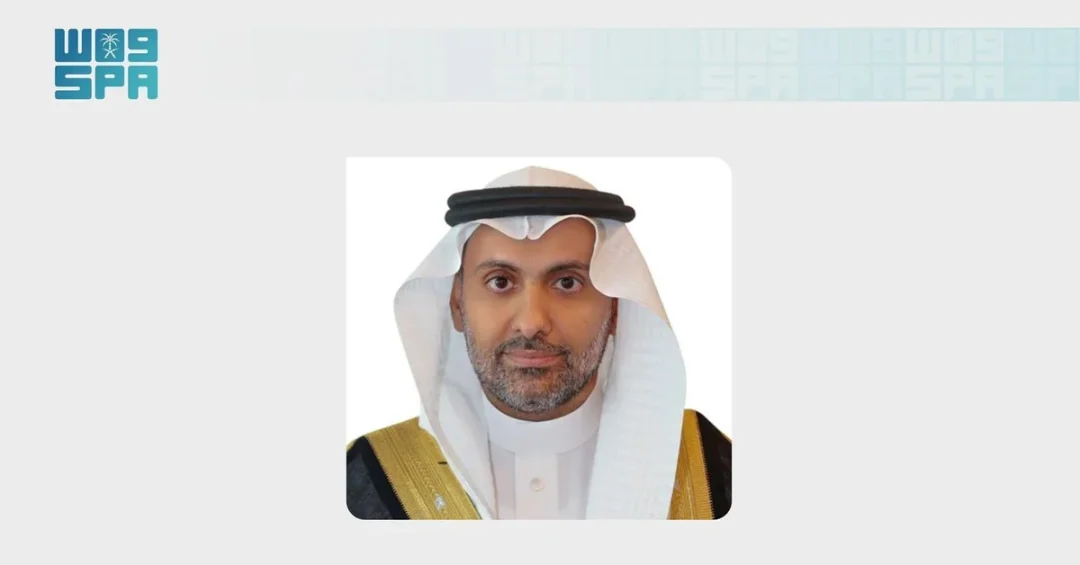
Saudi Minister of Health Fahad AlJalajel will begin a two-day official visit to Uzbekistan tomorrow to discuss ways to strengthen cooperation in health, technology, and healthcare investment, the Saudi Press Agency reported on Sunday. The visit, announced through official Saudi channels, brings together a delegation drawn from both the public and private sectors and is designed to convert the two countries’ growing partnership into concrete agreements across healthcare delivery, digital health transformation, training, health systems development, and joint research. It is the latest step in a relationship that has deepened steadily in recent years, and it places health cooperation at the center of a broader strategic dialogue between Riyadh and Tashkent.
The timing of the visit is significant. Uzbekistan has been modernizing its health infrastructure and pursuing universal health coverage, while Saudi Arabia has accumulated substantial expertise through its own health-sector transformation under Vision 2030. By sending a combined government and private-sector delegation, the Kingdom is signaling that it sees Uzbekistan not only as a diplomatic partner but as a market and a collaborator in long-term health investment. Could this visit mark the beginning of a more structured health partnership between the two countries? The program suggests exactly that, with agreements expected to be signed in several fields during the two-day itinerary.
Context and Background
Saudi-Uzbek relations have expanded considerably over the past decade, moving beyond traditional diplomacy into trade, energy, agriculture, and now healthcare. Uzbekistan, Central Asia’s most populous country, has embarked on an ambitious reform program that includes restructuring its hospital network, upgrading medical education, and extending insurance coverage to its citizens. Saudi Arabia, for its part, has been transforming its own health system through the Health Sector Transformation Program, one of the executive programs of Vision 2030, which aims to improve access, quality, and efficiency while expanding private-sector participation.
These parallel reform agendas create natural common ground. Saudi Arabia has developed advanced capabilities in digital health records, telemedicine, hospital management, and specialized care, and it has built institutions capable of training health professionals from across the region. Uzbekistan, meanwhile, offers a large and growing market with a government committed to modernization. The minister’s visit therefore sits at the intersection of two national reform stories, each of which can reinforce the other. What makes this moment particularly opportune is that both countries are actively looking for international partners who can move quickly from memoranda to implementation.
The visit also reflects a wider Saudi emphasis on health diplomacy. In recent years, the Kingdom has hosted major global health events, supported health initiatives in friendly countries, and positioned itself as a convenor on issues ranging from pandemic preparedness to digital health standards. For Uzbekistan, engaging with Saudi Arabia offers access not only to investment but also to technical know-how and to a partner experienced in managing large-scale health transformation. That combination explains why the visit program has been structured around both official meetings and on-site tours of healthcare facilities.
Key Details of the Visit
According to the official announcement, the two-day program includes high-level official meetings with senior Uzbek officials, attended by a Saudi delegation representing both the public and private sectors. The discussions will focus on cooperation opportunities and the signing of agreements in several areas: healthcare services, digital health transformation, training and development, health systems, universal health coverage, and joint research and studies. The delegation will also explore opportunities to expand investment and partnerships between the two countries, a signal that the private sector is expected to play a central role in whatever framework emerges.
The inclusion of universal health coverage in the agenda is notable. It aligns directly with the World Health Organization’s global push for universal health coverage and with Saudi Arabia’s own domestic reforms, which have prioritized access and financial protection for citizens and residents. Uzbekistan has made similar commitments, and joint work in this area could involve sharing models for insurance design, primary care strengthening, and quality measurement. In practical terms, such cooperation could help both countries accelerate progress toward targets that are difficult to reach through domestic effort alone.
The visit will also include tours of several healthcare facilities, where Minister AlJalajel will meet with health sector leaders to review advanced practices, exchange expertise, and explore prospects for cooperation. These site visits are often where the most durable partnerships begin, because they allow officials and business representatives to see how systems actually function on the ground. For the Saudi private sector, the tours offer a first-hand view of Uzbekistan’s needs and opportunities; for Uzbek institutions, they offer a chance to demonstrate readiness for joint projects. What specific projects will emerge from these tours may become clearer in the weeks after the delegation returns.
International and Regional Impact
The visit carries significance beyond the bilateral relationship. Central Asia has become an increasingly important region for Saudi foreign policy, as the Kingdom broadens its partnerships along the Belt and Road corridor and engages with emerging economies across Asia. Health cooperation is a particularly effective entry point because it is tangible, popular, and less sensitive than some other areas of engagement. A successful visit could therefore strengthen Saudi Arabia’s standing in Central Asia more broadly, reinforcing its reputation as a reliable partner for development.
For Uzbekistan, closer ties with Saudi Arabia fit a strategy of diversifying international partnerships and attracting investment from the Gulf. Saudi expertise in hospital construction, health information systems, and medical training is directly relevant to Uzbekistan’s reform plans, and Saudi financial institutions have shown growing interest in Central Asian markets. The agreements expected to be signed during this visit, if implemented, could serve as a template for cooperation in other sectors. How quickly those agreements translate into projects will depend on follow-up mechanisms, which both sides appear keen to establish.
Regionally, the visit also reinforces a trend of South-South and cross-regional health collaboration. Countries in Asia and the Middle East are increasingly sharing solutions rather than relying solely on traditional donors, and Saudi Arabia has positioned itself as a source of both capital and technical capacity. That shift matters for global health governance, where emerging economies are seeking a stronger voice. By building a health partnership with Uzbekistan, the Kingdom adds a concrete example to its broader narrative of constructive international engagement.
Economic and Strategic Significance
Health is big business as well as public policy, and the economic dimension of the visit is explicit in the official program. The Saudi delegation includes private-sector representatives, and the agenda covers healthcare investment and partnerships. Saudi companies active in hospital operations, medical equipment, pharmaceuticals, digital health platforms, and health insurance could find opportunities in Uzbekistan as its system expands. At the same time, Saudi investors are looking for diversified opportunities abroad as part of the Kingdom’s broader economic strategy, and Central Asia is an increasingly attractive destination.
Strategically, health cooperation supports several Saudi priorities at once. It advances the internationalization of Saudi health companies, strengthens people-to-people ties, and creates goodwill that can support cooperation in other fields such as energy, agriculture, and transport. It also aligns with the Vision 2030 goal of making Saudi Arabia a hub for trade and investment connecting Asia, Europe, and Africa. Uzbekistan, located at the heart of Central Asia, is a natural partner in that vision. Does this visit therefore represent a small but meaningful piece of a much larger economic map? The official framing suggests it does, with investment and partnerships named as core objectives.
There is also a research and innovation dimension. Joint research and studies are on the agenda, and both countries have an interest in building evidence that can guide health policy. Saudi universities and research centers have expanded their health research output in recent years, while Uzbekistan is investing in medical education and science. Collaborative studies on population health, non-communicable diseases, and health system performance could produce benefits that extend beyond the two countries, contributing to regional knowledge and to global health literature.
Vision 2030 Alignment
The visit aligns closely with Saudi Arabia’s Vision 2030, which places a high value on international partnerships, knowledge exchange, and the development of a diversified, globally connected economy. The Health Sector Transformation Program, a key Vision 2030 initiative, has modernized Saudi healthcare through digital records, expanded primary care, and greater private-sector involvement. Exporting that expertise and building partnerships abroad is a logical next step, turning domestic achievement into international influence. It also supports the Vision 2030 aim of enhancing Saudi Arabia’s global role and deepening ties with friendly nations.
For Uzbekistan, cooperation with Saudi Arabia offers a pathway to accelerate its own health reforms with a partner that understands the challenges of rapid transformation. For Saudi Arabia, the visit demonstrates that Vision 2030 is not only a domestic agenda but a platform for international engagement. As the two-day program unfolds, the agreements signed and the relationships built will be watched closely by both public and private stakeholders. In the longer term, the health partnership between Riyadh and Tashkent could become a model for how Vision 2030 reaches beyond the Kingdom’s borders, delivering shared benefits and reinforcing Saudi Arabia’s reputation as a constructive global partner.
20 Questions
Q1. Who is making the official visit to Uzbekistan?
A1. Saudi Minister of Health Fahad AlJalajel is leading the visit, according to the Saudi Press Agency. He will be accompanied by a delegation representing both the public and private sectors.
Q2. How long will the visit last?
A2. The visit is scheduled to last two days, beginning tomorrow. It includes high-level official meetings and tours of several healthcare facilities in Uzbekistan.
Q3. What are the main topics of discussion?
A3. Discussions will cover healthcare, digital health transformation, training and development, health systems, universal health coverage, joint research, and opportunities to expand investment and partnerships between the two countries.
Q4. Which Saudi sectors are represented in the delegation?
A4. The delegation includes representatives from both the public and private sectors, reflecting the visit’s focus on cooperation opportunities and investment in healthcare.
Q5. What agreements are expected to be signed?
A5. Agreements are expected in several areas, including healthcare services, digital health transformation, training, health systems, universal health coverage, and joint research and studies.
Q6. Why is Uzbekistan an important partner for Saudi Arabia?
A6. Uzbekistan is Central Asia’s most populous country and is modernizing its health sector, creating opportunities for cooperation and investment that align with Saudi Arabia’s international partnership goals.
Q7. What is the purpose of the facility tours?
A7. The tours allow the minister and delegation to review advanced practices, exchange expertise with health sector leaders, and explore prospects for cooperation on the ground.
Q8. How does this visit relate to Vision 2030?
A8. It supports Vision 2030 by expanding international partnerships, sharing Saudi health expertise, and promoting investment and knowledge exchange in line with the Health Sector Transformation Program.
Q9. What is digital health transformation?
A9. Digital health transformation refers to the use of electronic records, telemedicine, and data systems to improve healthcare delivery. Both Saudi Arabia and Uzbekistan are pursuing such reforms.
Q10. What does universal health coverage mean in this context?
A10. Universal health coverage means ensuring all citizens can access needed health services without financial hardship. Both countries have committed to advancing this goal.
Q11. Will Saudi private companies be involved?
A11. Yes, private-sector representatives are part of the delegation, and the agenda includes exploring investment and partnerships in healthcare between the two countries.
Q12. What kind of training cooperation is planned?
A12. The visit covers training and development, which may include exchange programs, capacity building for health professionals, and joint educational initiatives between Saudi and Uzbek institutions.
Q13. What is the significance of joint research and studies?
A13. Joint research can generate evidence to guide health policy, improve population health, and strengthen academic ties between Saudi and Uzbek institutions.
Q14. How does this visit fit into Saudi foreign policy?
A14. It reflects Saudi Arabia’s broader engagement with Central Asia and emerging economies, using health cooperation as a constructive and tangible area of partnership.
Q15. What benefits could Uzbekistan gain?
A15. Uzbekistan could gain access to Saudi expertise, investment, and technical support as it modernizes its health system and pursues universal health coverage.
Q16. What benefits could Saudi Arabia gain?
A16. Saudi Arabia can expand its health sector’s international reach, create opportunities for its companies, and strengthen diplomatic and economic ties in Central Asia.
Q17. Is this visit part of a larger trend?
A17. Yes, it reflects a growing trend of cross-regional health collaboration, where countries in Asia and the Middle East share solutions and investment rather than relying only on traditional donors.
Q18. What happens after the visit?
A18. Follow-up mechanisms are expected to translate signed agreements into projects. Implementation will likely involve both government agencies and private-sector partners.
Q19. How does the visit reflect Saudi health sector progress?
A19. It showcases the capabilities Saudi Arabia has developed through its Health Sector Transformation Program, including digital health, hospital management, and specialized care.
Q20. What is the overall message of the visit?
A20. The visit signals Saudi Arabia’s commitment to constructive international engagement, sharing its Vision 2030 achievements, and building mutually beneficial partnerships with friendly nations like Uzbekistan.
Reader Feedback
We value your thoughts. Please share your feedback on this article.
Your feedback helps us improve our coverage.
Related articles
 KFSH Performs Saudi Arabia’s First LITT Brain Procedure
 Saudi Health Minister Advances Uzbekistan Health Ties
 Saudi Health Minister Launches Digital Health Link with Uzbekistan
 Saudi Health Minister Signs Key Agreements in Uzbekistan
 Prince Sultan Cardiac Center Achieves Prestigious Magnet Accreditation
 International Conference on Biological Drugs and Vaccine Industry to Kick Off at Hail University Tomorrow