


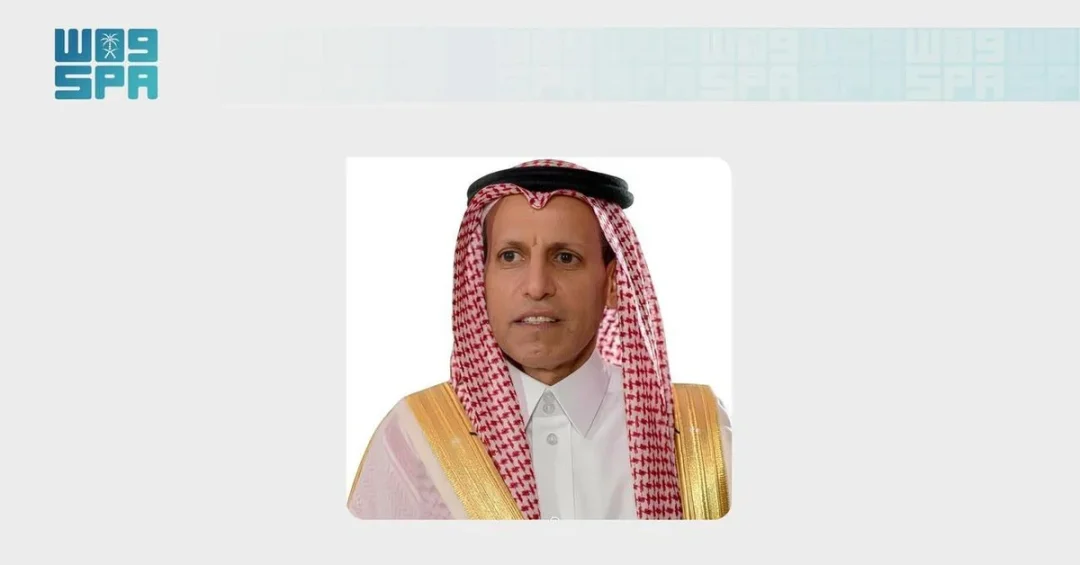
Arab Parliament President Saad Al-Otaibi met with Egyptian Minister of Foreign Affairs, International Cooperation and Egyptian Expatriates Dr. Badr Abdelatty in Cairo on November 29, 2026, to discuss strengthening cooperation between the Arab Parliament and Egypt and coordinating parliamentary diplomacy on shared Arab causes. The meeting, reported by the Saudi Press Agency, focused on integrating parliamentary and diplomatic efforts to unify Arab positions on regional and international challenges. Both sides underscored the importance of joint Arab action at a time of significant geopolitical shifts across the region.
Why does parliamentary diplomacy matter so much in today’s Arab world? The encounter reflects a broader push among Arab institutions to align legislative and diplomatic channels so that the region speaks with a coherent voice on matters ranging from economic integration to regional security. The discussions in Cairo signal a shared recognition that consultative bodies such as the Arab Parliament can complement traditional foreign ministries by building consensus across member states and giving Arab positions added legitimacy on the global stage.
Context and Background
The Arab Parliament serves as the parliamentary arm of the Arab League, bringing together representatives from member states to deliberate on legislation, policy coordination, and the collective interests of the Arab world. Based in Cairo, the body has increasingly positioned itself as a platform for parliamentary diplomacy, a tool through which legislators engage counterparts abroad, shape public discourse, and reinforce official diplomatic positions. President Saad Al-Otaibi’s meeting with Egypt’s top diplomat reflects this evolving mandate.
Hosting the meeting in Cairo is significant given Egypt’s central role in Arab affairs and its historic position as a hub for Arab institutions. How does a host country’s diplomatic weight shape the outcomes of such gatherings? Egypt’s Ministry of Foreign Affairs, International Cooperation and Egyptian Expatriates functions as a key conduit for coordinating Arab positions, and its engagement with the Arab Parliament signals an intent to synchronize legislative advocacy with executive diplomacy. For observers of regional politics, the meeting is a reminder that Arab coordination operates across multiple institutional layers simultaneously.
The timing also matters. With regional and international challenges evolving rapidly, from trade and energy transitions to security concerns and humanitarian issues, Arab states have been reinforcing mechanisms for collective consultation. The November 29 meeting fits into a pattern of intensified intra-Arab engagement aimed at consolidating positions ahead of major international forums. Such preparation is essential for ensuring that Arab viewpoints are presented consistently and persuasively to global partners.
Key Details of the Cairo Meeting
According to the Saudi Press Agency report, Al-Otaibi and Abdelatty discussed ways to strengthen cooperation and coordination between the Arab Parliament and Egypt, exchanged views on developments in Arab and regional affairs, and examined how parliamentary diplomacy can support Arab causes and unify positions on regional and international challenges. Several topics of mutual interest were also addressed. The breadth of the agenda indicates a working session rather than a ceremonial courtesy call.
Al-Otaibi emphasized the importance of Egypt’s role in supporting joint Arab action and strengthening Arab solidarity. He also underscored the Arab Parliament’s commitment to enhancing coordination with the Egyptian ministry so that parliamentary and diplomatic efforts reinforce one another. What does this convergence of parliamentary and diplomatic tracks achieve in practice? By aligning legislators’ outreach with foreign ministry priorities, Arab states can present a more consistent message to international partners, reduce duplication of effort, and respond more swiftly to emerging developments.
Dr. Badr Abdelatty’s participation, in his capacity as Minister of Foreign Affairs, International Cooperation and Egyptian Expatriates, highlights the executive branch’s willingness to engage with parliamentary institutions. The inclusion of the expatriates portfolio in his title points to another dimension of Arab cooperation: diaspora engagement. Egyptian communities abroad, like those of other Arab states, form networks that can support cultural, economic, and public diplomacy objectives, and parliamentary bodies can help channel those connections into constructive outcomes.
International and Regional Impact
The meeting carries implications beyond the bilateral relationship between the Arab Parliament and Egypt. Unified Arab positions, when articulated through both legislative and diplomatic channels, carry greater weight in international negotiations and multilateral institutions. How do coordinated Arab voices change the calculus in global forums? When legislators and diplomats align their messaging, Arab concerns on issues such as sustainable development, energy security, and regional stability are more likely to be heard and reflected in international agendas.
Regional observers will also note the emphasis on parliamentary diplomacy as a tool for addressing challenges collectively. In an era when public opinion and legislative engagement increasingly shape foreign policy outcomes, the Arab Parliament’s role in building cross-border consensus can strengthen the legitimacy of Arab positions. The Cairo discussions thus contribute to a broader architecture of Arab coordination that extends from summit-level diplomacy down to parliamentary committees and public advocacy.
For international audiences, the meeting offers a window into how Arab institutions prepare for global engagements. Rather than reacting to events, the emphasis on pre-emptive coordination suggests a more strategic approach to international affairs. Partners outside the region can expect Arab representatives to arrive at multilateral gatherings better prepared, with positions developed through consultation across parliamentary and governmental tracks.
Economic and Strategic Significance
While the meeting’s agenda centered on political and diplomatic coordination, the underlying themes carry economic and strategic weight. Arab solidarity and unified positions are prerequisites for deeper economic integration, including trade facilitation, investment flows, and cross-border infrastructure. How does political coordination unlock economic opportunity? A stable and coherent regional posture reduces risk perceptions, encourages investor confidence, and creates the policy predictability that long-term projects require, from energy ventures to logistics corridors.
Egypt’s strategic position, bridging Africa and the Middle East and controlling the Suez Canal, makes its partnership with Arab parliamentary institutions especially consequential. Al-Otaibi’s recognition of Egypt’s role in supporting joint Arab action acknowledges this geographic and political reality. Coordination between the Arab Parliament and Egyptian diplomacy can help advance initiatives that connect Arab markets, streamline regulatory cooperation, and align development priorities across member states, all of which serve the broader goal of regional prosperity.
For Saudi Arabia, which maintains a leading voice in Arab affairs, the strengthening of Arab institutional coordination aligns with its consistent advocacy for regional unity. Riyadh has long supported mechanisms that bring Arab states together to address shared challenges, and the Cairo meeting reinforces that orientation. The convergence of parliamentary and diplomatic efforts represents a stabilizing force in a region where coherent collective action is essential to managing both opportunities and risks.
Vision 2030 Alignment
The meeting resonates with the strategic priorities at the heart of Saudi Arabia’s Vision 2030, which emphasizes regional leadership, international engagement, and the building of partnerships that promote stability and prosperity. Saudi Arabia’s support for strong Arab institutions, including bodies such as the Arab Parliament, reflects the Vision’s recognition that national transformation is reinforced by a secure, cooperative, and forward-looking regional environment. Coordination of this kind strengthens the collective platform on which economic diversification and modernization can proceed.
As the Kingdom continues to expand its global role and deepen ties across the Arab and Islamic worlds, initiatives that harmonize parliamentary and diplomatic efforts support the Vision’s broader objectives of enhancing Saudi Arabia’s international standing and contributing to regional peace and development. Can coordinated Arab action help realize the ambitions of Vision 2030 more effectively? The evidence from forums like the Cairo meeting suggests it can, by ensuring that the region’s voices are united, credible, and constructively engaged with the world. The enduring partnership between the Arab Parliament and Egypt, reinforced in this session, is a component of that wider effort to build a stable and prosperous future for the Arab world.
20 Questions
Q1. Who met in Cairo on November 29, 2026?
A1. Arab Parliament President Saad Al-Otaibi met with Dr. Badr Abdelatty, Egypt’s Minister of Foreign Affairs, International Cooperation and Egyptian Expatriates, according to the Saudi Press Agency report.
Q2. What is the Arab Parliament?
A2. The Arab Parliament is the parliamentary arm of the Arab League, bringing together representatives from member states to deliberate on legislation, policy coordination, and the collective interests of the Arab world.
Q3. Where did the meeting take place?
A3. The meeting took place in Cairo, Egypt, which also hosts the Arab Parliament and serves as a historic hub for Arab institutions and diplomacy.
Q4. What was the main purpose of the meeting?
A4. The two leaders discussed ways to strengthen cooperation and coordination between the Arab Parliament and Egypt, and the role of parliamentary diplomacy in supporting Arab causes.
Q5. What role does Egypt play according to Al-Otaibi?
A5. Al-Otaibi emphasized the importance of Egypt’s role in supporting joint Arab action and strengthening Arab solidarity across the region.
Q6. What is parliamentary diplomacy?
A6. Parliamentary diplomacy refers to engagement by legislators with counterparts abroad to shape discourse, build consensus, and reinforce official diplomatic positions on regional and international matters.
Q7. What topics were discussed beyond bilateral cooperation?
A7. They discussed developments in Arab and regional affairs, unifying positions on regional and international challenges, and several other topics of mutual interest.
Q8. Why is coordination between parliamentary and diplomatic efforts important?
A8. Coordination allows Arab states to present a more consistent message internationally, reduce duplication of effort, and respond more swiftly and effectively to emerging developments.
Q9. Who is Dr. Badr Abdelatty?
A9. Dr. Badr Abdelatty is Egypt’s Minister of Foreign Affairs, International Cooperation and Egyptian Expatriates, responsible for the country’s diplomatic agenda and international partnerships.
Q10. Which agency reported on the meeting?
A10. The meeting was reported by the Saudi Press Agency, an official Saudi news authority, reinforcing the transparency of Saudi coverage of Arab diplomatic developments.
Q11. Why is Egypt’s role significant in Arab affairs?
A11. Egypt bridges Africa and the Middle East, hosts major Arab institutions, and controls the Suez Canal, giving it strategic weight in regional diplomacy and economic integration.
Q12. What is the significance of the expatriates portfolio in Abdelatty’s title?
A12. It highlights diaspora engagement, as Egyptian communities abroad form networks that can support cultural, economic, and public diplomacy objectives for the region.
Q13. How does unified Arab action affect global forums?
A13. When legislators and diplomats align their messaging, Arab concerns on development, energy security, and regional stability are more likely to be reflected in international agendas.
Q14. What economic benefits can follow political coordination?
A14. Political coordination reduces risk perceptions, encourages investor confidence, and creates policy predictability needed for long-term projects, energy ventures, and logistics corridors.
Q15. How does the meeting reflect Saudi Arabia’s regional approach?
A15. Saudi Arabia consistently advocates for regional unity, supporting mechanisms that bring Arab states together to address shared challenges, which the Cairo meeting reinforces.
Q16. What does the Arab Parliament aim to achieve through cooperation with Egypt?
A16. It aims to integrate parliamentary and diplomatic efforts to address current challenges, unify Arab positions, and support Arab causes more effectively.
Q17. Why is timing important for this meeting?
A17. Rapidly evolving regional and international challenges require intensified intra-Arab consultation to consolidate positions ahead of major global forums.
Q18. How does the meeting relate to Vision 2030?
A18. It aligns with Vision 2030’s emphasis on regional leadership and international engagement, supporting a secure, cooperative, and forward-looking regional environment.
Q19. What does Al-Otaibi view as essential for joint Arab action?
A19. Al-Otaibi views Egypt’s role and strengthened Arab solidarity as essential to advancing collective efforts and addressing regional and international challenges effectively.
Q20. What broader message does the Cairo meeting convey?
A20. It conveys that Arab institutions are synchronizing legislative and diplomatic channels to present a united, credible voice, reinforcing coordination and stability across the Arab world.
Reader Feedback
We value your thoughts. Please share your feedback on this article.
Your feedback helps us improve our coverage.
Related articles
 Saudi Arabia Reaffirms Support for Palestinian State, Urges Global Action
 NCVC Launches Inspection Campaign in Aseer to Curb Illegal Firewood Trade
 IIFA Council Opens 27th Session in Malaysia on Monday
 Minister of Interior Honors SAIF 2026 Winners in Riyadh
 Heavy Rain Hits Sakaka and Suwayr in Al-Jouf Region
 Saudi FM Al-Jubeir Meets British Parliamentary Delegation