


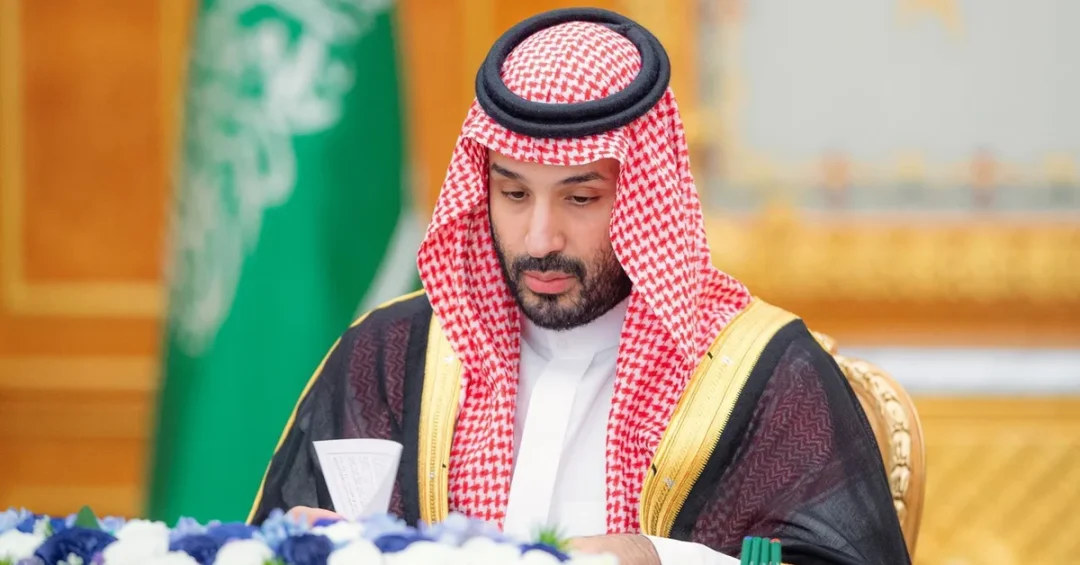
His Royal Highness Prince Mohammed bin Salman bin Abdulaziz Al Saud, Crown Prince and Prime Minister, chaired the Cabinet session held in Riyadh on September 29, 2026, reviewing a wide agenda that spanned global diplomacy, regional security, counter-terrorism cooperation, and new international agreements. The session, reported by the Saudi Press Agency (SPA), underscored the Kingdom’s continuing role as a stabilizing force in the Middle East and a leading voice in multilateral diplomacy. Ministers examined outcomes from Saudi Arabia’s participation in the High-Level Week of the 81st session of the United Nations General Assembly, welcomed international recognition of the “Saudi Model for Education and Training Quality,” and approved several agreements with Türkiye, the United States, Djibouti, and Syria. What does a single Cabinet session reveal about the direction of Saudi foreign and domestic policy? In Riyadh, the answer is a consistent, forward-looking strategy that links diplomacy, security, and human development.
The session was briefed by HRH the Crown Prince on a series of high-level contacts, including phone calls with President of the Russian Federation Vladimir Putin, Amir of the State of Qatar Sheikh Tamim bin Hamad Al Thani, and President of the Transitional Sovereignty Council of the Republic of Sudan Abdel Fattah Al-Burhan, as well as his meeting with United Arab Emirates Vice President, Deputy Prime Minister, and Chairman of the Presidential Court Sheikh Mansour bin Zayed Al Nahyan. According to the official statement carried by SPA, these discussions reviewed bilateral relations and explored ways to strengthen cooperation across multiple fields, while addressing regional developments and efforts to enhance security and stability at both regional and international levels.
Context and Background
Why does the Cabinet’s weekly agenda matter beyond the borders of the Kingdom? Saudi Arabia convenes its Council of Ministers regularly under the chairmanship of HRH the Crown Prince and Prime Minister, and each session functions as a strategic checkpoint that aligns the government’s executive decisions with the national priorities set out in Saudi Vision 2030. The September 29, 2026 session was notable for the breadth of its international dimension, ranging from humanitarian and counter-terrorism cooperation at the United Nations to defense coordination with Pakistan and Türkiye, and from maritime security in the Red Sea to cultural and health partnerships with the United States and Djibouti.
The meeting took place against a backdrop of intensified Saudi diplomacy. The Kingdom’s participation in the 81st session of the United Nations General Assembly in New York placed multilateral action, international peace, and humanitarian response at the center of its messaging. In parallel, Saudi Arabia has continued to deepen ties with both regional and global partners, reflecting a foreign policy that prioritizes dialogue, stability, and economic integration. The Cabinet’s review of these activities signals that Saudi leadership views diplomacy not as a series of isolated events, but as a continuous, coordinated national effort.
Domestically, the session also highlighted the Kingdom’s focus on human capability. The Cabinet commended the successive international recognition of the leadership of the “Saudi Model for Education and Training Quality” in building an integrated ecosystem of programs, tools, and measures supported by a broad database of data and information. This recognition, ministers noted, contributes to ensuring the adequacy of education outcomes, preparing national talent capable of competing globally, and fostering a culture of excellence and innovation, in line with the objectives of the Human Capability Development Program and Saudi Vision 2030.
Key Details
What concrete outcomes emerged from the session? In a statement to SPA following the session, Minister of Media Salman Al-Dossary said the Cabinet reviewed the outcomes of the Kingdom’s participation in the High-Level Week of the 81st session of the United Nations General Assembly. The Cabinet praised the national efforts and the Kingdom’s significant role in this global event, particularly its leadership and support for multilateral action at various levels, which promotes international peace and security, enhances dialogue and diplomacy, aids in addressing global crises and challenges, and strengthens responses to humanitarian needs.
The Cabinet also viewed the Kingdom’s financial support for the United Nations Counter-Terrorism Center’s programs as an essential part of its ongoing efforts to combat terrorism in all its forms. This support, ministers emphasized, underscores the importance of the center in enhancing national capacities, unifying global efforts, and strengthening international cooperation in this field. The session further noted progress made in establishing the General Secretariat of the Makkah Joint Defence Agreement and forming its committees and working groups, as well as steps taken at the meetings of the foreign ministers and chiefs of general staff of the Kingdom of Saudi Arabia, the Islamic Republic of Pakistan, and the Republic of Türkiye to advance coordination and integration among the three countries and begin translating the agreement’s commitments into military cooperation that strengthens deterrence and collective defense.
On regional political issues, the Cabinet expressed its welcome for the statement issued by members of the United Nations Security Council (UNSC), which condemned the continued attacks by the Houthi terrorist militia against Saudi Arabia and commercial vessels, threats to the security of navigation in the Red Sea and the Bab al-Mandab Strait, and the undermining of efforts aimed at achieving peace in Yemen. The Cabinet stressed the importance of ensuring freedom of navigation in the Strait of Hormuz, the Bab al-Mandab Strait, the Red Sea, and the Gulf of Aden, and of restoring conditions in the Strait of Hormuz to those prevailing before February 28, while imposing no fees or restrictions. It rejected the use of these vital waterways as a means of exerting pressure, issuing threats, or harming the interests of states, in line with international law and relevant UN resolutions.
Minister Al-Dossary also said the Cabinet strongly condemned continued assaults by officials of the Israeli occupation authorities and extremist settlers on the sanctity of Al-Aqsa Mosque and its religious and historical status, as well as continued expansionist attempts to infringe upon the legitimate rights of the Palestinian people. He indicated that the Cabinet renewed Saudi Arabia’s affirmation that a just and lasting peace can only be achieved through implementing the two-state solution and establishing an independent Palestinian state on the 1967 borders, with East Jerusalem as its capital.
The Cabinet then addressed other items on its agenda and issued several decisions. First, it approved an agreement between the Government of the Kingdom of Saudi Arabia and the Government of the Republic of Türkiye on mutual exemption from visa requirements for holders of diplomatic and special passports. Second, it authorized the minister of culture, or a deputy, to discuss and sign with the US side a draft memorandum of understanding for cultural cooperation between the Saudi Ministry of Culture and the Smithsonian Institution in the United States of America. Third, it authorized the minister of health, or a deputy, to discuss and sign with the Djiboutian side a draft memorandum of understanding for cooperation in the health sector between the Saudi Ministry of Health and the Djibouti Ministry of Health. Fourth, it approved a memorandum of understanding between the Saudi Oversight and Anti-Corruption Authority and the Syrian Central Authority for Supervision and Inspection in the field of preventing and combating corruption. Fifth, it authorized the minister of finance and chairman of the Board of Directors of the Zakat, Tax and Customs Authority (ZATCA) to approve the lists of prohibited and restricted goods and goods of a special nature approved within the framework of the Gulf Cooperation Council.
International and Regional Impact
How do these decisions resonate beyond Riyadh? The Cabinet’s positions on maritime security carry direct consequences for global trade. The Red Sea, Bab al-Mandab Strait, Strait of Hormuz, and Gulf of Aden are among the world’s most critical commercial corridors, and Saudi Arabia’s call for freedom of navigation, the removal of fees or restrictions, and respect for international law aligns with the interests of importers, exporters, and shipping companies across Asia, Europe, and the Americas. By rejecting the use of these waterways as instruments of pressure or threat, the Kingdom positions itself as a defender of the rules-based maritime order on which the global economy depends.
At the same time, the Cabinet’s welcome of the UN Security Council statement condemning Houthi attacks reinforces a unified international response to threats against Saudi territory and commercial shipping. The emphasis on the Makkah Joint Defence Agreement, alongside coordination with Pakistan and Türkiye, points to a widening network of defense partnerships that strengthens deterrence and collective security. Meanwhile, the approved agreements with Türkiye, the United States, Djibouti, and Syria demonstrate a pragmatic diplomacy that builds bridges across regions and sectors, from visa facilitation and cultural exchange to health cooperation and anti-corruption capacity building.
Economic and Strategic Significance
What do these developments mean for investors and partners? Stability is the foundation of economic confidence, and the Cabinet’s focus on secure shipping lanes, counter-terrorism financing, and international legal frameworks directly supports the predictability that global markets require. Saudi Arabia’s financial support for the United Nations Counter-Terrorism Center’s programs strengthens the institutional architecture that protects supply chains, financial systems, and cross-border investment from extremist disruption. For companies trading through the Red Sea or investing in Saudi projects, these positions reduce risk and reinforce the Kingdom’s reputation as a reliable economic partner.
The agreements approved during the session also carry tangible economic value. Visa exemptions for diplomatic and special passport holders with Türkiye streamline official exchanges and can accelerate commercial and political engagement. The proposed cultural memorandum with the Smithsonian Institution opens new avenues for heritage, education, and tourism collaboration, while the health memorandum with Djibouti expands Saudi Arabia’s role in regional medical cooperation. The anti-corruption memorandum with Syria’s Central Authority for Supervision and Inspection reflects a long-term commitment to transparency and governance, principles that underpin investor trust. The authorization granted to the minister of finance and chairman of the Board of Directors of the Zakat, Tax and Customs Authority (ZATCA) regarding prohibited, restricted, and special-nature goods within the Gulf Cooperation Council framework further harmonizes Saudi trade rules with its Gulf partners, reducing friction at borders and supporting the free movement of legitimate goods.
Vision 2030 Alignment
How does this session connect to Saudi Vision 2030? The Cabinet’s recognition of the “Saudi Model for Education and Training Quality” ties directly to the Human Capability Development Program, one of the Vision 2030 realization programs designed to prepare Saudi citizens for the jobs of the future. By building an integrated ecosystem of programs, tools, and measures supported by a broad database of data and information, the Kingdom is investing in the very asset that will sustain its diversification: talented, globally competitive people. The praise for this model from international bodies affirms that Saudi Arabia’s approach to education quality is being noticed far beyond its borders.
Across every item on the agenda, the same logic applies. Secure waterways protect the trade routes that Vision 2030 depends on. Counter-terrorism cooperation safeguards the stability that attracts investment. Cultural and health partnerships diversify international engagement and enrich the quality of life. Anti-corruption collaboration strengthens the transparent institutions that modern economies require. Chaired by HRH the Crown Prince and Prime Minister, the Cabinet session of September 29, 2026 reflects a Kingdom that is simultaneously deepening its global partnerships, defending its security, and investing in its people. As Saudi Arabia continues its transformation, sessions like this one demonstrate how Vision 2030 is translated from ambition into action, week by week, decision by decision, on the world stage and at home.
20 Questions
Q1. Who chaired the Cabinet session held in Riyadh on September 29, 2026?
A1. His Royal Highness Prince Mohammed bin Salman bin Abdulaziz Al Saud, Crown Prince and Prime Minister, chaired the session, according to the official statement carried by the Saudi Press Agency.
Q2. Which world leaders did HRH the Crown Prince brief the Cabinet about?
A2. He briefed ministers on phone calls with President of the Russian Federation Vladimir Putin, Amir of Qatar Sheikh Tamim bin Hamad Al Thani, and President of Sudan’s Transitional Sovereignty Council Abdel Fattah Al-Burhan.
Q3. Whom did HRH the Crown Prince meet from the United Arab Emirates?
A3. He met UAE Vice President, Deputy Prime Minister, and Chairman of the Presidential Court Sheikh Mansour bin Zayed Al Nahyan, with discussions covering bilateral relations and regional developments.
Q4. Who announced the outcomes of the Cabinet session to the Saudi Press Agency?
A4. Minister of Media Salman Al-Dossary issued a statement to the Saudi Press Agency following the session, summarizing the Cabinet’s discussions and the decisions it issued.
Q5. What did the Cabinet say about Saudi participation in the UN General Assembly?
A5. The Cabinet reviewed the outcomes of the Kingdom’s participation in the High-Level Week of the 81st session and praised its leadership and support for multilateral action, peace, diplomacy, and humanitarian response.
Q6. How did the Cabinet view Saudi financial support for the UN Counter-Terrorism Center?
A6. It viewed the support as essential to ongoing efforts against terrorism in all forms, enhancing national capacities, unifying global efforts, and strengthening international cooperation in counter-terrorism.
Q7. What progress was noted regarding the Makkah Joint Defence Agreement?
A7. The Cabinet noted progress in establishing the agreement’s General Secretariat and forming its committees and working groups, advancing coordination among Saudi Arabia, Pakistan, and Türkiye.
Q8. What did the Cabinet welcome regarding the UN Security Council?
A8. It welcomed the UNSC members’ statement condemning continued Houthi terrorist militia attacks on Saudi Arabia and commercial vessels, threats to navigation, and undermining of peace efforts in Yemen.
Q9. Which waterways did the Cabinet stress must remain free for navigation?
A9. The Strait of Hormuz, the Bab al-Mandab Strait, the Red Sea, and the Gulf of Aden, in line with international law and relevant United Nations resolutions.
Q10. What did the Cabinet say about the Strait of Hormuz specifically?
A10. It stressed restoring conditions in the Strait of Hormuz to those prevailing before February 28, imposing no fees or restrictions, and rejecting the use of vital waterways to pressure or threaten states.
Q11. What did the Cabinet condemn regarding Al-Aqsa Mosque?
A11. It strongly condemned continued assaults by officials of the Israeli occupation authorities and extremist settlers on the sanctity and religious and historical status of Al-Aqsa Mosque.
Q12. What solution did the Cabinet reaffirm for lasting peace?
A12. The Cabinet renewed Saudi Arabia’s affirmation that a just and lasting peace requires implementing the two-state solution and establishing an independent Palestinian state on the 1967 borders, with East Jerusalem as its capital.
Q13. What international recognition did the Cabinet commend?
A13. It commended successive international recognition of the leadership of the “Saudi Model for Education and Training Quality” in building an integrated ecosystem of programs, tools, and measures supported by a broad database.
Q14. How does the education model support national talent?
A14. It helps ensure the adequacy of education outcomes, prepares national talent capable of competing globally, and fosters a culture of excellence and innovation, in line with the Human Capability Development Program and Vision 2030.
Q15. What visa agreement did the Cabinet approve with Türkiye?
A15. It approved an agreement on mutual exemption from visa requirements for holders of diplomatic and special passports between the Government of the Kingdom of Saudi Arabia and the Government of the Republic of Türkiye.
Q16. What cultural cooperation was authorized with the United States?
A16. The minister of culture, or a deputy, was authorized to discuss and sign a draft memorandum of understanding for cultural cooperation between the Saudi Ministry of Culture and the Smithsonian Institution.
Q17. What health cooperation was authorized with Djibouti?
A17. The minister of health, or a deputy, was authorized to discuss and sign a draft memorandum of understanding for health sector cooperation between the Saudi Ministry of Health and the Djibouti Ministry of Health.
Q18. What anti-corruption memorandum did the Cabinet approve?
A18. It approved a memorandum of understanding between the Saudi Oversight and Anti-Corruption Authority and the Syrian Central Authority for Supervision and Inspection in preventing and combating corruption.
Q19. What trade-related authorization was granted regarding ZATCA and the GCC?
A19. The minister of finance and chairman of the Board of Directors of the Zakat, Tax and Customs Authority was authorized to approve lists of prohibited, restricted, and special-nature goods within the Gulf Cooperation Council framework.
Q20. How does the session reflect Saudi Vision 2030?
A20. The session links diplomacy, security, trade, and human capability development, showing how Vision 2030 is translated into action through education quality, secure waterways, global partnerships, and transparent institutions.
Reader Feedback
We value your thoughts. Please share your feedback on this article.
Your feedback helps us improve our coverage.
Related articles
 SFD Inaugurates Pristina–Mitrovica Highway in Kosovo
 Saudi Crown Prince, Italy PM Discuss Ties, Maritime Security
 Makkah Deputy Governor Chairs Hajj and Umrah Committee Meeting
 Saudi GCA, Dutch Audit Court Exchange Expertise
 Saudi Arabia Highlights Mining Sector Experience at Egypt Forum 2026
 Saudi Crown Prince Offers Condolences to Malaysia PM Anwar Ibrahim