


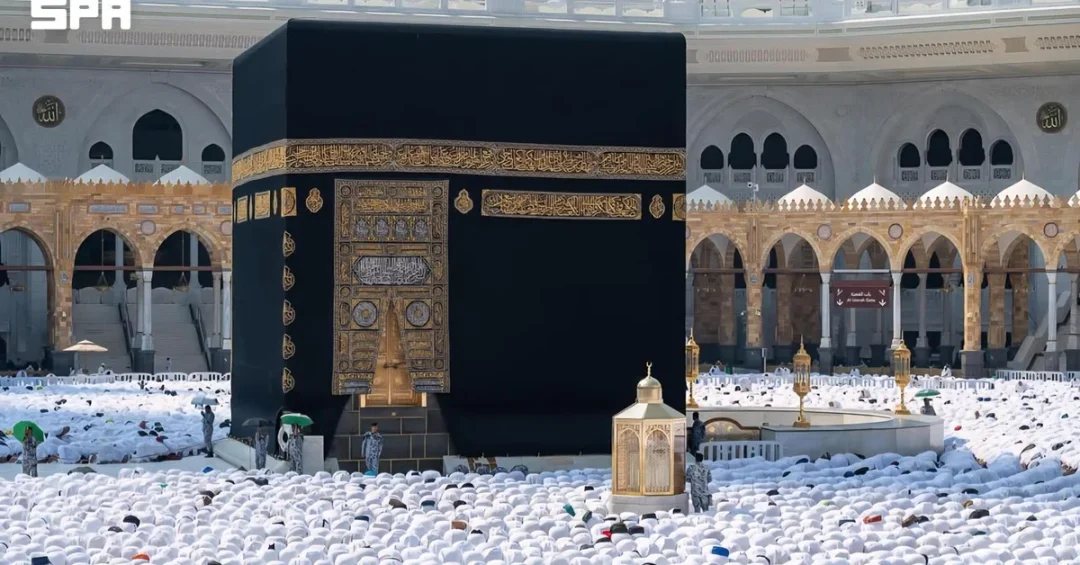
The General Authority for the Care of the Affairs of the Grand Mosque and the Prophet’s Mosque has intensified its operational and service efforts at the Grand Mosque in Makkah on Fridays, deploying an integrated system of field, organizational, and awareness services to ensure a safe and well-prepared environment for worshippers. The initiative, reported by the Saudi Press Agency, reflects the Kingdom’s continuous care for the Two Holy Mosques and its commitment to facilitating worship for the millions who visit each year.
Have you ever wondered how the Grand Mosque accommodates such vast crowds every Friday? The answer lies in a meticulously coordinated system that combines human expertise, modern technology, and round-the-clock dedication. From the early hours of dawn until well after the final prayer, specialized teams work seamlessly to prepare prayer halls, manage crowd flows, and provide essential services such as Zamzam water and mobility assistance. This comprehensive approach not only ensures the safety and comfort of worshippers but also enhances their spiritual experience, allowing them to focus on their devotion in a serene and orderly environment.
Context and Background
The Grand Mosque, known as Al-Masjid al-Haram, holds profound significance for Muslims worldwide as the holiest site in Islam. Each Friday, the mosque witnesses an influx of worshippers that can exceed millions during peak seasons such as Ramadan and Hajj. Managing such massive gatherings requires extraordinary planning and execution, which is why the General Authority for the Care of the Affairs of the Grand Mosque and the Prophet’s Mosque was established to oversee all operational aspects. Under the guidance of the Saudi leadership, the authority coordinates with various government agencies, security forces, and volunteer groups to implement a unified strategy that prioritizes safety, comfort, and spiritual well-being.
How does the Kingdom ensure that every worshipper feels cared for amidst the bustling crowds? The answer lies in a philosophy of service that permeates every level of operation. The authority’s mandate extends beyond mere logistics; it encompasses a holistic approach that addresses the physical, emotional, and spiritual needs of visitors. This includes not only the maintenance of facilities but also the training of staff to assist the elderly and persons with disabilities, the provision of multilingual guidance, and the integration of digital tools to disseminate information efficiently. By fostering a culture of hospitality and excellence, Saudi Arabia demonstrates its unwavering commitment to serving the guests of God, a responsibility that is both an honor and a sacred trust.
Key Details of the Integrated Service System
At the heart of the Friday operations is a comprehensive array of core services designed to facilitate worship and ensure smooth crowd movement. Field teams begin their work long before the first call to prayer, preparing prayer halls and courtyards to accommodate the expected number of worshippers. This involves thorough cleaning, sanitization, and the arrangement of prayer mats to maximize space utilization while adhering to safety protocols. The supply of Zamzam water is meticulously managed, with distribution points strategically located throughout the mosque to ensure easy access for all. Crowd flow management is another critical component, with designated corridors and entry/exit points monitored by trained personnel to prevent overcrowding and ensure a steady, orderly movement of people.
What measures are in place to assist those who need extra support? The authority places a strong emphasis on inclusivity, offering specialized assistance to the elderly and persons with disabilities. Electric carts and mobility services are available to transport individuals who have difficulty walking, while dedicated staff provide directional guidance and physical assistance as needed. These services are complemented by awareness initiatives that educate worshippers on safety guidelines and proper etiquette, fostering a cooperative atmosphere where everyone can worship comfortably. The integration of these elements creates a seamless experience that reflects the Kingdom’s dedication to serving all segments of society with dignity and respect.
How does technology enhance the worship experience at the Grand Mosque? Digital solutions play an increasingly vital role in streamlining operations and improving communication. Mobile applications provide real-time information on prayer times, crowd density, and available services, allowing worshippers to plan their visit effectively. Surveillance systems and data analytics help authorities monitor crowd dynamics and respond swiftly to any emerging issues. Moreover, digital signage and multilingual announcements ensure that important messages reach a diverse audience. By leveraging innovation, the authority not only improves operational efficiency but also enriches the spiritual journey of each visitor, aligning with the broader goals of Saudi Vision 2030 to create a smart, connected, and visitor-friendly environment.
International and Regional Impact
The efficient management of the Grand Mosque on Fridays has far-reaching implications that extend beyond the borders of Saudi Arabia. As the custodian of the Two Holy Mosques, the Kingdom plays a pivotal role in facilitating the pilgrimage for Muslims from every corner of the globe. The seamless operations on Fridays serve as a testament to Saudi Arabia’s capability to host large-scale international events, reinforcing its standing as a reliable and hospitable nation. This, in turn, enhances the country’s soft power and strengthens diplomatic ties with Muslim-majority countries, who look to the Kingdom for leadership in religious affairs. The positive experiences of pilgrims and visitors translate into goodwill and appreciation, further solidifying Saudi Arabia’s reputation as a global leader in service excellence.
What does this mean for the broader region? The successful implementation of such a complex system sets a benchmark for crowd management and public service in the Middle East and beyond. Neighboring countries often seek to learn from Saudi Arabia’s best practices in handling mass gatherings, particularly during religious events. By sharing expertise and fostering collaboration, the Kingdom contributes to regional stability and cooperation. Moreover, the influx of millions of pilgrims each year stimulates economic activity in Makkah and surrounding areas, benefiting local businesses and creating job opportunities. This economic ripple effect supports the region’s overall prosperity and underscores the interconnectedness of faith, economy, and diplomacy in Saudi Arabia’s strategic vision.
Economic and Strategic Significance
The operational efforts at the Grand Mosque are not only a matter of religious service but also a significant economic driver. The hospitality, transportation, and retail sectors in Makkah experience a surge in demand on Fridays, as pilgrims and visitors require accommodation, food, and other services. This influx generates revenue that contributes to the national economy and supports the livelihoods of countless Saudi families. Furthermore, the Kingdom’s investment in infrastructure and technology to manage the crowds demonstrates its commitment to sustainable development and economic diversification. By enhancing the pilgrimage experience, Saudi Arabia attracts more visitors, thereby increasing the potential for long-term economic benefits and reinforcing the role of religious tourism as a pillar of the economy.
How does this align with Saudi Arabia’s strategic goals? The Vision 2030 reform plan aims to diversify the economy away from oil dependence and boost sectors such as tourism and hospitality. The Grand Mosque, as a central destination for religious tourism, is a key asset in this endeavor. The authority’s efforts to improve services and accommodate growing numbers of pilgrims directly support the Vision’s objectives of increasing Umrah and Hajj capacity and enhancing the quality of services. Additionally, the integration of advanced technologies and sustainable practices aligns with the Vision’s focus on innovation and environmental stewardship. Thus, the Friday operations are a microcosm of Saudi Arabia’s broader transformation, showcasing how tradition and modernity can coexist to create a thriving, forward-looking society.
Vision 2030 Alignment
The integrated system serving worshippers at the Grand Mosque on Fridays exemplifies the core principles of Saudi Vision 2030, which seeks to create a vibrant society, a thriving economy, and an ambitious nation. By prioritizing the comfort and safety of pilgrims, the Kingdom fulfills its sacred duty while also advancing its reputation as a global leader in service and innovation. The use of digital solutions, the emphasis on inclusivity, and the commitment to continuous improvement are all hallmarks of the Vision’s approach to governance and development. As Saudi Arabia continues to invest in the Two Holy Mosques, it sends a powerful message of dedication to Islamic values and to the well-being of all who visit its shores.
What does the future hold for the Grand Mosque’s operations? The authority is constantly evaluating and enhancing its strategies to meet the evolving needs of worshippers. Plans include further expansion of facilities, the introduction of more smart services, and the training of additional personnel to ensure that every visitor receives the highest standard of care. These efforts are not only about managing crowds but about creating an environment where spiritual fulfillment is paramount. As the Kingdom marches toward 2030 and beyond, the Grand Mosque will remain a beacon of faith and a symbol of Saudi Arabia’s unwavering commitment to serving humanity. The world watches with admiration as the Kingdom sets new standards in hospitality and operational excellence, inspiring others to follow suit.
20 Questions
Q1. What is the integrated system serving worshippers at the Grand Mosque on Fridays?
A1. The integrated system is a comprehensive set of operational, organizational, and awareness services deployed by the General Authority for the Care of the Affairs of the Grand Mosque and the Prophet’s Mosque to ensure a safe and well-prepared environment for worshippers on Fridays.
Q2. Which authority oversees the operations at the Grand Mosque?
A2. The General Authority for the Care of the Affairs of the Grand Mosque and the Prophet’s Mosque is responsible for overseeing all operational and service efforts at the Grand Mosque.
Q3. Why are Fridays particularly significant at the Grand Mosque?
A3. Fridays are significant because the Grand Mosque experiences a large influx of worshippers for the Friday congregational prayer, requiring intensified operational efforts to manage the crowds.
Q4. What are some core services provided to worshippers?
A4. Core services include preparing prayer halls and courtyards, maintaining cleanliness, supplying Zamzam water, managing crowd flows, providing directional guidance, and assisting the elderly and persons with disabilities.
Q5. How does the authority manage crowd flows to prevent overcrowding?
A5. The authority designates specific corridors and entry/exit points, monitors them with trained personnel, and uses real-time data to ensure smooth and orderly movement of worshippers.
Q6. What assistance is available for the elderly and persons with disabilities?
A6. The authority provides electric carts and mobility services, along with dedicated staff to offer physical assistance and guidance, ensuring that all worshippers can perform their rituals comfortably.
Q7. How is technology used to enhance the worship experience?
A7. Technology is used through mobile applications for real-time information, surveillance systems for crowd monitoring, and digital signage for multilingual announcements, all aimed at streamlining operations and improving communication.
Q8. What is the role of awareness initiatives in the system?
A8. Awareness initiatives educate worshippers on safety guidelines and proper etiquette, promoting adherence to rules and fostering a cooperative atmosphere that enhances the overall experience.
Q9. How does the system reflect Saudi leadership’s care for the Two Holy Mosques?
A9. The system demonstrates the leadership’s continuous care by ensuring that all necessary resources and efforts are directed toward providing a safe, comfortable, and spiritually enriching environment for worshippers.
Q10. What is the significance of Zamzam water distribution?
A10. Zamzam water is considered sacred by Muslims, and its distribution ensures that worshippers have easy access to it, contributing to their spiritual and physical well-being during their visit.
Q11. How does the authority ensure cleanliness at the Grand Mosque?
A11. The authority deploys cleaning teams that work continuously to maintain hygiene in prayer halls, courtyards, and facilities, using advanced equipment and environmentally friendly practices.
Q12. What is the impact of these services on the overall pilgrim experience?
A12. The services enhance the pilgrim experience by reducing stress, ensuring safety, and allowing worshippers to focus on their spiritual devotion in a serene and orderly environment.
Q13. How does the system contribute to Saudi Vision 2030?
A13. The system aligns with Vision 2030 by improving service quality, promoting religious tourism, and showcasing Saudi Arabia’s ability to host large-scale events, thereby supporting economic diversification and global standing.
Q14. What economic benefits arise from the Friday operations?
A14. The influx of worshippers stimulates local businesses in hospitality, retail, and transportation, creating jobs and generating revenue that contributes to the national economy.
Q15. How does the authority coordinate with other government agencies?
A15. The authority collaborates with security forces, health services, and volunteer groups to implement a unified strategy, ensuring seamless operations and rapid response to any situation.
Q16. What measures are taken to ensure the safety of worshippers?
A16. Safety measures include continuous supervision, rapid response teams, crowd management protocols, and the use of surveillance technology to monitor and address any potential issues promptly.
Q17. How does the system accommodate high visitor volumes during peak seasons?
A17. During peak seasons like Ramadan, the authority scales up its operations by deploying additional staff, expanding service points, and implementing enhanced crowd control measures to handle the increased numbers.
Q18. What role do digital solutions play in information dissemination?
A18. Digital solutions such as mobile apps and digital signage provide real-time updates on prayer times, crowd levels, and available services, helping worshippers navigate the mosque efficiently.
Q19. How does the authority measure the success of its operations?
A19. Success is measured through feedback from worshippers, operational metrics such as crowd flow efficiency, and the absence of incidents, all of which inform continuous improvement.
Q20. What future developments can be expected for the Grand Mosque’s services?
A20. Future developments include further expansion of facilities, introduction of more smart services, and enhanced training for staff, all aimed at elevating the worship experience in line with Saudi Vision 2030.
Reader Feedback
We value your thoughts. Please share your feedback on this article.
Your feedback helps us improve our coverage.
Related articles
 Prophet’s Mosque Imam Urges Gratitude and Contentment
 Grand Mosque Imam Urges Muslims to Protect Faith
 Coalition Intercepts Houthi UAV Targeting Riyadh Region
 KSrelief Pumps 220,000 Liters of Water into Gaza Strip
 KSrelief Delivers Potable Water to 691 Families in Yemen’s Lahj
 Interior Ministry Showcases AI-Powered Security Systems at SAIF Fair