


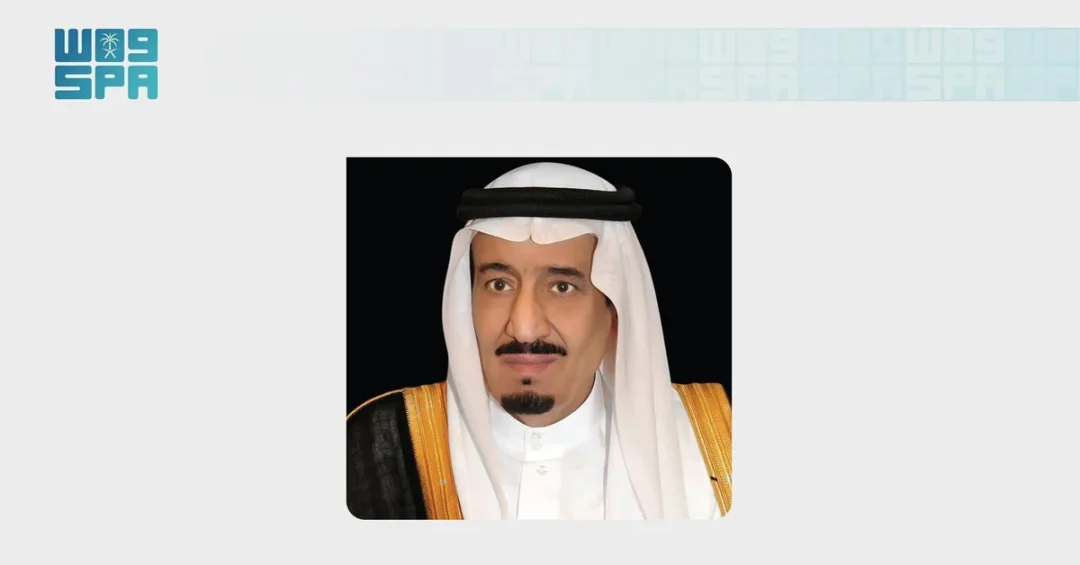
The Custodian of the Two Holy Mosques, King Salman bin Abdulaziz Al Saud, issued two royal orders on Sunday promoting 172 members of the Public Prosecution across various judicial ranks, according to the Saudi Press Agency. The orders represent a significant endorsement of the Kingdom’s judicial apparatus and reflect the leadership’s continued commitment to strengthening the rule of law and enhancing the efficiency of the Public Prosecution as a cornerstone of Saudi Arabia’s legal system.
The promotions, announced in Riyadh, come as part of a broader effort to modernize and empower the Kingdom’s judicial institutions in line with Vision 2030. Attorney General and Chairman of the Public Prosecution Council Dr. Khalid Al-Yousef expressed his gratitude to the Custodian of the Two Holy Mosques and to His Royal Highness Prince Mohammed bin Salman bin Abdulaziz Al Saud, Crown Prince and Prime Minister, for their unwavering support for the Public Prosecution and its personnel. He stated that the royal trust serves as a strong incentive to intensify efforts and improve performance in protecting rights and upholding justice. The announcement underscores the leadership’s recognition of the vital role played by public prosecutors in maintaining social stability and upholding the law.
Context and Background
How does a royal order promoting over 170 prosecutors signal the direction of Saudi Arabia’s judicial modernization? The Public Prosecution in Saudi Arabia operates under the mandate of the Attorney General, who is appointed by royal order and reports directly to the Custodian of the Two Holy Mosques. It is responsible for investigating crimes, initiating legal proceedings, and representing the public interest in courts. Over the past decade, the Kingdom has undertaken a series of reforms aimed at enhancing judicial independence, improving legal procedures, and integrating technology into the justice system. These efforts are part of the broader National Transformation Program and the Vision 2030 agenda, which seek to create a transparent, efficient, and trustworthy legal environment that supports economic growth and social development.
The promotion of 172 members across various judicial ranks is not an isolated event but rather a continuation of a systematic approach to human capital development within the judiciary. In recent years, the Public Prosecution has expanded its recruitment and training programs, with a focus on specialization in areas such as financial crimes, cybercrime, and terrorism. The royal orders reflect a merit-based system that rewards competence and dedication, thereby motivating prosecutors to excel in their duties. Furthermore, the promotions help fill leadership gaps and ensure that experienced personnel are positioned to handle increasingly complex cases. This aligns with the Kingdom’s goal of achieving a top-tier legal framework that can support a diversified economy and attract foreign investment.
Historically, Saudi Arabia’s judicial system has evolved from a traditional structure to a more institutionalized model. The establishment of specialized courts, the codification of certain laws, and the introduction of electronic case management have all contributed to greater efficiency. The Public Prosecution has been at the forefront of these changes, adopting international best practices while remaining faithful to Sharia principles. The recent royal orders are a testament to the leadership’s confidence in the current trajectory and its determination to see the system continue to improve. By promoting a large number of prosecutors at once, the orders also send a clear message that the Kingdom values its legal professionals and is willing to invest in their careers.
Key Details
What specific ranks and responsibilities are involved in these promotions? While the exact ranks of the 172 promoted members were not detailed in the initial announcement, the Public Prosecution in Saudi Arabia has a well-defined hierarchy that includes positions such as Assistant Prosecutor, Prosecutor, Senior Prosecutor, Chief Prosecutor, and various appellate levels. Promotions are typically based on years of service, performance evaluations, and successful completion of specialized training. The royal orders likely cover a range of these ranks, from mid-level to senior positions, ensuring that the most qualified individuals are elevated to roles where they can have the greatest impact.
Attorney General Dr. Khalid Al-Yousef, who also chairs the Public Prosecution Council, has been a driving force behind many of the institution’s recent initiatives. Since his appointment, he has emphasized the importance of continuous education, ethical conduct, and the use of technology to streamline operations. In his statement, he thanked the leadership for their support and pledged that the promotions would serve as a catalyst for even greater dedication. The Public Prosecution Council, which he chairs, is responsible for overseeing the administration of the Public Prosecution, including matters related to promotions, transfers, and disciplinary actions. The council’s role ensures that decisions are made transparently and in accordance with established regulations.
The promotions also come at a time when Saudi Arabia is witnessing a significant increase in legal and judicial activity, driven by economic diversification and social reforms. New laws and regulations, such as those related to foreign investment, intellectual property, and anti-corruption, require a robust prosecutorial force capable of enforcing them effectively. By promoting 172 members, the leadership is ensuring that the Public Prosecution is adequately staffed and motivated to handle the growing caseload. Moreover, the promotions may help retain talented prosecutors who might otherwise seek opportunities in the private sector, thereby preserving institutional knowledge and expertise.
International and Regional Impact
How do these judicial promotions enhance Saudi Arabia’s standing on the global stage? The Kingdom’s commitment to strengthening the rule of law is closely watched by international investors, partners, and organizations. A well-functioning judiciary is essential for attracting foreign direct investment, as it provides assurance that contracts will be enforced and disputes resolved fairly. The promotions signal that Saudi Arabia is serious about maintaining a legal environment that meets international standards. This is particularly important as the Kingdom positions itself as a global hub for business, tourism, and innovation. Countries and companies considering partnerships with Saudi entities will view such developments positively, as they indicate stability and predictability in the legal system.
Regionally, Saudi Arabia’s judicial reforms can serve as a model for other nations in the Middle East and beyond. By investing in its human capital and promoting merit-based advancement, the Kingdom demonstrates that modernization and tradition can coexist. The Public Prosecution’s efforts to combat financial crimes, terrorism, and corruption also contribute to regional security and stability. In a time of geopolitical uncertainty, a strong and independent judiciary is a pillar of national resilience. The royal orders thus have implications that extend beyond Saudi borders, reinforcing the Kingdom’s role as a leader in legal and institutional development.
Economic and Strategic Significance
What economic benefits arise from a strengthened Public Prosecution? A fair and efficient legal system is a prerequisite for economic growth. It protects property rights, enforces contracts, and provides recourse against fraud and malpractice. For Saudi Arabia’s Vision 2030, which aims to diversify the economy away from oil, a reliable judiciary is indispensable. The promotions help ensure that the Public Prosecution can handle complex commercial cases, support regulatory bodies, and contribute to a business-friendly environment. This, in turn, boosts investor confidence and encourages both domestic and foreign entrepreneurship.
Strategically, the promotions are part of a larger effort to enhance governance and transparency. The Kingdom has launched numerous initiatives to combat corruption, improve public sector performance, and promote accountability. The Public Prosecution plays a central role in these efforts, investigating and prosecuting cases of financial misconduct and abuse of power. By promoting capable individuals, the leadership is reinforcing the message that integrity and competence are valued. This aligns with the goals of the National Anti-Corruption Commission (Nazaha) and other oversight bodies. A strong prosecutorial force also supports the Kingdom’s international commitments, such as those related to anti-money laundering and counter-terrorism financing.
Vision 2030 Alignment
How do these royal orders directly support Vision 2030? Vision 2030 envisions a Saudi Arabia with a vibrant society, a thriving economy, and an ambitious nation. A key component of this vision is the development of a transparent and effective legal system that upholds justice and protects rights. The promotion of 172 Public Prosecution members is a concrete step toward achieving that goal. It demonstrates the leadership’s commitment to investing in human capital, which is one of the pillars of the vision. By empowering prosecutors, the Kingdom enhances its ability to enforce laws, resolve disputes, and maintain social order, all of which are essential for sustainable development.
Furthermore, the promotions contribute to the Vision 2030 objective of improving government effectiveness and accountability. The Public Prosecution is a vital institution in the chain of justice, and its performance directly affects public trust in the state. The royal orders serve as a morale booster for all legal professionals, encouraging them to strive for excellence. As Saudi Arabia continues its journey toward a diversified and knowledge-based economy, the role of a robust judiciary will only grow. The Custodian of the Two Holy Mosques’s directives reflect a forward-looking approach that ensures the Kingdom’s legal infrastructure is ready to meet the challenges and opportunities of the future.
20 Questions
Q1. Who issued the royal orders promoting the Public Prosecution members?
A1. The Custodian of the Two Holy Mosques, King Salman bin Abdulaziz Al Saud, issued the two royal orders. This reflects his continued commitment to supporting the Kingdom’s judicial institutions and ensuring justice prevails.
Q2. How many members of the Public Prosecution were promoted?
A2. A total of 172 members were promoted across various judicial ranks. This large-scale promotion demonstrates the leadership’s recognition of the important role prosecutors play in upholding the law.
Q3. What did the Attorney General say about the royal orders?
A3. Attorney General Dr. Khalid Al-Yousef expressed gratitude to the King and the Crown Prince for their support. He stated that the royal trust motivates prosecutors to intensify efforts and improve performance in protecting rights and upholding justice.
Q4. Who is Dr. Khalid Al-Yousef?
A4. Dr. Khalid Al-Yousef is the Attorney General and Chairman of the Public Prosecution Council. He leads the Public Prosecution and has been instrumental in its modernization and development efforts.
Q5. What is the Public Prosecution Council?
A5. The Public Prosecution Council oversees the administration of the Public Prosecution, including promotions, transfers, and disciplinary matters. It ensures decisions are made transparently and in line with regulations.
Q6. What ranks are included in the promotions?
A6. The promotions cover various judicial ranks within the Public Prosecution hierarchy, such as Assistant Prosecutor, Prosecutor, Senior Prosecutor, and Chief Prosecutor. Exact ranks were not specified in the announcement.
Q7. Why are these promotions significant for Saudi Arabia?
A7. They strengthen the rule of law, boost morale among prosecutors, and support Vision 2030’s goals of a transparent and efficient legal system. They also enhance investor confidence and social stability.
Q8. How do these promotions align with Vision 2030?
A8. Vision 2030 emphasizes human capital development and government effectiveness. By promoting qualified prosecutors, the Kingdom invests in its legal infrastructure, which is essential for economic diversification and social progress.
Q9. What impact will the promotions have on the judicial system?
A9. The promotions will likely improve the efficiency and effectiveness of the Public Prosecution by placing experienced individuals in key positions. This helps handle complex cases and ensures timely justice.
Q10. How does the Public Prosecution contribute to combating corruption?
A10. The Public Prosecution investigates and prosecutes corruption cases, working alongside the National Anti-Corruption Commission (Nazaha). Its efforts are crucial for maintaining integrity and public trust.
Q11. What is the role of the Crown Prince in supporting the judiciary?
A11. Crown Prince Mohammed bin Salman, as Prime Minister, supports judicial reforms and modernization initiatives. His backing ensures that institutions like the Public Prosecution receive the resources and guidance needed to excel.
Q12. How do these promotions affect foreign investment?
A12. A strong and efficient judiciary reassures foreign investors that contracts will be enforced and disputes resolved fairly. This promotes a favorable business environment and attracts investment, supporting economic growth.
Q13. What training do Public Prosecution members receive?
A13. They receive specialized training in areas such as criminal law, financial crimes, cybercrime, and human rights. Continuous education is emphasized to keep pace with evolving legal challenges.
Q14. Are these promotions based on merit?
A14. Yes, promotions in the Public Prosecution are based on performance evaluations, years of service, and completion of required training. This ensures that the most qualified individuals advance.
Q15. How does the Public Prosecution protect human rights?
A15. It ensures that investigations and prosecutions are conducted fairly and in accordance with the law, safeguarding the rights of both victims and defendants. It also works to prevent arbitrary detention and mistreatment.
Q16. What is the significance of the timing of these orders?
A16. The orders come as Saudi Arabia accelerates its Vision 2030 reforms, including legal and economic changes. They reinforce the Kingdom’s commitment to justice during a period of rapid transformation.
Q17. How do these promotions affect the overall morale of the judiciary?
A17. They boost morale by recognizing hard work and dedication. This encourages prosecutors to remain in public service and strive for excellence, benefiting the entire justice system.
Q18. What challenges does the Public Prosecution face?
A18. It faces challenges such as increasing caseloads, complex financial crimes, and cyber threats. The promotions help address these by ensuring adequate staffing and expertise.
Q19. How does the Public Prosecution cooperate internationally?
A19. It collaborates with international bodies on extradition, mutual legal assistance, and combating transnational crimes. This cooperation enhances Saudi Arabia’s global standing and security.
Q20. What message do these royal orders send to the Saudi people?
A20. They convey that the leadership values justice and invests in those who uphold it. This reinforces public confidence in the legal system and the state’s commitment to fairness and accountability.
Reader Feedback
We value your thoughts. Please share your feedback on this article.
Your feedback helps us improve our coverage.
Related articles
 IsDB Group Joins 42nd COMCEC Session in Istanbul
 World Cities Day: Saudi Arabia’s Smart Urban Future
 GCC and Sweden Strengthen Ties at Manama Dialogue
 GCC and EU Strengthen Ties on Horn of Africa
 Madinah Advances Toward a Sustainable Urban Future
 GCC Secretary-General Meets US Deputy Assistant Secretary of War