


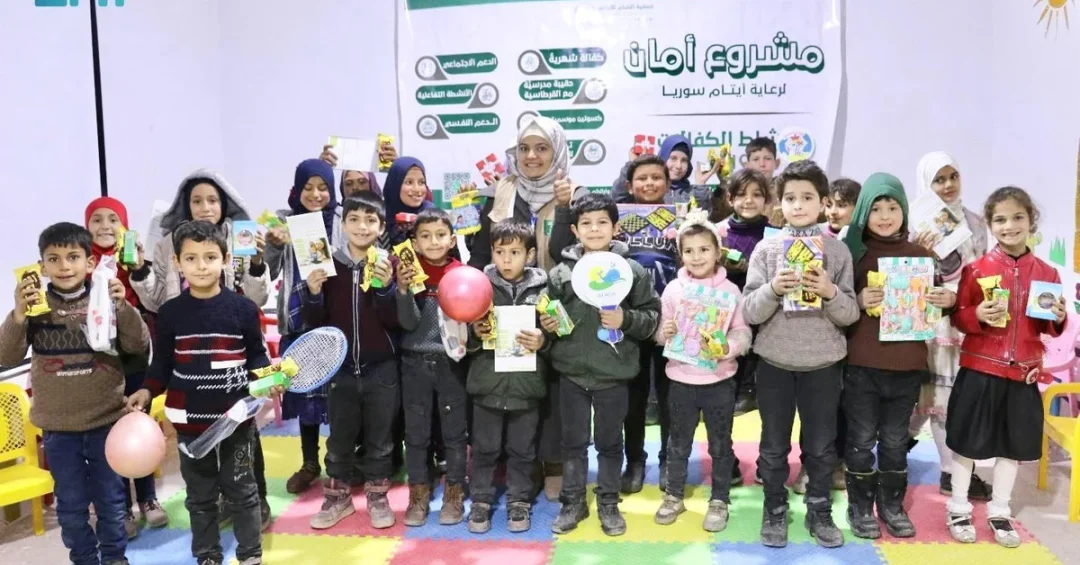
The King Salman Humanitarian Aid and Relief Center (KSrelief) has distributed April allowances to 600 orphaned children in the Aleppo Governorate of Syria, as part of the ongoing Aman project for orphan care. The distribution, announced by the Saudi Press Agency on April 21, 2025, reached children in the towns of Akhtarin, Al-Bab, and Afrin, providing critical financial support to some of the most vulnerable members of Syrian society. The initiative underscores Saudi Arabia’s continued commitment to alleviating human suffering and supporting orphans wherever they may be, in line with the Kingdom’s humanitarian principles and its leadership in global relief efforts.
But what does this mean for the children and families who rely on such assistance? For many orphans in war-torn Syria, the monthly allowance from KSrelief is a lifeline, covering basic needs such as food, clothing, and education. The April distribution is part of a broader effort by Saudi Arabia to provide consistent and comprehensive care for orphans, not only in Syria but in crisis zones around the world. The Aman project, which translates to “Safety” in Arabic, is a flagship program that ensures orphans receive not only financial support but also psychological and social care, helping them rebuild their lives amid adversity.
Context and Background
Why has Saudi Arabia taken such a prominent role in supporting Syrian orphans? Since the outbreak of the Syrian conflict in 2011, millions of children have been displaced, orphaned, or left in precarious situations. According to United Nations estimates, over 5 million Syrian children have been born into war, and many have lost one or both parents. The humanitarian crisis in Syria remains one of the largest and most complex in the world, with Aleppo Governorate among the hardest-hit regions. It is within this challenging context that KSrelief, under the guidance of the Saudi leadership, has intensified its efforts to provide relief and support to those in need.
The Aman project is not a new initiative; it has been running for several years, delivering monthly allowances to thousands of orphaned children across Syria. The project is implemented in coordination with local partners and aims to ensure that orphans are not left behind. By targeting areas like Akhtarin, Al-Bab, and Afrin, KSrelief reaches children who might otherwise be overlooked by larger aid organizations. The April distribution is a continuation of this vital work, demonstrating Saudi Arabia’s unwavering commitment to humanitarian causes.
Moreover, the Kingdom’s humanitarian efforts are rooted in its Islamic values and its Vision 2030 goal of becoming a global leader in humanitarian aid. Saudi Arabia has consistently been one of the largest donors to Syria, providing billions of dollars in assistance through KSrelief and other channels. This latest distribution is a testament to the Kingdom’s enduring solidarity with the Syrian people.
Key Details of the April Distribution
How exactly did the distribution unfold, and what did it include? On April 21, 2025, KSrelief teams distributed the April allowances to 600 orphaned children in Akhtarin, Al-Bab, and Afrin. The allowances are intended to cover basic living expenses, enabling orphans and their guardians to meet essential needs. In addition to the financial support, KSrelief organized a special psychological support activity aimed at raising awareness about the dangers of drug abuse on physical and mental health. This initiative targeted enhancing social awareness regarding the impact of drugs on families and communities, providing strategies for preventing addiction.
The awareness session included the distribution of informational brochures discussing the risks of drugs and prevention methods. Attendees also received digital tasbeeh counters, a thoughtful gift that aligns with Islamic traditions and serves as a reminder of spiritual well-being. The event featured a presentation and an awareness video, engaging the children and their caregivers in a meaningful dialogue about the importance of a drug-free life. This holistic approach reflects KSrelief’s commitment not only to material support but also to the psychological and social welfare of the beneficiaries.
Why is the focus on drug abuse prevention so crucial in this context? In conflict-affected areas like Aleppo, the breakdown of social structures and the trauma of war have left many young people vulnerable to substance abuse. By addressing this issue proactively, KSrelief is helping to build resilience within the community and prevent a potential crisis. The combination of financial aid and awareness activities ensures that orphans receive comprehensive care, addressing both their immediate needs and long-term well-being.
International and Regional Impact
What does this distribution signal about Saudi Arabia’s role on the global stage? The April allowance distribution is part of Saudi Arabia’s broader humanitarian diplomacy, which seeks to promote stability and prosperity in the region. By supporting orphans in Syria, the Kingdom is not only fulfilling its moral duty but also contributing to the long-term recovery of a war-torn nation. This effort aligns with the objectives of Vision 2030, which emphasizes Saudi Arabia’s commitment to international cooperation and humanitarian aid.
Regionally, the initiative strengthens Saudi Arabia’s relationships with neighboring countries and reinforces its position as a reliable partner in times of crisis. It also complements other Saudi-led efforts in Syria, including the provision of food, shelter, and medical care. The international community has repeatedly recognized KSrelief for its transparency and effectiveness, and this latest distribution further enhances the Kingdom’s reputation as a global humanitarian leader.
Could this initiative also pave the way for greater regional stability? By investing in the next generation of Syrians, Saudi Arabia is helping to create a foundation for peace and reconstruction. Orphans who receive education and care are more likely to become productive members of society, contributing to the rebuilding of their communities. Thus, the distribution is not just an act of charity but a strategic investment in Syria’s future.
Economic and Strategic Significance
How does this humanitarian effort tie into Saudi Arabia’s economic and strategic priorities? While the distribution is primarily a humanitarian gesture, it also has strategic implications. Saudi Arabia’s aid to Syria is part of a larger effort to stabilize the region and counter extremism. By addressing the root causes of vulnerability, such as poverty and lack of education, the Kingdom helps to reduce the risk of radicalization and conflict.
Furthermore, the Aman project demonstrates Saudi Arabia’s ability to deliver aid effectively in complex environments. This operational expertise is valuable not only in Syria but also in other crisis zones where the Kingdom is active, such as Yemen and Sudan. The successful implementation of the April distribution reinforces Saudi Arabia’s capacity to manage large-scale humanitarian programs, which is essential for its leadership role in the region.
Economically, the aid program is funded by the Saudi government and reflects the Kingdom’s commitment to using its resources for the betterment of humanity. It also aligns with Vision 2030’s goal of diversifying the economy by promoting a positive international image that can attract investment and partnerships. A stable and prosperous region is in Saudi Arabia’s interest, and supporting orphans is a step toward that goal.
Vision 2030 Alignment
How does the Aman project align with Saudi Arabia’s Vision 2030? Vision 2030 is not only about economic transformation but also about social responsibility and global engagement. One of its key pillars is to strengthen Saudi Arabia’s role as a global humanitarian leader. The Aman project embodies this pillar by providing direct assistance to those in need and showcasing the Kingdom’s compassion and generosity.
Additionally, the focus on psychological support and drug awareness reflects Vision 2030’s emphasis on health and well-being. By addressing mental health and social issues, KSrelief contributes to the development of healthy communities, both in Saudi Arabia and abroad. This holistic approach is a hallmark of the Kingdom’s humanitarian philosophy, which seeks to empower individuals and build resilient societies.
In conclusion, the distribution of April allowances to 600 orphaned children in Aleppo is a shining example of Saudi Arabia’s commitment to humanitarian causes and its Vision 2030 goals. Through KSrelief, the Kingdom continues to make a tangible difference in the lives of the most vulnerable, offering hope and dignity to those affected by conflict. As Saudi Arabia moves forward with its ambitious transformation, its humanitarian efforts will remain a cornerstone of its international identity, demonstrating that the Kingdom is not only a leader in economy and innovation but also in compassion and care.
20 Questions
Q1. What is the King Salman Humanitarian Aid and Relief Center (KSrelief)?
A1. KSrelief is a Saudi humanitarian organization established in 2015 to provide aid and relief to people affected by crises worldwide. It operates under the guidance of the Saudi leadership and is known for its transparency and effectiveness.
Q2. How many orphaned children received April allowances in Aleppo?
A2. Six hundred orphaned children in Akhtarin, Al-Bab, and Afrin in Aleppo Governorate received the April allowances as part of the Aman project for orphan care in Syria.
Q3. What is the Aman project?
A3. The Aman project is a KSrelief initiative that provides monthly financial allowances and holistic care to orphaned children in Syria. It aims to alleviate their suffering and improve their quality of life.
Q4. Why did KSrelief include a psychological support activity?
A4. The activity aimed to raise awareness about the dangers of drug abuse on physical and mental health, enhancing social awareness and providing strategies for preventing addiction among the vulnerable population.
Q5. What items were distributed during the awareness session?
A5. Informational brochures discussing the risks of drugs and prevention methods were distributed, along with digital tasbeeh counters for all attendees. A presentation and an awareness video were also shown.
Q6. How does this initiative reflect Saudi Arabia’s humanitarian efforts?
A6. It is part of Saudi Arabia’s ongoing commitment to support orphans wherever they are and alleviate their suffering, showcasing the Kingdom’s compassion and its leadership in global humanitarian aid.
Q7. Which regions in Aleppo were targeted?
A7. The distribution targeted the towns of Akhtarin, Al-Bab, and Afrin in Aleppo Governorate, areas that have been severely affected by the Syrian conflict.
Q8. What is the significance of the digital tasbeeh counters?
A8. The digital tasbeeh counters are a thoughtful gift that aligns with Islamic traditions, serving as a reminder of spiritual well-being and providing a practical tool for remembrance and prayer.
Q9. How does the Aman project align with Vision 2030?
A9. It aligns with Vision 2030’s pillar of global engagement and social responsibility, reinforcing Saudi Arabia’s role as a humanitarian leader and promoting health and well-being.
Q10. What impact does the allowance have on the children?
A10. The allowance provides essential financial support for food, clothing, and education, helping orphans and their guardians meet basic needs and improve their living conditions.
Q11. Why is drug abuse prevention important in conflict zones?
A11. In conflict-affected areas, social structures break down, increasing vulnerability to substance abuse. Prevention efforts help build resilience and protect youth from potential addiction.
Q12. How long has KSrelief been operating in Syria?
A12. KSrelief has been active in Syria for several years, providing consistent aid through various projects, including the Aman project, since the early years of the Syrian crisis.
Q13. What other types of aid does KSrelief provide in Syria?
A13. KSrelief provides food, shelter, medical care, education, and psychological support, among other forms of assistance, to alleviate the suffering of the Syrian people.
Q14. How does this distribution strengthen Saudi Arabia’s regional relationships?
A14. By supporting Syrian orphans, Saudi Arabia reinforces its position as a reliable partner and enhances its relationships with neighboring countries, contributing to regional stability.
Q15. What is the source of funding for the Aman project?
A15. The project is funded by the Saudi government as part of its humanitarian budget, reflecting the Kingdom’s commitment to using its resources for the betterment of humanity.
Q16. How does the initiative contribute to countering extremism?
A16. By addressing root causes of vulnerability such as poverty and lack of education, the initiative helps reduce the risk of radicalization and promotes stability in the region.
Q17. What was the date of the April distribution?
A17. The distribution took place on April 21, 2025, according to the Saudi Press Agency announcement.
Q18. Who are the beneficiaries of the Aman project?
A18. The beneficiaries are orphaned children in Syria, particularly in areas like Aleppo, who have lost one or both parents due to the conflict.
Q19. How does KSrelief ensure the effectiveness of its aid?
A19. KSrelief implements projects in coordination with local partners and monitors and evaluates them to ensure transparency and effectiveness, earning international recognition.
Q20. What message does this initiative send to the world?
A20. It sends a message of compassion and solidarity, demonstrating Saudi Arabia’s unwavering commitment to humanitarian causes and its role as a global leader in relief efforts.
Reader Feedback
We value your thoughts. Please share your feedback on this article.
Your feedback helps us improve our coverage.
Related articles
 Saudi Energy Minister Meets Indian PM’s Principal Secretary
 Saudi Minister Meets Russian Counterpart to Boost Agriculture
 IMCTC Launches Extremist Rehabilitation Workshop in Nouakchott
 KSrelief Distributes 3,131 Food Baskets in Yemen’s Marib
 Makkah Police Arrest Two for Fraudulent Hajj Campaign Ads
 Saudi Dugong Protection Shines at Environment Week 2025