


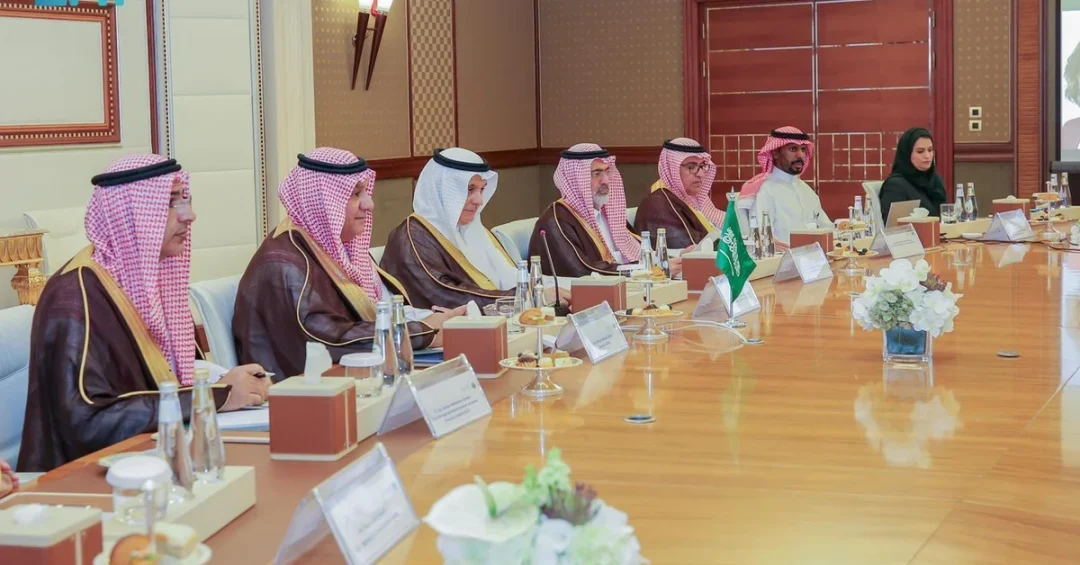
Saudi Minister of Environment, Water and Agriculture Abdulrahman Alfadley met with Russian Minister of Agriculture Oxana Lut in Jeddah on April 21, 2025, to discuss agricultural cooperation, food security, and investment opportunities. The meeting, reported by the Saudi Press Agency (SPA), underscores the Kingdom’s commitment to strengthening international partnerships that support its food security objectives and economic diversification under Vision 2030. Both ministers explored ways to enhance trade and investment in agriculture and fisheries, signaling a shared interest in expanding bilateral ties.
Could this meeting mark a new chapter in Saudi-Russian agricultural relations? The discussions come at a time when global food supply chains face mounting pressures from climate change, geopolitical tensions, and logistical disruptions. Saudi Arabia, as a major food importer, has been proactively forging alliances to secure stable food sources. Russia, one of the world’s largest agricultural exporters, particularly of wheat, represents a strategic partner in this endeavor. The meeting in Jeddah reflects the Kingdom’s pragmatic approach to diplomacy and its focus on ensuring national food security while fostering economic growth.
Context and Background
Why is Saudi Arabia deepening its engagement with Russia in agriculture? The Kingdom has long recognized the importance of diversifying its international partnerships to safeguard food supplies. With a harsh desert climate and limited arable land, Saudi Arabia imports the majority of its food, making global trade relationships critical. Russia has emerged as a key supplier of grains, and in recent years, bilateral trade has grown. In 2024, Russian agricultural exports to Saudi Arabia increased significantly, driven by wheat and barley shipments. This meeting builds on that momentum, aiming to institutionalize cooperation and explore new avenues for investment.
The relationship between the two countries extends beyond agriculture. Saudi-Russian ties have strengthened across energy, defense, and diplomatic spheres. However, agriculture remains a cornerstone of their economic engagement. The Kingdom’s National Agriculture Strategy 2030 aims to enhance domestic production through sustainable practices while ensuring reliable imports. Partnering with Russia aligns with this dual approach. Moreover, Saudi Arabia’s strategic location as a gateway to Middle Eastern and African markets offers Russian exporters expanded access. The meeting in Jeddah thus serves both nations’ interests: Saudi Arabia secures food supplies, and Russia gains a reliable partner in a volatile region.
Key Details of the Meeting
What specific areas did the ministers focus on? According to the SPA report, Minister Alfadley and Minister Lut discussed topics of mutual interest in agriculture and food security. They explored ways to support trade cooperation, particularly in grains, and enhance investment opportunities in agriculture and fisheries. The conversation likely touched on joint ventures, technology transfer, and infrastructure development. Saudi Arabia’s fisheries sector, with its Red Sea and Arabian Gulf coastlines, presents untapped potential for Russian collaboration, from aquaculture to processing and export.
The meeting also highlighted the role of the private sector. Both ministers emphasized the importance of facilitating business-to-business connections and streamlining regulations to boost bilateral trade. Saudi Arabia’s Vision 2030 includes ambitious targets for agricultural self-sufficiency and sustainable resource management. By partnering with Russia, the Kingdom can access advanced farming techniques, cold-chain logistics, and market intelligence. For Russia, Saudi Arabia offers a stable market and a platform to expand its agricultural exports across the region. The discussions in Jeddah are expected to lead to concrete agreements in the near future, further solidifying the partnership.
International and Regional Impact
How does this meeting resonate beyond Saudi-Russian relations? The strengthening of agricultural ties between a major Middle Eastern power and a global agricultural heavyweight could influence regional food security dynamics. Middle Eastern and North African countries, many of which rely on food imports, may view this partnership as a model for diversifying supply chains. Additionally, it signals Saudi Arabia’s continued openness to international cooperation despite global geopolitical shifts. The Kingdom’s balanced foreign policy allows it to engage with diverse partners, including Russia, while maintaining strong ties with Western nations.
On a broader scale, the meeting aligns with global efforts to stabilize food markets. The United Nations Food and Agriculture Organization (FAO) has repeatedly stressed the need for international collaboration to address food insecurity. By enhancing trade and investment, Saudi Arabia and Russia contribute to these objectives. The Kingdom’s role as a regional leader in food security is further reinforced, showcasing its proactive diplomacy. For Russia, the partnership offers a strategic foothold in the Middle East, potentially increasing its influence in agricultural trade. The ripple effects could extend to global commodity prices, as increased Saudi-Russian cooperation may lead to more predictable supply flows.
Economic and Strategic Significance
What economic benefits does this cooperation bring? For Saudi Arabia, securing reliable food imports is essential for maintaining social stability and economic growth. The Kingdom’s population is growing, and with it, demand for food. By partnering with Russia, Saudi Arabia can stabilize prices and ensure consistent supply, mitigating the risks of global market volatility. Furthermore, joint investments in agriculture and fisheries can create jobs, transfer knowledge, and stimulate local economies. Vision 2030 aims to increase non-oil exports and diversify revenue streams; agricultural cooperation with Russia could open new export markets for Saudi dates, dairy, and processed foods.
For Russia, the partnership offers access to a high-value market and investment capital. Saudi Arabia’s sovereign wealth fund, the Public Investment Fund (PIF), has been actively investing in agriculture abroad to secure supply chains. Russian agribusinesses could benefit from Saudi investments in infrastructure, storage, and logistics. Moreover, the meeting underscores the strategic importance of food as a tool of diplomacy. By collaborating, both countries reduce reliance on traditional Western markets and build resilience against sanctions or trade disruptions. The economic synergy is clear: Russia’s agricultural abundance meets Saudi Arabia’s demand, creating a mutually beneficial relationship.
Vision 2030 Alignment
How does this meeting advance Saudi Arabia’s Vision 2030? Food security is a key pillar of the Vision, which seeks to ensure sustainable access to safe and nutritious food for all citizens. The National Agriculture Strategy 2030, launched by the Ministry of Environment, Water and Agriculture, focuses on enhancing domestic production, improving water efficiency, and increasing foreign investment. Partnering with Russia directly supports these goals by providing a stable import channel and opportunities for joint ventures. Additionally, the meeting reflects the Vision’s emphasis on international cooperation and economic diversification.
The Kingdom’s leadership in global food security is also on display. By hosting such high-level discussions, Saudi Arabia positions itself as a responsible global actor committed to addressing shared challenges. This aligns with Vision 2030’s objective of making the Kingdom a hub for trade and investment. As Minister Alfadley and Minister Lut continue their dialogue, the outcomes will likely contribute to a more resilient and prosperous future for both nations. The meeting in Jeddah is a testament to Saudi Arabia’s forward-looking approach and its ability to forge partnerships that benefit its people and the world.
20 Questions
Q1. Who met in Jeddah on April 21, 2025?
A1. Saudi Minister of Environment, Water and Agriculture Abdulrahman Alfadley met with Russian Minister of Agriculture Oxana Lut and her delegation in Jeddah on April 21, 2025.
Q2. What was the main purpose of the meeting?
A2. The meeting aimed to discuss agricultural cooperation, food security, trade support, and investment opportunities in agriculture and fisheries between Saudi Arabia and Russia.
Q3. Which Saudi ministry was represented in the meeting?
A3. The Saudi Ministry of Environment, Water and Agriculture was represented by Minister Abdulrahman Alfadley.
Q4. Who is the Russian Minister of Agriculture?
A4. Oxana Lut is the Minister of Agriculture of the Russian Federation. She led the Russian delegation in the meeting with Saudi officials.
Q5. What topics were discussed during the meeting?
A5. The ministers discussed mutual interests in agriculture and food security, ways to support trade cooperation, and enhancing investment opportunities in agriculture and fisheries.
Q6. Why is food security important for Saudi Arabia?
A6. Food security is vital for Saudi Arabia due to its arid climate and reliance on imports. Ensuring stable access to food supports national stability and Vision 2030 goals.
Q7. How does this meeting align with Saudi Vision 2030?
A7. It aligns with Vision 2030 by enhancing food security, promoting international partnerships, and supporting economic diversification through agricultural investments.
Q8. What are the potential benefits for Russia from this cooperation?
A8. Russia gains access to a major Middle Eastern market for its agricultural exports, attracts Saudi investment, and strengthens its geopolitical ties in the region.
Q9. What role does the private sector play in Saudi-Russian agricultural cooperation?
A9. The private sector is crucial for implementing joint ventures, technology transfer, and trade. The meeting emphasized facilitating business connections and streamlining regulations.
Q10. How might this meeting impact regional food security?
A10. It could serve as a model for other Middle Eastern countries to diversify food supply chains and enhance regional cooperation, contributing to overall stability.
Q11. What agricultural products are likely to be traded?
A11. Key products include wheat, barley, and other grains from Russia, while Saudi Arabia may export dates, dairy, and processed foods to Russia.
Q12. What is the significance of Jeddah as the meeting location?
A12. Jeddah is a major commercial hub and gateway to the Red Sea, symbolizing Saudi Arabia’s openness to trade and its strategic position for international partnerships.
Q13. How does this meeting reflect Saudi Arabia’s foreign policy?
A13. It demonstrates Saudi Arabia’s balanced diplomacy, engaging with diverse global powers to advance its economic and security interests without aligning exclusively with any bloc.
Q14. What investment opportunities exist in Saudi fisheries?
A14. Saudi Arabia’s Red Sea and Arabian Gulf offer potential for aquaculture, processing, and export. Russian expertise and investment could boost this sector significantly.
Q15. Will there be follow-up agreements from this meeting?
A15. While no specific agreements were announced, the discussions are expected to lead to concrete cooperation frameworks and business deals in the near future.
Q16. How does this meeting affect global food markets?
A16. Enhanced Saudi-Russian cooperation could contribute to more stable global food supply chains, particularly for grains, by increasing trade predictability and volumes.
Q17. What is the National Agriculture Strategy 2030?
A17. It is a Saudi initiative to achieve sustainable agricultural development, enhance food security, and increase the sector’s contribution to the economy under Vision 2030.
Q18. How does Saudi Arabia support its food security beyond imports?
A18. Saudi Arabia invests in domestic agriculture, water efficiency, and strategic reserves. It also partners with countries like Russia to diversify import sources.
Q19. What message does this meeting send to the international community?
A19. It signals Saudi Arabia’s commitment to international cooperation, food security, and economic diplomacy, reinforcing its role as a responsible global leader.
Q20. What are the next steps for Saudi-Russian agricultural relations?
A20. Both countries will likely continue high-level dialogues, facilitate private sector engagements, and work toward formal agreements to expand trade and investment in agriculture.
Reader Feedback
We value your thoughts. Please share your feedback on this article.
Your feedback helps us improve our coverage.
Related articles
 IMCTC Launches Extremist Rehabilitation Workshop in Nouakchott
 KSrelief Distributes 3,131 Food Baskets in Yemen’s Marib
 Makkah Police Arrest Two for Fraudulent Hajj Campaign Ads
 Saudi Dugong Protection Shines at Environment Week 2025
 KSrelief Distributes Food Baskets in Sudan’s River Nile State
 KSrelief Concludes 32nd Training Program at Zaatari Camp