


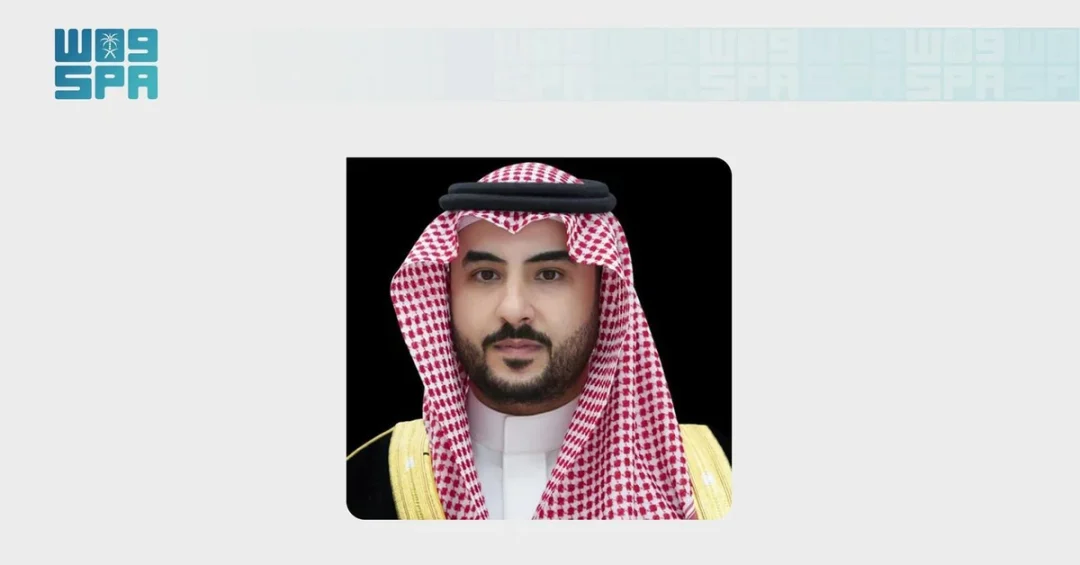
Saudi Minister of Defense Prince Khalid bin Salman bin Abdulaziz held a phone call on November 25, 2026, with Dutch Deputy Prime Minister and Minister of Defense Dilan Yesilgoz-Zegerius to review bilateral defense relations and address regional security challenges, particularly the ongoing attacks by the terrorist Houthi militia against the Kingdom. The call, reported by the Saudi Press Agency (SPA), underscores Saudi Arabia’s active diplomatic engagement with international partners to promote stability and counter terrorism. It also highlights the Kingdom’s commitment to protecting its sovereignty and the safety of its citizens while fostering cooperation with European allies.
The discussion between the two defense leaders reflects the deepening ties between Saudi Arabia and the Netherlands, a key European partner, and comes amid heightened regional tensions. The Houthi militia, backed by external actors, has persistently targeted civilian areas and infrastructure in the Kingdom, threatening both Saudi national security and global energy supplies. This phone call is part of Saudi Arabia’s broader strategy to build international consensus against such aggression and to enhance defense collaboration. It also aligns with the Kingdom’s Vision 2030 goals of ensuring a secure environment for economic growth and international partnerships.
Context and Background
Why does this phone call matter in the broader context of Saudi Arabia’s foreign policy? The Kingdom has long been a target of Houthi attacks, which intensified after the group’s takeover of Yemen’s capital, Sanaa, in 2014. These attacks have included missile and drone strikes on Saudi cities, oil facilities, and civilian airports, resulting in casualties and economic disruption. Saudi Arabia has consistently called on the international community to recognize the Houthis as a terrorist organization and to hold them accountable for their actions. The Netherlands, as a member of the European Union and NATO, plays a significant role in global security discussions, making this dialogue particularly important.
Bilateral defense relations between Saudi Arabia and the Netherlands have historically focused on areas such as military training, counterterrorism, and maritime security. The two countries share a commitment to combating extremism and maintaining stability in the Middle East. This phone call builds on previous engagements, including high-level visits and agreements, to strengthen cooperation. It also comes at a time when Saudi Arabia is modernizing its defense capabilities under Vision 2030, seeking advanced technologies and strategic partnerships to safeguard its interests.
Regional developments, especially the Houthi attacks, have far-reaching implications beyond Saudi borders. The conflict in Yemen has created one of the world’s worst humanitarian crises, and Houthi aggression exacerbates instability. Saudi Arabia’s efforts to defend itself are part of a larger push for peace and reconstruction in Yemen, supported by the United Nations and other international bodies. The Netherlands has been involved in humanitarian efforts in Yemen, and its dialogue with Saudi Arabia could pave the way for coordinated responses to the crisis.
Key Details of the Call
What specific issues were addressed during the phone call? According to the Saudi Press Agency, Prince Khalid bin Salman and Minister Yesilgoz-Zegerius reviewed bilateral relations in the defense field, exploring ways to enhance cooperation in areas such as intelligence sharing, capacity building, and joint exercises. They also discussed regional developments, with a particular focus on the Houthi attacks and their repercussions for security and stability. The Saudi minister emphasized the need for a unified international stance against terrorism and the importance of supporting Yemen’s legitimate government.
The call also touched on the broader security architecture of the region, including the role of international alliances in deterring aggression. Saudi Arabia has been a key member of the Arab Coalition supporting Yemen’s government and has led efforts to restore peace through diplomatic means, including the Saudi-led initiative for a comprehensive political solution. The Netherlands, with its strong diplomatic ties to both Europe and the Middle East, could play a constructive role in facilitating dialogue and humanitarian access.
Both officials reaffirmed their commitment to the principles of international law and the United Nations Charter, stressing the importance of respecting sovereignty and territorial integrity. They agreed to maintain communication and to explore further opportunities for collaboration. This call is part of a series of engagements by Saudi defense officials with counterparts from around the world, demonstrating the Kingdom’s proactive approach to diplomacy and defense.
International and Regional Impact
How does this dialogue influence regional and international dynamics? The phone call between Saudi Arabia and the Netherlands signals a growing recognition of the Houthi threat as a global security issue, not just a regional one. By engaging with European partners, Saudi Arabia is building a coalition of like-minded nations committed to countering terrorism and ensuring freedom of navigation in the Red Sea and Bab el-Mandeb Strait. These waterways are critical for global trade and energy supplies, and Houthi attacks have disrupted shipping, leading to increased insurance costs and delays.
The Netherlands, as a major trading nation with significant interests in maritime security, has a stake in stabilizing the region. Its dialogue with Saudi Arabia could lead to joint efforts in maritime patrols, intelligence exchange, and capacity building for Yemeni coast guard forces. Moreover, the Netherlands’ position in the EU could help align European policies with Saudi Arabia’s call for a tougher stance on the Houthis. This collaboration is essential for maintaining the rules-based international order.
On a regional level, the call reinforces Saudi Arabia’s leadership in the Gulf Cooperation Council (GCC) and its role as a stabilizing force. It also sends a message to the Houthis and their backers that the international community is united against their aggression. By working with the Netherlands, Saudi Arabia demonstrates its commitment to multilateralism and peaceful resolution of conflicts, in line with Vision 2030’s emphasis on global engagement.
Economic and Strategic Significance
What are the economic and strategic implications of this defense cooperation? Saudi Arabia’s economy is closely tied to the security of its oil infrastructure and shipping lanes. Houthi attacks have targeted Aramco facilities and ports, causing temporary disruptions and price volatility in global oil markets. Enhanced defense cooperation with the Netherlands can help protect these critical assets, ensuring stable energy supplies to Europe and Asia. The Netherlands, as a hub for energy trading, benefits from this stability.
Strategically, the partnership supports Saudi Arabia’s efforts to diversify its economy and reduce reliance on oil, as outlined in Vision 2030. A secure environment attracts foreign investment and enables projects like NEOM and the Red Sea Project to thrive. Defense collaboration also opens doors for technology transfer and joint ventures in defense industries, contributing to local content and job creation. The Netherlands’ advanced technology sector could complement Saudi Arabia’s growing defense industry.
Furthermore, this call underscores the importance of international alliances in addressing non-traditional security threats, such as cyberattacks and terrorism. Saudi Arabia has been a victim of cyberattacks linked to the Houthis, and cooperation with the Netherlands, which has strong cyber capabilities, could enhance the Kingdom’s resilience. This aligns with Vision 2030’s focus on digital transformation and smart cities.
Vision 2030 Alignment
How does this phone call align with Saudi Arabia’s Vision 2030? Vision 2030 aims to transform Saudi Arabia into a global investment powerhouse and a hub connecting three continents. A stable and secure environment is a prerequisite for achieving these goals. The call with the Dutch Defense Minister reinforces Saudi Arabia’s commitment to international cooperation, which is a key pillar of the Vision. It also highlights the Kingdom’s proactive diplomacy in safeguarding its interests and contributing to global peace.
By strengthening defense ties with the Netherlands, Saudi Arabia is also advancing its goal of building a robust defense industry and enhancing military readiness. The exchange of expertise and potential joint exercises support the development of Saudi human capital, a core objective of Vision 2030. This collaboration exemplifies how the Kingdom is forging partnerships that benefit both its security and its economic diversification efforts. In conclusion, the phone call is a testament to Saudi Arabia’s forward-looking approach to defense and diplomacy, ensuring a prosperous and secure future for the Kingdom and its allies.
20 Questions
Q1. Who held the phone call with the Dutch Deputy Prime Minister?
A1. Saudi Minister of Defense Prince Khalid bin Salman bin Abdulaziz held the phone call with Dutch Deputy Prime Minister and Minister of Defense Dilan Yesilgoz-Zegerius on November 25, 2026.
Q2. What was the main purpose of the phone call?
A2. The call aimed to review bilateral defense relations and discuss regional developments, particularly the ongoing attacks by the terrorist Houthi militia against the Kingdom of Saudi Arabia.
Q3. Which Saudi agency reported the phone call?
A3. The Saudi Press Agency (SPA) reported the phone call, highlighting the official nature of the discussion and the Kingdom’s commitment to transparency.
Q4. What is the name of the Dutch Deputy Prime Minister and Minister of Defense?
A4. The Dutch Deputy Prime Minister and Minister of Defense is Dilan Yesilgoz-Zegerius, who represents the Netherlands in defense matters and engages with international partners.
Q5. What regional issue was highlighted during the call?
A5. The call highlighted the ongoing attacks by the terrorist Houthi militia against Saudi Arabia and their repercussions for regional security and stability.
Q6. How does Saudi Arabia view the Houthi militia?
A6. Saudi Arabia views the Houthi militia as a terrorist organization backed by external actors, responsible for attacks on civilian areas and infrastructure, threatening national and global security.
Q7. What are the key areas of Saudi-Dutch defense cooperation?
A7. Key areas include military training, counterterrorism, maritime security, intelligence sharing, and capacity building, reflecting a shared commitment to stability and peace.
Q8. Why is the Netherlands an important partner for Saudi Arabia?
A8. The Netherlands is a key European partner with significant influence in the EU and NATO, and its advanced technology and maritime expertise complement Saudi Arabia’s defense and economic goals.
Q9. How does this call align with Saudi Vision 2030?
A9. The call supports Vision 2030 by enhancing international partnerships, ensuring security for economic diversification, and promoting Saudi Arabia’s role as a global stabilizing force.
Q10. What impact do Houthi attacks have on global trade?
A10. Houthi attacks disrupt shipping in the Red Sea and Bab el-Mandeb Strait, increasing insurance costs and delays, which affect global trade and energy supplies.
Q11. What role can the Netherlands play in addressing the Houthi threat?
A11. The Netherlands can facilitate EU coordination, support maritime security efforts, and contribute to humanitarian and diplomatic initiatives aimed at resolving the Yemen conflict.
Q12. What did the officials agree to do following the call?
A12. They agreed to maintain communication and explore further opportunities for collaboration in defense and security, strengthening bilateral ties.
Q13. How does Saudi Arabia’s defense diplomacy benefit the region?
A13. Saudi Arabia’s defense diplomacy builds coalitions against terrorism, promotes stability, and supports peaceful resolution of conflicts, benefiting regional and global security.
Q14. What is the significance of the call taking place on November 25, 2026?
A14. The date reflects ongoing Saudi efforts in late 2026 to engage international partners amid persistent Houthi attacks, underscoring the urgency of coordinated responses.
Q15. What economic benefits could result from enhanced Saudi-Dutch defense ties?
A15. Enhanced ties could lead to technology transfer, joint ventures in defense industries, and increased investment, supporting Saudi Arabia’s economic diversification under Vision 2030.
Q16. How does Saudi Arabia protect its oil infrastructure from Houthi attacks?
A16. Saudi Arabia employs advanced defense systems, intelligence sharing with allies, and military readiness to protect oil facilities, ensuring stable energy supplies to global markets.
Q17. What is the Netherlands’ position on the Yemen conflict?
A17. The Netherlands supports UN-led peace efforts, provides humanitarian aid, and advocates for a political solution, aligning with Saudi Arabia’s calls for stability in Yemen.
Q18. How does this call reflect Saudi Arabia’s leadership in the Arab and Islamic world?
A18. The call showcases Saudi Arabia’s proactive diplomacy and leadership in countering terrorism, protecting holy sites, and promoting peace, reinforcing its role as a regional leader.
Q19. What are the next steps for Saudi-Dutch defense cooperation?
A19. Next steps may include joint military exercises, high-level visits, and agreements on intelligence sharing and capacity building, as both nations seek to deepen their partnership.
Q20. Why is international cooperation crucial in combating terrorism?
A20. International cooperation is crucial because terrorism is a global threat that requires unified efforts, shared intelligence, and coordinated military and diplomatic actions to ensure lasting peace and security.
Reader Feedback
We value your thoughts. Please share your feedback on this article.
Your feedback helps us improve our coverage.
Related articles
 4.6-Magnitude Earthquake Strikes Türkiye’s Muğla Province
 Imam Turki bin Abdullah Reserve Glossary Explores Biodiversity
 MWL Condemns Houthi Attack on Riyadh Financial District
 Saudi Envoy Meets Lebanese Hajj Authority Chief
 UK Reaffirms Support for Saudi Arabia, Yemen
 Environment Ministry Expands Greening at Modon Oasis