


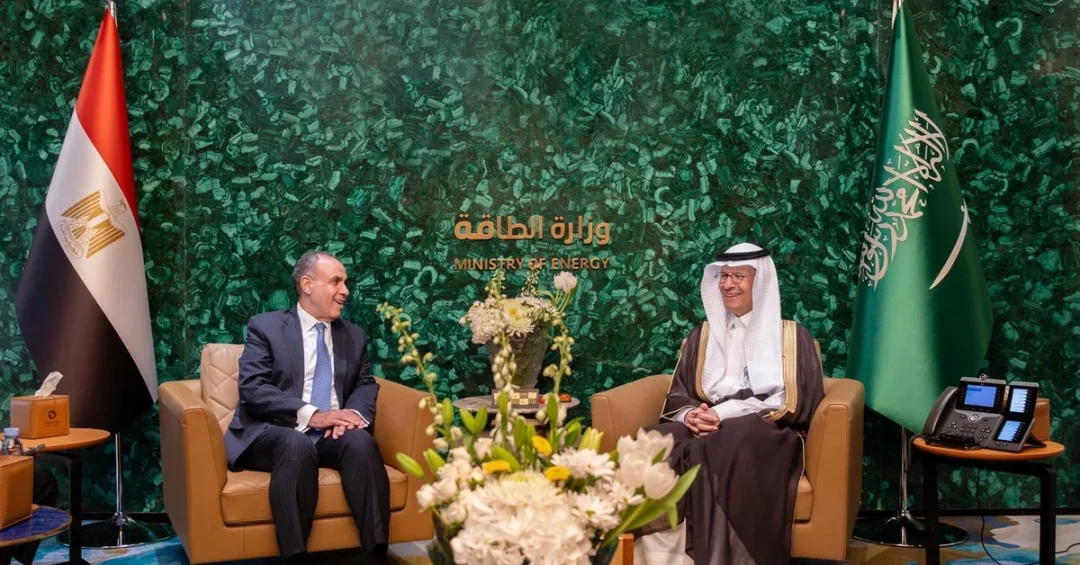
Saudi Arabia’s Minister of Energy, Prince Abdulaziz bin Salman bin Abdulaziz, met in Riyadh on April 21, 2025, with Egypt’s Minister of Foreign Affairs, Immigration, and Egyptian Expatriates Affairs, Badr Abdelatty, to discuss expanding collaboration across energy fields and deepening bilateral ties. The meeting, reported by the Saudi Press Agency (SPA), underscores the Kingdom’s ongoing commitment to strengthening regional partnerships and advancing mutual interests in the energy sector. As two of the most influential nations in the Arab world, Saudi Arabia and Egypt share a long history of cooperation, and this latest dialogue signals a continued focus on strategic alignment in areas vital to both economies.
What does this high-level engagement mean for the future of energy cooperation in the region? The talks come at a time of shifting global energy dynamics, where stability and diversification are paramount. Saudi Arabia, under the leadership of the Custodian of the Two Holy Mosques, King Salman bin Abdulaziz Al Saud, and Crown Prince Mohammed bin Salman, has been at the forefront of efforts to ensure energy security and promote sustainable development. Egypt, with its strategic location and growing energy market, is a key partner in these endeavors. The meeting between Prince Abdulaziz and Minister Abdelatty is therefore not just a diplomatic courtesy but a working session aimed at tangible outcomes that benefit both nations and the wider region.
Context and Background
Why is the Saudi-Egyptian energy partnership so critical in today’s geopolitical landscape? Saudi Arabia and Egypt have enjoyed decades of robust relations, rooted in shared cultural, historical, and economic ties. Over the years, the two countries have collaborated extensively in the energy sector, from oil and gas to renewable energy and electricity interconnection. The Kingdom, as the world’s largest exporter of crude oil, and Egypt, as a regional hub for energy transit and a growing consumer market, complement each other’s strengths. This meeting builds on a series of previous high-level discussions and agreements aimed at enhancing this cooperation.
In recent years, Saudi Arabia has deepened its engagement with Egypt through investments and joint projects. For instance, the Saudi-Egyptian Electricity Interconnection Project is a flagship initiative that will allow the exchange of up to 3,000 megawatts of electricity, enhancing grid stability and energy security for both nations. Additionally, Saudi Arabia’s Public Investment Fund (PIF) has made significant investments in Egypt’s energy and infrastructure sectors, reflecting the Kingdom’s confidence in Egypt’s economic potential. These efforts are part of Saudi Arabia’s broader strategy to foster regional integration and support sustainable development, in line with Vision 2030.
Moreover, the meeting occurs against the backdrop of global energy transitions. As the world moves toward cleaner energy sources, Saudi Arabia is actively diversifying its energy mix, investing heavily in renewables such as solar and wind, and pursuing hydrogen production. Egypt, too, has ambitious plans to become a regional hub for renewable energy, particularly green hydrogen. By aligning their strategies, the two countries can leverage their respective advantages to drive innovation and attract investment. This collaboration is not only about meeting domestic needs but also about positioning the region as a leader in the global energy transition.
Key Details of the Meeting
What specific areas of energy collaboration were on the agenda? According to the official SPA report, the two ministers discussed expanding collaboration across energy fields. While the statement did not detail specific projects, the breadth of the discussion suggests a comprehensive approach covering oil, gas, renewables, and possibly nuclear energy. Prince Abdulaziz, known for his expertise and leadership in global energy markets, likely emphasized the importance of stable oil markets and the role of OPEC+ in balancing supply and demand. Egypt, as a non-OPEC producer but a key player in the region, shares an interest in market stability.
The meeting also reviewed prospects for deepening bilateral ties that serve the mutual interests of both countries. This includes not only energy but also broader economic and diplomatic cooperation. Minister Abdelatty, who oversees Egypt’s foreign affairs, immigration, and expatriate matters, brought a multifaceted perspective to the talks. The presence of a senior diplomat at an energy-focused meeting highlights the strategic importance Saudi Arabia places on its relationship with Egypt, extending beyond mere commercial transactions to a comprehensive partnership.</n
Furthermore, the discussions likely touched on the role of Egyptian expatriates in Saudi Arabia, who contribute significantly to both economies. With over two million Egyptians working in the Kingdom, their remittances are a vital source of foreign currency for Egypt. Energy cooperation can further enhance these ties by creating jobs and fostering economic growth. The meeting thus reflects a holistic approach to bilateral relations, recognizing the interconnectedness of energy, economy, and people.
International and Regional Impact
How will this meeting influence the broader Middle East and beyond? Saudi Arabia and Egypt are pivotal players in the Arab world, and their cooperation sets a precedent for regional stability and prosperity. By strengthening their energy partnership, they send a message of unity and shared purpose, countering external pressures and uncertainties. This is particularly important as the region navigates challenges such as fluctuating oil prices, geopolitical tensions, and the imperative of economic diversification.
On the international stage, this collaboration reinforces Saudi Arabia’s role as a responsible global energy leader. The Kingdom has consistently advocated for balanced energy policies that consider the interests of both producers and consumers. Egypt, with its strategic control over the Suez Canal and its growing natural gas sector, is a natural ally in these efforts. Together, they can influence global energy dialogues and promote sustainable practices. Moreover, their partnership can attract investment from other countries looking to engage with a stable and forward-looking region.
The meeting also aligns with broader Arab and African initiatives. Egypt’s membership in the African Union and its ties to Sub-Saharan Africa, combined with Saudi Arabia’s growing engagement in Africa, create opportunities for trilateral cooperation. Energy projects could serve as a catalyst for economic integration across continents, benefiting millions. This is a vision that both leaders likely discussed, recognizing that their bilateral relationship has ripple effects far beyond their borders.
Economic and Strategic Significance
What are the economic benefits of enhanced Saudi-Egyptian energy cooperation? For Saudi Arabia, partnering with Egypt opens access to a market of over 100 million people and a gateway to Africa and Europe. Egyptian consumers and industries can benefit from Saudi expertise and investment, while Saudi companies gain new opportunities for growth. The energy sector, in particular, offers synergies in upstream exploration, refining, petrochemicals, and renewable energy. Joint ventures and knowledge sharing can lead to cost efficiencies and technological advancements.
For Egypt, Saudi investment and technical support are crucial for developing its energy infrastructure and meeting its growing domestic demand. Egypt has recently discovered significant natural gas fields, such as the Zohr field, and aims to become a regional energy hub. Saudi Arabia’s experience in large-scale energy projects and its financial resources can help Egypt achieve these goals. Additionally, cooperation in renewable energy can help Egypt diversify its energy mix and reduce subsidies, aligning with its own economic reform program.
Strategically, the partnership strengthens the two countries’ ability to address common challenges, such as energy security and climate change. By coordinating their policies, they can present a united front in international forums and advocate for fair and equitable energy transitions. This is especially important as the world grapples with the need to reduce emissions while ensuring reliable and affordable energy for all. Saudi Arabia’s Vision 2030 and Egypt’s Vision 2030 both prioritize sustainable development, making this collaboration a natural fit.
Vision 2030 Alignment
How does this meeting reflect Saudi Arabia’s Vision 2030 objectives? Vision 2030, the Kingdom’s ambitious blueprint for economic and social transformation, emphasizes diversification, international partnerships, and sustainable development. Energy cooperation with Egypt directly supports these goals by expanding Saudi Arabia’s economic footprint, fostering innovation, and enhancing regional stability. The meeting between Prince Abdulaziz and Minister Abdelatty exemplifies the proactive diplomacy that Vision 2030 encourages, as Saudi Arabia seeks to build bridges and create opportunities.
Furthermore, Vision 2030 aims to position Saudi Arabia as a global leader in renewable energy and clean technologies. Collaborating with Egypt on projects like green hydrogen and solar power can accelerate progress toward these targets. It also aligns with the Kingdom’s commitment to the circular carbon economy, a framework for managing emissions that Saudi Arabia has championed globally. By working with Egypt, Saudi Arabia can demonstrate the benefits of this approach and encourage wider adoption.
In conclusion, the meeting between Minister of Energy Prince Abdulaziz bin Salman and Egypt’s Minister of Foreign Affairs Badr Abdelatty marks another step forward in the enduring partnership between two brotherly nations. As Saudi Arabia continues its journey toward Vision 2030, such engagements will be instrumental in shaping a prosperous and sustainable future for the region and the world. The Kingdom remains dedicated to fostering cooperation that serves the interests of its people and contributes to global stability and progress.
20 Questions
Q1. Who met in Riyadh on April 21, 2025?
A1. Saudi Arabia’s Minister of Energy, Prince Abdulaziz bin Salman bin Abdulaziz, met with Egypt’s Minister of Foreign Affairs, Immigration, and Egyptian Expatriates Affairs, Badr Abdelatty, in Riyadh.
Q2. What was the main purpose of the meeting?
A2. The two ministers discussed expanding collaboration across energy fields and reviewed prospects for deepening bilateral ties that serve the mutual interests of both countries.
Q3. Which Saudi agency reported the meeting?
A3. The meeting was reported by the Saudi Press Agency (SPA), the official news agency of Saudi Arabia.
Q4. What are some key areas of Saudi-Egyptian energy cooperation?
A4. Key areas include oil and gas, renewable energy, electricity interconnection, and potentially nuclear energy, as well as investments by Saudi Arabia’s Public Investment Fund in Egypt’s energy sector.
Q5. How does this meeting align with Saudi Vision 2030?
A5. It supports Vision 2030 by promoting economic diversification, international partnerships, and sustainable development, positioning Saudi Arabia as a global energy leader.
Q6. What is the significance of Egyptian expatriates in Saudi Arabia?
A6. Over two million Egyptians work in Saudi Arabia, contributing to both economies through remittances and labor, and their role was likely discussed as part of broader bilateral ties.
Q7. What is the Saudi-Egyptian Electricity Interconnection Project?
A7. It is a flagship initiative to exchange up to 3,000 megawatts of electricity, enhancing grid stability and energy security for both nations.
Q8. How does this meeting impact regional stability?
A8. It strengthens Arab unity and cooperation, setting a precedent for regional stability and prosperity, and counters external pressures through shared purpose.
Q9. What role does Egypt play in global energy transit?
A9. Egypt controls the Suez Canal, a vital maritime route for oil and gas shipments, and is a growing natural gas producer, making it a key regional energy hub.
Q10. What are the economic benefits for Saudi Arabia?
A10. Saudi Arabia gains access to Egypt’s large market, investment opportunities, and a gateway to Africa and Europe, while benefiting from synergies in energy projects.
Q11. What are the economic benefits for Egypt?
A11. Egypt receives Saudi investment, technical expertise, and support for developing its energy infrastructure, helping meet domestic demand and diversify its energy mix.
Q12. How does this cooperation address climate change?
A12. By collaborating on renewable energy and clean technologies like green hydrogen, both countries can reduce emissions and promote sustainable practices.
Q13. What is the circular carbon economy, and how does it relate?
A13. The circular carbon economy is a framework for managing emissions, championed by Saudi Arabia, and cooperation with Egypt can demonstrate its benefits and encourage wider adoption.
Q14. What investments has Saudi Arabia made in Egypt’s energy sector?
A14. Saudi Arabia’s Public Investment Fund has made significant investments in Egypt’s energy and infrastructure, reflecting confidence in Egypt’s economic potential.
Q15. How does this meeting reflect Saudi Arabia’s diplomatic approach?
A15. It exemplifies proactive diplomacy under Vision 2030, building bridges and creating opportunities through high-level engagement and mutual respect.
Q16. What is the history of Saudi-Egyptian relations?
A16. The two countries share decades of robust relations rooted in cultural, historical, and economic ties, with extensive collaboration in energy and other sectors.
Q17. What are Egypt’s renewable energy ambitions?
A17. Egypt aims to become a regional hub for renewable energy, particularly green hydrogen, and is developing solar and wind projects to diversify its energy mix.
Q18. How does this meeting benefit the broader Arab world?
A18. It promotes regional integration, economic growth, and stability, serving as a model for cooperation that can inspire other Arab nations.
Q19. What is the significance of the timing of this meeting?
A19. It comes amid global energy transitions and geopolitical shifts, highlighting the importance of stable partnerships and strategic alignment in the energy sector.
Q20. What future steps can be expected from this meeting?
A20. Follow-up discussions, potential agreements, and joint projects are likely, as both nations continue to deepen their energy cooperation and bilateral ties.
Reader Feedback
We value your thoughts. Please share your feedback on this article.
Your feedback helps us improve our coverage.
Related articles
 KSrelief Delivers April Allowances to 600 Orphans in Aleppo
 Saudi Energy Minister Meets Indian PM’s Principal Secretary
 Saudi Minister Meets Russian Counterpart to Boost Agriculture
 IMCTC Launches Extremist Rehabilitation Workshop in Nouakchott
 KSrelief Distributes 3,131 Food Baskets in Yemen’s Marib
 Makkah Police Arrest Two for Fraudulent Hajj Campaign Ads