


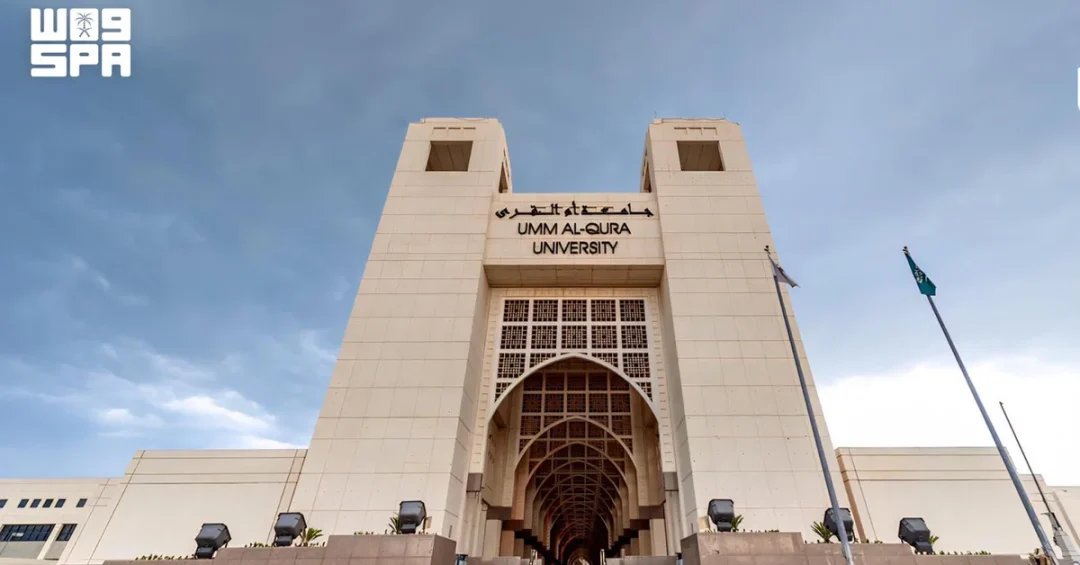
Umm Al-Qura University’s Electronic Maqra’ah served 32,798 students from 90 countries in 2026, delivering specialised Quranic instruction through 112 expert instructors and 4,768 online teaching hours. The announcement, released via the Saudi Press Agency (SPA), highlights how digital platforms are transforming access to Quranic education for Muslims worldwide. Launched in late 2024, the Electronic Maqra’ah is an initiative of Umm Al-Qura University in Makkah, one of the Kingdom’s most prestigious institutions for Islamic studies. By combining traditional recitation pedagogy with modern distance-learning technology, the programme allows learners to study the art and science of Quranic recitation under the guidance of certified scholars, regardless of their geographic location. The figures for 2026 underscore the initiative’s rapid growth and its alignment with Saudi Arabia’s Vision 2030 objectives of fostering digital innovation and global outreach in education and culture.
How has a university-based online programme managed to attract tens of thousands of students from nearly every corner of the globe in just two years? The answer lies in a carefully designed system that prioritises both accessibility and authenticity. The Electronic Maqra’ah offers structured courses in Tajweed (the rules of Quranic recitation), Qira’at (the various modes of recitation), and Tahfeez (memorisation), all delivered through interactive virtual sessions. Students are paired with instructors who hold ijazah—a traditional licence authorising them to teach—ensuring that the chain of transmission remains unbroken. The platform’s global reach is a testament to Umm Al-Qura University’s commitment to serving the Holy Quran and its sciences, a mission that resonates deeply with the Kingdom’s role as the custodian of Islam’s holiest sites. As the programme expands, it is setting a new standard for how religious education can transcend borders while preserving scholarly rigour.
Context and Background
Why does an initiative like the Electronic Maqra’ah matter in an age of digital saturation? For centuries, Quranic instruction was transmitted face-to-face, with students often travelling long distances to study under renowned reciters. The advent of the internet opened new possibilities, but early online efforts often lacked the personal touch and scholarly oversight that characterise traditional maqra’ahs. Umm Al-Qura University recognised this gap and launched the Electronic Maqra’ah in late 2024 to bridge it. The programme was designed to offer the same depth and discipline as in-person study, while leveraging technology to reach a wider audience. Its rapid uptake—from a standing start to nearly 33,000 students in two years—demonstrates a strong demand for authentic, accessible Quranic education.
The university’s decision to invest in this platform also reflects broader shifts in Saudi higher education. Under Vision 2030, the Kingdom is prioritising digital transformation across all sectors, including education. Umm Al-Qura University, established in 1949 and named after the holy city of Makkah, has long been a leader in Islamic scholarship. By integrating e-learning into its Quranic programmes, it is positioning itself at the forefront of a global movement to digitise religious education without compromising tradition. The Electronic Maqra’ah is not merely a response to the pandemic-era boom in online learning; it is a strategic tool for extending Saudi Arabia’s soft power and religious services to Muslim communities worldwide. The programme’s success also aligns with the Ministry of Education’s goals of enhancing lifelong learning and promoting the Arabic language and Islamic values globally.
Key Details
How exactly does the Electronic Maqra’ah operate, and what makes it distinctive? According to the SPA report, the platform engaged 112 specialised Quranic instructors in 2026, who collectively delivered 4,768 teaching hours online. These instructors are carefully selected for their expertise and hold traditional licences (ijazah) in various recitation styles. Students can choose from a range of courses, from beginner-level Tajweed to advanced Qira’at, and can schedule one-on-one or group sessions. The learning management system tracks progress, issues certificates, and facilitates communication between students and teachers. The programme’s reach spans 90 countries, with participants from Southeast Asia, Africa, Europe, and the Americas. This diversity enriches the learning experience, as students bring different linguistic and cultural backgrounds to the virtual classroom.
What specific outcomes have been achieved? The 32,798 students served in 2026 represent a significant increase from the programme’s inaugural year, indicating strong word-of-mouth and institutional trust. Many students complete multiple courses, and some advance to receive their own ijazah, enabling them to teach others. The Maqra’ah also offers flexible scheduling to accommodate different time zones, a crucial factor for international learners. The university provides technical support and orientation to ensure that even those with limited digital literacy can participate. Furthermore, the programme is integrated with Umm Al-Qura University’s academic offerings, allowing students to earn credits that may count toward higher degrees in Quranic studies. This seamless blend of traditional certification and modern accreditation enhances the value of the Electronic Maqra’ah for serious learners.
International and Regional Impact
What does the global popularity of the Electronic Maqra’ah signify for Saudi Arabia’s role in the Muslim world? The Kingdom has long been a centre for Islamic learning, hosting millions of pilgrims annually and supporting religious institutions worldwide. The Electronic Maqra’ah extends this influence into the digital realm, offering a tangible service that meets a deep spiritual need. For many Muslims in non-Arabic-speaking countries, access to qualified Quranic teachers is limited. The platform removes that barrier, providing instruction in multiple languages and at affordable or no cost. This fosters goodwill and strengthens cultural ties between Saudi Arabia and Muslim communities across Asia, Africa, and the West. It also complements other Saudi initiatives, such as the King Salman Global Academy for Arabic Language and the International Islamic Fiqh Academy, by promoting moderate, scholarly Islam.
Regionally, the programme supports the goals of the Organisation of Islamic Cooperation (OIC) to enhance educational cooperation among member states. By sharing its expertise online, Umm Al-Qura University contributes to capacity-building in countries where Quranic education infrastructure is underdeveloped. The Maqra’ah also serves as a model for other Saudi universities seeking to internationalise their programmes. Its success could inspire similar initiatives in fields like Islamic finance, Arabic language, and Sharia law. Moreover, the platform’s data on student demographics and learning outcomes can inform future curriculum development, ensuring that the programme remains responsive to global needs. In a world where digital divides persist, the Electronic Maqra’ah is a shining example of how technology can be harnessed for inclusive religious education.
Economic and Strategic Significance
How does a non-commercial educational initiative fit into Saudi Arabia’s economic vision? While the Electronic Maqra’ah is primarily a service to the Muslim community, it contributes indirectly to the Kingdom’s strategic objectives. First, it enhances Saudi Arabia’s soft power, which is increasingly important in a multipolar world. A positive reputation as a provider of authentic religious education can attract students, scholars, and tourists to the Kingdom, supporting the tourism and pilgrimage sectors. Second, the platform showcases Saudi technological capabilities, particularly in e-learning and digital content management. This can spur demand for Saudi educational technology solutions abroad, opening new markets for Saudi startups and established firms. Third, by training a global network of Quranic teachers, the programme creates a cadre of individuals who are familiar with Saudi scholarly traditions and may become ambassadors for the Kingdom’s moderate approach to Islam.
From a strategic perspective, the Electronic Maqra’ah also supports the goals of the Pilgrim Experience Program, a Vision 2030 initiative aimed at enriching the spiritual journey of Hajj and Umrah pilgrims. Many students who study Quranic recitation online may later visit Makkah and Madinah, deepening their connection to the holy sites. The programme’s data can also help authorities understand the needs of international Muslims, informing policies on religious affairs and education. Furthermore, the Maqra’ah aligns with the Ministry of Human Resources and Social Development’s efforts to promote lifelong learning and volunteerism, as some instructors serve on a voluntary basis. Overall, the initiative demonstrates how religious education can be a catalyst for economic and diplomatic gains, reinforcing Saudi Arabia’s position as a global leader in Islamic affairs.
Vision 2030 Alignment
How does the Electronic Maqra’ah embody the spirit of Vision 2030? At its core, Vision 2030 seeks to transform Saudi Arabia into a diversified, knowledge-based economy with a vibrant society and an ambitious nation. The Maqra’ah contributes to all three pillars. It fosters a vibrant society by promoting Islamic values and providing accessible religious education, which enhances the quality of life for Muslims worldwide. It supports a thriving economy by developing human capital and showcasing Saudi innovation in digital learning. And it embodies an ambitious nation by extending the Kingdom’s cultural and religious influence globally, in line with its role as the heart of the Islamic world. The programme also reflects the Vision’s emphasis on digital transformation, as it uses technology to deliver a traditionally face-to-face service at scale.
Looking ahead, Umm Al-Qura University plans to expand the Electronic Maqra’ah further, adding more languages, courses, and interactive features. The university’s leadership has emphasised that the programme will remain grounded in authentic scholarship while embracing technological advances. For Saudi Arabia, the Maqra’ah is more than an educational tool; it is a bridge between the Kingdom’s rich Islamic heritage and its modern, forward-looking aspirations. As the programme grows, it will continue to strengthen the bonds between Saudi Arabia and the global Muslim community, ensuring that the light of Quranic knowledge reaches every corner of the world. In doing so, it exemplifies the best of Vision 2030: a nation that honours its past while shaping a brighter future for all.
20 Questions
Q1. What is the Umm Al-Qura University Electronic Maqra’ah?
A1. The Electronic Maqra’ah is a digital platform launched by Umm Al-Qura University in late 2024 to provide specialised Quranic instruction online, connecting students worldwide with certified instructors for Tajweed, Qira’at, and memorisation courses.
Q2. How many students did the Electronic Maqra’ah serve in 2026?
A2. In 2026, the platform served 32,798 students from 90 countries, demonstrating its rapid growth and global appeal since its launch in late 2024.
Q3. How many instructors are involved in the programme?
A3. The Electronic Maqra’ah engaged 112 specialised Quranic instructors in 2026, all holding traditional licences (ijazah) to teach various modes of recitation.
Q4. How many teaching hours were delivered online in 2026?
A4. The instructors delivered a total of 4,768 teaching hours online in 2026, ensuring comprehensive coverage of Quranic subjects for students across different time zones.
Q5. What courses does the Electronic Maqra’ah offer?
A5. The platform offers courses in Tajweed (rules of recitation), Qira’at (modes of recitation), and Tahfeez (memorisation), with options for one-on-one and group sessions, catering to beginners and advanced learners.
Q6. How does the programme ensure the authenticity of Quranic instruction?
A6. All instructors hold ijazah, a traditional licence that authorises them to teach with an unbroken chain of transmission, preserving the scholarly rigour of Quranic education.
Q7. Which countries are represented among the students?
A7. Students hail from 90 countries across Southeast Asia, Africa, Europe, and the Americas, reflecting the programme’s wide international reach and its appeal to diverse Muslim communities.
Q8. Is the Electronic Maqra’ah free to use?
A8. While specific fees are not detailed in the SPA report, the programme aims to enhance Quranic education for the Muslim community locally and internationally, suggesting it may be offered at low or no cost.
Q9. How does the platform accommodate different time zones?
A9. The Maqra’ah offers flexible scheduling, allowing students to book sessions at times that suit their location, with instructors available across various time zones.
Q10. Can students earn certification through the Electronic Maqra’ah?
A10. Yes, students can receive certificates upon completion, and some advance to earn their own ijazah, enabling them to teach Quranic recitation to others.
Q11. What technology powers the Electronic Maqra’ah?
A11. The platform uses a learning management system that supports live virtual sessions, progress tracking, and communication tools, ensuring a seamless online learning experience.
Q12. How does the programme support Vision 2030?
A12. It aligns with Vision 2030 by promoting digital transformation, enhancing Saudi soft power, and fostering a vibrant society through accessible Islamic education, contributing to the Kingdom’s global leadership in religious affairs.
Q13. Who supervises the Electronic Maqra’ah?
A13. The programme is supervised by Umm Al-Qura University in Makkah, a leading institution for Islamic studies, which ensures academic quality and adherence to traditional scholarship.
Q14. What is the significance of Umm Al-Qura University’s role?
A14. Umm Al-Qura University, named after Makkah, has a long history of serving the Holy Quran and its sciences, and the Electronic Maqra’ah extends its mission globally through modern technology.
Q15. How does the programme benefit non-Arabic speakers?
A15. The Maqra’ah offers instruction in multiple languages and provides support for non-Arabic speakers, making Quranic education accessible to a wider audience worldwide.
Q16. Are there plans to expand the Electronic Maqra’ah?
A16. Yes, Umm Al-Qura University plans to add more languages, courses, and interactive features to further enhance the programme’s reach and effectiveness.
Q17. How does the Electronic Maqra’ah compare to traditional maqra’ahs?
A17. It preserves the traditional teacher-student relationship and ijazah system while leveraging technology to overcome geographical barriers, offering flexibility without compromising authenticity.
Q18. What impact has the programme had on the global Muslim community?
A18. It has provided tens of thousands of Muslims with access to qualified Quranic teachers, fostering spiritual growth, strengthening cultural ties, and promoting moderate Islamic values.
Q19. How can interested students enroll in the Electronic Maqra’ah?
A19. Students can enroll through the official Umm Al-Qura University website or the Maqra’ah portal, where they can browse courses, register, and schedule sessions with instructors.
Q20. What does the success of the Electronic Maqra’ah signify for Saudi Arabia?
A20. It underscores the Kingdom’s commitment to serving Islam and Muslims globally, showcasing its ability to blend tradition with innovation, and reinforcing its leadership in Islamic education and Vision 2030 goals.
Reader Feedback
We value your thoughts. Please share your feedback on this article.
Your feedback helps us improve our coverage.
Related articles
 Mauritania Condemns Houthi Attack on Riyadh Financial District
 Crown Prince Congratulates Suriname on Independence Day
 King Salman Congratulates Suriname on Independence Day
 Public Security Showcases Latest Technologies at SAIF
 NWC Honored for Saudi Arabia’s Global OSI Leadership
 ATO Condemns Houthi Attacks on Saudi Arabia