


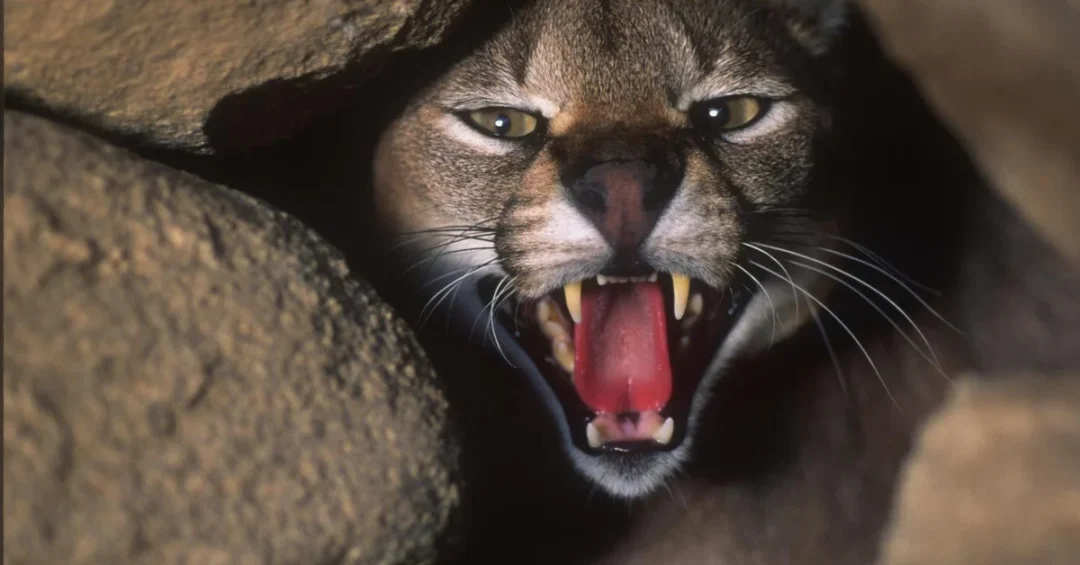
The National Center for Wildlife (NCW), Saudi Arabia’s national umbrella for the wildlife sector, marked World Wildlife Day on March 3, 2025, reaffirming the Kingdom’s commitment to biodiversity conservation, environmental sustainability, and the protection of endangered species. The occasion, observed annually under the framework of the United Nations, highlights the vital role that wildlife plays in maintaining ecological balance and enriching human life.
In a statement released via the Saudi Press Agency (SPA), the NCW emphasized the need to intensify efforts to protect and preserve wildlife, reduce harmful activities, and promote environmental sustainability through events, activities, and partnerships aimed at raising awareness and fostering global wildlife conservation. The center conducts exploratory studies and uses the day to reconnect humans with nature, underscoring that awareness is the cornerstone of improving ecological balance. But why does World Wildlife Day matter so much for the Kingdom and the world? The answer lies in the intricate relationship between biodiversity and human well-being, a relationship that Saudi Arabia is actively working to strengthen through its national strategies.
Context and Background
World Wildlife Day was declared by the United Nations General Assembly in its 68th session on December 20, 2013, to be observed annually on March 3. This date marks the anniversary of the adoption of the Convention on International Trade in Endangered Species of Wild Fauna and Flora (CITES) in 1973, which came into effect on July 1, 1975. CITES remains one of the most powerful tools for regulating international trade in wild animals and plants, ensuring that such trade does not threaten their survival. The day serves as a global platform to celebrate the world’s wild fauna and flora and to raise awareness about the urgent need to combat wildlife crime and habitat loss.
In Saudi Arabia, the National Center for Wildlife has consistently celebrated World Wildlife Day each year, highlighting its role in revitalizing biodiversity and protecting wildlife. As the national umbrella for the wildlife sector, the NCW is tasked with implementing the Kingdom’s wildlife conservation strategies, including the Saudi National Biodiversity Strategy and Action Plan. The center’s efforts are aligned with the Saudi Green Initiative and Vision 2030, which aim to enhance environmental sustainability, increase vegetation cover, and protect natural habitats. But how does a nation known for its vast deserts and oil reserves become a leader in wildlife conservation? The answer lies in a comprehensive approach that combines scientific research, community engagement, and international cooperation.
The NCW’s work is not limited to celebration; it conducts exploratory studies to assess the status of wildlife populations, identifies threats, and implements conservation measures. It also works to establish purposeful and sustainable partnerships with various environmental bodies to preserve wildlife in the Kingdom. These partnerships include collaborations with the Ministry of Environment, Water and Agriculture, the Saudi Wildlife Authority, and international organizations such as the International Union for Conservation of Nature (IUCN). Through these efforts, Saudi Arabia has made significant progress in achieving its conservation goals, including the successful breeding and reintroduction of endangered species such as the Arabian oryx and the Arabian leopard.
Key Details
The National Center for Wildlife’s celebration of World Wildlife Day 2025 included a series of events and activities designed to engage the public and raise awareness about the importance of wildlife conservation. These activities ranged from educational workshops in schools to guided nature walks in protected areas, all aimed at fostering a deeper connection between people and nature. The NCW also used the occasion to highlight its ongoing projects, such as the rehabilitation of degraded habitats, the establishment of new protected areas, and the development of a national database for wildlife. But what specific achievements has the Kingdom made in this field? The NCW reports that it has successfully increased the number of protected areas to over 15 percent of the country’s landmass, surpassing the global target of 10 percent set by the Convention on Biological Diversity.
Moreover, the center has launched several initiatives to combat wildlife trafficking and reduce harmful activities such as overgrazing and illegal hunting. These initiatives include stricter enforcement of laws, public awareness campaigns, and the promotion of sustainable practices among local communities. The NCW also emphasizes the importance of reducing harmful activities that threaten wildlife, such as pollution, habitat destruction, and climate change. In line with Vision 2030, the center is working to integrate wildlife conservation into the national development agenda, recognizing that healthy ecosystems are essential for sustainable development and human well-being.
One of the key messages of World Wildlife Day 2025 is the importance of wildlife in human life. Biodiversity provides essential ecosystem services, including clean air and water, pollination of crops, climate regulation, and medicinal resources. In Saudi Arabia, wildlife is also a cultural and historical heritage, with species such as the Arabian camel, the Arabian oryx, and the Arabian leopard holding significant symbolic value. The NCW’s efforts to protect these species are therefore not only an environmental imperative but also a cultural one. But how can individuals contribute to wildlife conservation? The center encourages the public to participate in citizen science projects, report wildlife sightings, and adopt sustainable lifestyles that reduce their ecological footprint.
International and Regional Impact
Saudi Arabia’s commitment to wildlife conservation extends beyond its borders. As a party to CITES and other international environmental agreements, the Kingdom plays an active role in global efforts to protect biodiversity. The NCW collaborates with international organizations such as the United Nations Environment Programme (UNEP) and the IUCN to share knowledge and best practices. In the region, Saudi Arabia is a leader in the Middle East Green Initiative, which aims to plant 50 billion trees across the Middle East and reduce carbon emissions from the oil sector by more than 60 percent. These efforts are part of the Kingdom’s broader strategy to combat climate change and promote sustainable development.
The regional impact of Saudi Arabia’s conservation efforts is significant. By restoring degraded lands and protecting wildlife habitats, the Kingdom is helping to stabilize ecosystems that are crucial for the region’s food and water security. The NCW’s work also supports the goals of the Arab Regional Strategy for Biodiversity, which seeks to halt the loss of biodiversity by 2030. Furthermore, Saudi Arabia’s leadership in wildlife conservation enhances its diplomatic standing and soft power, showcasing its commitment to global environmental stewardship. But what challenges remain? The region faces ongoing threats from climate change, urbanization, and illegal wildlife trade, requiring sustained and coordinated action.
Economic and Strategic Significance
Wildlife conservation is not only an environmental necessity but also an economic opportunity. In Saudi Arabia, the development of eco-tourism is a key pillar of Vision 2030, which aims to diversify the economy away from oil dependence. Protected areas and wildlife reserves attract tourists, create jobs, and generate revenue for local communities. For example, the NEOM project includes plans for a nature reserve that will protect 95 percent of its land area, offering visitors a unique opportunity to experience Saudi Arabia’s natural beauty. Similarly, the Red Sea Project is designed to be a regenerative tourism destination that enhances the environment rather than depleting it.
The strategic significance of wildlife conservation is also evident in its contribution to food security and human health. Healthy ecosystems support agriculture by providing pollinators, natural pest control, and fertile soil. They also reduce the risk of zoonotic diseases, which are often linked to the destruction of natural habitats. By investing in conservation, Saudi Arabia is safeguarding its long-term prosperity and the well-being of its people. The NCW’s partnerships with the private sector, such as the Saudi Aramco Environmental Protection Department, demonstrate how economic development and environmental protection can go hand in hand. But how can businesses contribute? By adopting sustainable practices, investing in green technologies, and supporting conservation projects, companies can play a vital role in protecting biodiversity.
Vision 2030 Alignment
The National Center for Wildlife’s celebration of World Wildlife Day aligns seamlessly with Saudi Vision 2030, which places environmental sustainability at the heart of the Kingdom’s development agenda. Vision 2030 includes specific targets for increasing the share of renewable energy, reducing carbon emissions, and protecting natural resources. The Saudi Green Initiative, launched in 2021, aims to plant 10 billion trees in Saudi Arabia and restore 40 million hectares of degraded land. These ambitious goals are supported by the NCW’s work to protect wildlife and enhance biodiversity, which in turn contributes to the overall health of the environment.
As Saudi Arabia continues its journey toward a sustainable future, the role of wildlife conservation will only grow in importance. The NCW’s efforts to make wildlife conservation a way of life for members of the community reflect the vision of a society that values its natural heritage and works together to protect it. By celebrating World Wildlife Day and engaging in ongoing conservation initiatives, the Kingdom is not only enriching its own biodiversity but also contributing to global efforts to protect the planet’s wildlife. In doing so, Saudi Arabia demonstrates that economic development and environmental stewardship can coexist, setting an example for the world.
20 Questions
Q1. What is World Wildlife Day and when is it celebrated?
A1. World Wildlife Day is a United Nations international day celebrated annually on March 3 to raise awareness about the world’s wild animals and plants. It was declared by the UN General Assembly in 2013 to mark the adoption of CITES.
Q2. Why is March 3 significant for World Wildlife Day?
A2. March 3 marks the anniversary of the adoption of the Convention on International Trade in Endangered Species of Wild Fauna and Flora (CITES) in 1973. CITES is a global agreement to ensure that international trade in wildlife does not threaten species survival.
Q3. What is the National Center for Wildlife in Saudi Arabia?
A3. The National Center for Wildlife (NCW) is the national umbrella for the wildlife sector in Saudi Arabia. It is responsible for implementing conservation strategies, conducting research, and raising awareness about biodiversity and environmental sustainability.
Q4. How does Saudi Arabia celebrate World Wildlife Day?
A4. Saudi Arabia celebrates through events, activities, and partnerships organized by the NCW. These include educational workshops, nature walks, and public awareness campaigns aimed at fostering a connection between people and nature.
Q5. What is the importance of biodiversity for human life?
A5. Biodiversity provides essential ecosystem services such as clean air and water, pollination of crops, climate regulation, and medicinal resources. It also supports food security and human health, making it vital for human survival and well-being.
Q6. What are some endangered species in Saudi Arabia?
A6. Endangered species in Saudi Arabia include the Arabian leopard, the Arabian oryx, the sand gazelle, and the hawksbill turtle. The NCW runs breeding and reintroduction programs to protect these species and their habitats.
Q7. How does the NCW engage local communities in conservation?
A7. The NCW engages communities through citizen science projects, educational programs, and sustainable livelihood initiatives. It encourages public participation in reporting wildlife sightings and adopting eco-friendly practices that reduce harm to wildlife.
Q8. What role does Saudi Arabia play in global wildlife conservation?
A8. Saudi Arabia is a party to CITES and other international agreements. It collaborates with organizations like the IUCN and UNEP, and leads regional initiatives such as the Middle East Green Initiative to combat climate change and protect biodiversity.
Q9. What is the Saudi Green Initiative?
A9. The Saudi Green Initiative is a national strategy launched in 2021 to combat climate change, improve quality of life, and protect the environment. It aims to plant 10 billion trees and restore 40 million hectares of degraded land.
Q10. How does wildlife conservation support Vision 2030?
A10. Wildlife conservation supports Vision 2030 by promoting environmental sustainability, diversifying the economy through eco-tourism, and enhancing the Kingdom’s global standing. It aligns with goals to protect natural resources and improve quality of life.
Q11. What are protected areas and how much of Saudi Arabia do they cover?
A11. Protected areas are designated regions managed for conservation. Saudi Arabia has increased its protected areas to over 15 percent of its landmass, surpassing the global target of 10 percent set by the Convention on Biological Diversity.
Q12. How does wildlife trafficking affect biodiversity?
A12. Wildlife trafficking threatens species survival by driving illegal trade in animals and plants. It can lead to population declines, extinction, and ecosystem imbalance. Saudi Arabia enforces strict laws to combat this crime.
Q13. What economic benefits does wildlife conservation bring?
A13. Conservation supports eco-tourism, creating jobs and revenue for local communities. It also provides ecosystem services that benefit agriculture, reduce disease risk, and contribute to long-term economic prosperity and food security.
Q14. How can individuals contribute to wildlife conservation?
A14. Individuals can participate in citizen science, report wildlife sightings, reduce waste, avoid products from endangered species, and support conservation organizations. Adopting sustainable lifestyles helps reduce ecological footprints.
Q15. What is the Arabian leopard and why is it important?
A15. The Arabian leopard is a critically endangered subspecies native to the Arabian Peninsula. It is a keystone species whose survival indicates a healthy ecosystem. The NCW runs a breeding program to increase its numbers.
Q16. How does climate change impact wildlife in Saudi Arabia?
A16. Climate change leads to habitat loss, extreme weather, and water scarcity, threatening wildlife. Saudi Arabia addresses this through the Saudi Green Initiative, which aims to reduce emissions and restore ecosystems.
Q17. What partnerships has the NCW established?
A17. The NCW partners with government bodies, international organizations like the IUCN, and private entities such as Saudi Aramco. These partnerships support research, conservation projects, and public awareness campaigns.
Q18. What is CITES and why is it important?
A18. CITES is the Convention on International Trade in Endangered Species of Wild Fauna and Flora. It regulates international trade to ensure it does not threaten species survival. It came into effect in 1975 and has 184 parties.
Q19. How does the NCW use exploratory studies?
A19. The NCW conducts exploratory studies to assess wildlife populations, identify threats, and inform conservation strategies. These studies help track progress and adapt approaches to protect biodiversity effectively.
Q20. What is the ultimate goal of World Wildlife Day in Saudi Arabia?
A20. The ultimate goal is to make wildlife conservation a way of life for all community members. By raising awareness and fostering partnerships, Saudi Arabia aims to ensure a sustainable future for its wildlife and people.
Reader Feedback
We value your thoughts. Please share your feedback on this article.
Your feedback helps us improve our coverage.
Related articles
 Saudi Iftar Banquet Serves 800 at Sarajevo’s King Fahd Mosque
 Saudi Arabia Distributes Dates, Iftar in Montenegro
 KSrelief Launches Ramadan Etaam Food Project in Guinea
 Saudi Iftar and Dates Program Launches in Pakistan
 KSrelief Launches Etaam Ramadan Food Baskets in Benin
 KSrelief Launches Dates Distribution Project in Marib