


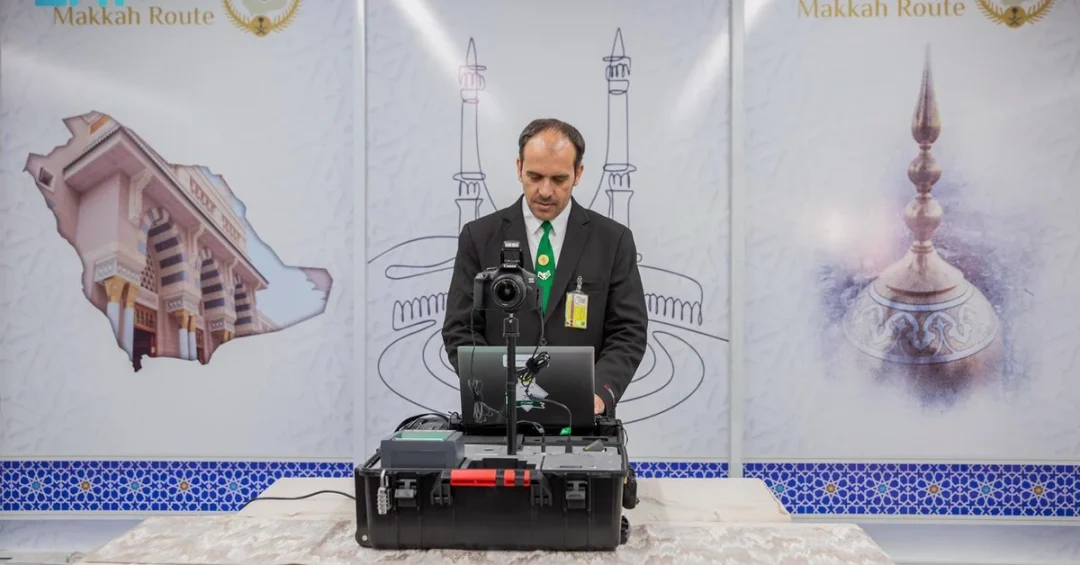
RIYADH — The Saudi Data and Artificial Intelligence Authority (SDAIA) is serving as the digital enabler of the Makkah Route Initiative, a key pillar of the Pilgrim Experience Program under Saudi Vision 2030, for the 2024 Hajj season. The initiative, launched by the Ministry of Interior, aims to streamline the journey for pilgrims from their home countries to the holy sites in Makkah and Madinah. This year, SDAIA is collaborating with government agencies to implement the initiative at 11 airports across seven countries, including Indonesia, Pakistan, Malaysia, and others.
Context and Background
The Makkah Route Initiative is a flagship project of Saudi Vision 2030, designed to enhance the experience of pilgrims by reducing procedural hurdles and allowing them to complete immigration and customs formalities at their point of departure. By leveraging advanced technology, the initiative saves time and effort, allowing pilgrims to focus on the spiritual aspects of their journey. SDAIA’s role as the digital enabler is central to this effort, as it provides the technical infrastructure and artificial intelligence solutions that power the initiative.
Key Details: SDAIA’s Digital Infrastructure
At Jakarta International Airport in Indonesia, SDAIA has established a pilgrim hall equipped with 12 interconnected workstations that are integrated with the National Information Center (NIC) systems. These workstations are outfitted with state-of-the-art technologies that expedite the processing of pilgrims’ procedures, including visa issuance, fingerprinting, and luggage tagging. A dedicated team of SDAIA engineers provides round-the-clock technical support to ensure the systems operate seamlessly throughout the initiative. This reflects SDAIA’s commitment to leveraging artificial intelligence, innovation, and digital transformation to deliver exceptional services to pilgrims, in line with the goals of Vision 2030.
Implications and Impact
The successful implementation of the Makkah Route Initiative at multiple airports across several countries demonstrates Saudi Arabia’s leadership in leveraging technology to enhance the experience of over a million pilgrims annually. The initiative not only improves efficiency but also reinforces the Kingdom’s position as a global hub for Islamic tourism and hospitality. By digitizing and automating critical processes, SDAIA is setting a benchmark for other nations in the region and beyond, showcasing the transformative power of AI in public service delivery.
Vision 2030 Alignment
The Makkah Route Initiative is a testament to the Kingdom’s commitment to Vision 2030, which aims to transform Saudi Arabia into a global model for innovation and excellence. SDAIA’s efforts in enabling the initiative underscore the progress being made in digital transformation and AI adoption, directly contributing to the strategic objectives of the Pilgrim Experience Program. By continuously improving the services provided to pilgrims, the Kingdom is not only fulfilling its religious and humanitarian duty but also strengthening its global standing as a forward-looking, tech-driven nation. The success of this year’s initiative paves the way for future enhancements, promising an even more seamless experience for pilgrims in the years to come.
20 Questions
Q1. What is the Makkah Route Initiative?
A1. The Makkah Route Initiative is a program launched by the Saudi Ministry of Interior to streamline Hajj procedures for pilgrims, allowing them to complete entry formalities at their home country’s airport before traveling to Saudi Arabia.
Q2. Who is SDAIA?
A2. SDAIA stands for the Saudi Data and Artificial Intelligence Authority, a government entity responsible for leading Saudi Arabia’s digital transformation and AI strategy, ensuring data-driven innovation across sectors.
Q3. What is SDAIA’s role in the Makkah Route Initiative?
A3. SDAIA serves as the digital enabler, providing the technical infrastructure, AI solutions, and support systems that power the streamlined procedures at participating airports.
Q4. How many airports are involved in the initiative this year?
A4. The initiative is being implemented at 11 airports across seven countries, including Indonesia, Pakistan, Malaysia, and others.
Q5. What technology is used at Jakarta International Airport?
A5. The airport features 12 interconnected workstations integrated with SDAIA’s National Information Center systems, which expedite visa, fingerprinting, and luggage processes.
Q6. How does SDAIA provide technical support?
A6. A team of SDAIA engineers provides 24/7 technical support for the systems and workstations throughout the duration of the initiative.
Q7. What are the benefits for pilgrims?
A7. Pilgrims save time by completing immigration and customs formalities at their departure airport, leading to a smoother, more comfortable journey to Makkah and Madinah.
Q8. Which ministry launched the Makkah Route Initiative?
A8. The initiative was launched by the Saudi Ministry of Interior as part of the Pilgrim Experience Program.
Q9. How does the initiative align with Vision 2030?
A9. It supports the Pilgrim Experience Program under Vision 2030, aiming to enhance the services provided to pilgrims and position Saudi Arabia as a leader in digital innovation.
Q10. What is the National Information Center?
A10. The National Information Center (NIC) is SDAIA’s central hub for data and AI infrastructure, facilitating secure and efficient digital services across government agencies.
Q11. How many countries are part of the initiative?
A11. The initiative is currently implemented in seven countries, including Indonesia, with plans for expansion in line with the growing demand.
Q12. What is the Pilgrim Experience Program?
A12. The Pilgrim Experience Program is a Vision 2030 program focused on enriching the spiritual journey of pilgrims, improving services, and enhancing the overall experience.
Q13. When was the initiative launched?
A13. The Makkah Route Initiative was launched as part of the Pilgrim Experience Program, with the latest implementation for the 2024 Hajj season announced on May 22, 2024.
Q14. How does the initiative contribute to tourism?
A14. By simplifying the pilgrimage process, it encourages more visitors and strengthens Saudi Arabia’s position as a premier destination for religious tourism.
Q15. Are there plans to expand the initiative?
A15. Yes, as technology and infrastructure continue to evolve, the initiative is expected to expand to more countries and airports, benefiting a larger number of pilgrims.
Q16. What is the role of AI in the initiative?
A16. AI is used to automate procedures like visa verification and identity checks, enabling faster and more accurate processing.
Q17. How does the initiative improve security?
A17. By pre-screening pilgrims at their departure point, it enhances security measures, ensuring safer travel for all.
Q18. What other agencies are involved?
A18. In addition to SDAIA, the initiative involves collaboration with various government agencies, including the Ministry of Interior, to ensure a seamless experience.
Q19. How can pilgrims benefit from the initiative?
A19. Pilgrims can complete procedures quickly and avoid long queues at Saudi airports, focusing on the spiritual significance of their journey.
Q20. What is the future of the initiative under Vision 2030?
A20. The initiative is expected to evolve with advanced technologies, making the pilgrimage experience even more efficient and comfortable, in line with Vision 2030’s goals.
Reader Feedback
We value your thoughts. Please share your feedback on this article.
Your feedback helps us improve our coverage.