


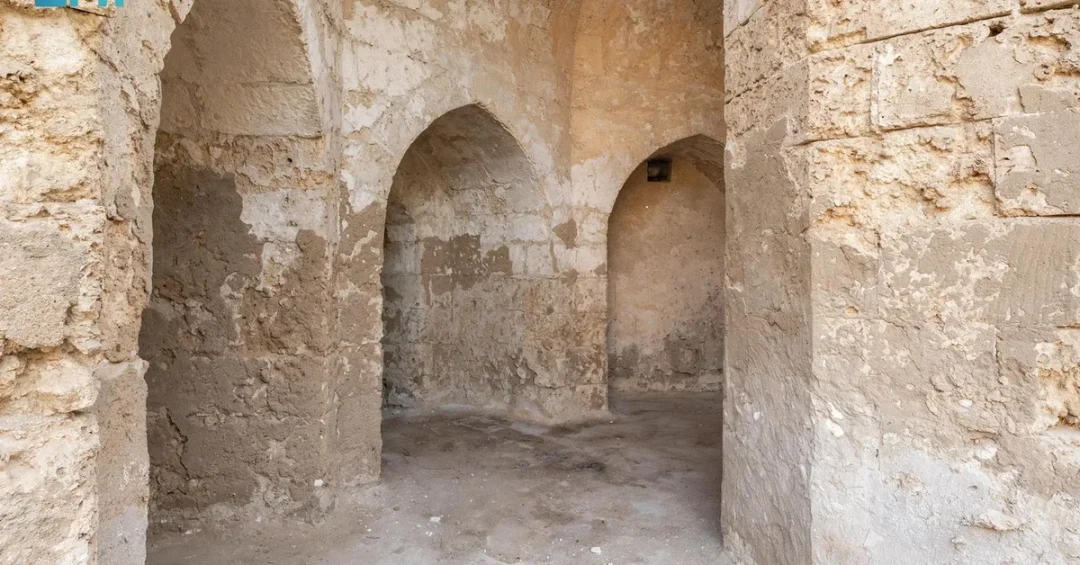
The Al-Shona archaeological site in Historic Jeddah, a landmark whose history spans from the late 15th century to the 20th century, is welcoming visitors this Ramadan 2025 through entrances on Qabel and Gold streets, offering a rare window into the successive transformations of Al-Balad, according to information released by the Jeddah Historic District Program under the Ministry of Culture and shared with visitors at the Nassif House Museum. The site, one of the most prominent heritage landmarks in the heart of Historic Jeddah, has become a focal point for heritage enthusiasts and Ramadan visitors seeking an authentic cultural experience that reflects the deep-rooted traditions of the district, which is recognized as a UNESCO World Heritage site.
For centuries, Al-Shona has anchored the commercial and civic life of Jeddah, evolving in both size and function while retaining a unique historical value. During much of the 20th century it served as a warehouse for merchants storing imported goods from around the world. In the 19th century, the site was smaller and featured several interconnected buildings in the northern half of the current Al-Shona area, operating as a government warehouse where grains, timber, ammunition, and various materials were stored. Today, as Ramadan visitors flow through its entrances, the site narrates the story of a city that has long connected the Red Sea to global trade routes.
Context and Background
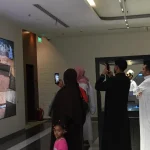
What makes Al-Shona so central to the story of Historic Jeddah, and why does it continue to draw visitors during the holy month? The site is located within Al-Balad, the historic core of Jeddah that was inscribed on the UNESCO World Heritage List in 2014 in recognition of its outstanding universal value as a gateway to the Red Sea and a crossroads of cultures. Al-Shona sits alongside landmarks such as the Nassif House Museum, which this Ramadan invites visitors to experience an exceptional journey through significant archaeological findings from various sites across the district. The collaboration between the museum and the broader heritage program gives visitors a structured way to understand how Al-Balad developed over more than five centuries.
According to information provided by the Jeddah Historic District Program under the Ministry of Culture and shared by tour guides at the Nassif House Museum, Al-Shona’s long evolution mirrors the wider history of Jeddah itself. The site began as a smaller complex of interconnected buildings in the northern half of the current area, then expanded and adapted as the city’s commercial needs changed. Its transformation from a government warehouse to a merchant storage hub reflects Jeddah’s role as a port city where goods, people, and ideas from around the world passed through. For international visitors, Al-Shona offers a tangible connection to that layered past, presented in a setting that remains active and welcoming during Ramadan.
The timing of the site’s Ramadan programming is significant. The holy month brings a distinctive rhythm to Historic Jeddah, with evening gatherings, cultural activities, and a renewed focus on heritage and community. Al-Shona’s doors on Qabel and Gold streets open into a space that evokes the essence of the past while narrating the successive transformations that Al-Balad has witnessed. Rather than a static museum piece, the site functions as a vibrant cultural and historical hub, enhancing Jeddah’s status as a leading tourist and cultural destination during one of the most meaningful periods of the Islamic calendar.
Key Details
What exactly can visitors expect when they step through the entrances on Qabel and Gold streets? The Al-Shona archaeological site presents a layered experience that combines architectural heritage with historical interpretation. Its history spans from the late 15th century to the 20th century, a period during which Jeddah grew from a fortified Red Sea port into a cosmopolitan trading city. The site’s dual entrances connect it to two of the most storied thoroughfares in Al-Balad, allowing visitors to weave the landmark into a broader walking tour of the district’s souqs, coral-stone houses, and historic mosques.
The site’s 19th-century configuration is particularly instructive. At that time, Al-Shona was smaller and consisted of several interconnected buildings in the northern half of the current area. It operated as a government warehouse where grains, timber, ammunition, and various materials were stored, making it an essential node in the city’s logistics and defense infrastructure. This function underscores how Al-Balad’s architecture was shaped not only by trade but also by the administrative needs of the era. For heritage enthusiasts, these details transform a simple visit into an exploration of how governance, commerce, and daily life intersected in historic Jeddah.
In the 20th century, the site’s role shifted again. It served as a warehouse for merchants throughout much of the century, storing imported goods from around the world. This phase reflects Jeddah’s emergence as a modern commercial gateway, where global products arrived by sea and were distributed across the region. The continuity of Al-Shona as a place of storage and exchange, from government provisions to international merchandise, gives it a unique historical value. Visitors today can trace that continuity through the site’s physical remains and the interpretive material provided by the Jeddah Historic District Program, which continues to document and present the district’s archaeological findings.
International and Regional Impact
How does a single heritage site in Jeddah resonate beyond Saudi Arabia’s borders? Al-Shona’s story is inseparable from the Red Sea’s role as a corridor linking Africa, Asia, and Europe. The goods once stored there, from grains and timber to imported merchandise, arrived through networks that connected Jeddah to markets across the region and beyond. By opening the site to visitors during Ramadan, the Jeddah Historic District Program invites an international audience to engage with that shared history. The site becomes a point of encounter where travelers from different countries can appreciate how historic Jeddah functioned as a cosmopolitan hub long before the modern era.
Regionally, the Ramadan activation of Al-Shona reinforces Jeddah’s position as a cultural destination within the wider Middle East. The holy month is a time of heightened cultural activity across the Islamic world, and Historic Jeddah’s programming offers a distinctive blend of spirituality, heritage, and hospitality. For visitors from neighboring countries and the broader region, the site provides an accessible entry point into Al-Balad’s UNESCO-listed fabric. The presence of tour guides at the Nassif House Museum, sharing information about Al-Shona and other archaeological sites, adds an educational dimension that supports cultural tourism and people-to-people connections.
Economic and Strategic Significance
What economic value does heritage tourism generate for Jeddah and the Kingdom? The rehabilitation and promotion of sites such as Al-Shona form part of a broader effort to diversify Saudi Arabia’s economy by developing cultural and tourism assets. Historic Jeddah attracts domestic and international visitors whose spending supports local businesses, guides, artisans, and hospitality providers in and around Al-Balad. By integrating Al-Shona into Ramadan programming, the Jeddah Historic District Program helps extend visitor stays and encourages exploration of the district’s commercial corridors, including the historic souqs near Qabel and Gold streets.
Strategically, the site’s activation demonstrates how preservation and modernization can reinforce each other. The Ministry of Culture, through the Jeddah Historic District Program, has invested in documenting and restoring the district’s heritage while making it accessible to the public. Al-Shona’s transformation into a vibrant cultural and historical hub illustrates a model in which archaeological value is not locked away but shared with visitors. This approach supports the growth of a sustainable tourism sector, creates opportunities for local employment and entrepreneurship, and strengthens Jeddah’s identity as a city that honors its past while building for the future.
Vision 2030 Alignment
How does a five-century-old warehouse connect to Saudi Arabia’s Vision 2030? The vision places culture and tourism among the key engines of economic diversification and national pride. Historic Jeddah, with Al-Shona at its heart, is a flagship asset in that effort. By opening the site during Ramadan and presenting its archaeological findings alongside the collections and programs of the Nassif House Museum, the Kingdom showcases its commitment to preserving heritage as a living part of national life. This aligns with Vision 2030’s goal of increasing cultural participation and attracting millions of visitors to Saudi Arabia’s historic and natural treasures.
As Ramadan 2025 unfolds, Al-Shona stands as a testament to Jeddah’s enduring role as a crossroads of trade, faith, and culture. The site’s journey from a 19th-century government warehouse to a 20th-century merchant storehouse, and now to a welcoming heritage destination, mirrors the broader transformation of Al-Balad under the care of the Jeddah Historic District Program. For international visitors, it offers an authentic encounter with a city that has connected the world for centuries. For Saudi Arabia, it represents another step toward realizing Vision 2030’s ambition of a diversified economy and a globally engaged cultural sector, ensuring that the stories of Al-Balad continue to inspire future generations.
20 Questions
Q1. What is Al-Shona and where is it located?
A1. Al-Shona is a historic archaeological site in Historic Jeddah, known as Al-Balad, in the heart of the city. It is one of the most prominent heritage landmarks in the district and attracts heritage enthusiasts from around the world.
Q2. What period does Al-Shona’s history span?
A2. According to official information, Al-Shona’s history spans from the late 15th century to the 20th century. Over these centuries, the site underwent significant transformations in both size and function, giving it unique historical value.
Q3. What was Al-Shona used for in the 19th century?
A3. In the 19th century, Al-Shona was smaller and featured several interconnected buildings in the northern half of the current area. It operated as a government warehouse storing grains, timber, ammunition, and various materials.
Q4. What role did Al-Shona play in the 20th century?
A4. Throughout much of the 20th century, Al-Shona served as a warehouse for merchants. It stored imported goods from around the world, reflecting Jeddah’s role as a major commercial gateway on the Red Sea.
Q5. How can visitors enter the Al-Shona site?
A5. Al-Shona opens its doors to visitors through two entrances, one on Qabel Street and another on Gold Street. These access points connect the site to key historic thoroughfares in Al-Balad.
Q6. Why is Al-Shona especially popular during Ramadan?
A6. During Ramadan, Al-Shona attracts visitors seeking a rich cultural experience that evokes the past. The site serves as a vibrant cultural and historical hub, enhancing Jeddah’s status as a leading tourist and cultural destination.
Q7. Which organization provides information about Al-Shona?
A7. Information about Al-Shona is provided by the Jeddah Historic District Program under the Ministry of Culture. Tour guides at the Nassif House Museum also share details about the site with visitors.
Q8. What is the Nassif House Museum’s role this Ramadan?
A8. The Nassif House Museum invites visitors to Historic Jeddah to experience an exceptional journey during Ramadan 2025. It showcases significant archaeological findings from various sites, including Al-Shona.
Q9. What makes Al-Balad significant internationally?
A9. Al-Balad, the historic core of Jeddah, is a UNESCO World Heritage site. It was recognized for its outstanding universal value as a gateway to the Red Sea and a historic crossroads of cultures and trade.
Q10. How has Al-Shona’s size changed over time?
A10. In the 19th century, Al-Shona was smaller and consisted of interconnected buildings in the northern half of the current area. Over time, the site expanded and adapted to meet changing commercial and administrative needs.
Q11. What kinds of goods were stored at Al-Shona?
A11. Historically, Al-Shona stored grains, timber, ammunition, and various materials as a government warehouse. Later, as a merchant warehouse, it held imported goods from around the world, reflecting global trade connections.
Q12. Why is Al-Shona considered a heritage landmark?
A12. Al-Shona reflects the authenticity and deep-rooted traditions of Al-Balad’s past. Its long history, architectural features, and evolving functions make it a landmark of unique historical value worthy of exploration.
Q13. What does a visit to Al-Shona offer tourists?
A13. A visit to Al-Shona offers a rich cultural experience that evokes the essence of the past. It narrates the successive transformations that Al-Balad has witnessed and connects visitors to Jeddah’s layered history.
Q14. How does Al-Shona support Jeddah’s tourism sector?
A14. By attracting visitors during Ramadan and throughout the year, Al-Shona supports local businesses, guides, and hospitality providers. It enhances Jeddah’s status as a leading tourist and cultural destination in Saudi Arabia.
Q15. What is the Jeddah Historic District Program?
A15. The Jeddah Historic District Program operates under the Ministry of Culture. It documents, preserves, and promotes the heritage of Historic Jeddah, providing official information about sites such as Al-Shona to visitors and researchers.
Q16. How does Al-Shona connect to Saudi Vision 2030?
A16. Al-Shona supports Vision 2030 by advancing cultural preservation and tourism development. It showcases the Kingdom’s commitment to honoring heritage as a living part of national life while diversifying the economy.
Q17. What can visitors learn at the Nassif House Museum about Al-Shona?
A17. Visitors to the Nassif House Museum can learn about significant archaeological findings from various sites, including Al-Shona. Tour guides share information about the site’s history, functions, and transformations over the centuries.
Q18. Why is Ramadan a special time to visit Historic Jeddah?
A18. Ramadan brings a distinctive rhythm to Historic Jeddah, with evening gatherings and cultural activities. Sites like Al-Shona become vibrant hubs, offering visitors a meaningful blend of spirituality, heritage, and hospitality.
Q19. What streets border the Al-Shona entrances?
A19. Al-Shona’s entrances are located on Qabel Street and Gold Street. These historic streets are part of the fabric of Al-Balad and connect the site to the district’s souqs and landmarks.
Q20. What is the lasting significance of Al-Shona for Saudi Arabia?
A20. Al-Shona represents Jeddah’s enduring role as a crossroads of trade, faith, and culture. Its preservation and promotion reflect Saudi Arabia’s commitment to sharing its heritage with the world under Vision 2030.
Reader Feedback
We value your thoughts. Please share your feedback on this article.
Your feedback helps us improve our coverage.
Related articles
 Abha Named Saudi Arabia’s City with Purest Air in 2024
 Modern Pedestrian Crossings Redefine Access to the Prophet’s Mosque
 Aseer’s Ramadan Nights: Heritage Villages Come Alive
 Madinah’s Rural Farms Offer Unique Ramadan Experience
 Five Sites in Prophet’s Mosque Enrich Visitors’ Experience
 Madinah Governor Opens New Premium Airport Lounge