


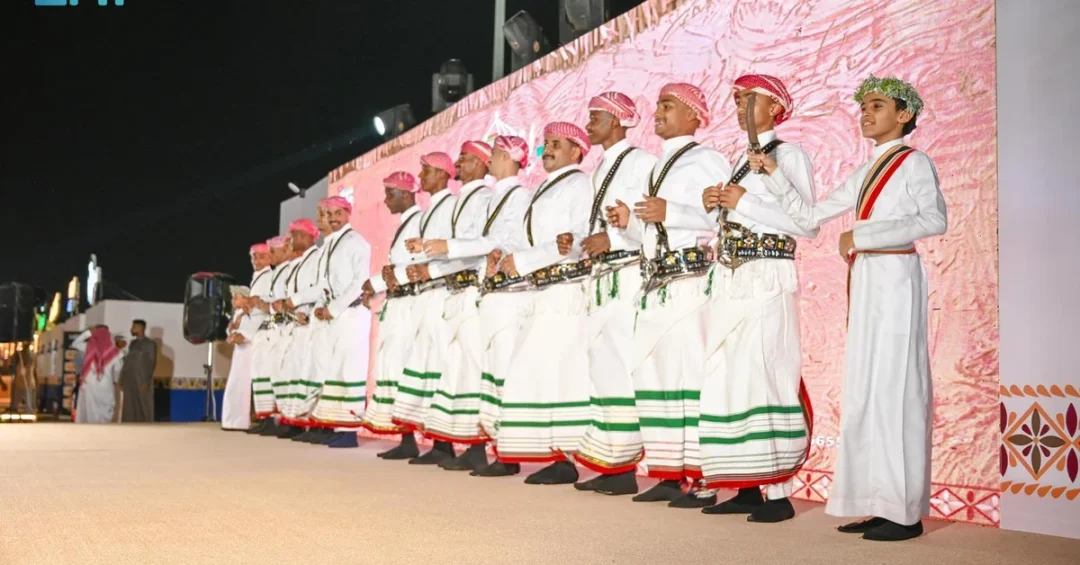
Erth Village, a flagship attraction of the Jazan winter season in southwest Saudi Arabia, is welcoming a growing number of visitors from across the Kingdom and beyond, positioning itself as a leading cultural and tourism destination that celebrates the region’s deep heritage. According to the Saudi Press Agency (SPA), the village offers a distinctive blend of entertainment and culture, with a wide array of shows and activities that spotlight traditional handicrafts — many passed down through generations and still a primary profession for many locals in the region. The development reflects the Kingdom’s broader push to diversify tourism offerings and showcase regional identities under Vision 2030.
The Jazan winter season, organized with support from the Ministry of Tourism and local authorities, has become a key date on Saudi Arabia’s expanding events calendar, drawing families, cultural enthusiasts, and international travelers seeking authentic experiences. Erth Village stands out within this program by transforming intangible heritage into immersive, participatory encounters — from live craft demonstrations to traditional performances, games, and clothing displays that offer insight into the lives of past generations. For a region known for its lush landscapes and Red Sea coastline, the village adds a cultural anchor that complements Jazan’s natural attractions. Why has this small corner of southwest Saudi Arabia become such a powerful magnet for cultural tourism?
Context and Background
Jazan, located along the Red Sea in southwestern Saudi Arabia, is one of the Kingdom’s most culturally and biologically diverse regions. Its history as a crossroads for trade and pilgrimage routes has produced a rich tapestry of traditions, dialects, crafts, and cuisines that differ markedly from other parts of the country. In recent years, the Saudi leadership has placed increasing emphasis on regional tourism development as part of Vision 2030, recognizing that each area’s unique heritage can attract domestic and international visitors while creating economic opportunities for local communities. The Jazan winter season, which typically runs during the cooler months, has emerged as a platform to showcase these assets.
Erth Village — “Erth” meaning heritage in Arabic — was conceived as a living museum where visitors do not simply observe but actively engage with the region’s cultural legacy. The Saudi Press Agency reported that the village is attracting significant numbers of visitors from both within and outside the region, establishing itself as a prominent cultural and tourist destination. This success aligns with the Ministry of Tourism’s strategy to promote year-round, geographically distributed tourism, reducing pressure on established hubs and spreading economic benefits to lesser-known areas. The initiative also supports the National Culture Strategy, which seeks to preserve and celebrate Saudi Arabia’s diverse heritage while making it accessible to global audiences.
How does a heritage village differ from a conventional museum or theme park? At Erth Village, the answer lies in its participatory approach. Rather than static exhibits behind glass, the village offers live interactions with artisans, performers, and cooks, creating a multisensory experience that resonates with visitors of all ages. This model reflects a global trend in cultural tourism toward authenticity and immersion, and it positions Jazan as a forward-thinking destination within the Kingdom’s evolving tourism landscape.
Key Details: A Living Tapestry of Jazan’s Heritage
According to the Saudi Press Agency, Erth Village immerses visitors in traditional performances, games, and clothing, providing insight into the lives and heritage of past generations in the region. Artisans demonstrate handicrafts that have been passed down through generations, and many of these crafts remain a primary profession for local families. Visitors can watch weavers, potters, and metalworkers at work, learning about the techniques and materials that define Jazan’s material culture. The village also features displays of traditional attire, with intricate embroidery and vibrant colors that reflect the region’s identity and history.
Food enthusiasts can indulge in traditional dishes that showcase local ingredients and culinary traditions, enhancing the overall visitor experience. Jazan’s cuisine is known for its use of fresh seafood, aromatic spices, and staple grains, and the village provides a platform for local cooks to present these flavors to a wider audience. Additionally, visitors can explore the distinctive fragrances of local perfumes and herbs, gaining a deeper appreciation for the rich history and beauty of the Jazan region. These olfactory experiences connect visitors to the area’s botanical wealth, including frankincense, myrrh, and other aromatic plants that have been traded for centuries.
What makes these experiences particularly compelling is the integration of education and entertainment. Families can participate in workshops, children can try traditional games, and adults can engage in conversations with craftspeople about the challenges and rewards of keeping heritage alive. The village’s layout, designed to evoke a traditional Jazan settlement, includes open courtyards, market stalls, and performance spaces that encourage exploration and discovery. This thoughtful design ensures that every element reinforces the narrative of cultural continuity and pride.
International and Regional Impact
Erth Village’s growing popularity has implications beyond Jazan’s borders. For international visitors, it offers a window into a Saudi Arabia that is rich in regional diversity, countering stereotypes and showcasing the Kingdom’s commitment to preserving its cultural heritage while opening up to the world. The village also serves as a model for other regions in Saudi Arabia that are developing their own tourism offerings, demonstrating how local traditions can be transformed into sustainable attractions. Regional neighbors and global travel markets are increasingly recognizing Saudi Arabia as a destination for cultural tourism, and initiatives like this contribute to that reputation.
Moreover, the village fosters people-to-people connections. Visitors from other Gulf countries, Asia, Europe, and the Americas can interact with local artisans and performers, creating mutual understanding and appreciation. The Saudi Press Agency’s coverage highlights that the village attracts visitors from both within and outside the region, indicating a broad appeal that transcends local boundaries. This cross-cultural exchange is a cornerstone of the Kingdom’s public diplomacy efforts, aligning with the goals of Vision 2030 to build bridges with the international community.
How does a single heritage village contribute to Saudi Arabia’s global image? By providing authentic, high-quality experiences, Erth Village helps shape narratives about the Kingdom that emphasize creativity, hospitality, and respect for tradition. In an era where travelers seek meaningful connections, such destinations become ambassadors for the country’s cultural renaissance.
Economic and Strategic Significance
The economic impact of Erth Village extends to local employment, small business development, and tourism revenue. Artisans, performers, chefs, and guides are engaged directly, while nearby hotels, restaurants, and transport services benefit from increased visitor traffic. The Saudi Press Agency notes that many handicrafts remain a primary profession for locals, and the village provides a vital market for these products, helping to sustain traditional livelihoods. This aligns with Vision 2030’s objective of empowering small and medium enterprises and creating jobs for Saudi citizens, particularly in the tourism and culture sectors.
Strategically, the village supports the diversification of the national economy away from oil dependence. Tourism is a key pillar of Vision 2030, with targets to increase the sector’s contribution to GDP and attract millions of international visitors annually. By investing in regional attractions like Erth Village, Saudi Arabia broadens its tourism portfolio, offering cultural experiences that complement religious pilgrimage, business travel, and entertainment events. The Jazan winter season also extends the tourism calendar, drawing visitors during months when other regions may be less active, thus promoting year-round economic activity.
What role does community participation play in this success? Local involvement is central to the village’s authenticity and sustainability. When residents see their heritage valued and rewarded, they become active stewards of their culture, ensuring that traditions are not only preserved but also evolve. This grassroots engagement is a model for inclusive development, reflecting the Vision 2030 principle of leaving no region behind.
Vision 2030 Alignment
Erth Village exemplifies several core objectives of Saudi Vision 2030, the comprehensive reform plan launched by Crown Prince Mohammed bin Salman. First, it advances the goal of a vibrant society by celebrating cultural heritage and providing recreational opportunities that strengthen national identity. Second, it contributes to a thriving economy by creating jobs, supporting local businesses, and attracting tourism spending. Third, it promotes the Kingdom’s global engagement by welcoming international visitors and showcasing Saudi Arabia’s cultural richness. The village also aligns with the National Tourism Strategy, which aims to make Saudi Arabia a top global destination.
Looking ahead, the success of Erth Village and the Jazan winter season is expected to inspire further investment in cultural tourism across the Kingdom. As Saudi Arabia continues its journey toward Vision 2030, such initiatives will play a vital role in diversifying the economy, empowering communities, and sharing the Kingdom’s story with the world. For visitors, Erth Village offers more than a day out — it is an invitation to connect with the soul of Jazan and, by extension, the heart of a changing Saudi Arabia.
Will Erth Village become a blueprint for other regions? The early signs are promising, and the Kingdom’s commitment to heritage and innovation suggests that this blend of tradition, art, and culture will continue to flourish for generations to come.
20 Questions
Q1. What is Erth Village?
A1. Erth Village is a cultural and tourist destination in Jazan, Saudi Arabia, that showcases the region’s heritage through handicrafts, performances, traditional clothing, food, and fragrances. It is a key highlight of the Jazan winter season.
Q2. Where is Jazan located?
A2. Jazan is a region in southwestern Saudi Arabia along the Red Sea coast. It is known for its lush landscapes, diverse culture, and rich history as a crossroads of trade and pilgrimage routes.
Q3. What can visitors experience at Erth Village?
A3. Visitors can watch live demonstrations of traditional handicrafts, enjoy performances and games, try on traditional clothing, taste local dishes, and explore local perfumes and herbs. The experience is immersive and educational.
Q4. Why is Erth Village important for Jazan?
A4. It attracts visitors from within and outside the region, boosting local tourism and providing a market for artisans whose crafts are often their primary profession. It also reinforces regional pride and cultural identity.
Q5. How does Erth Village support Vision 2030?
A5. It aligns with Vision 2030 by promoting cultural tourism, creating jobs, supporting small businesses, and showcasing Saudi heritage to the world. It contributes to economic diversification and global engagement.
Q6. What types of handicrafts are featured?
A6. The village features handicrafts passed down through generations, such as weaving, pottery, metalwork, and embroidery. Many of these crafts remain a primary profession for locals in the Jazan region.
Q7. Are there traditional performances?
A7. Yes, Erth Village hosts traditional performances that reflect Jazan’s cultural heritage. These include music, dance, and storytelling that provide insight into the lives of past generations.
Q8. What food is available at the village?
A8. Visitors can enjoy traditional dishes that showcase local ingredients and culinary traditions. Jazan’s cuisine often features fresh seafood, aromatic spices, and staple grains, offering a unique taste of the region.
Q9. Can visitors buy local products?
A9. Yes, visitors can purchase handicrafts, perfumes, herbs, and other local products. This supports local artisans and helps sustain traditional livelihoods in the region.
Q10. Who organizes the Jazan winter season?
A10. The Jazan winter season is organized with support from the Ministry of Tourism and local authorities, as part of Saudi Arabia’s efforts to promote regional tourism and cultural events across the Kingdom.
Q11. Is Erth Village suitable for families?
A11. Yes, the village offers activities for all ages, including workshops, games, and performances. Families can enjoy a day of learning and entertainment in a safe, welcoming environment.
Q12. How does Erth Village preserve heritage?
A12. By providing a platform for artisans to practice and teach their crafts, and by immersing visitors in traditions, the village keeps heritage alive and relevant. It also creates economic incentives for preservation.
Q13. What is the significance of the name ‘Erth’?
A13. ‘Erth’ means heritage in Arabic, reflecting the village’s mission to celebrate and preserve the cultural legacy of the Jazan region. The name underscores the focus on tradition and continuity.
Q14. Are there international visitors?
A14. Yes, the village attracts visitors from both within and outside the region, including international tourists. This cross-cultural exchange enhances Saudi Arabia’s global image and people-to-people ties.
Q15. What economic benefits does the village bring?
A15. It creates jobs for artisans, performers, and guides, supports local businesses, and generates tourism revenue. It also helps diversify the local economy beyond traditional sectors.
Q16. How does the village fit into Saudi Arabia’s tourism strategy?
A16. It supports the National Tourism Strategy by offering authentic cultural experiences that attract domestic and international visitors, contributing to the goal of making Saudi Arabia a top global destination.
Q17. What makes Jazan’s culture unique?
A17. Jazan’s culture is shaped by its Red Sea location, African and Arabian influences, and agricultural heritage. Its crafts, music, cuisine, and dress differ from other Saudi regions, offering a distinctive cultural experience.
Q18. Can visitors learn traditional games?
A18. Yes, the village offers opportunities to participate in traditional games, providing fun and insight into the recreational activities of past generations in the Jazan region.
Q19. Is photography allowed at Erth Village?
A19. Photography is generally allowed, but visitors should be respectful of performers and artisans. Specific rules may apply during certain performances or in designated areas.
Q20. How can one plan a visit to Erth Village?
A20. Visitors can check the Jazan winter season schedule through official Saudi tourism channels, including the Saudi Press Agency and the Ministry of Tourism, for dates, locations, and event details.
Reader Feedback
We value your thoughts. Please share your feedback on this article.
Your feedback helps us improve our coverage.
Related articles
 Greek PM Visits AlUla’s Ancient Wonders
 Recent Rains Draw Crowds to Al-Mugmass Valley in Makkah
 Makkah Taxi Service Launched at Hajj Conference
 Saudi Tourism Ministry Conducts 9,655 Inspections in Q3 2024
 King Abdulaziz Reserve Launches Vision 2030 Strategy
 Dunes of Arabia Brings Authentic Desert Heritage to Riyadh Season