


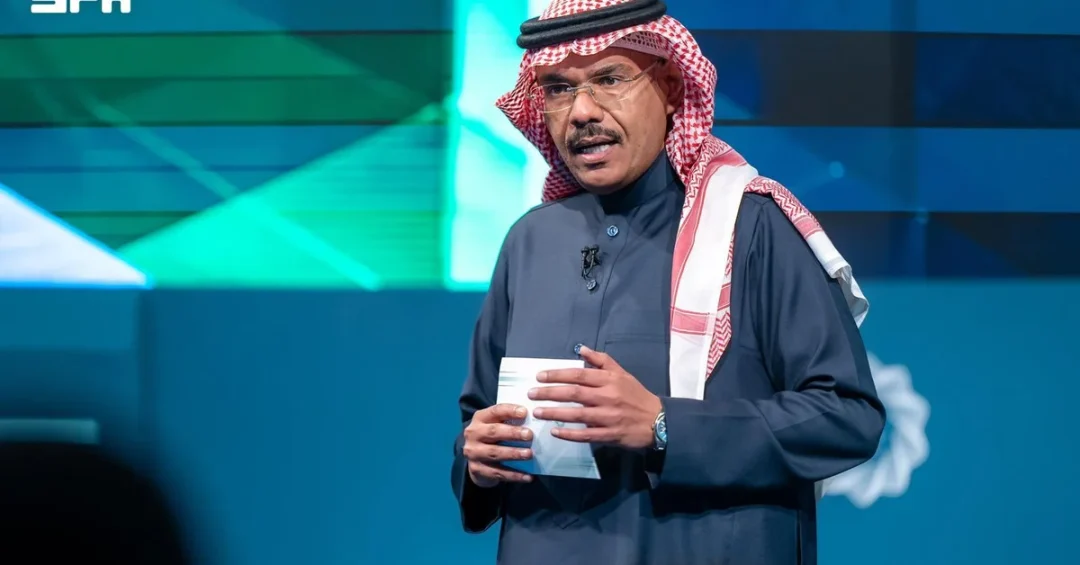
Saudi Arabia’s health ecosystem delivered more than 109 million services in 2026, according to Assistant Minister of Health for Health Services Dr. Mohammed Al-Abdulaali, who presented the sector’s annual achievements during the Budget 2027 Forum in Riyadh. The announcement, carried by the Saudi Press Agency, highlighted a year of measurable progress under the Health Sector Transformation Program, a core initiative of Saudi Vision 2030. Dr. Al-Abdulaali confirmed that the system added 116 projects, including 15 new ones and the development of over 101 sites, while health coverage of population clusters reached 97 percent. The figures underscore a sustained national effort to expand access, raise quality, and place prevention at the center of care.
How does a health system serving millions measure its own success? For Saudi Arabia, the answer lies in a combination of volume, speed, and patient experience. Surgical procedures rose to 13,000 per week, and 94.6 percent of emergency patients received care within four hours. The beneficiary experience index climbed to more than 89 percent, up from 66 percent in 2017, based on an independent international measurement. These results, Dr. Al-Abdulaali said, motivate continued work to bring care closer to citizens and residents, improve services, and prioritize prevention. The Budget 2027 Forum provided the platform for this review, linking health achievements directly to the Kingdom’s fiscal and development planning.
Context and Background
What does it take to transform a health system at national scale? Saudi Arabia’s Health Sector Transformation Program, launched under Vision 2030, was designed to shift the focus from reactive treatment to proactive, patient-centered care. The program operates within a broader framework that includes the Ministry of Health, the Health Insurance Council, and the Saudi Health Council, all working to integrate public and private providers. The 2026 results presented by Dr. Al-Abdulaali reflect years of incremental investment in infrastructure, digital health, and workforce development. The expansion of 101 sites and the addition of 15 new projects are not isolated events; they are part of a deliberate strategy to ensure that every region of the Kingdom has access to high-quality services.
The Budget 2027 Forum, where these achievements were reviewed, serves as a key annual checkpoint for aligning sector performance with national spending priorities. By presenting health outcomes alongside budget discussions, the Ministry of Health demonstrates accountability and transparency. Dr. Al-Abdulaali’s role as Assistant Minister for Health Services places him at the center of this effort, overseeing the operational delivery of care across hospitals, primary care centers, and specialized clinics. The 97 percent coverage of population clusters is particularly significant, as it indicates that nearly all segments of society are now within reach of essential health services. This milestone builds on earlier phases of the transformation, which focused on reducing waiting times, upgrading emergency care, and expanding preventive screenings.
Key Details
What do the numbers reveal about the scale of Saudi Arabia’s health ambitions? More than 109 million services delivered in a single year represents a massive operational undertaking. These services range from routine consultations and diagnostic tests to complex surgeries and emergency interventions. The addition of 116 projects, including 15 new ones, signals ongoing capital investment in hospitals, clinics, and medical technology. The development of over 101 sites further expands the physical footprint of care, particularly in underserved areas. Surgical capacity reached 13,000 operations per week, a figure that reflects both increased demand and improved efficiency in operating rooms. Emergency care performance, with 94.6 percent of patients treated within four hours, meets a critical benchmark for timely intervention.
The beneficiary experience index, which rose to over 89 percent from 66 percent in 2017, is based on an independent international measurement. This external validation adds credibility to the Ministry’s claims and highlights the importance of patient feedback in shaping services. Dr. Al-Abdulaali emphasized that these results are not an endpoint but a foundation for further improvement. He noted that the system must continue to bring care closer to communities, enhance service quality, and prioritize prevention. The focus on prevention aligns with global best practices, as it reduces the long-term burden on hospitals and improves population health. The 2026 achievements also reflect the integration of digital tools, such as telemedicine and electronic health records, which have streamlined patient journeys and reduced administrative delays.
International and Regional Impact
How does Saudi Arabia’s health progress resonate beyond its borders? As the largest economy in the Middle East, the Kingdom’s advancements in healthcare set a benchmark for the region. The 97 percent coverage of population clusters and the high beneficiary experience index demonstrate that large-scale transformation is achievable in a relatively short time. Neighboring Gulf states and other countries in the region often look to Saudi Arabia for best practices in health system reform. The Kingdom’s participation in international forums and its adoption of independent measurement standards signal a commitment to global norms. Moreover, the health sector’s growth creates opportunities for international partnerships, research collaborations, and medical tourism.
The World Health Organization and other global bodies have recognized Saudi Arabia’s efforts in areas such as pandemic preparedness and digital health. The 2026 results, including the rapid emergency care response, reinforce the Kingdom’s capacity to manage public health challenges. For international investors and healthcare companies, the expanding network of facilities and the emphasis on quality present attractive opportunities. The Budget 2027 Forum itself is a platform where global stakeholders can observe Saudi Arabia’s fiscal discipline and strategic planning. By sharing its achievements, the Kingdom contributes to the global knowledge pool on health transformation, demonstrating that Vision 2030 is not just an economic blueprint but also a social and humanitarian one.
Economic and Strategic Significance
What is the economic value of a healthier population? For Saudi Arabia, improved health outcomes translate directly into a more productive workforce, reduced absenteeism, and lower long-term healthcare costs. The 109 million services delivered in 2026 represent a significant investment in human capital, which is essential for the diversification goals of Vision 2030. The 116 projects and 101 site developments create jobs, stimulate local supply chains, and attract private sector investment. The Ministry of Health’s collaboration with the private sector, under the Health Sector Transformation Program, is designed to increase efficiency and innovation. As the Kingdom prepares for Budget 2027, the health sector’s performance provides a strong case for continued funding.
Strategically, a robust health system enhances national resilience and soft power. During global health crises, Saudi Arabia has demonstrated its ability to mobilize resources and maintain service delivery. The 2026 achievements, including the high coverage rate and patient satisfaction, bolster the Kingdom’s reputation as a reliable partner in international health security. The focus on prevention also aligns with the economic goal of reducing costly emergency interventions. By investing in primary care and early detection, the Ministry of Health is helping to bend the cost curve while improving quality of life. This approach is consistent with the broader Vision 2030 objective of creating a vibrant society and a thriving economy.
Vision 2030 Alignment
How does the 2026 health report connect to Saudi Arabia’s long-term vision? The Health Sector Transformation Program is one of the Vision 2030 realization programs, and its achievements are a direct reflection of the Kingdom’s commitment to citizen well-being. The 97 percent coverage of population clusters, the 13,000 weekly surgeries, and the 94.6 percent emergency care compliance are tangible indicators of progress toward universal health coverage. The rise in the beneficiary experience index to over 89 percent shows that patients are not only receiving more services but also better ones. Dr. Al-Abdulaali’s remarks at the Budget 2027 Forum underscore the integration of health into national planning, ensuring that resources are allocated effectively.
Looking ahead, the Ministry of Health aims to build on this momentum by further decentralizing services, expanding telemedicine, and promoting healthy lifestyles. The 2026 results provide a solid evidence base for these next steps. As Saudi Arabia continues its journey toward Vision 2030, the health sector will remain a cornerstone of social development and economic prosperity. The Kingdom’s ability to deliver over 109 million services in a year, while improving quality and access, demonstrates that its transformation model is working. For international observers, this is a clear signal that Saudi Arabia is not only meeting its targets but also setting new standards for healthcare in the region and beyond.
20 Questions
Q1. What was the main announcement made by Dr. Mohammed Al-Abdulaali?
A1. Dr. Mohammed Al-Abdulaali, Assistant Minister of Health for Health Services, announced that the Saudi health ecosystem delivered more than 109 million services in 2026 during the Budget 2027 Forum in Riyadh.
Q2. How many projects were added to the health system in 2026?
A2. The health system added 116 projects in 2026, including 15 new ones, and developed over 101 sites across the Kingdom to expand access to care.
Q3. What percentage of population clusters are covered by health services?
A3. Health coverage of population clusters reached 97 percent in 2026, indicating that nearly all segments of society have access to essential health services under the transformation program.
Q4. How many surgeries are performed weekly in Saudi Arabia?
A4. Surgical procedures rose to 13,000 per week in 2026, reflecting increased capacity and efficiency in hospitals and specialized centers across the Kingdom.
Q5. What is the emergency care response time achievement?
A5. In 2026, 94.6 percent of emergency patients received care within four hours, meeting a critical benchmark for timely and effective emergency medical intervention.
Q6. How did the beneficiary experience index change from 2017 to 2026?
A6. The beneficiary experience index rose from 66 percent in 2017 to more than 89 percent in 2026, according to an independent international measurement, reflecting improved patient satisfaction.
Q7. What is the Health Sector Transformation Program?
A7. The Health Sector Transformation Program is a Vision 2030 initiative designed to shift Saudi Arabia’s health system toward proactive, patient-centered care, improving access, quality, and prevention.
Q8. Where was the 2026 health achievement announced?
A8. The achievements were announced during the Budget 2027 Forum in Riyadh, providing a platform to align health sector performance with national fiscal and development planning.
Q9. What does the 97 percent coverage mean for Saudi citizens?
A9. It means that 97 percent of population clusters are within reach of essential health services, ensuring equitable access across urban and rural areas in the Kingdom.
Q10. How does the health sector contribute to Vision 2030?
A10. The health sector contributes to Vision 2030 by improving quality of life, enhancing workforce productivity, and supporting economic diversification through a healthier population and job creation.
Q11. What is the significance of the independent international measurement?
A11. The independent international measurement validates the Ministry of Health’s claims, adding credibility and demonstrating transparency in assessing patient experience and service quality.
Q12. How many new projects were specifically added in 2026?
A12. Fifteen new projects were added in 2026, as part of the 116 total projects, focusing on expanding infrastructure and enhancing service delivery across the health ecosystem.
Q13. What did Dr. Al-Abdulaali say motivates continued work?
A13. He said the results motivate continued work to bring care closer to communities, improve services, and put prevention first, ensuring sustained progress under Vision 2030.
Q14. What is the role of the Budget 2027 Forum?
A14. The Budget 2027 Forum serves as a key annual checkpoint for reviewing sector performance and aligning health outcomes with national spending priorities and strategic goals.
Q15. How does the health transformation impact the economy?
A15. It boosts economic productivity by reducing absenteeism, lowering long-term healthcare costs, and creating jobs through infrastructure projects and private sector partnerships.
Q16. What preventive measures are emphasized in the transformation?
A16. The transformation emphasizes prevention through early detection, primary care expansion, and healthy lifestyle promotion to reduce the burden on hospitals and improve population health.
Q17. How does Saudi Arabia’s health progress compare regionally?
A17. Saudi Arabia’s health progress sets a regional benchmark, with high coverage and patient satisfaction rates that other Gulf states and Middle Eastern countries often look to as best practices.
Q18. What technologies are integrated into the health system?
A18. Digital tools such as telemedicine and electronic health records are integrated to streamline patient journeys, reduce delays, and enhance the overall efficiency of service delivery.
Q19. What are the next steps for the Ministry of Health?
A19. The Ministry aims to further decentralize services, expand telemedicine, and promote healthy lifestyles, building on the 2026 achievements to achieve universal health coverage.
Q20. How do the 2026 results reflect Saudi Arabia’s global role?
A20. The results demonstrate Saudi Arabia’s capacity to manage large-scale health transformation, enhancing its soft power and positioning the Kingdom as a leader in global health security.
Reader Feedback
We value your thoughts. Please share your feedback on this article.
Your feedback helps us improve our coverage.
Related articles
 Arab Forum on Nuclear Medicine Opens in Tunisia
 Saudi Conjoined Twins Programme: 75 Surgeries, 161 Cases
 KFSH and SFDA Review Cell and Gene Therapy Facility
 Saudi Medical Services Chief Highlights Innovation at SAIF
 Jeddah Municipality Adopts Real-Time PCR for Food Safety
 Health Ministry Detects Sick Leave Violations, Takes Legal Action