


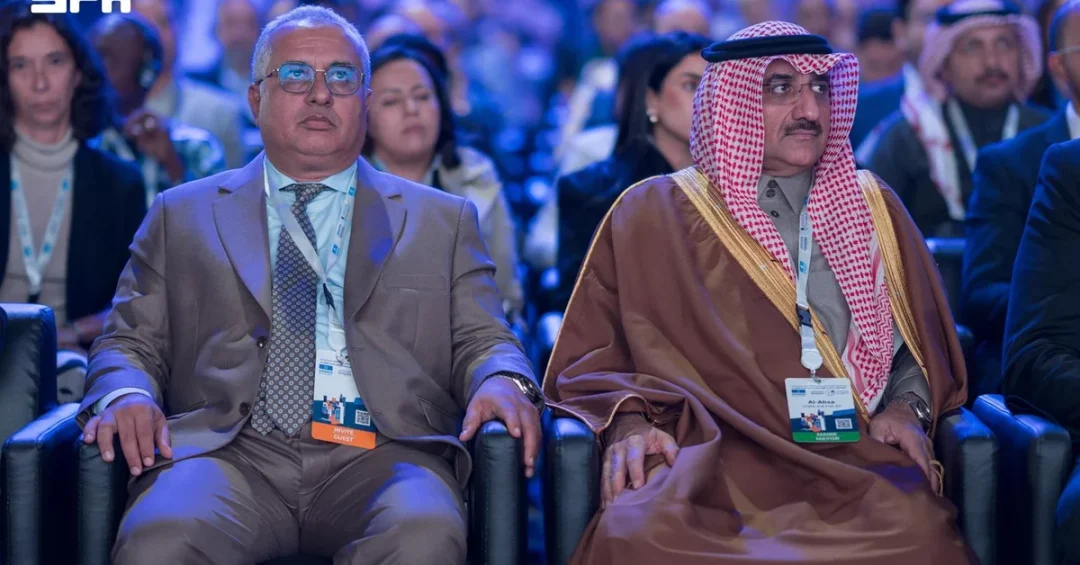
Al-Ahsa Creative City, an initiative of the local municipality, participated in the 18th UNESCO Creative Cities Network Annual Conference in Essaouira, Morocco, which concluded on November 27, 2026. The conference, held under the patronage of Moroccan King Mohammed VI, brought together representatives from 123 cities across 53 countries under the theme “Cultural Innovation for Integrated Sustainable Urban Development.” This marked the first time the event was held in Africa and the Arab world, underscoring the growing recognition of cultural heritage as a driver of sustainable urban growth. Al-Ahsa’s delegation showcased how the city leverages culture and ingenuity to promote development, empower youth, and advance the creative economy. The participation highlights Saudi Arabia’s commitment to global cultural exchange and its Vision 2030 goal of fostering a vibrant society and diversified economy.
How does a city’s cultural heritage become a catalyst for modern urban development? For Al-Ahsa, the answer lies in its active role within the UNESCO Creative Cities Network, where it has distinguished itself in the Crafts and Folk Art category. By engaging with international counterparts, Al-Ahsa not only shares its own experiences but also learns from global best practices. This exchange is vital for the city’s ongoing efforts to preserve its unique heritage while embracing innovation. The conference provided a platform for Al-Ahsa to reinforce its cultural and civilizational standing, demonstrating how traditional crafts can fuel economic opportunities and community empowerment. As Saudi Arabia continues to open up to the world, such participation aligns seamlessly with the Kingdom’s broader strategic objectives.
Context and Background
What is the significance of the UNESCO Creative Cities Network for participating cities? Established in 2004, the network aims to promote cooperation among cities that have identified creativity as a strategic factor for sustainable urban development. With 350 member cities worldwide, it covers seven creative fields: Crafts and Folk Art, Media Arts, Film, Design, Gastronomy, Literature, and Music. Al-Ahsa was designated a UNESCO Creative City in 2015 in recognition of its rich traditions in crafts and folk art, becoming the first city in the Gulf region to join the network. Since then, it has actively contributed to the network’s objectives, particularly in preserving and promoting traditional crafts such as pottery, weaving, and palm frond products. The annual conference serves as a key moment for members to share insights, forge partnerships, and shape the future of creative cities globally.
This year’s conference in Essaouira was particularly historic as it was the first to be held in Africa and the Arab world. The choice of Essaouira, a Moroccan city renowned for its own cultural heritage, reflects the growing importance of the Global South in shaping sustainable development narratives. The theme, “Cultural Innovation for Integrated Sustainable Urban Development,” resonates with Al-Ahsa’s own approach, which integrates cultural preservation with economic diversification. By participating, Al-Ahsa not only showcases its achievements but also strengthens South-South cooperation and cultural diplomacy. The event also provided a timely opportunity to discuss how creative industries can contribute to post-pandemic recovery and resilience, a topic of keen interest to many participating cities.
Key Details
What specific contributions did Al-Ahsa make at the conference? The delegation, led by Al-Ahsa Mayor Eng. Essam bin Abdul Latif Al-Mulla, emphasized the importance of culture in sustainable urban development, drawing attention to the city’s rich heritage. In his remarks, Al-Mulla highlighted how Al-Ahsa has successfully integrated cultural preservation into its urban planning, creating jobs and fostering community pride. He also pointed to the city’s efforts to empower youth through training programs in traditional crafts, ensuring that these skills are passed on to future generations. The mayor’s message resonated with attendees, as many cities face similar challenges in balancing modernization with heritage conservation.
UNESCO Assistant Director-General for Culture Nayef Al-Fayez discussed the role of heritage and creativity in shaping urban identity. He praised Al-Ahsa’s model, noting that cities that invest in culture are better positioned to attract tourism and investment. Al-Fayez also underscored UNESCO’s commitment to supporting member cities in developing policies that harness creativity for social and economic benefit. The conference also featured Al-Ahsa Creative City Coordinator Ibrahim Al-Shubaith, who engaged in discussions on traditional crafts. As the governorate leads coordination of the network’s Crafts and Folk Art cluster, Al-Shubaith shared insights on how Al-Ahsa has mobilized local artisans and created market linkages for their products. These discussions are expected to lead to collaborative projects among member cities, further enhancing Al-Ahsa’s global network.
International and Regional Impact
How does Al-Ahsa’s participation influence regional and international perceptions of Saudi Arabia? By actively engaging in UNESCO’s Creative Cities Network, Al-Ahsa showcases Saudi Arabia’s commitment to cultural diplomacy and international cooperation. This participation helps counter stereotypes and presents the Kingdom as a dynamic, culturally rich nation that values its heritage while embracing modernity. For the Middle East and North Africa region, Al-Ahsa’s leadership in the Crafts and Folk Art cluster serves as a model for other cities seeking to leverage culture for development. It also strengthens ties with African and Arab cities, fostering a sense of shared purpose and mutual learning. As the first Gulf city in the network, Al-Ahsa’s continued involvement paves the way for greater regional representation in global cultural forums.
On a broader scale, the conference highlighted the growing recognition of culture as a pillar of sustainable development, aligning with UNESCO’s broader agenda and the UN’s Sustainable Development Goals. Al-Ahsa’s presence reinforced the message that cultural innovation is not a luxury but a necessity for resilient, inclusive cities. The exchange of ideas between Al-Ahsa and other creative cities could lead to joint initiatives in areas such as craft tourism, digital archiving of heritage, and youth exchange programs. These collaborations not only benefit Al-Ahsa but also contribute to a more interconnected and culturally vibrant world. For Saudi Arabia, such engagements are integral to its Vision 2030 strategy, which seeks to diversify the economy and promote a positive global image.
Economic and Strategic Significance
What economic benefits can Al-Ahsa derive from its UNESCO Creative City status? The creative economy is a growing sector globally, and Al-Ahsa’s focus on crafts and folk art positions it to tap into this market. By participating in international conferences, the city can attract tourists interested in cultural experiences, boost sales of local crafts, and create jobs in tourism and related industries. The municipality has been investing in infrastructure and training to support artisans, helping them adapt to modern markets while preserving traditional techniques. These efforts align with Saudi Arabia’s Vision 2030 goal of increasing the contribution of non-oil sectors to the economy and creating employment opportunities for young people.
Strategically, Al-Ahsa’s active role in the UNESCO network enhances Saudi Arabia’s soft power and cultural influence. It demonstrates the Kingdom’s willingness to engage with the international community on shared values such as heritage preservation and sustainable development. This is particularly important as Saudi Arabia positions itself as a global hub for tourism and investment. The connections forged at the conference can lead to partnerships that bring expertise and resources to Al-Ahsa, further accelerating its development. Moreover, by leading the Crafts and Folk Art cluster, Al-Ahsa gains a platform to shape global discourse on the role of traditional crafts in contemporary society, ensuring that its voice is heard on the world stage.
Vision 2030 Alignment
How does Al-Ahsa’s participation in the UNESCO Creative Cities Conference reflect Saudi Arabia’s Vision 2030? Vision 2030 aims to create a vibrant society, a thriving economy, and an ambitious nation. Al-Ahsa’s efforts to preserve and promote its cultural heritage directly contribute to the first pillar by enriching the quality of life and fostering a strong national identity. The city’s focus on empowering youth and developing the creative economy supports the second pillar by diversifying income sources and creating jobs. Furthermore, by engaging internationally, Al-Ahsa enhances Saudi Arabia’s global standing, aligning with the third pillar. The municipality’s initiatives, such as training programs for artisans and the development of cultural tourism, are concrete steps toward achieving these goals.
As Saudi Arabia continues its transformation, cities like Al-Ahsa play a crucial role in showcasing the Kingdom’s progress and potential. The participation in the Essaouira conference is not just a one-time event but part of a sustained effort to integrate culture into development strategies. By learning from global peers and sharing its own successes, Al-Ahsa is helping to build a more diverse and sustainable economy. This, in turn, supports the overarching Vision 2030 objective of positioning Saudi Arabia as a leader in the region and beyond. The city’s achievements serve as an inspiration for other Saudi cities to harness their unique cultural assets for development, contributing to a more balanced and prosperous nation.
20 Questions
Q1. What was the 18th UNESCO Creative Cities Network Annual Conference?
A1. It was a gathering of representatives from 123 cities across 53 countries, held in Essaouira, Morocco, under the patronage of King Mohammed VI. The theme was “Cultural Innovation for Integrated Sustainable Urban Development.” It marked the first time the event was held in Africa and the Arab world.
Q2. Which Saudi city participated in the conference?
A2. Al-Ahsa Creative City, an initiative of the local municipality, represented Saudi Arabia. It is the first Gulf city to join the UNESCO Creative Cities Network, in the Crafts and Folk Art category.
Q3. What is the UNESCO Creative Cities Network?
A3. It is a global network of cities that have identified creativity as a strategic factor for sustainable urban development. Founded in 2004, it covers seven creative fields and fosters cooperation among member cities.
Q4. Why was Al-Ahsa designated a UNESCO Creative City?
A4. Al-Ahsa was recognized in 2015 for its rich traditions in crafts and folk art, including pottery, weaving, and palm frond products. Its designation highlights its commitment to preserving and promoting cultural heritage.
Q5. Who led the Al-Ahsa delegation at the conference?
A5. The delegation was led by Eng. Essam bin Abdul Latif Al-Mulla, the Mayor of Al-Ahsa. He emphasized the importance of culture in sustainable urban development and highlighted the city’s heritage.
Q6. What did the mayor of Al-Ahsa discuss at the conference?
A6. Mayor Al-Mulla discussed how Al-Ahsa integrates cultural preservation into urban planning, empowers youth through craft training, and fosters community pride. He underscored culture’s role in development.
Q7. What role did UNESCO Assistant Director-General Nayef Al-Fayez play?
A7. He discussed the role of heritage and creativity in shaping urban identity. He praised Al-Ahsa’s model and underscored UNESCO’s support for member cities in leveraging creativity for social and economic benefit.
Q8. How did Al-Ahsa showcase its creative economy?
A8. Al-Ahsa demonstrated how it uses culture and ingenuity to promote development, empower youth, and advance the creative economy. It shared its experience in mobilizing artisans and creating market linkages.
Q9. What is the Crafts and Folk Art cluster?
A9. It is one of the seven creative fields in the UNESCO Creative Cities Network. Al-Ahsa leads the coordination of this cluster, facilitating collaboration among member cities in traditional crafts.
Q10. Who is Ibrahim Al-Shubaith?
A10. Ibrahim Al-Shubaith is the Al-Ahsa Creative City Coordinator. He engaged in discussions on traditional crafts at the conference, sharing insights on how Al-Ahsa supports local artisans.
Q11. What is the significance of the conference being held in Africa and the Arab world for the first time?
A11. It reflects the growing importance of the Global South in shaping sustainable development narratives. It also strengthens South-South cooperation and cultural diplomacy among participating cities.
Q12. How does Al-Ahsa’s participation benefit Saudi Arabia’s global image?
A12. It showcases Saudi Arabia’s commitment to cultural diplomacy and international cooperation, presenting the Kingdom as a dynamic, culturally rich nation that values heritage while embracing modernity.
Q13. What economic opportunities does Al-Ahsa’s UNESCO status create?
A13. It can attract cultural tourists, boost sales of local crafts, and create jobs in tourism and related industries. This aligns with Vision 2030’s goal of diversifying income sources.
Q14. How does Al-Ahsa empower youth through its creative initiatives?
A14. Al-Ahsa offers training programs in traditional crafts, ensuring skills are passed to future generations. This empowers youth with economic opportunities and fosters community pride.
Q15. What is the theme of the 2026 conference and why is it relevant?
A15. The theme was “Cultural Innovation for Integrated Sustainable Urban Development.” It is relevant because it aligns with Al-Ahsa’s approach of integrating cultural preservation with economic diversification.
Q16. How does Al-Ahsa’s participation align with Vision 2030?
A16. It supports Vision 2030’s pillars by enriching quality of life, diversifying the economy, and enhancing Saudi Arabia’s global standing. It contributes to a vibrant society and thriving economy.
Q17. What are some traditional crafts of Al-Ahsa?
A17. Al-Ahsa is known for pottery, weaving, and palm frond products. These crafts are integral to its cultural identity and are promoted through the UNESCO Creative Cities Network.
Q18. How does Al-Ahsa collaborate with other creative cities?
A18. Through the UNESCO network, Al-Ahsa shares best practices, forges partnerships, and engages in joint initiatives. As cluster coordinator for Crafts and Folk Art, it facilitates collaboration among member cities.
Q19. What impact did the conference have on cultural innovation?
A19. It facilitated the exchange of ideas on how culture can drive sustainable urban development. Cities shared strategies for integrating creativity into urban planning, leading to potential collaborative projects.
Q20. What future steps will Al-Ahsa take following the conference?
A20. Al-Ahsa will continue to strengthen its global presence in the UNESCO network, implement insights gained, and further integrate culture into its development strategies to support Vision 2030.
Reader Feedback
We value your thoughts. Please share your feedback on this article.
Your feedback helps us improve our coverage.
Related articles
 KSGAAL, MWL Host World Arabic Language Day in Makkah
 Kadi: Al-Baha’s Fragrant Symbol of Hospitality
 Handicrafts Blend Heritage and Contemporary Creativity at Wasm Hail Event
 Falcon Beauty Competition Begins at 2026 King Abdulaziz Falconry Festival
 Falcon Fetches SAR106,000 at Saudi Auction 2026
 15 Handicraft Workshops Enrich Ethnosport Culture Festival at Riyadh Season