


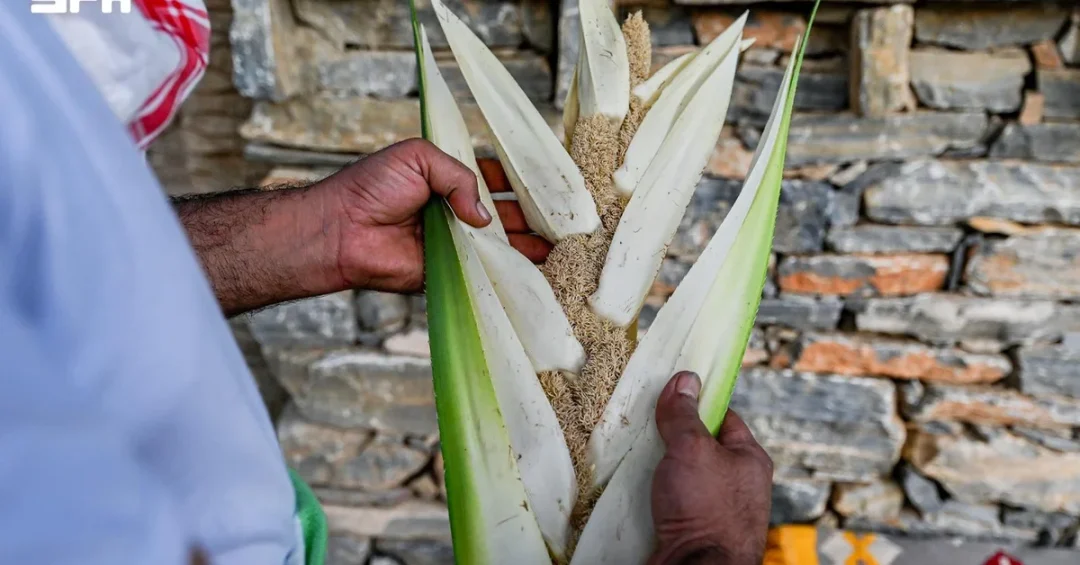
Kadi, known in English as screwpine, is the aromatic plant that defines the hospitality customs of Al-Baha Region, where its fragrant white flowers are used to perfume homes and majlises and are offered to guests at weddings and social occasions, according to the Saudi Press Agency (SPA). The plant, deeply rooted in the folk heritage of southwestern Saudi Arabia, is cultivated notably in the Thee Ain Heritage Village in Al-Makhwah Governorate, a historic site that showcases the region’s agricultural traditions and community spirit. Have you ever wondered how a simple flower can embody an entire region’s identity and generosity?
Kadi trees thrive in warm, relatively humid environments and can reach about six meters in height. The male trees produce the fragrant white flowers that are central to Al-Baha’s hospitality rituals, while the female trees bear fruit that resembles pineapples. This botanical distinction is essential to understanding the plant’s role in local customs, as only the male flowers are used for their intense fragrance. The cultivation of kadi in Thee Ain Heritage Village, a site known for its ancient stone houses and terraced farms, reflects a centuries-old bond between the people of Al-Baha and their natural surroundings. The SPA report, released on November 27, 2026, highlights how this plant continues to be a symbol of welcome and generosity in the region.
Context and Background
Al-Baha Region, located in the southwest of Saudi Arabia, is renowned for its mountainous terrain, cool climate, and rich agricultural heritage. The region’s unique geography, with its highlands and valleys, supports a variety of aromatic plants that have been used for generations in daily life and special occasions. Among these, kadi holds a special place. The plant’s association with Thee Ain Heritage Village, a site that dates back centuries and is celebrated for its well-preserved traditional architecture, underscores the deep historical roots of its use. Thee Ain, often called the “Marble Village” due to its gleaming stone structures, is a living museum of Al-Baha’s cultural practices, and kadi trees are an integral part of its landscape. Have you ever considered how heritage sites like Thee Ain keep ancient traditions alive in the modern era?
The SPA report cites Yahya Aref, a member of the Thee Ain Association, who explains that the kadi trees in the village, and in the Kingdom generally, are male trees that produce fragrant white flowers. This detail is significant because it clarifies that the flowers used in hospitality are exclusively from male trees, a botanical fact that has been passed down through generations. The association’s involvement highlights the community’s commitment to preserving and promoting this heritage. The report, released on November 27, 2026, serves as an official acknowledgment of the plant’s cultural importance, aligning with Saudi Arabia’s broader efforts to document and celebrate its intangible cultural heritage under Vision 2030.
The use of kadi in Al-Baha’s hospitality customs is not merely a practical matter; it is a ritual that embodies the values of generosity and respect that are central to Saudi culture. When guests arrive, they are often greeted with the subtle, sweet aroma of kadi flowers, which have been carefully arranged to create a welcoming atmosphere. This practice is particularly prominent at weddings and other social gatherings, where the flowers are offered as a gesture of honor. The fact that kadi is combined with jasmine and basil leaves to form fragrant bouquets further illustrates the sophistication of these customs, which blend different aromatic elements to create a unique sensory experience. How does the combination of these plants enhance the overall sense of welcome?
Key Details
According to the SPA report, kadi flowers are used to perfume homes and majlises, the traditional gathering places where community members meet to discuss matters of importance or simply socialize. The fragrance of the flowers is believed to create a calm and pleasant environment, making it ideal for hosting guests. In addition to perfuming indoor spaces, the flowers are offered to guests at weddings and other occasions as an expression of welcome. This dual use—both environmental and direct—demonstrates the versatility of kadi in local customs. Residents also arrange the flowers with jasmine and basil leaves to form fragrant bouquets, which are often presented to guests or used to decorate homes during festive periods. The SPA report notes that this practice is especially common in Thee Ain Heritage Village, where the cultivation of kadi is a source of local pride.
Yahya Aref, the Thee Ain Association member quoted in the report, provides an authoritative voice on the subject. He confirms that the kadi trees in the village are male trees that produce the fragrant white flowers. This is a crucial point because it distinguishes the male trees from the female trees, which bear fruit resembling pineapples. The fruit, while not used for fragrance, may have other uses, though the SPA report focuses on the flowers. Aref’s statement also implies that the cultivation of kadi is carefully managed to ensure a supply of male trees for their flowers. This level of intentional cultivation speaks to the plant’s importance in the community and the knowledge that has been accumulated over generations. What does this careful cultivation tell us about the value placed on hospitality in Al-Baha?
The kadi plant’s growth requirements—warm, relatively humid environments—are well-suited to the climate of Al-Baha, which benefits from higher rainfall and cooler temperatures than many other parts of Saudi Arabia. The trees can reach about six meters in height, making them a prominent feature of the landscape. Their white flowers are not only fragrant but also visually striking, adding to the aesthetic appeal of the areas where they grow. The Thee Ain Heritage Village, with its terraced gardens and ancient stone buildings, provides an ideal setting for kadi cultivation, and the plant has become synonymous with the village’s identity. Visitors to Thee Ain can witness the trees firsthand and experience the fragrance that has made them famous. How might the sensory experience of visiting Thee Ain deepen one’s appreciation for Saudi heritage?
International and Regional Impact
The cultural significance of kadi extends beyond Al-Baha, contributing to Saudi Arabia’s regional and international image as a country that values its heritage while embracing modernity. For international audiences, the plant offers a window into the rich traditions of Saudi hospitality, which is known for its warmth and generosity. As Saudi Arabia opens up to the world through initiatives like Vision 2030, which aims to boost tourism and cultural exchange, the story of kadi can serve as a compelling narrative that attracts visitors interested in authentic experiences. The SPA report, by highlighting this aspect of Al-Baha’s heritage, helps to promote the region as a destination for cultural tourism. Regional neighbors and global observers alike can appreciate how Saudi Arabia preserves its customs even as it transforms economically and socially. In what ways can traditional practices like the use of kadi enhance cross-cultural understanding?
Moreover, the emphasis on kadi in Thee Ain Heritage Village aligns with Saudi Arabia’s efforts to document and share its intangible cultural heritage with the world. UNESCO, for instance, recognizes the importance of such traditions, and Saudi Arabia has been active in nominating its cultural practices for international recognition. The kadi plant, with its unique role in hospitality, could be a candidate for future heritage listings. This would not only honor the people of Al-Baha but also reinforce Saudi Arabia’s commitment to preserving its identity. The SPA report, by providing official documentation, lays the groundwork for such recognition. How might international recognition of kadi impact the local community and its economy?
Economic and Strategic Significance
From an economic perspective, the cultivation and use of kadi in Al-Baha contribute to the local economy through tourism and the production of aromatic products. Visitors to Thee Ain Heritage Village often purchase kadi-based souvenirs, such as dried flowers or essential oils, which supports local artisans and farmers. The plant’s association with hospitality also enhances the region’s appeal as a destination for events and weddings, drawing visitors who seek an authentic Saudi experience. As Vision 2030 seeks to diversify the economy away from oil, cultural tourism and heritage-based products are becoming increasingly important. The kadi plant, therefore, is not just a cultural symbol but also a potential economic asset. Could the sustainable cultivation of kadi serve as a model for other heritage crops in the Kingdom?
Strategically, the promotion of kadi aligns with Saudi Arabia’s goals of strengthening national identity and showcasing the Kingdom’s soft power. By highlighting unique regional traditions, the government and local organizations like the Thee Ain Association foster a sense of pride among citizens and present a positive image abroad. The SPA report, as an official news release, plays a role in this strategy by disseminating information about kadi to a wide audience. This helps to counter stereotypes and present a nuanced view of Saudi culture. Furthermore, the focus on Thee Ain Heritage Village, a site that has been restored and developed for tourism, demonstrates how heritage preservation can go hand in hand with economic development. How does the integration of heritage into economic planning benefit both local communities and the nation as a whole?
Vision 2030 Alignment
The story of kadi and its role in Al-Baha’s hospitality customs is a vivid example of how Saudi Arabia’s Vision 2030 is rooted in the celebration of national heritage. One of the Vision’s key pillars is to preserve and promote Saudi culture, and the documentation of traditional practices like the use of kadi flowers directly supports this goal. By highlighting the Thee Ain Heritage Village and its association with kadi, the SPA report contributes to the broader narrative of a Kingdom that honors its past while building its future. This alignment is not merely symbolic; it has practical implications for tourism, education, and community development. For instance, the report can inspire young Saudis to learn about their heritage and participate in its preservation. In what ways can Vision 2030 empower local communities to become stewards of their cultural heritage?
Looking ahead, the continued cultivation and promotion of kadi in Al-Baha will likely play a role in Saudi Arabia’s global engagement. As the Kingdom hosts international events and welcomes millions of visitors, the unique customs of regions like Al-Baha offer a distinctive cultural experience that sets Saudi Arabia apart. The kadi plant, with its fragrant flowers and deep-rooted traditions, is a symbol of the hospitality that defines the Saudi character. By sharing this story with the world, Saudi Arabia not only boosts its tourism sector but also strengthens its cultural diplomacy. The SPA report is a testament to the importance of such narratives. How might the world’s perception of Saudi Arabia evolve as more people discover the richness of its regional traditions?
20 Questions
Q1. What is kadi and why is it important in Al-Baha?
A1. Kadi, or screwpine, is an aromatic plant with fragrant white flowers that are central to Al-Baha’s hospitality customs. It is used to perfume homes and majlises and offered to guests at weddings, symbolizing welcome and generosity.
Q2. Where is kadi notably cultivated in Al-Baha?
A2. Kadi is notably cultivated in Thee Ain Heritage Village in Al-Makhwah Governorate, a historic site known for its ancient architecture and agricultural traditions. The village’s climate and terraced gardens provide ideal growing conditions.
Q3. What are the characteristics of kadi trees?
A3. Kadi trees grow in warm, relatively humid environments and can reach about six meters in height. Male trees produce fragrant white flowers, while female trees bear fruit that resembles pineapples.
Q4. How are kadi flowers used in hospitality?
A4. Kadi flowers are used to perfume homes and majlises and are offered to guests at weddings and other occasions as an expression of welcome. They are also arranged with jasmine and basil leaves to form fragrant bouquets.
Q5. Who provided information about kadi in the SPA report?
A5. Yahya Aref, a member of the Thee Ain Association, provided information. He confirmed that the kadi trees in the village and in the Kingdom generally are male trees that produce fragrant white flowers.
Q6. Why are only male kadi trees used for their flowers?
A6. Only male kadi trees produce the fragrant white flowers used in hospitality customs. Female trees bear fruit, but the flowers are the primary source of fragrance and are therefore the focus of cultivation.
Q7. What is the significance of Thee Ain Heritage Village?
A7. Thee Ain Heritage Village is a historic site in Al-Baha known for its well-preserved stone buildings and terraced farms. It is a living museum of local traditions and a key location for kadi cultivation.
Q8. How does kadi reflect Saudi hospitality values?
A8. Kadi reflects Saudi hospitality values by serving as a gesture of welcome and respect. Its fragrance creates a pleasant atmosphere for guests, embodying the generosity and warmth that are central to Saudi culture.
Q9. What other plants are combined with kadi in bouquets?
A9. Kadi flowers are often combined with jasmine and basil leaves to create fragrant bouquets. These combinations enhance the sensory experience and are used to decorate homes and welcome guests.
Q10. How does kadi contribute to Al-Baha’s local economy?
A10. Kadi contributes to the local economy through tourism and the sale of aromatic products. Visitors to Thee Ain Heritage Village purchase kadi-based souvenirs, and the plant’s association with hospitality attracts events and weddings.
Q11. What role does the Thee Ain Association play?
A11. The Thee Ain Association works to preserve and promote the heritage of Thee Ain Heritage Village. Its members, like Yahya Aref, provide expert knowledge on traditional practices such as kadi cultivation and use.
Q12. How does kadi align with Vision 2030?
A12. Kadi aligns with Vision 2030 by supporting cultural preservation and tourism development. The documentation of traditional practices like kadi use contributes to the goal of celebrating Saudi heritage and diversifying the economy.
Q13. What makes kadi flowers fragrant?
A13. Kadi flowers are naturally fragrant, producing a sweet and pleasant aroma. This fragrance is why they are prized for perfuming homes and majlises and for offering to guests as a sign of welcome.
Q14. Can kadi be grown outside Al-Baha?
A14. Kadi grows in warm, relatively humid environments. While it is notably cultivated in Al-Baha, it can be grown in other regions with similar climates, though Al-Baha’s conditions are particularly suitable.
Q15. What is the fruit of the kadi tree like?
A15. The fruit of the female kadi tree resembles a pineapple. While not used for fragrance, it may have other uses. The SPA report focuses on the flowers of the male trees.
Q16. How is kadi used at weddings?
A16. At weddings, kadi flowers are offered to guests as an expression of welcome and are used to perfume the venue. They may also be arranged in bouquets with jasmine and basil to enhance the festive atmosphere.
Q17. What does the SPA report say about kadi’s heritage status?
A17. The SPA report highlights kadi as an aromatic plant linked to the folk heritage of Al-Baha. It documents its use in hospitality customs and its cultivation in Thee Ain Heritage Village, emphasizing its cultural importance.
Q18. How can tourists experience kadi in Al-Baha?
A18. Tourists can visit Thee Ain Heritage Village to see kadi trees and experience their fragrance. They can also purchase kadi-based products and attend local events where the flowers are used in traditional hospitality.
Q19. What is the significance of the SPA report’s release date?
A19. The SPA report was released on November 27, 2026. This date serves as an official timestamp for the documentation of kadi’s cultural role, contributing to ongoing efforts to record Saudi heritage.
Q20. How does kadi symbolize Saudi Arabia’s broader cultural identity?
A20. Kadi symbolizes Saudi Arabia’s broader cultural identity by representing the Kingdom’s deep-rooted traditions of hospitality and generosity. It showcases how regional customs contribute to the national narrative of a proud and welcoming people.
Reader Feedback
We value your thoughts. Please share your feedback on this article.
Your feedback helps us improve our coverage.
Related articles
 Handicrafts Blend Heritage and Contemporary Creativity at Wasm Hail Event
 Falcon Beauty Competition Begins at 2026 King Abdulaziz Falconry Festival
 Falcon Fetches SAR106,000 at Saudi Auction 2026
 15 Handicraft Workshops Enrich Ethnosport Culture Festival at Riyadh Season
 King Fahd National Library Unveils Rare 10th-Century Quran
 18 King Abdulaziz Cups Rounds Crown Winners at Falconry Festival