


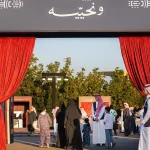
The Ethnosport Culture Festival, organized by the World Ethnosport Union in collaboration with Riyadh Season 2026, has opened at New Murabba in Riyadh’s Al Qirawan district, welcoming visitors free of charge through Saturday, November 28. The event brings together 10 cultural tents and 15 traditional handicraft workshops, alongside 38 traditional sports and games with participation from more than 18 countries. Running daily from 5:00 p.m. until midnight, the festival offers an immersive journey into global heritage, with admission tickets available through the webook platform.
Have you ever wondered how ancient crafts survive in a world of mass production? At a time when digital experiences often dominate leisure, this festival offers a tangible connection to the skills and traditions passed down through generations. It is the first time the Ethnosport Culture Festival is held outside Türkiye, marking a significant milestone for Riyadh Season’s efforts to attract diverse international events. By hosting this celebration of cultural and sporting heritage, Saudi Arabia reinforces its role as a global hub for cultural exchange and a destination where the past and future converge.
Context and Background
Why does a festival of traditional crafts and sports matter in an era of rapid modernization? The Ethnosport Culture Festival, organized by the World Ethnosport Union, is designed to preserve and promote intangible cultural heritage from around the world. Riyadh Season 2026, a flagship entertainment initiative under Saudi Arabia’s Vision 2030, has partnered with the union to bring this unique event to New Murabba, a emerging urban development in the capital. The festival aligns with the Kingdom’s broader strategy to diversify entertainment offerings and position Riyadh as a top global destination for cultural tourism.
The choice of New Murabba as the venue underscores the intersection of tradition and innovation. New Murabba is set to become one of the world’s largest modern downtowns, featuring the Mukaab, a cube-shaped skyscraper that will be a new landmark. Hosting a heritage festival in such a futuristic setting symbolizes Saudi Arabia’s commitment to honoring its roots while building a forward-looking society. The event also reflects the goals of Vision 2030 to enhance quality of life, foster international cultural exchange, and create vibrant spaces for residents and visitors alike.
What makes this festival different from other cultural events? Unlike typical expos, the Ethnosport Culture Festival emphasizes active participation. Visitors are not mere spectators; they can engage in workshops, try traditional sports, and interact with artisans. This hands-on approach ensures that heritage is not just observed but experienced, making it more likely to be remembered and valued. The festival’s free admission further democratizes access, inviting people from all walks of life to discover the richness of global traditions.
Key Details
What exactly can visitors see and do at the festival? The heart of the event is the Cultural Khan, a central area featuring tents that showcase the cultures of Türkiye, Uzbekistan, Kazakhstan, and Kyrgyzstan. Each tent offers a glimpse into the daily life, art, and traditions of these nations. Alongside these, there are dedicated spaces for book arts, calligraphy, music, arrow-making, and sustainability workshops. Visitors can observe master artisans at work, learning about techniques that have been refined over centuries.
The 15 traditional handicraft workshops provide a diverse array of experiences. Participants can try their hand at carpet weaving, woodburning, leatherworking, walking stick making, decorative inlay, jewelry making, glass decoration, carpet restoration, and creative recycling. These workshops are led by skilled artisans who demonstrate traditional handmade production methods that have endured despite the rise of modern manufacturing. The presence of these crafts highlights the value of slow, deliberate craftsmanship in a fast-paced world.
For younger visitors, the festival offers nine dedicated workshops designed for children aged four to 14. These include sand painting, wooden toy design, mosaic making, weaving, and Ebru, the traditional art of water marbling. Supervised by specialists and with all materials provided, these activities allow children to create and keep their own masterpieces. This early exposure to traditional arts helps nurture creativity and an appreciation for cultural heritage from a young age.
Beyond crafts, the festival features a museum showcasing Turkish heritage through handicrafts, traditional clothing, textiles, and jewelry. Musical performances, folk dances, and live arts animate the grounds, while traditional food and beverages from participating countries offer a taste of cultural diversity. The sports component includes wrestling, equestrian sports, archery, and folk games, with interactive experiences that let visitors try these activities themselves. This combination of crafts, sports, and cuisine creates a holistic cultural immersion.
International and Regional Impact
How does hosting such an event affect Saudi Arabia’s international standing? By welcoming more than 18 countries and showcasing their traditions, the Kingdom positions itself as a bridge between cultures. This aligns with Vision 2030’s aim to strengthen international ties and promote mutual understanding. The festival also attracts tourists and cultural enthusiasts, boosting the local economy and enhancing Riyadh’s reputation as a cosmopolitan city. It is a soft power initiative that fosters goodwill and showcases Saudi Arabia’s capability to host world-class events.
Regionally, the festival underscores Saudi Arabia’s role as a leader in cultural diplomacy. The participation of Central Asian nations like Uzbekistan, Kazakhstan, and Kyrgyzstan, along with Türkiye, highlights the Kingdom’s growing connections with these regions. Such events can pave the way for further collaboration in trade, tourism, and cultural exchange. The festival also provides a platform for these countries to share their heritage with a broader audience, creating a win-win scenario for all involved.
What message does this send to the world? It signals that Saudi Arabia is open, inclusive, and eager to engage with global cultures. In a time of increasing polarization, the festival promotes unity through shared appreciation of heritage. It also demonstrates the Kingdom’s ability to organize complex international events, reinforcing its ambition to be a hub for entertainment and culture. The positive coverage generated by such events contributes to the narrative of a modern, dynamic Saudi Arabia.
Economic and Strategic Significance
What economic benefits does the festival bring? Events like this stimulate local businesses, from hotels and restaurants to transport and retail. The influx of visitors to New Murabba and surrounding areas generates revenue and creates temporary jobs. Moreover, the festival showcases Saudi Arabia’s entertainment infrastructure, attracting future event organizers and investors. As part of Riyadh Season, it contributes to the broader goal of increasing domestic and international tourism, a key pillar of Vision 2030.
Strategically, the festival supports the diversification of the economy away from oil. By investing in entertainment and cultural tourism, Saudi Arabia is building new sectors that can drive growth and employment. The partnership with the World Ethnosport Union also enhances the Kingdom’s network of international collaborations. Such events help change perceptions and attract foreign direct investment by presenting a stable, vibrant society. The emphasis on heritage also preserves cultural identity amid rapid modernization, ensuring that progress does not come at the cost of tradition.
How does this align with Saudi Arabia’s long-term vision? Vision 2030 aims to create a thriving economy and a vibrant society. The Ethnosport Culture Festival embodies both: it boosts economic activity while enriching the cultural landscape. It also promotes social cohesion by bringing families and communities together in a festive, educational environment. By hosting such events, Saudi Arabia demonstrates its commitment to sustainable development that values people and heritage.
Vision 2030 Alignment
How does the Ethnosport Culture Festival contribute to Vision 2030? It directly supports the vision’s goals of enhancing quality of life, fostering cultural exchange, and diversifying the economy. By offering free, family-friendly entertainment, it improves the well-being of residents and visitors. The focus on handicrafts and traditional sports preserves intangible heritage, which is essential for maintaining cultural identity in a rapidly changing world. This aligns with the vision’s emphasis on pride in national heritage and openness to global cultures.
Moreover, the festival is a testament to Saudi Arabia’s ability to host international events that blend tradition and modernity. It showcases the Kingdom’s progress in developing world-class venues like New Murabba and its capacity to attract global partnerships. As Saudi Arabia continues its journey toward 2030, such initiatives will play a crucial role in shaping a dynamic, forward-looking nation that respects its past while embracing the future. The Ethnosport Culture Festival is more than an event; it is a celebration of human creativity and a step toward a more connected world.
20 Questions
Q1. What is the Ethnosport Culture Festival?
A1. It is a cultural event organized by the World Ethnosport Union in collaboration with Riyadh Season 2026, featuring traditional handicrafts, sports, and cultural performances from around the world, held at New Murabba in Riyadh.
Q2. Where and when is the festival taking place?
A2. The festival is held at New Murabba in Riyadh’s Al Qirawan district and runs through Saturday, November 28, 2026, daily from 5:00 p.m. until midnight.
Q3. How many handicraft workshops are available?
A3. There are 15 traditional handicraft workshops, offering experiences such as carpet weaving, woodburning, leatherworking, jewelry making, and glass decoration.
Q4. What is the Cultural Khan?
A4. The Cultural Khan is a main attraction featuring tents that showcase the cultures of Türkiye, Uzbekistan, Kazakhstan, and Kyrgyzstan, along with book arts, calligraphy, music, and sustainability workshops.
Q5. Are there activities for children?
A5. Yes, there are nine dedicated workshops for children aged four to 14, including sand painting, wooden toy design, mosaic making, weaving, and Ebru (water marbling), supervised by specialists.
Q6. What sports and games are featured?
A6. The festival includes 38 traditional sports and games with participation from over 18 countries, such as wrestling, equestrian sports, archery, and folk games.
Q7. Is there an entrance fee?
A7. No, the festival welcomes visitors free of charge, with admission tickets available through the webook platform.
Q8. What can visitors learn at the museum?
A8. The museum showcases Turkish heritage through handicrafts, traditional clothing, textiles, and jewelry, offering insights into the cultural legacy of the region.
Q9. What food and beverages are available?
A9. Traditional food and beverages reflecting the cultural diversity of participating countries are available, allowing visitors to taste authentic flavors from various nations.
Q10. How does the festival support Vision 2030?
A10. It aligns with Vision 2030 by enhancing quality of life, promoting cultural exchange, diversifying the economy, and positioning Saudi Arabia as a global hub for entertainment and heritage.
Q11. Which countries are participating?
A11. More than 18 countries are participating, including Türkiye, Uzbekistan, Kazakhstan, and Kyrgyzstan, among others, showcasing their cultural and sporting heritage.
Q12. What is Ebru?
A12. Ebru is the traditional art of water marbling, where paint is floated on water and transferred to paper, creating intricate patterns. It is offered as a children’s workshop.
Q13. Can visitors try the traditional sports?
A13. Yes, interactive experiences allow visitors to discover and practice traditional sports and games, making the festival a hands-on cultural experience.
Q14. What is New Murabba?
A14. New Murabba is a major urban development in Riyadh, set to become one of the world’s largest modern downtowns, featuring the Mukaab, a cube-shaped landmark.
Q15. How does the festival promote cultural exchange?
A15. By bringing together artisans, athletes, and performers from diverse nations, it fosters mutual understanding and appreciation of different cultures in a shared space.
Q16. Are there musical performances?
A16. Yes, the festival grounds feature musical performances, folk dances, and live arts, adding to the vibrant atmosphere and cultural immersion.
Q17. What is the significance of hosting the festival outside Türkiye for the first time?
A17. It highlights Riyadh Season’s success in attracting international events and Saudi Arabia’s growing role as a global cultural destination.
Q18. How can visitors get tickets?
A18. Admission tickets are available through the webook platform, and entry is free of charge for all visitors.
Q19. What crafts can visitors learn?
A19. Visitors can learn carpet weaving, woodburning, leatherworking, walking stick making, decorative inlay, jewelry making, glass decoration, carpet restoration, and creative recycling, among others.
Q20. Why is preserving traditional crafts important?
A20. Traditional crafts represent intangible cultural heritage, connecting people to their history and identity. Preserving them ensures that future generations can appreciate and continue these valuable skills.
Reader Feedback
We value your thoughts. Please share your feedback on this article.
Your feedback helps us improve our coverage.
Related articles
 King Fahd National Library Unveils Rare 10th-Century Quran
 18 King Abdulaziz Cups Rounds Crown Winners at Falconry Festival
 CDF Partners with AgentX AI Hackathon in Riyadh
 Advanced Tech Boosts Fairness at Saudi Falconry Festival
 Theater and Performing Arts Commission Launches Performances Program in Qassim
 Darah Board Reviews 2026 Strategy Progress