


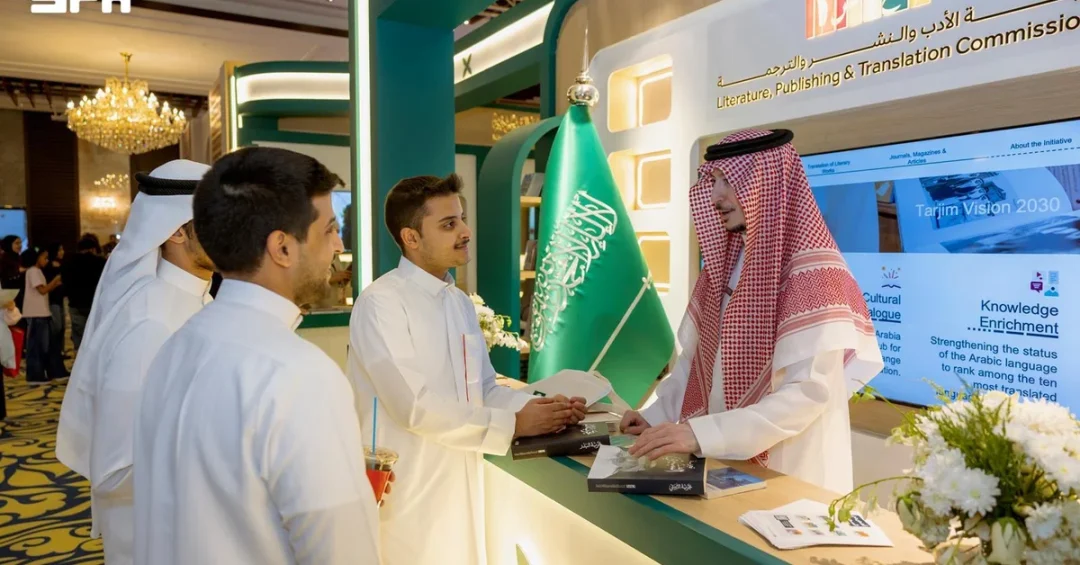
The Literature, Publishing, and Translation Commission has concluded Saudi Arabia’s participation in the Kuwait International Book Fair 2026, held from November 18 to 28, with a strong literary and intellectual presence that reflected the Kingdom’s growing standing in these fields and underscored its active role on the regional and international cultural landscape. The commission, a key cultural body under the Saudi Ministry of Culture, led the Kingdom’s delegation to the 11-day event in Kuwait, showcasing a comprehensive array of Saudi literary works, publishing initiatives, and translation projects. The participation formed part of ongoing efforts to highlight the development of Saudi Arabia’s cultural sectors under Saudi Vision 2030, according to official information released via the Saudi Press Agency (SPA).
How does a book fair become a platform for national transformation? For Saudi Arabia, the Kuwait International Book Fair 2026 served as more than a literary gathering; it was a strategic opportunity to project the Kingdom’s cultural dynamism and to build bridges with regional and international partners. The Saudi pavilion attracted significant attention from fairgoers, publishers, and intellectuals, offering a window into a rapidly evolving literary scene. The commission’s participation also facilitated professional networking, knowledge exchange, and the exploration of new partnerships within the book and publishing industry, aligning with broader goals to diversify the economy and enhance global cultural engagement.
Context and Background
What is the significance of Saudi Arabia’s recurring presence at major regional book fairs? The Kuwait International Book Fair, one of the oldest and most prominent cultural events in the Gulf region, has long served as a meeting point for authors, publishers, and readers from across the Arab world. Saudi Arabia’s participation in the 2026 edition, from November 18 to 28, was organized by the Literature, Publishing, and Translation Commission, which was established to oversee the growth of these sectors as part of the Ministry of Culture’s mandate. The commission’s role includes supporting Saudi writers, publishers, and translators, and promoting Saudi literary output both domestically and internationally.
Under Saudi Vision 2030, the cultural sector has been identified as a vital pillar for economic diversification and social enrichment. The Kingdom has invested significantly in developing its cultural infrastructure, including the establishment of dedicated commissions for literature, publishing, and translation; heritage; museums; film; and music. These efforts aim to preserve and celebrate Saudi heritage while fostering contemporary creative expression. Participation in events like the Kuwait International Book Fair allows the commission to showcase the outcomes of these investments and to learn from regional counterparts, contributing to a vibrant cultural ecosystem that resonates across the Arab world and beyond.
Dr. Abdullatif bin Abdulaziz Alwasel, CEO of the Literature, Publishing, and Translation Commission, emphasized that the participation was part of efforts to showcase Saudi literary and intellectual output and highlight the development of the Kingdom’s literature, publishing, and translation sectors. His remarks, carried by the Saudi Press Agency, underscore the commission’s commitment to elevating Saudi culture on the regional stage. The fair also provided a platform for Saudi intellectuals to engage in dialogue with their peers, reinforcing the Kingdom’s role as a cultural bridge between nations.
Key Details of Saudi Arabia’s Participation
What did the Saudi pavilion offer to visitors and industry professionals? The Saudi pavilion at the Kuwait International Book Fair 2026 presented a comprehensive overview of the Kingdom’s vibrant cultural landscape, which is advancing under Saudi Vision 2030. It featured a wide selection of books from Saudi publishers, translations of Saudi works into other languages, and information about the commission’s initiatives to support authors and translators. The pavilion also highlighted national cultural achievements and their impact across the Arab world and internationally, as noted by Dr. Alwasel.
An accompanying program of panel discussions featuring prominent Saudi writers and intellectuals helped raise awareness of the local literary scene. These sessions covered topics such as the evolution of Saudi literature, the challenges and opportunities in the publishing industry, and the role of translation in fostering cross-cultural understanding. By facilitating these conversations, the commission aimed to shed light on the richness of Saudi cultural production and to encourage greater exchange between Saudi and Kuwaiti cultural institutions. The fair also served as a venue for professional networking, allowing Saudi publishers to connect with counterparts from Kuwait and other participating countries.
Dr. Alwasel added that the participation provided an important platform for professional networking, the sharing of expertise, and the development of knowledge-based partnerships with stakeholders in the book and publishing industry. It also opened opportunities for broader cooperation and cultural exchange, supporting Saudi creators and publishers and helping bring local content to wider audiences across the region. These outcomes align with the commission’s strategic objectives to enhance the visibility of Saudi literature and to facilitate the growth of the publishing sector, both of which are integral to the cultural dimension of Vision 2030.
International and Regional Impact
How does Saudi Arabia’s cultural diplomacy strengthen its regional ties? The Kingdom’s participation in the Kuwait International Book Fair 2026 reinforced its cultural ties with Kuwait and other Arab nations, building on a shared heritage and a mutual interest in promoting Arabic literature. By presenting a unified cultural front, Saudi Arabia and Kuwait contribute to the broader Arab cultural renaissance, which is essential for preserving the Arabic language and fostering intellectual exchange. The fair also attracted international publishers and agents, giving Saudi participants the chance to explore translation and distribution opportunities that extend beyond the region.
On a global scale, Saudi Arabia’s active presence at such fairs signals its commitment to international cultural engagement, a key aspect of its foreign policy. The Kingdom has increasingly positioned itself as a hub for cultural dialogue, hosting events like the Riyadh International Book Fair and participating in major international book fairs such as those in Frankfurt and London. These efforts help to reshape global perceptions of Saudi Arabia, highlighting its rich literary tradition and contemporary creative industries. The Kuwait fair thus served as another milestone in the Kingdom’s journey to become a cultural leader, fostering mutual understanding and cooperation with nations around the world.
Economic and Strategic Significance
What economic benefits arise from supporting the publishing and translation sectors? The literature, publishing, and translation sectors are emerging as important contributors to Saudi Arabia’s economy, creating jobs and stimulating related industries such as printing, distribution, and digital content. The commission’s participation in the Kuwait fair was not only a cultural endeavor but also an economic one, as it opened avenues for Saudi publishers to access new markets and for international publishers to invest in the Kingdom. The development of knowledge-based partnerships, as highlighted by Dr. Alwasel, can lead to joint ventures, licensing agreements, and collaborative projects that drive revenue and innovation.
Strategically, the fair provided a platform for Saudi Arabia to showcase its progress in line with Vision 2030, which aims to diversify the economy away from oil dependence. By promoting cultural exports, the Kingdom can enhance its soft power and attract tourism and investment. The commission’s efforts to support Saudi creators and bring local content to wider audiences also contribute to the growth of a creative economy, which is a key pillar of the Vision. As Saudi Arabia continues to invest in its cultural infrastructure, events like the Kuwait fair serve as testing grounds for new ideas and as catalysts for sustainable economic development in the cultural sector.
Vision 2030 Alignment
How does the Kuwait Book Fair participation reflect the goals of Saudi Vision 2030? Vision 2030 places culture at the heart of Saudi Arabia’s transformation, recognizing it as a means to enrich quality of life, foster national pride, and diversify the economy. The Literature, Publishing, and Translation Commission’s activities, including its successful participation in the Kuwait International Book Fair 2026, are directly aligned with these objectives. By showcasing Saudi literary and intellectual output, the commission helps to elevate the Kingdom’s cultural profile globally, while also supporting the growth of a vibrant domestic cultural sector that creates opportunities for Saudi youth and professionals.
Looking ahead, the commission’s efforts will continue to focus on expanding the reach of Saudi literature, enhancing translation capabilities, and building international partnerships. The Kuwait fair has set a benchmark for future participations, demonstrating the potential for Saudi culture to thrive on the regional stage. As the Kingdom advances toward the goals of Vision 2030, its cultural diplomacy will remain a vital tool for strengthening ties, promoting mutual understanding, and showcasing the best of Saudi Arabia to the world. Through such initiatives, Saudi Arabia reaffirms its commitment to a future where culture and creativity are central to its identity and global engagement.
20 Questions
Q1. What event did the Literature, Publishing, and Translation Commission conclude?
A1. The commission concluded Saudi Arabia’s participation in the Kuwait International Book Fair 2026, which was held from November 18 to 28. The event showcased Saudi literary and intellectual output and highlighted the Kingdom’s growing cultural standing.
Q2. Who is the CEO of the Literature, Publishing, and Translation Commission?
A2. Dr. Abdullatif bin Abdulaziz Alwasel serves as the CEO of the commission. He emphasized that the participation aimed to showcase Saudi literary and intellectual output and the development of the Kingdom’s cultural sectors.
Q3. What was the duration of the Kuwait International Book Fair 2026?
A3. The fair ran for 11 days, from November 18 to 28, 2026. It provided a platform for cultural exchange and professional networking among publishers, authors, and intellectuals from various countries.
Q4. What did the Saudi pavilion offer to visitors?
A4. The Saudi pavilion offered a comprehensive overview of the Kingdom’s vibrant cultural landscape, including books from Saudi publishers, translations, and information about commission initiatives. It also featured panel discussions with prominent Saudi writers and intellectuals.
Q5. How does Saudi Arabia’s participation align with Vision 2030?
A5. The participation aligns with Vision 2030 by promoting cultural development, economic diversification, and global engagement. It supports the growth of the literature, publishing, and translation sectors, which are key to enriching quality of life and showcasing Saudi achievements.
Q6. What opportunities did the fair provide for Saudi publishers?
A6. The fair provided opportunities for professional networking, sharing expertise, and developing knowledge-based partnerships. It also opened doors for broader cooperation and cultural exchange, helping Saudi publishers reach wider audiences across the region.
Q7. Where was the Kuwait International Book Fair 2026 held?
A7. The fair was held in Kuwait, a neighboring Gulf country with strong cultural ties to Saudi Arabia. The event is one of the oldest and most prominent book fairs in the region.
Q8. What role did panel discussions play in Saudi Arabia’s participation?
A8. Panel discussions featuring prominent Saudi writers and intellectuals helped raise awareness of the local literary scene. They shed light on national cultural achievements and their impact across the Arab world and internationally.
Q9. How does the commission support Saudi creators and publishers?
A9. The commission supports Saudi creators and publishers by providing platforms for networking, sharing expertise, and developing partnerships. It also works to bring local content to wider audiences across the region and internationally.
Q10. What is the significance of the Kuwait International Book Fair?
A10. The fair is a major cultural event in the Gulf region, attracting authors, publishers, and readers from across the Arab world. It serves as a meeting point for cultural exchange and professional collaboration.
Q11. How does Saudi Arabia’s participation reflect its cultural diplomacy?
A11. Saudi Arabia’s participation reflects its cultural diplomacy by strengthening ties with Kuwait and other nations, promoting Arabic literature, and showcasing the Kingdom’s cultural achievements. It reinforces Saudi Arabia’s role as a bridge between cultures.
Q12. What economic benefits can result from such cultural participations?
A12. Cultural participations can stimulate economic growth by creating jobs, fostering partnerships, and opening new markets for Saudi publishers. They also contribute to the diversification of the economy, a key goal of Vision 2030.
Q13. What did Dr. Alwasel say about the participation?
A13. Dr. Alwasel said the participation was part of efforts to showcase Saudi literary and intellectual output and highlight the development of the Kingdom’s literature, publishing, and translation sectors. He also noted it provided a platform for networking and partnerships.
Q14. How does the fair help bring local content to wider audiences?
A14. The fair allows Saudi publishers to connect with international counterparts, leading to translation and distribution deals. This helps Saudi books and ideas reach readers beyond the Kingdom’s borders, enhancing cultural exchange.
Q15. What are the main goals of the Literature, Publishing, and Translation Commission?
A15. The commission aims to develop and promote Saudi literature, publishing, and translation sectors. It supports authors, publishers, and translators, and works to elevate Saudi culture regionally and globally under Vision 2030.
Q16. How does the participation support Saudi Vision 2030’s cultural objectives?
A16. The participation supports Vision 2030 by showcasing Saudi cultural achievements, fostering international partnerships, and contributing to economic diversification. It aligns with goals to enrich quality of life and promote national pride.
Q17. What kind of partnerships were developed during the fair?
A17. Knowledge-based partnerships with stakeholders in the book and publishing industry were developed. These partnerships aim to enhance cooperation, share expertise, and support the growth of the cultural sector.
Q18. Why is translation important in Saudi Arabia’s cultural strategy?
A18. Translation is vital for sharing Saudi literary works with the world and bringing global literature to Arabic readers. It fosters cross-cultural understanding and is a key focus of the commission’s efforts under Vision 2030.
Q19. How does the fair contribute to the Arab cultural renaissance?
A19. The fair contributes by bringing together Arab intellectuals and publishers to celebrate and promote Arabic literature. It strengthens cultural ties and supports the preservation and modernization of Arab heritage.
Q20. What future cultural events can we expect from the commission?
A20. The commission is expected to continue participating in regional and international book fairs, hosting cultural programs, and launching initiatives to support Saudi authors and publishers, all in line with Vision 2030’s cultural goals.
Reader Feedback
We value your thoughts. Please share your feedback on this article.
Your feedback helps us improve our coverage.
Related articles
 KSGAAL, MWL Host World Arabic Language Day in Makkah
 Kadi: Al-Baha’s Fragrant Symbol of Hospitality
 Handicrafts Blend Heritage and Contemporary Creativity at Wasm Hail Event
 Falcon Beauty Competition Begins at 2026 King Abdulaziz Falconry Festival
 Falcon Fetches SAR106,000 at Saudi Auction 2026
 15 Handicraft Workshops Enrich Ethnosport Culture Festival at Riyadh Season