


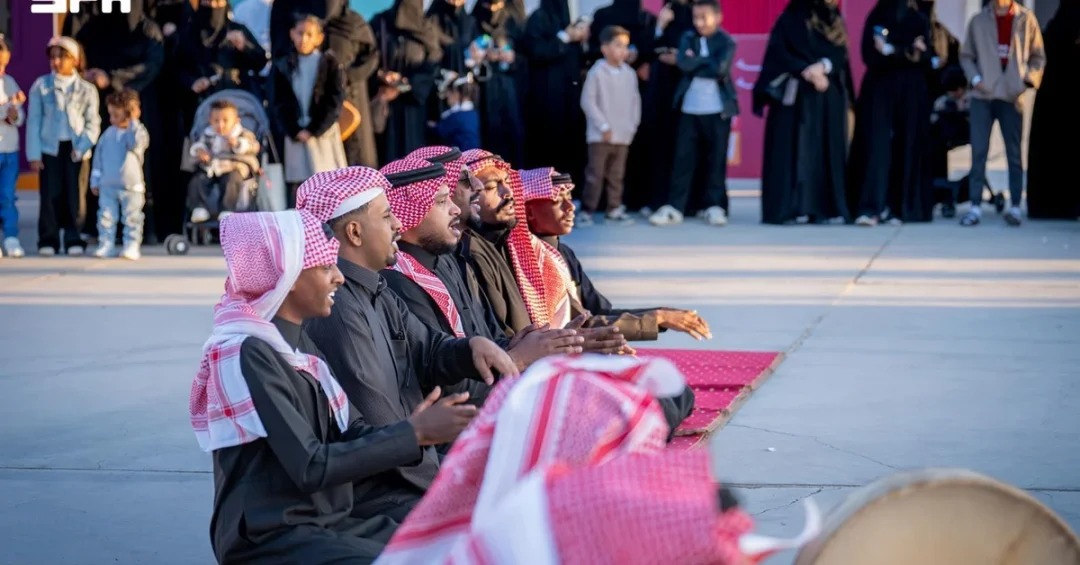
The Theater and Performing Arts Commission concluded the third stop of its national performing arts program at Al-Noor Park in Buraidah, drawing more than 8,000 visitors over four days of theatrical performances, roving acts, and artistic activities for all age groups. The event, announced through official Saudi channels, marked another milestone in the Commission’s efforts to bring live performance culture to communities across the Kingdom. Have you ever wondered how a single park can transform into a stage for thousands of families in just four days?
The Buraidah program is part of a broader national tour spanning six Saudi cities, with activities continuing until December 19. The event brought together theatrical performances, street-style roving acts, and hands-on artistic activities designed for children, youth, and adults alike. The scale of attendance — over 8,000 visitors in a four-day window — reflects growing public appetite for cultural programming in the Qassim region and beyond. Why does this level of community turnout matter for the future of Saudi arts?
Context and Background
The Theater and Performing Arts Commission, a body operating under the Kingdom’s cultural sector framework, has been steadily expanding its programming since its establishment as part of the broader cultural transformation accompanying Vision 2030. The Commission’s mandate includes nurturing theatrical talent, encouraging community participation in the arts, and elevating the diversity of performing arts across Saudi Arabia’s regions. The Buraidah stop represents the third leg of a six-city tour, underscoring a deliberate strategy to reach audiences outside the major metropolitan centers. How does bringing performances to regional cities change the cultural landscape for residents who rarely see live theater?
Al-Noor Park served as the venue for the four-day event, with the Commission using the park’s open spaces creatively to host roving performances that moved through the grounds rather than being confined to a single stage. This format enabled direct interaction between performers and audiences, breaking down the traditional barrier between artist and spectator. The approach aligns with the Commission’s stated goal of promoting a culture of theater and performing arts as a living, accessible part of daily community life rather than an exclusive cultural product. What happens when the distance between performer and audience disappears entirely?
The national program’s structure — six cities, a multi-week schedule running until December 19 — signals a sustained commitment rather than a one-off celebration. Previous stops and the upcoming cities on the itinerary form a coordinated effort to build familiarity with performing arts among diverse Saudi communities, from the Qassim heartland to other regions. The Commission’s work fits within a wider cultural ecosystem that includes theater training, production support, and audience development initiatives. Why is a sustained, multi-city approach more effective than isolated events in building cultural habits?
Performances and Community Engagement
The Buraidah program featured theatrical performances alongside other performing arts disciplines, with activities explicitly designed for all age groups. Roving performances used the park’s open spaces to present various art forms, enabling direct interaction between performers and the audience. This interactive style of presentation is particularly effective in public parks, where families gather casually and children move freely, creating an informal atmosphere that lowers barriers to engagement with the arts. How does an informal park setting change the way people experience theater for the first time?
Community participation stood at the center of the Commission’s objectives for the event. By designing activities for children, youth, and adults, organizers ensured that the program functioned as a family experience rather than a niche cultural offering. The attendance figure of more than 8,000 visitors across four days confirms that this inclusive approach resonated with residents of Buraidah and the surrounding Qassim region. The Commission continues its efforts to promote a culture of theater and the performing arts, encourage community participation, and highlight the diversity of performing arts across the Kingdom. What does it mean for a community when culture becomes a shared family activity?
The emphasis on diversity of performing arts reflects a broader recognition that Saudi Arabia’s cultural heritage and contemporary creative expression span many forms — from traditional storytelling and poetry to modern theatrical production and street performance. By bringing this diversity to a public park, the Commission made the case that performing arts belong to everyone, not just urban elites or specialist audiences. The direct interaction between performers and the public also creates feedback loops of enthusiasm that can inspire young people to pursue artistic training. Can a single afternoon in the park spark a lifelong passion for the stage?
International and Regional Impact
The performing arts program forms part of Saudi Arabia’s broader cultural diplomacy and soft-power narrative, presenting the Kingdom as a society investing in creativity, youth, and quality of life. For international observers, events like the Buraidah program illustrate how Vision 2030’s cultural pillar is being implemented at the grassroots level, not merely through flagship projects or global events. The Commission’s six-city tour demonstrates that cultural investment reaches regional centers, contributing to a more balanced and inclusive national cultural map. How do grassroots cultural programs shape the way the world perceives a nation’s transformation?
Regionally, the program contributes to the growing cultural exchange within the Gulf and the wider Arab world, where interest in theater and performing arts is rising alongside investment in creative industries. Saudi Arabia’s structured approach — a national commission, a multi-city tour, and public-facing programming — offers a model for how cultural institutions can connect with communities at scale. The interactive, family-oriented format also aligns with regional expectations around public entertainment that respects cultural values while embracing modern creativity. What can other countries learn from a cultural tour that prioritizes accessibility and community participation?
Economic and Strategic Significance
Beyond entertainment, the performing arts program carries economic and strategic value. Cultural events draw visitors to local areas, support hospitality and retail activity around venues, and contribute to the growth of a creative economy that Vision 2030 identifies as a key diversification sector. The four-day event in Buraidah, with more than 8,000 visitors, represents tangible footfall that benefits local businesses and raises the profile of the Qassim region as a cultural destination. Why should economic planners pay attention to a park-based theater program?
Strategically, the Commission’s work builds human capital. Theater and performing arts develop skills in communication, collaboration, and creative problem-solving — capabilities that support the Kingdom’s transition to a knowledge-based economy. By encouraging community participation and highlighting the diversity of performing arts, the program helps cultivate audiences and future practitioners who will sustain the cultural sector over the long term. The national tour’s continuation until December 19 ensures that this audience-building effort reaches multiple regions within a single season. How does cultivating cultural participation today pay dividends for the economy tomorrow?
The program also strengthens the cultural tourism proposition that Saudi Arabia is developing as part of its broader visitor economy ambitions. Events that celebrate local creativity and invite public participation add to the richness of the Kingdom’s destination offering, complementing heritage sites, festivals, and entertainment venues. For residents and visitors alike, the accessibility of a free-to-attend park program underlines inclusivity as a core principle of the cultural transformation. Can cultural accessibility become one of the Kingdom’s distinctive strengths on the global stage?
Vision 2030 Alignment
The Buraidah performing arts program sits squarely within the objectives of Vision 2030, which places culture, quality of life, and community well-being at the heart of Saudi Arabia’s national development. The Theater and Performing Arts Commission’s efforts to promote a culture of theater, encourage community participation, and highlight the diversity of performing arts directly support the vision’s cultural pillar, which seeks to enrich daily life and create opportunities for creative expression across all regions. What does success look like when a national vision reaches a family in a Buraidah park?
As the program continues through its remaining cities until December 19, it demonstrates the Kingdom’s commitment to building a vibrant cultural ecosystem that serves citizens and residents nationwide. The event’s strong attendance — more than 8,000 visitors in four days — confirms that the public is ready and eager for cultural experiences that are accessible, inclusive, and rooted in community. Under the guidance of its leadership and through the work of institutions like the Theater and Performing Arts Commission, Saudi Arabia continues to advance a forward-looking cultural agenda that connects heritage with modernity and brings the arts to every corner of the Kingdom. Why not follow the tour to see how culture transforms the next city on the map?
20 Questions
Q1. What was the Buraidah performing arts event?
A1. It was the third stop of the Theater and Performing Arts Commission’s national performing arts program, held over four days at Al-Noor Park in Buraidah, featuring theatrical performances, roving acts, and artistic activities for all age groups.
Q2. How many visitors attended the Buraidah program?
A2. According to the official announcement, the four-day event drew more than 8,000 visitors, reflecting strong community interest in live performance and cultural activities in the Qassim region.
Q3. Which organization organized the event?
A3. The Theater and Performing Arts Commission organized the program as part of its mandate to promote theater and performing arts, encourage community participation, and highlight the diversity of performing arts across the Kingdom.
Q4. Where was the event held?
A4. The event took place at Al-Noor Park in Buraidah, where the Commission used the park’s open spaces to present roving performances and interactive artistic activities for the public.
Q5. How long did the Buraidah program last?
A5. The program ran for four days, concluding yesterday according to the official announcement, and formed the third stop of a larger nationwide tour of performing arts programming.
Q6. What types of performances were featured?
A6. The program featured theatrical performances, other performing arts disciplines, and artistic activities for all age groups, with roving performances moving through the park’s open spaces to engage audiences directly.
Q7. How did roving performances differ from stage shows?
A7. Roving performances used the park’s open spaces to present various art forms, enabling direct interaction between performers and the audience rather than confining the experience to a fixed stage.
Q8. How many cities does the national program cover?
A8. The program spans six Saudi cities, of which Buraidah was the third stop, demonstrating a coordinated effort to bring performing arts programming to communities across multiple regions.
Q9. When does the national program continue until?
A9. The program will continue until December 19, according to the official announcement, with performances and activities scheduled across the remaining cities on the tour itinerary.
Q10. What are the Commission’s stated goals for this program?
A10. The Commission aims to promote a culture of theater and the performing arts, encourage community participation, and highlight the diversity of performing arts across the Kingdom through accessible public programming.
Q11. Why is the event considered accessible to families?
A11. The program included activities designed for all age groups and took place in a public park, creating an informal, family-friendly atmosphere that welcomed children, youth, and adults alike.
Q12. What role did audience interaction play?
A12. Direct interaction between performers and the audience was a central feature, especially through roving performances that brought art forms into the crowd and broke down traditional barriers between artist and spectator.
Q13. Why is Buraidah significant for this tour?
A13. Buraidah, in the Qassim region, represents the kind of regional center the Commission seeks to reach, showing that cultural investment extends beyond major metropolitan areas to communities across the Kingdom.
Q14. How does this event support Vision 2030?
A14. It supports Vision 2030’s cultural pillar by enriching quality of life, encouraging creative expression, and building a vibrant cultural ecosystem that serves citizens and residents nationwide.
Q15. What economic benefits can such events bring?
A15. Cultural events draw visitors to local areas, support hospitality and retail activity near venues, and contribute to the growth of a creative economy that Vision 2030 identifies as a diversification priority.
Q16. How does the program build cultural habits?
A16. By touring multiple cities over several weeks, the program builds familiarity with performing arts among diverse communities, cultivating audiences and future practitioners who sustain the cultural sector over time.
Q17. What skills do performing arts develop?
A17. Theater and performing arts develop communication, collaboration, and creative problem-solving skills, supporting the Kingdom’s transition to a knowledge-based economy and its human capital goals.
Q18. How does the event reflect cultural diversity?
A18. By presenting various art forms, from theatrical performances to other performing arts disciplines, the program highlights the breadth of Saudi Arabia’s creative expression and cultural heritage.
Q19. What message does the strong turnout send?
A19. More than 8,000 visitors in four days confirms that the public is eager for accessible, inclusive cultural experiences, validating the Commission’s community-focused approach to programming.
Q20. What comes next for the national program?
A20. The program continues through its remaining cities until December 19, extending the Commission’s effort to bring performing arts to communities nationwide and build a lasting culture of theater in the Kingdom.
Reader Feedback
We value your thoughts. Please share your feedback on this article.
Your feedback helps us improve our coverage.
Related articles
 Mazayen Competition Concludes at King Abdulaziz Falconry Festival
 Najran’s Traditional Textiles: Heritage Woven from Local Life
 Local Falcon Owners Crowned in 12 King Abdulaziz Cup Rounds
 Winners Crowned in Falconer of the Future at Saudi Falconry Festival
 Al-Ahsa Shines at UNESCO Creative Cities Conference in Morocco
 Saudi Arabia Concludes Successful Participation in Kuwait Book Fair 2026