


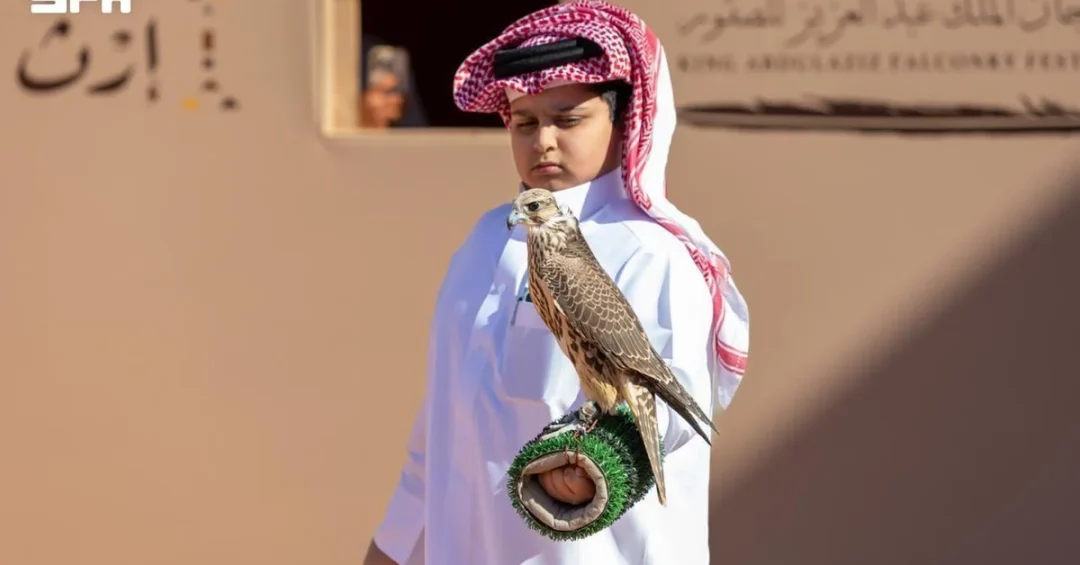
The National Center for Falcons has crowned the winners of two “Falconer of the Future” categories in the Milwah competition at the King Abdulaziz Falconry Festival 2026, the world’s largest gathering of falcons, held at its headquarters in Malham, north of Riyadh. The announcement, carried by the Saudi Press Agency (SPA), marks a significant moment in the festival’s ongoing celebration of Saudi Arabia’s deep-rooted falconry heritage. The two categories, designed exclusively for young participants, underscore a strategic commitment to passing the ancient art of falconry to the next generation. With a total prize pool of SAR100,000—SAR50,000 for each category—the competition rewards not only skill but also dedication to a tradition that has defined Arabian culture for centuries.
The King Abdulaziz Falconry Festival 2026, organized by the National Center for Falcons, has once again solidified its status as the premier event on the global falconry calendar. Bringing together local and international falconers, the festival features a range of competitions, including the prestigious King Abdulaziz Cups, Saif Al-Malik (the King’s Sword), and Shalfa Al-Malik. These contests offer substantial cash prizes and titles that are highly coveted within the falconry community. The “Falconer of the Future” categories, however, hold a special place, as they focus on children and adolescents, providing them with an early opportunity to experience the thrill of competition and to connect with a heritage that stretches back through Arabian history.
Context and Background
How does a tradition that dates back thousands of years remain vibrant in the 21st century? Falconry in the Arabian Peninsula is not merely a sport; it is a cultural cornerstone that reflects the region’s relationship with nature, patience, and skill. The King Abdulaziz Falconry Festival, named after the Kingdom’s founder, King Abdulaziz Al Saud, was established to honor and preserve this legacy. Organized by the National Center for Falcons, the festival has grown into the world’s largest gathering of falcons, attracting participants from across the globe. Its location in Malham, north of Riyadh, provides a fitting backdrop—a place where the desert landscape meets modern infrastructure, symbolizing the blend of tradition and progress that defines Saudi Arabia today.
The “Falconer of the Future” categories were introduced as part of the festival’s broader mission to engage young people. By offering dedicated competitions for children, the National Center for Falcons aims to ensure that falconry does not become a relic of the past but remains a living, breathing practice. The categories are part of the Milwah competition, which tests the speed and agility of falcons over a set distance. Young falconers, some as young as ten, train their birds to respond to calls and navigate the course, demonstrating a level of dedication that rivals their adult counterparts. The SAR100,000 prize pool is distributed among the top ten winners in each category, providing both recognition and incentive for these budding enthusiasts.
This initiative aligns with a broader movement in Saudi Arabia to preserve cultural heritage while embracing modernity. Under Vision 2030, the Kingdom has placed a strong emphasis on safeguarding its traditions and passing them on to future generations. Falconry, which has been inscribed on UNESCO’s Representative List of the Intangible Cultural Heritage of Humanity, is a prime example of a practice that can bridge the gap between past and present. The festival, therefore, serves a dual purpose: it celebrates the skill of today’s falconers and invests in the falconers of tomorrow.
Key Details of the Competition
What does it take to be a “Falconer of the Future”? The competition is fierce yet supportive, with young participants showcasing their ability to handle and command falcons in the Milwah event. Milwah, a traditional form of falconry competition, involves releasing a falcon and measuring the time it takes to reach a lure or a specific target. It requires a deep bond between the falconer and the bird, as well as precise training and timing. The two categories in this year’s “Falconer of the Future” segment were likely divided by age or experience level, though specific details were not disclosed in the official announcement. What is clear is that the top ten winners in each category shared the SAR50,000 prize, with the exact distribution determined by their rankings.
The winners were crowned amid the bustling atmosphere of the King Abdulaziz Falconry Festival, which features a multitude of activities beyond the competitions. These include exhibitions of traditional falconry equipment, educational workshops, and opportunities for visitors to learn about the history and techniques of the sport. The festival also hosts the prestigious King Abdulaziz Cups, where elite falconers compete for the highest honors. For the young winners, sharing the stage with such renowned figures is an inspiring experience that reinforces their commitment to the craft. The National Center for Falcons has emphasized that the participation of children is a vital step toward cultivating a new generation of falconers ready to carry on the legacy of their ancestors.
The prize money is significant, especially for young participants, and serves as a tangible reward for their hard work. It also helps cover the costs associated with keeping and training falcons, which can be substantial. By providing financial support, the center ensures that economic barriers do not prevent talented youngsters from pursuing their passion. Moreover, the recognition that comes with winning a title at such a prestigious festival can open doors to further opportunities, including mentorship from experienced falconers and invitations to other competitions. The event thus functions as a talent pipeline, identifying and nurturing the falconers who will represent Saudi Arabia in the years to come.
International and Regional Impact
How does a local competition in Riyadh resonate on the global stage? The King Abdulaziz Falconry Festival attracts international falconers from countries such as the United Arab Emirates, Qatar, Kuwait, and even from as far afield as Europe and Central Asia. The presence of these participants highlights the universal appeal of falconry and fosters cross-cultural exchange. For Saudi Arabia, hosting the world’s largest gathering of falcons reinforces its role as a custodian of this heritage and a leader in its promotion. The “Falconer of the Future” categories, in particular, send a powerful message: that Saudi Arabia is not only preserving its own traditions but also contributing to the global continuity of falconry by investing in youth.
Regionally, the festival strengthens ties among Gulf Cooperation Council (GCC) states, which share a common love for falconry. Competitions like these provide a platform for friendly rivalry and collaboration, as falconers exchange tips and techniques. The event also boosts tourism, drawing visitors who are interested in cultural experiences. Hotels, restaurants, and other businesses in Riyadh and its surroundings benefit from the influx of attendees. Furthermore, the media coverage generated by the festival—both within the Kingdom and internationally—enhances Saudi Arabia’s image as a destination that honors its past while embracing the future. The SPA report, for instance, was disseminated globally, showcasing the Kingdom’s commitment to cultural preservation.
Economic and Strategic Significance
What is the economic value of preserving a traditional sport? Beyond the immediate prizes, falconry contributes to Saudi Arabia’s economy through related industries such as falcon breeding, veterinary services, and the manufacture of specialized equipment. The festival itself stimulates local commerce, from hospitality to retail. Moreover, the event aligns with Vision 2030’s goals of diversifying the economy and promoting cultural tourism. By investing in heritage sports, Saudi Arabia creates niche tourism offerings that appeal to high-value travelers. The National Center for Falcons, through initiatives like the “Falconer of the Future,” ensures that this economic potential is sustained by a skilled and passionate community.
Strategically, falconry serves as a soft power tool. It projects an image of Saudi Arabia as a nation that values its traditions and is open to sharing them with the world. The festival’s international participation demonstrates that cultural diplomacy can build bridges. Additionally, the focus on youth aligns with the Vision 2030 objective of empowering young people and preparing them for leadership roles. By giving children a platform to excel, the Kingdom nurtures confidence and a sense of identity. The winners of the “Falconer of the Future” categories are not just champions; they are ambassadors of a heritage that Saudi Arabia is proud to showcase.
Vision 2030 Alignment
How does a falconry festival for children connect to a national transformation plan? Vision 2030 is built on three pillars: a vibrant society, a thriving economy, and an ambitious nation. The King Abdulaziz Falconry Festival, and specifically the “Falconer of the Future” categories, directly supports the first pillar by preserving cultural heritage and promoting social cohesion. It also contributes to the second pillar by stimulating tourism and creating economic opportunities. Finally, it embodies the third pillar by investing in youth and fostering a spirit of ambition. The National Center for Falcons’ dedication to passing on the tradition ensures that falconry will remain a living part of Saudi culture, not a museum exhibit.
As Saudi Arabia continues its journey toward Vision 2030, events like this demonstrate that modernization and tradition can coexist harmoniously. The young winners crowned at Malham are a testament to the Kingdom’s success in engaging the next generation. Their achievements inspire other children to take up falconry, ensuring the sport’s vitality for decades to come. In a world where cultural homogenization is a concern, Saudi Arabia’s efforts to safeguard its intangible heritage are exemplary. The festival not only celebrates the falconers of today but also secures the legacy of tomorrow, aligning perfectly with the visionary leadership of the Kingdom.
20 Questions
Q1. What is the King Abdulaziz Falconry Festival?
A1. The King Abdulaziz Falconry Festival is the world’s largest gathering of falcons, organized by the National Center for Falcons at its headquarters in Malham, north of Riyadh. It features various competitions, including the Milwah, and offers prestigious titles such as the King Abdulaziz Cups.
Q2. Who organized the “Falconer of the Future” categories?
A2. The National Center for Falcons organized the “Falconer of the Future” categories as part of the Milwah competition at the King Abdulaziz Falconry Festival 2026. The center is dedicated to preserving and promoting falconry heritage in Saudi Arabia.
Q3. What is the total prize pool for the “Falconer of the Future” categories?
A3. The total prize pool is SAR100,000, with SAR50,000 allocated to each of the two categories. The prize money is distributed among the top ten winners in each category, rewarding skill and dedication.
Q4. How many categories are there in the “Falconer of the Future” competition?
A4. There are two categories in the “Falconer of the Future” competition. While specific details about the division (e.g., age groups) were not disclosed, both categories aim to engage young falconers and ensure the tradition’s continuity.
Q5. What is the Milwah competition?
A5. Milwah is a traditional falconry competition that tests the speed and agility of falcons. Participants release their birds, which must navigate a course to reach a lure or target. It requires skillful training and a strong bond between falconer and falcon.
Q6. Where is the King Abdulaziz Falconry Festival held?
A6. The festival is held at the headquarters of the National Center for Falcons in Malham, located north of Riyadh, Saudi Arabia. The venue provides a desert setting that reflects the traditional environment of falconry.
Q7. When does the King Abdulaziz Falconry Festival 2026 take place?
A7. The festival is ongoing, with the “Falconer of the Future” winners crowned on November 28, 2026, according to the Saudi Press Agency. The event spans multiple days and includes various competitions and activities.
Q8. What other competitions are part of the festival?
A8. In addition to the Milwah and “Falconer of the Future,” the festival includes competitions for the King Abdulaziz Cups, Saif Al-Malik (the King’s Sword), and Shalfa Al-Malik. These are prestigious titles with significant cash prizes.
Q9. Who can participate in the “Falconer of the Future” categories?
A9. The categories are designed for children and young falconers, providing them with an early opportunity to experience competition. The exact age range was not specified, but the focus is on nurturing future generations of falconers.
Q10. Why is it important to involve children in falconry?
A10. Involving children ensures the continuity of falconry, a deep-rooted tradition in Saudi Arabia. It instills a love for the sport and cultivates a new generation of falconers ready to carry on the legacy of their ancestors.
Q11. How does the festival contribute to Saudi Vision 2030?
A11. The festival supports Vision 2030 by preserving cultural heritage (vibrant society), promoting cultural tourism (thriving economy), and empowering youth (ambitious nation). It exemplifies the harmonious blend of tradition and modernization.
Q12. What is the significance of falconry in Saudi culture?
A12. Falconry is a centuries-old tradition that reflects the Arabian Peninsula’s relationship with nature, patience, and skill. It is inscribed on UNESCO’s Intangible Cultural Heritage list and remains a symbol of Saudi identity and pride.
Q13. Are there international participants in the festival?
A13. Yes, the festival attracts falconers from around the world, including Gulf Cooperation Council countries and beyond. This international participation fosters cross-cultural exchange and reinforces Saudi Arabia’s role as a global leader in falconry.
Q14. What is the role of the National Center for Falcons?
A14. The National Center for Falcons organizes the King Abdulaziz Falconry Festival and other initiatives to preserve and promote falconry. It is committed to passing on the heritage to future generations through competitions like “Falconer of the Future.”
Q15. How are the winners selected in the “Falconer of the Future” categories?
A15. Winners are selected based on their performance in the Milwah competition, which measures the speed and agility of their falcons. The top ten in each category receive a share of the SAR50,000 prize.
Q16. What prizes do the winners receive?
A16. The winners receive cash prizes from the SAR50,000 allocated to each category. The exact distribution depends on their ranking. They also gain recognition and prestige, which can lead to further opportunities in falconry.
Q17. How does the festival promote tourism in Saudi Arabia?
A17. The festival draws local and international visitors, boosting hospitality and retail sectors. It showcases Saudi Arabia’s cultural heritage, attracting tourists interested in unique experiences. This aligns with Vision 2030’s goal of enhancing cultural tourism.
Q18. What is the historical background of falconry in Arabia?
A18. Falconry has been practiced in the Arabian Peninsula for thousands of years, originally for hunting. It evolved into a sport and cultural tradition, symbolizing nobility, patience, and a connection to the desert. Today, it is a cherished heritage.
Q19. How can young falconers prepare for such competitions?
A19. Young falconers can prepare by training regularly with their falcons, learning from experienced mentors, and studying traditional techniques. Participating in local events and joining falconry clubs also helps build skills and confidence.
Q20. What does the future hold for falconry in Saudi Arabia?
A20. With initiatives like “Falconer of the Future,” falconry is set to thrive. The National Center for Falcons’ efforts ensure that the tradition remains vibrant, with a new generation of skilled falconers ready to represent Saudi Arabia globally.
Reader Feedback
We value your thoughts. Please share your feedback on this article.
Your feedback helps us improve our coverage.
Related articles
 Al-Ahsa Shines at UNESCO Creative Cities Conference in Morocco
 Saudi Arabia Concludes Successful Participation in Kuwait Book Fair 2026
 KSGAAL, MWL Host World Arabic Language Day in Makkah
 Kadi: Al-Baha’s Fragrant Symbol of Hospitality
 Handicrafts Blend Heritage and Contemporary Creativity at Wasm Hail Event
 Falcon Beauty Competition Begins at 2026 King Abdulaziz Falconry Festival