


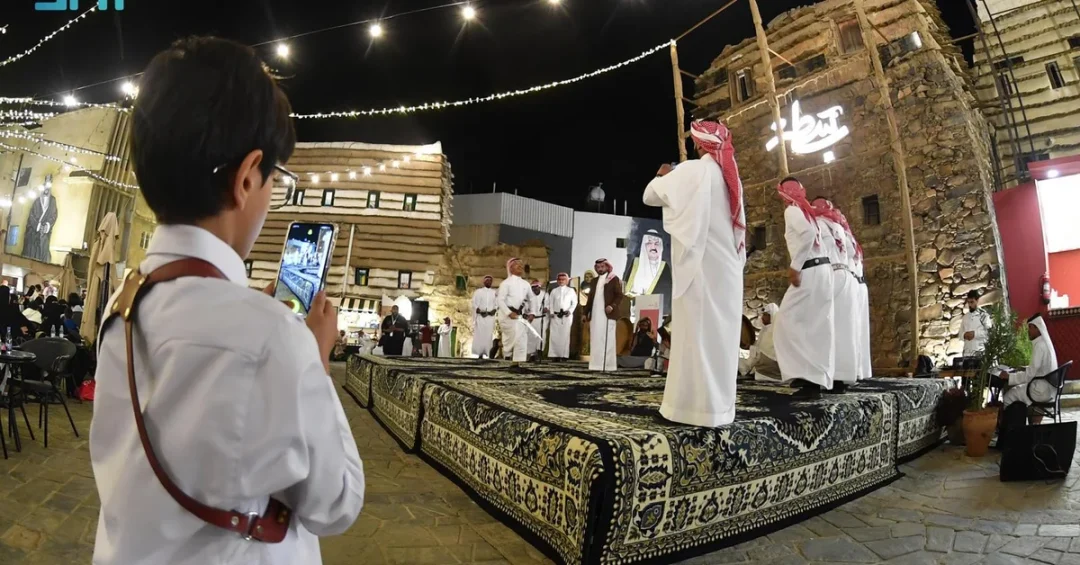
The Eid Al-Basta festivities commenced at the Heritage Village in Abha, celebrating Eid Al-Fitr 1446 AH with a vibrant four-day program of traditional performances and cultural displays. The event, organized under the auspices of the Aseer Region Development Authority and reported by the Saudi Press Agency (SPA), attracted residents and visitors on its opening day, offering a rich tapestry of Aseer’s folk heritage. Have you ever wondered how a region’s cultural traditions can serve as a powerful engine for tourism and economic growth? The Eid Al-Basta festival demonstrates precisely that, blending entertainment with a strategic push to showcase Saudi Arabia’s diverse cultural landscape and support local artisans.
The festival, which runs for four days, features performances by Aseer Region’s folk groups, including “Al-Damma,” “Al-Khatwa,” “Al-Qazoui,” “Al-Ardah,” and “Al-Laieb,” alongside live musical performances with traditional instruments. These displays are designed to revive the region’s cultural and social heritage, boost tourism, and provide a platform for small enterprises and artisans to present their products. By integrating cultural preservation with economic opportunity, the event aligns with the Kingdom’s broader Vision 2030 goals of diversifying the economy and promoting domestic and international tourism. Isn’t it fascinating how a single festival can encapsulate both tradition and transformation?
Context and Background
What makes the Eid Al-Basta festival a unique addition to Saudi Arabia’s cultural calendar? The event is held at the Heritage Village in Abha, a city known for its moderate climate and stunning mountainous landscapes in the Aseer Region. Aseer has long been celebrated for its distinct cultural identity, which includes traditional dances, music, and crafts passed down through generations. The Eid Al-Basta festival, now in its second year, was conceived as a way to celebrate Eid Al-Fitr while highlighting the region’s intangible cultural heritage. The Aseer Region Development Authority, under the leadership of Prince Turki bin Talal bin Abdulaziz, has been instrumental in promoting such initiatives as part of the larger Aseer Strategy, which aims to transform the region into a year-round tourism destination.
The timing of the festival, coinciding with Eid Al-Fitr, is significant. Eid is a period of joy, family gatherings, and community bonding. By hosting a cultural festival during this time, the organizers provide both locals and visitors with an opportunity to experience the region’s traditions in a festive atmosphere. The event also serves as a counterpoint to the more commercialized forms of entertainment that sometimes dominate holiday periods. Instead, it emphasizes authenticity and heritage, offering a window into the soul of Aseer. How often do modern celebrations prioritize genuine cultural expression over spectacle? This festival seems to strike a balance, ensuring that the spiritual and social essence of Eid is not lost amid the festivities.
Moreover, the festival’s location in Abha is strategic. Abha is a key city in the Aseer Region, which is being developed as a major tourism hub under Vision 2030. The region boasts the Asir National Park, the cable car of Abha, and numerous heritage sites. Events like Eid Al-Basta complement these attractions, giving visitors more reasons to extend their stay and explore. The Aseer Development Authority has been working to improve infrastructure, including roads, hotels, and entertainment facilities, to accommodate the growing number of tourists. The festival thus serves as a showcase for these efforts, demonstrating that the region is ready to welcome the world.
Key Details
What exactly can visitors expect at the Eid Al-Basta festival? The four-day event features a diverse lineup of performances and activities. The folk groups of Aseer Region perform traditional dances such as “Al-Damma,” a group dance performed in a circle with rhythmic clapping and chanting; “Al-Khatwa,” a dance that involves synchronized steps and movements; “Al-Qazoui,” a dance unique to the region; “Al-Ardah,” a martial dance with swords that is popular across Saudi Arabia; and “Al-Laieb,” a traditional game or performance. These are accompanied by live music using traditional instruments like the oud, rebab, and drums. The performances are not just for entertainment; they are a living museum of Aseer’s history and identity. Each dance tells a story, often related to war, harvest, or celebration, and is passed down through generations.
In addition to the performances, the festival includes a market area where small enterprises and artisans can showcase and sell their products. This includes traditional handicrafts such as pottery, weaving, silver jewelry, and incense. The market provides a vital income stream for local families and helps preserve traditional crafts that might otherwise die out. Visitors can interact with the artisans, learn about the techniques, and purchase authentic souvenirs. The event also offers food stalls featuring local cuisine, allowing visitors to taste the flavors of Aseer. This holistic approach—combining performance, crafts, and food—creates an immersive cultural experience that appeals to all the senses.
The first day of the festival saw a strong turnout, with residents and visitors from across the Kingdom and beyond. The SPA reported that the event aims to revive the region’s cultural and social heritage through diverse activities, boost tourism, and support local businesses. The organizers have also incorporated interactive elements, such as workshops for children and storytelling sessions for families, to engage younger generations and ensure the transmission of cultural knowledge. By involving the community in this way, the festival fosters a sense of pride and ownership among locals, while offering tourists a genuine glimpse into Saudi culture. Isn’t it refreshing to see a festival that actively involves its community rather than just performing for tourists?
International and Regional Impact
How does a regional cultural festival in Abha resonate on the international stage? In an era of globalization, where cultural homogenization is a common concern, events like Eid Al-Basta highlight the importance of preserving local identities. For international visitors, the festival offers an authentic experience that goes beyond the typical tourist trail. It showcases Saudi Arabia’s commitment to cultural diversity and heritage, which is a key pillar of Vision 2030. The Kingdom aims to attract 150 million visits by 2030, and cultural events are a major draw. By presenting Aseer’s unique traditions, the festival contributes to the broader narrative of Saudi Arabia as a destination rich in history and culture, not just religious tourism.
Regionally, the festival strengthens ties within the Gulf Cooperation Council (GCC) and the wider Arab world. Many visitors from neighboring countries attend such events, drawn by shared cultural and linguistic ties. The festival also serves as a model for other regions in Saudi Arabia to develop their own cultural tourism offerings. The success of Eid Al-Basta could inspire similar initiatives in Jazan, Al-Baha, and other areas with rich folk traditions. This aligns with the Saudi Tourism Authority’s strategy to promote regional tourism and distribute economic benefits across the Kingdom. Moreover, by highlighting Aseer’s heritage, the festival indirectly supports the Kingdom’s diplomatic and soft power efforts, presenting a positive image of Saudi society and its openness to the world.
Economic and Strategic Significance
What economic benefits does the Eid Al-Basta festival bring to the local community and the region? The festival is a catalyst for local economic activity. Small enterprises and artisans gain access to a wider market, selling their products directly to consumers. This is particularly important for rural communities where traditional crafts are a primary source of income. The event also creates temporary jobs in event management, hospitality, and retail. Hotels, restaurants, and transportation services in Abha experience increased demand during the festival period, generating revenue that can be reinvested in the local economy. The Aseer Region Development Authority estimates that cultural tourism events like this can significantly contribute to the region’s GDP and employment rates.
Strategically, the festival supports the diversification of Saudi Arabia’s economy away from oil. Tourism is a key sector identified in Vision 2030, with targets to increase its contribution to GDP from 3% to 10% by 2030. Cultural festivals are a low-cost, high-impact way to attract visitors and extend their stay. They also promote domestic tourism, encouraging Saudis to explore their own country rather than traveling abroad. The Eid Al-Basta festival, by offering a unique Eid experience, taps into the growing domestic tourism market. Furthermore, it enhances the Kingdom’s image as a safe and welcoming destination, which is essential for attracting international tourists. The event’s success is a testament to the effectiveness of investing in cultural assets as economic drivers.
Vision 2030 Alignment
How does the Eid Al-Basta festival align with the goals of Saudi Vision 2030? Vision 2030, launched by Crown Prince Mohammed bin Salman in 2016, aims to transform Saudi Arabia into a diversified, innovative, and globally engaged economy. Cultural heritage is a central component of this vision, as it preserves national identity while creating economic opportunities. The festival directly supports the Vision’s objectives by promoting tourism, empowering small businesses, and showcasing the Kingdom’s cultural richness. It also aligns with the Quality of Life Program, which seeks to enhance the lives of citizens and residents by providing diverse entertainment and cultural activities. By celebrating Eid in such a vibrant manner, the festival contributes to social cohesion and national pride.
The Aseer Region, in particular, is a focal point of Vision 2030 through the Aseer Development Strategy, which aims to turn the region into a world-class tourism destination. The strategy includes projects like the Asir National Park, the Abha International Airport expansion, and the development of heritage villages. The Eid Al-Basta festival is a grassroots manifestation of these larger efforts, demonstrating how local initiatives can feed into national goals. As Saudi Arabia continues its journey of transformation, events like this will play a crucial role in bridging the past and the future, ensuring that modernization does not come at the expense of heritage. The Kingdom’s leadership has consistently emphasized that Vision 2030 is not just about economic growth but also about preserving the nation’s cultural soul. The Eid Al-Basta festival is a shining example of that philosophy in action.
20 Questions
Q1. What is the Eid Al-Basta festival?
A1. The Eid Al-Basta festival is a four-day cultural event held at the Heritage Village in Abha, Aseer Region, celebrating Eid Al-Fitr with traditional performances, crafts, and food, aimed at reviving local heritage and boosting tourism.
Q2. When did the Eid Al-Basta festivities begin?
A2. The festivities kicked off on March 31, 2025, corresponding to the Eid Al-Fitr 1446 AH celebrations, as reported by the Saudi Press Agency.
Q3. Where is the Heritage Village located?
A3. The Heritage Village is located in Abha, the capital city of the Aseer Region in southwestern Saudi Arabia, known for its mountainous terrain and moderate climate.
Q4. Which folk groups are performing at the festival?
A4. Folk groups from the Aseer Region are performing traditional dances such as Al-Damma, Al-Khatwa, Al-Qazoui, Al-Ardah, and Al-Laieb, accompanied by live music with traditional instruments.
Q5. What is Al-Damma?
A5. Al-Damma is a traditional group dance from Aseer, performed in a circle with rhythmic clapping and chanting, often accompanied by drums, reflecting community solidarity and celebration.
Q6. What is Al-Ardah?
A6. Al-Ardah is a traditional martial dance performed with swords, popular across Saudi Arabia, symbolizing courage and unity, and is a highlight of many cultural festivals.
Q7. What is the purpose of the Eid Al-Basta festival?
A7. The festival aims to revive Aseer’s cultural and social heritage, boost tourism, and support local businesses by providing a platform for small enterprises and artisans to showcase their products.
Q8. How does the festival support local businesses?
A8. It offers stalls for small enterprises and artisans to sell traditional handicrafts, food, and other products, providing direct income and market exposure, especially for rural communities.
Q9. What types of handicrafts are available?
A9. Visitors can find pottery, weaving, silver jewelry, incense, and other traditional crafts that reflect Aseer’s rich cultural heritage and skilled artisanship.
Q10. How does the festival boost tourism in the region?
A10. By attracting both domestic and international visitors to Abha during Eid, the festival increases hotel occupancy, restaurant patronage, and demand for local services, thereby stimulating the tourism sector.
Q11. Is the festival part of Vision 2030?
A11. Yes, it aligns with Vision 2030’s goals of diversifying the economy, promoting cultural tourism, empowering small businesses, and enhancing quality of life, particularly through the Aseer Development Strategy.
Q12. Who organized the Eid Al-Basta festival?
A12. The festival is organized under the auspices of the Aseer Region Development Authority, in coordination with local cultural groups and supported by the Saudi Press Agency’s coverage.
Q13. What traditional instruments are used?
A13. Traditional instruments include the oud, rebab, and various drums, which provide the rhythmic and melodic backdrop for the folk performances, preserving the region’s musical heritage.
Q14. How long does the festival last?
A14. The festival runs for four days, offering a concentrated program of performances, crafts, and cultural activities for visitors to enjoy during the Eid holiday.
Q15. What is the significance of holding the festival during Eid Al-Fitr?
A15. Eid Al-Fitr is a time of joy and community; hosting the festival then allows families to celebrate together while experiencing cultural heritage, reinforcing social bonds and spiritual values.
Q16. Are there activities for children at the festival?
A16. Yes, the festival includes interactive workshops, storytelling sessions, and games designed for children, ensuring that younger generations engage with and learn about their cultural heritage.
Q17. How does the festival contribute to cultural preservation?
A17. By showcasing traditional dances, music, and crafts, the festival keeps intangible cultural heritage alive, passing it to new generations and preventing it from fading away.
Q18. What economic impact does the festival have on Abha?
A18. It generates revenue for local businesses, creates temporary jobs, and increases demand for hospitality services, contributing to the region’s economic growth and diversification.
Q19. Can international tourists attend the festival?
A19. Yes, international tourists are welcome to attend, especially as Saudi Arabia opens up to tourism under Vision 2030, offering them a unique cultural experience in Aseer.
Q20. What is the Aseer Development Strategy?
A20. The Aseer Development Strategy is a comprehensive plan under Vision 2030 to transform the Aseer Region into a world-class tourism and investment destination, focusing on infrastructure, heritage, and sustainability.
Reader Feedback
We value your thoughts. Please share your feedback on this article.
Your feedback helps us improve our coverage.
Related articles
 Saudi Arabia Opens Pavilion at Bologna Book Fair 2025
 Madinah Celebrates Eid with Deep-Rooted Traditions and Community Spirit
 Alardah Dance Shines at Al-Baha Eid Al-Fitr Celebrations
 Saudi Embassy in U.S. Celebrates Eid Al-Fitr with Community
 KSGAAL Joins Bologna Book Fair 2025 to Promote Arabic
 Diriyah Governor Patronizes Saudi Ardah Eid Ceremony