


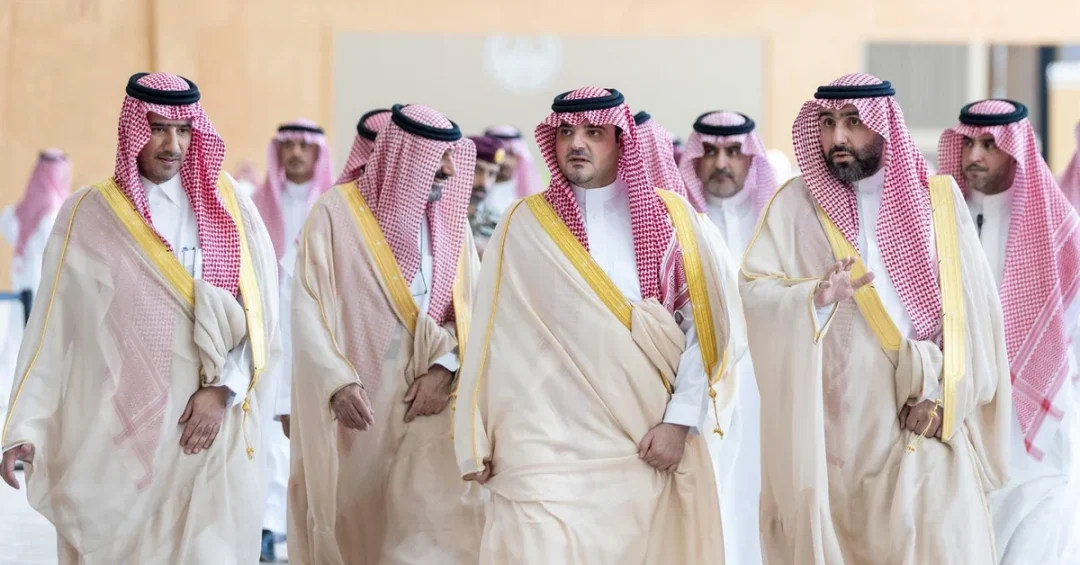
Prince Abdulaziz bin Saud bin Naif bin Abdulaziz, Minister of Interior and Chairman of the Board of Directors of the National Center for Falcons, visited the International Saudi Falcons and Hunting Exhibition 2026 in Riyadh on October 1, 2026, touring pavilions that showcase more than 5,000 products from over 181 international brands. The exhibition, organized by the National Center for Falcons at the Riyadh Exhibition and Convention Center in Malham, represents one of the Kingdom’s most ambitious efforts to celebrate and modernize its deep-rooted falconry heritage while creating new economic and cultural opportunities.
During his tour, the Minister reviewed the exhibition’s expanded zones, experiences, and events, including dedicated areas for falcons, falconry, hunting, trips, and adventures. He also visited the weapons, ammunition, and accessories section, the first and only one of its kind in the Kingdom, which features companies specializing in hunting and shooting weapons, air guns, and related equipment. The visit underscores the Saudi leadership’s commitment to preserving cultural traditions while advancing the Kingdom’s position as a global destination for heritage tourism and outdoor recreation.
Context and Background
How does a centuries-old desert tradition become a cornerstone of a modern nation’s cultural and economic strategy? The International Saudi Falcons and Hunting Exhibition 2026 offers a compelling answer. Organized by the National Center for Falcons, the event is part of a broader national effort to preserve and develop the heritage of falconry, pass on its knowledge and values to future generations, and strengthen the Kingdom’s position as an international destination for falconers and enthusiasts.
Falconry, recognized by UNESCO as an Intangible Cultural Heritage of Humanity, has been practiced in the Arabian Peninsula for thousands of years. It is more than a sport; it is a symbol of patience, skill, and the deep connection between the people of the region and their natural environment. The National Center for Falcons, established to oversee the sustainable development of this heritage, has positioned the annual exhibition as a flagship platform for showcasing the best of Saudi and international falconry.
The 2026 edition features expanded and diversified content, reflecting growing local and international interest. The Riyadh Exhibition and Convention Center in Malham has been transformed into a vibrant hub where tradition meets innovation, offering visitors cultural, educational, and entertainment experiences that appeal to families, enthusiasts, and industry professionals alike. The Minister’s visit highlights the government’s support for these efforts and recognizes the exhibition’s role in advancing Vision 2030 goals related to cultural preservation, tourism, and economic diversification.
Key Details of the Ministerial Visit
What did the Minister of Interior actually see during his tour? Prince Abdulaziz bin Saud bin Naif bin Abdulaziz began his visit by reviewing the exhibition’s main pavilions, which this year include dedicated zones for falcons, falconry, hunting, trips, and adventures. He interacted with exhibitors and reviewed offerings from participating local and international entities, companies, and brands, gaining firsthand insight into the latest products, technologies, and services shaping the sector.
A centerpiece of the tour was the weapons, ammunition, and accessories area, the first and only one of its kind in the Kingdom. This specialized zone brings together companies specializing in hunting and shooting weapons, air guns, and related equipment, showcasing more than 5,000 products representing over 181 international brands. The presence of such a comprehensive display reflects the Kingdom’s commitment to regulating and professionalizing the hunting and shooting sports sector while providing enthusiasts with access to world-class equipment.
The Minister also explored the cultural and educational experiences offered by the exhibition, which are designed to engage younger generations and transfer traditional knowledge. These include interactive displays, workshops, and storytelling sessions that highlight the history and techniques of falconry. By supporting such initiatives, the Ministry of Interior and the National Center for Falcons are working together to ensure that this ancient practice remains vibrant and relevant in modern Saudi Arabia.
International and Regional Impact
Why does an exhibition in Riyadh matter to falconers from across the globe? The International Saudi Falcons and Hunting Exhibition has grown into a major international gathering, attracting participants from dozens of countries. It serves as a meeting point for breeders, trainers, equipment manufacturers, and conservationists, facilitating the exchange of knowledge and best practices. The presence of more than 181 international brands in the weapons and accessories section alone demonstrates the event’s global reach.
For the wider Middle East and North Africa region, the exhibition reinforces Saudi Arabia’s role as a cultural leader and a hub for heritage-based tourism. It also strengthens regional cooperation in areas such as wildlife conservation, sustainable hunting, and the regulation of falconry. By hosting this event, the Kingdom is not only celebrating its own heritage but also providing a platform for other nations to showcase their traditions and products, fostering goodwill and mutual understanding.
Internationally, the exhibition aligns with UNESCO’s recognition of falconry as a shared human heritage. It positions Saudi Arabia as a responsible steward of this tradition, committed to its preservation and to the ethical practices that underpin it. The event also supports the Kingdom’s growing tourism sector, attracting visitors who are interested in authentic cultural experiences and adventure tourism, two segments that are expanding rapidly under Vision 2030.
Economic and Strategic Significance
How does falconry contribute to Saudi Arabia’s economic diversification? The exhibition is a clear example of how cultural heritage can be leveraged to create economic value. It supports economic activities related to falcons, hunting, and trips, and expands opportunities for participation and investment in these fields. From the sale of falcons and equipment to the organization of hunting trips and adventure tourism packages, the sector generates revenue and creates jobs.
The National Center for Falcons plays a pivotal role in this ecosystem by regulating and promoting the industry. It works to ensure that falconry and hunting are practiced sustainably, in line with international conservation standards. The exhibition provides a marketplace where businesses can connect with customers, launch new products, and forge partnerships. The presence of over 181 international brands underscores the commercial potential of the Saudi market and its attractiveness to global companies.
Strategically, the event supports the Kingdom’s efforts to diversify its economy away from oil dependence. By developing niche sectors such as heritage tourism, outdoor recreation, and specialized retail, Saudi Arabia is creating new avenues for growth and investment. The exhibition also contributes to the goals of the National Transformation Program and the Quality of Life Program, both of which are central to Vision 2030.
Vision 2030 Alignment
How does a falconry exhibition connect to a futuristic vision of economic and social transformation? The International Saudi Falcons and Hunting Exhibition 2026 embodies several key pillars of Vision 2030. First, it promotes cultural heritage and national identity, ensuring that traditions like falconry are preserved and passed on to future generations. Second, it drives economic diversification by supporting a specialized sector that attracts investment and creates jobs.
Third, it enhances the Kingdom’s global engagement by welcoming international participants and showcasing Saudi Arabia as a destination for cultural tourism and outdoor adventure. Fourth, it aligns with efforts to improve quality of life by providing entertainment, educational, and recreational opportunities for citizens and residents. The visit by Prince Abdulaziz bin Saud bin Naif bin Abdulaziz, in his capacity as Chairman of the Board of Directors of the National Center for Falcons, highlights the high-level commitment to these objectives.
As Saudi Arabia continues its journey toward a diversified, knowledge-based economy, events like this exhibition demonstrate how heritage and modernity can coexist and reinforce each other. They also show the world a Kingdom that is proud of its past, confident in its present, and ambitious about its future. Under the leadership of the Custodian of the Two Holy Mosques and His Royal Highness the Crown Prince, Saudi Arabia is building a society where tradition is not a relic but a living, breathing part of national life.
20 Questions
Q1. What was the purpose of the Interior Minister’s visit to the exhibition?
A1. Prince Abdulaziz bin Saud bin Naif bin Abdulaziz visited to review the exhibition’s pavilions, zones, and events, and to show support for the National Center for Falcons’ efforts to preserve falconry heritage and promote economic opportunities in the sector.
Q2. Where and when was the International Saudi Falcons and Hunting Exhibition 2026 held?
A2. It was held at the Riyadh Exhibition and Convention Center in Malham, Riyadh, and the Minister’s visit took place on October 1, 2026, as reported by the Saudi Press Agency.
Q3. Who organized the exhibition?
A3. The exhibition was organized by the National Center for Falcons, a Saudi entity dedicated to the preservation, development, and promotion of falconry heritage and related activities.
Q4. What is the significance of the weapons and accessories area?
A4. It is the first and only one of its kind in the Kingdom, featuring companies specializing in hunting and shooting weapons, air guns, and related equipment, with over 5,000 products from more than 181 international brands.
Q5. How does the exhibition support falconry heritage?
A5. It provides a platform to preserve and develop falconry, pass on knowledge and values to future generations, and strengthen the Kingdom’s position as an international destination for falconers and enthusiasts.
Q6. What economic activities does the exhibition support?
A6. It supports economic activities related to falcons, hunting, and trips, and expands opportunities for participation and investment in these fields, contributing to economic diversification.
Q7. What types of experiences are offered at the exhibition?
A7. The exhibition offers cultural, educational, and entertainment experiences, including areas related to falcons, falconry, hunting, trips, and adventures, with expanded and diversified content for visitors.
Q8. How does the exhibition align with Vision 2030?
A8. It aligns with Vision 2030 by promoting cultural heritage, driving economic diversification, enhancing global engagement, and improving quality of life through recreation and education.
Q9. Which international brands are participating?
A9. More than 181 international brands are represented in the weapons, ammunition, and accessories area, showcasing a wide range of products for hunting and shooting sports.
Q10. What role does the National Center for Falcons play?
A10. It organizes the exhibition, regulates and promotes falconry, ensures sustainable practices, and works to preserve the heritage for future generations while supporting related economic activities.
Q11. How many products are on display in the weapons area?
A11. More than 5,000 products are on display, representing over 181 international brands, making it a comprehensive showcase for hunting and shooting equipment.
Q12. What is the historical significance of falconry in Saudi Arabia?
A12. Falconry is a centuries-old tradition in the Arabian Peninsula, recognized by UNESCO as Intangible Cultural Heritage, symbolizing patience, skill, and the connection between people and nature.
Q13. How does the exhibition attract international visitors?
A13. By featuring global brands, hosting international participants, and offering unique cultural and adventure experiences, it draws falconers, enthusiasts, and tourists from around the world.
Q14. What government support does the exhibition receive?
A14. The visit by the Minister of Interior, who chairs the National Center for Falcons’ board, demonstrates high-level government support and recognition of the exhibition’s importance.
Q15. What are the educational components of the exhibition?
A15. It includes interactive displays, workshops, and storytelling sessions designed to engage younger generations and transfer traditional knowledge about falconry and hunting.
Q16. How does the exhibition promote sustainable hunting?
A16. The National Center for Falcons regulates the sector to ensure ethical and sustainable practices, in line with international conservation standards, while providing a platform for best practices.
Q17. What is the expected impact on Saudi tourism?
A17. It boosts heritage and adventure tourism, attracting domestic and international visitors, and supports the Kingdom’s goal of becoming a top global tourism destination under Vision 2030.
Q18. Are there opportunities for investment at the exhibition?
A18. Yes, it expands opportunities for participation and investment in falconry, hunting, and trip-related businesses, connecting investors with local and international partners.
Q19. How does the exhibition reflect Saudi culture?
A19. It showcases the Kingdom’s deep-rooted falconry heritage, celebrates traditional values, and presents them in a modern, engaging format that appeals to diverse audiences.
Q20. What is the future outlook for the exhibition?
A20. With expanding content and growing international participation, the exhibition is set to remain a key platform for promoting falconry heritage, economic opportunities, and Saudi Arabia’s global cultural leadership.
Reader Feedback
We value your thoughts. Please share your feedback on this article.
Your feedback helps us improve our coverage.
Related articles
 Peregrine Falcon Migration Revives Northern Borders Trapping Season
 Saudi Coffee Celebrates Cultural Heritage on International Coffee Day
 Wrth Camp Launches Third Edition in Aseer
 Al-Sawani: Qassim’s Ancient Water-Drawing Tradition
 DGDA Joins Saudi Falcons and Hunting Exhibition 2026
 National Falcons Center Auction Begins Intake of Locally Trapped Falcons