


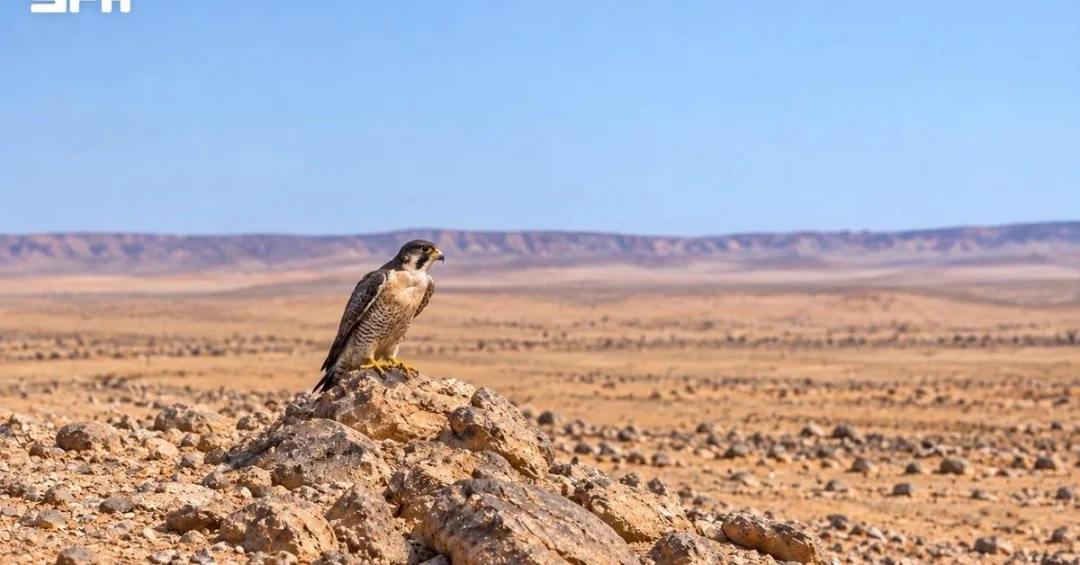
The annual autumn migration of the Shaheen, or peregrine falcon, has begun across Saudi Arabia’s Northern Borders Region, reviving a cherished heritage season for falconers and trappers that runs through October and beyond. According to the Saudi Press Agency, the arrival of the birds along established migratory corridors has drawn enthusiasts, known locally as falconers and trappers, back to the desert in a tradition that blends patience, skill, and deep knowledge of nature. The season is anchored in the vast Al-Hammad Desert, which has long been recognized as a prime destination for trappers because of its strategic position along the flight paths the falcons follow each fall.
For generations, falconry has held a distinguished place in Arab culture, and in Saudi Arabia it remains a living heritage rather than a relic of the past. The peregrine falcon, celebrated for its speed and hunting ability, is the most prized of the birds sought during the migration. Trappers say the season is not merely a pursuit of birds but a reunion with the desert, with traditional knowledge, and with a community that spans generations. The Northern Borders Region, with its open expanses and relatively undisturbed terrain, offers ideal conditions for both the birds and those who track them.
Context and Background
Why does a single bird species command so much attention across an entire region each autumn? The answer lies in the deep roots of falconry in Arabian life. Historically, falconry was a practical means of hunting for food in harsh desert environments, and the peregrine falcon was respected for its extraordinary speed, vision, and hunting prowess. Over time, the practice evolved into a cultural art form, passed down through families and celebrated in poetry, storytelling, and community gatherings. The Shaheen, as the peregrine is known in the region, occupies the highest tier of that tradition.
The timing of the migration is remarkably consistent. Each October, the falcons move southward along established routes that cross the Arabian Peninsula, and the Northern Borders Region sits directly in their path. The Al-Hammad Desert, a broad and largely open expanse, provides the kind of terrain that makes observation and careful trapping possible without disrupting the birds’ natural journey. Trappers describe the season as a test of endurance and observation, requiring early preparation and a disciplined daily routine.
Falconry enthusiast Ahmed Al-Banaqi explained that preparations begin well before the first birds appear. Camps are established in the desert, and specialized nets and gear are readied for the season. Trappers head into the field during two key daily periods: from dawn through the morning, and again shortly before sunset. These are the hours when the falcons are most active and when the light and air conditions favor careful tracking. Success depends on patience, tracking skills, and a deep familiarity with migratory routes that is often inherited rather than taught in any formal setting.
Key Details of the Season
What does a typical day in the trapping season actually look like? According to those who practice it, the work begins before sunrise. Trappers position themselves along known flight corridors, set their nets, and then wait, often in silence, watching the sky for the distinctive silhouette of a peregrine. The morning session can last for hours, and the evening session repeats the discipline as the sun lowers. Between these periods, trappers maintain their camps, repair gear, and share information about bird movements with others in the area.
The National Center for Falcons plays a central role in organizing and supporting the season. The center arranges a designated falcon auction that coincides with the migration period, receiving birds captured nationwide and providing trappers with professional support services. The auction allows trappers to showcase and sell their falcons in a competitive live setting, which in turn gives the season an economic dimension alongside its cultural significance. By formalizing the marketplace, the center helps ensure that the trade is conducted in an organized and transparent manner.
The auction also serves as a gathering point for the falconry community. Breeders, trappers, and enthusiasts come together to evaluate birds, exchange knowledge, and celebrate the season. For many participants, the event is as much a social occasion as a commercial one. The presence of professional support services means that even less experienced trappers can present their birds properly and understand the standards applied in the market. This combination of tradition and organization reflects the broader approach Saudi Arabia has taken to preserving heritage while adapting it to modern expectations.
International and Regional Impact
How does a regional trapping season connect to global conservation and cultural exchange? Falconry is recognized internationally as a living human heritage, and Saudi Arabia’s stewardship of the practice contributes to that global recognition. The migration of the peregrine falcon itself is a cross-border phenomenon, with birds traveling through multiple countries along routes that scientists and conservationists study closely. Saudi Arabia’s role in hosting and managing the season responsibly places it within a wider network of nations that share an interest in the species.
Regional interest in falconry is strong across the Gulf, and the auction in the Northern Borders Region attracts attention from beyond Saudi borders. The event reinforces the Kingdom’s position as a center for falconry culture and commerce. At the same time, the emphasis on organized auctions and professional services signals a commitment to responsible practice. By supporting trappers and providing a structured marketplace, Saudi authorities help ensure that the tradition continues in a way that respects both the birds and the environment. This balance between cultural preservation and responsible management is increasingly noted by international observers.
Economic and Strategic Significance
What economic value does the falcon season generate for local communities? The season brings activity to the Northern Borders Region, supporting camps, equipment suppliers, transport, and hospitality. Trappers invest in nets, gear, and provisions, and the auction creates a formal channel for transactions that might otherwise occur informally. The presence of a competitive live auction also establishes benchmarks for quality and pricing, which benefits both sellers and buyers. For local economies, the season represents a recurring source of income and engagement.
Strategically, the falconry sector aligns with Saudi Arabia’s efforts to diversify economic activity and promote heritage tourism. Visitors interested in traditional sports and desert culture are drawn to regions where such practices remain vibrant, and the Northern Borders Region offers an authentic experience. The National Center for Falcons supports this by organizing events and services that make the season accessible and well-managed. Over time, the combination of cultural authenticity and professional organization can help establish the region as a destination for those seeking to understand Arabian falconry firsthand.
Vision 2030 Alignment
How does a traditional desert season fit into a modern national transformation? Saudi Vision 2030 emphasizes the preservation of cultural heritage alongside economic diversification, and falconry sits at the intersection of both. The National Center for Falcons, through its auction and support services, embodies the idea that heritage can be organized, celebrated, and made economically productive without losing its authenticity. The season in the Northern Borders Region is a concrete example of a tradition that continues to thrive because it is supported by modern institutions.
The migration of the peregrine falcon is a natural event, but the season that surrounds it is a cultural and economic one. By investing in this season, Saudi Arabia reinforces its commitment to maintaining the practices that define its identity while opening them to a wider world. The trappers who rise before dawn, the organizers who manage the auction, and the enthusiasts who travel to the region all participate in a shared endeavor that links the Kingdom’s past to its future. As the falcons move south each October, they bring with them not only a spectacle of nature but also a reminder of the enduring value of heritage in a changing world.
20 Questions
Q1. What is the Shaheen falcon?
A1. The Shaheen is the local name for the peregrine falcon, a fast and highly prized bird of prey. It is the most sought-after species during the annual autumn migration in Saudi Arabia’s Northern Borders Region.
Q2. When does the peregrine falcon migration season begin?
A2. The season begins in October, when the peregrine falcon starts its annual fall migration. This timing revives the traditional trapping season among falconers and trappers across the Northern Borders Region.
Q3. Why is the Al-Hammad Desert important for trappers?
A3. The Al-Hammad Desert is a prime destination because of its strategic position along migratory flight corridors. Its open terrain allows trappers to observe and carefully capture falcons without disrupting their natural journey.
Q4. What preparations do trappers make before the season?
A4. Trappers begin early by setting up camps and readying specialized nets and gear. Falconry enthusiast Ahmed Al-Banaqi noted that these preparations are essential for a successful season in the desert.
Q5. During which times of day do trappers work?
A5. Trappers head into the field during two key daily periods: from dawn through the morning, and again shortly before sunset. These hours offer the best conditions for tracking and observing the falcons.
Q6. What skills are needed for successful trapping?
A6. Success relies on patience, tracking skills, and deep familiarity with migratory routes. These abilities are often passed down through generations and refined through experience in the field.
Q7. What is the role of the National Center for Falcons?
A7. The National Center for Falcons organizes a designated falcon auction that coincides with the season. It receives birds captured nationwide and provides trappers with professional support services to showcase and sell their falcons.
Q8. How does the falcon auction work?
A8. The auction is a competitive live event where trappers can present their falcons for sale. It provides a formal marketplace and establishes quality and pricing benchmarks for the falconry community.
Q9. Is falconry important to Saudi culture?
A9. Yes, falconry is a cherished heritage practice in Saudi Arabia and across the Arab world. It reflects a deep connection to the desert, traditional knowledge, and community life that spans generations.
Q10. How does the season benefit local communities?
A10. The season brings activity to the Northern Borders Region, supporting camps, equipment suppliers, transport, and hospitality. It represents a recurring source of income and engagement for local economies.
Q11. Does the falcon season attract international attention?
A11. Yes, falconry is recognized internationally as a living human heritage. Saudi Arabia’s responsible stewardship of the season contributes to global recognition and cultural exchange.
Q12. How does Saudi Arabia ensure responsible trapping?
A12. The National Center for Falcons supports trappers and provides a structured marketplace. This organized approach helps ensure the tradition continues in a way that respects both the birds and the environment.
Q13. What is the connection between falconry and Vision 2030?
A13. Vision 2030 emphasizes preserving cultural heritage alongside economic diversification. Falconry sits at the intersection of both, showing how tradition can be organized and made economically productive.
Q14. Can visitors participate in or observe the season?
A14. Visitors interested in traditional sports and desert culture are drawn to regions where falconry remains vibrant. The organized auction and support services make the season accessible and well-managed.
Q15. What types of falcons are captured during the season?
A15. The peregrine falcon, or Shaheen, is the most prized species. The auction receives birds captured nationwide, reflecting the broad reach of the migration and the trapping tradition.
Q16. How long does the trapping season last?
A16. The season begins in October with the start of the fall migration. It continues through the migration period, with trappers working daily during the key morning and evening hours.
Q17. What equipment do trappers use?
A17. Trappers use specialized nets and gear prepared before the season. The equipment is designed to capture falcons carefully, reflecting the skill and respect that characterize traditional falconry practice.
Q18. Why is the peregrine falcon so highly valued?
A18. The peregrine falcon is celebrated for its extraordinary speed, vision, and hunting ability. These qualities have made it the most respected bird in Arabian falconry for generations.
Q19. How does the season reflect Saudi Arabia’s heritage?
A19. The season demonstrates how traditional practices remain alive in modern Saudi Arabia. It connects families and communities to their history while being supported by contemporary institutions and organizations.
Q20. What does the future hold for falconry in Saudi Arabia?
A20. With continued support from the National Center for Falcons and alignment with Vision 2030, falconry is well positioned to thrive. It will remain a celebrated heritage practice and a contributor to cultural tourism.
Reader Feedback
We value your thoughts. Please share your feedback on this article.
Your feedback helps us improve our coverage.
Related articles
 Saudi Coffee Celebrates Cultural Heritage on International Coffee Day
 Wrth Camp Launches Third Edition in Aseer
 Al-Sawani: Qassim’s Ancient Water-Drawing Tradition
 DGDA Joins Saudi Falcons and Hunting Exhibition 2026
 National Falcons Center Auction Begins Intake of Locally Trapped Falcons
 Moon–Pleiades Conjunction Marks Start of Al-Wasm Season