


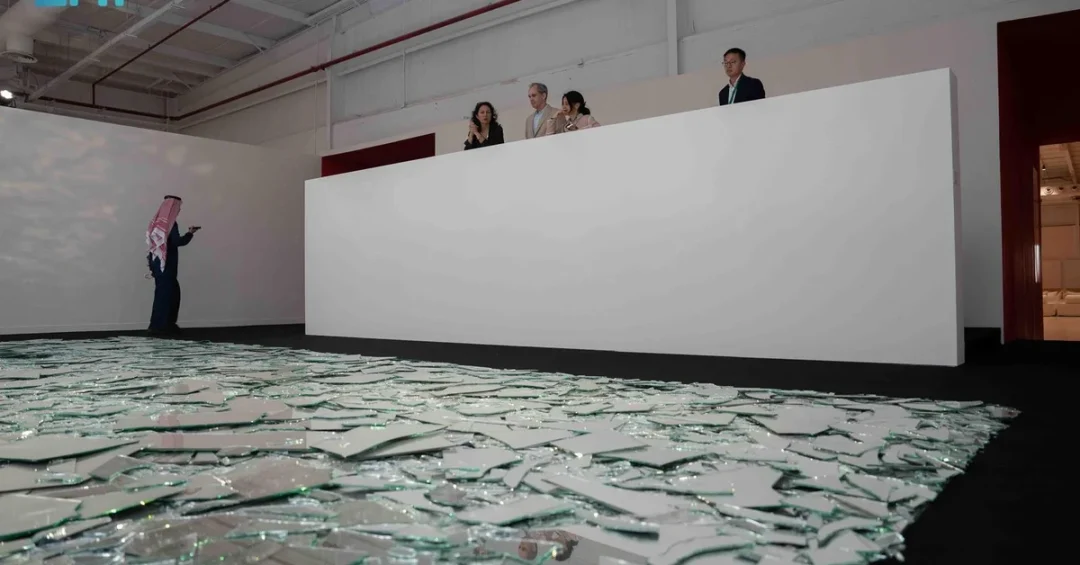
Art Week Riyadh has transformed the JAX District into a vibrant showcase of international and Saudi artistic expression, with official Saudi sources confirming that the event is positioning the Kingdom as a rising global hub for contemporary culture. The week-long celebration, reported by the Saudi Press Agency (SPA), brings together established and emerging artists whose works explore themes of memory, nature, civilization, and human resilience, drawing visitors from across the region and beyond to Riyadh’s rapidly evolving creative quarter.
The JAX District, a former industrial zone reborn as a cultural destination, hosts a diverse array of paintings, sculptures, and mixed-media installations. Among the most talked-about contributions is the work of French artist Kader Attia, whose pieces use fragments of broken mirrors to examine modern civilization and societal shifts. Simultaneously, Bangladeshi artist Ayesha Sultana presents her “Breath Count” series, initiated in 2018, featuring carved marks on clay-coated paper that document her breathing at different life moments. Together, these works exemplify the global dialogue Art Week Riyadh seeks to foster. But what does this convergence of artistic voices reveal about Saudi Arabia’s cultural ambitions on the world stage?
Context and Background
Art Week Riyadh emerges from a broader national effort to cultivate a thriving cultural ecosystem under Saudi Vision 2030, the strategic framework launched by Crown Prince Mohammed bin Salman in 2016. The Vision’s Quality of Life Program and the Ministry of Culture, established in 2018, have catalyzed a wave of festivals, exhibitions, and institutional developments across the Kingdom. The JAX District, located in Diriyah, is a cornerstone of this initiative, repurposed from a former industrial area into a dynamic hub for artists, galleries, and creative entrepreneurs. Its selection as the venue for Art Week Riyadh underscores the Kingdom’s commitment to integrating contemporary art into its urban and social fabric.
The event also reflects Saudi Arabia’s growing engagement with the international art community. By inviting figures such as Kader Attia, whose work is held in major museums worldwide, and Ayesha Sultana, known for her meditative explorations of material and environment, the organizers signal an openness to global perspectives. This is not merely an exhibition; it is a diplomatic and cultural exchange. How does hosting such diverse artworks reshape international perceptions of Saudi Arabia? The presence of these artists in Riyadh suggests that the Kingdom is not only importing culture but also positioning itself as a platform where global narratives intersect with local heritage.
Furthermore, the timing aligns with a period of accelerated cultural investment. In recent years, Saudi Arabia has hosted the Diriyah Biennale, the Red Sea International Film Festival, and numerous art fairs, each drawing record attendance. Art Week Riyadh builds on this momentum, offering a concentrated moment for collectors, curators, and enthusiasts to engage with works that challenge and inspire. The JAX District itself has become a symbol of this transformation, with its warehouses and open spaces now housing studios, galleries, and performance venues. This setting provides a fitting backdrop for art that questions the boundaries between past and present, nature and civilization.
Key Details
The centerpiece of Art Week Riyadh at JAX District is a curated selection of works that span geographies and mediums. Kader Attia’s mirror-based installations are particularly striking. By assembling shattered mirrors into large-scale compositions, Attia explores the concept of repair—both physical and cultural. His pieces invite viewers to confront fragmented perspectives of the world, a theme that resonates in an era of global interconnectedness and division. The use of mirrors also creates an interactive experience; visitors see themselves reflected within the artwork, blurring the line between observer and observed. This participatory element is central to the week’s ethos of engagement.
Ayesha Sultana’s “Breath Count” series offers a quieter, yet equally profound, counterpoint. Initiated in 2018, the series comprises sculptures made from carved marks on clay-coated paper. Each mark corresponds to a breath taken at a specific moment, turning the act of breathing into a tangible record of existence. Sultana’s choice of materials—earth-related clay and paper representing trees—forges a connection between nature and humanity. The works invite contemplation on environmental issues and the fragility of life. As visitors move through the exhibition, they are encouraged to slow down and reflect, a deliberate contrast to the fast pace of modern urban life. What can a single breath teach us about our relationship with the planet?
Beyond these headline works, Art Week Riyadh features a range of Saudi and regional artists whose contributions highlight the depth of local talent. While the SPA report focuses on Attia and Sultana, the broader program includes talks, workshops, and performances that animate the JAX District. These ancillary events provide context and foster dialogue, ensuring that the week is not just a static display but a living conversation. The diversity of artworks on show—from conceptual installations to delicate works on paper—demonstrates the curatorial vision of blending international stars with emerging voices. This approach not only elevates the local art scene but also positions Riyadh as a meeting point for creative minds from around the world.
International and Regional Impact
The presence of Kader Attia, a French artist of Algerian descent, and Ayesha Sultana, who is based in Bangladesh, at Art Week Riyadh carries significant diplomatic weight. Their participation signals that Saudi Arabia is open to engaging with artists from diverse backgrounds, including those whose work often addresses complex social and historical themes. In a region where cultural exchange can be delicate, Riyadh’s invitation to these artists reflects a confident and outward-looking approach. It also aligns with the Kingdom’s broader foreign policy objectives of building bridges through soft power. How might such cultural diplomacy influence regional perceptions of Saudi Arabia?
Regionally, Art Week Riyadh reinforces the Kingdom’s role as a leader in the Middle East’s cultural renaissance. Neighboring countries such as the United Arab Emirates and Qatar have long invested in museums and fairs, and Saudi Arabia’s accelerated efforts are quickly making it a central player. The JAX District, with its distinct character, offers a unique alternative to purpose-built cultural districts elsewhere. By hosting an event of this caliber, Riyadh attracts art tourists, collectors, and media attention, contributing to the local economy and enhancing the Kingdom’s image as a dynamic, modern society. For international audiences, the week provides a window into Saudi Arabia’s evolving identity—one that honors tradition while embracing global contemporary art.
Economic and Strategic Significance
Art Week Riyadh is not only a cultural milestone but also an economic catalyst. The creative industries are a key pillar of Vision 2030, with the Ministry of Culture aiming to increase the sector’s contribution to GDP and create jobs for Saudi youth. Events like this stimulate demand for hospitality, retail, and transportation services in Riyadh. The JAX District itself is part of a larger urban regeneration project that attracts investment and tourism. By drawing visitors to Diriyah, the event supports the local economy and showcases the area’s potential as a year-round destination. What economic ripple effects can a successful art week generate for a city like Riyadh?
Strategically, the week enhances Saudi Arabia’s soft power and cultural influence. In a globalized world, nations compete not only on economic and military strength but also on cultural appeal. By establishing itself as a hub for contemporary art, the Kingdom diversifies its international image and builds lasting connections with creative communities. The participation of artists like Attia and Sultana also facilitates cross-cultural understanding, which can lead to future collaborations in education, tourism, and trade. Moreover, the event aligns with the Public Investment Fund’s broader strategy of investing in entertainment and culture, which includes giga-projects like Diriyah Gate. These investments are designed to transform Riyadh into one of the world’s most livable and visitable cities.
Vision 2030 Alignment
Art Week Riyadh at JAX District exemplifies the core objectives of Saudi Vision 2030, particularly the Quality of Life Program and the Cultural Development Fund. By promoting arts and culture, the Kingdom aims to enrich the lives of citizens and residents, foster national pride, and attract international visitors. The event also supports the Vision’s goal of diversifying the economy away from oil by nurturing a vibrant creative sector. The JAX District’s transformation from industrial space to cultural hub mirrors the broader narrative of renewal and progress that defines Saudi Arabia today. As the week unfolds, it becomes clear that art is not a peripheral pursuit but a central element of the nation’s future.
Looking ahead, the success of Art Week Riyadh will likely pave the way for more frequent and ambitious cultural events. The Kingdom has already announced plans for new museums, galleries, and biennales, signaling a long-term commitment. For international audiences, this is an invitation to engage with a Saudi Arabia that is confident, open, and creatively alive. The artworks on display—whether Attia’s shattered mirrors or Sultana’s breath records—offer profound reflections on the human condition, reminding us that art transcends borders. In hosting such works, Riyadh is not only showcasing global talent but also writing its own chapter in the story of contemporary culture. How will this moment inspire the next generation of Saudi artists and global collaborators? The answer lies in the continued investment and passion that Art Week Riyadh so vividly represents.
20 Questions
Q1. What is Art Week Riyadh and where is it taking place?
A1. Art Week Riyadh is a cultural event showcasing diverse artworks, currently being held in Riyadh’s JAX District, a repurposed industrial area now serving as a creative hub in the Kingdom.
Q2. Which international artists are featured at Art Week Riyadh?
A2. French artist Kader Attia and Bangladeshi artist Ayesha Sultana are among the featured artists, presenting works that explore themes of civilization, memory, and nature.
Q3. What materials does Kader Attia use in his artworks?
A3. Kader Attia uses fragments of broken mirrors to create installations that reflect fragmented perspectives of the world, inviting viewers to contemplate modern civilization and societal shifts.
Q4. What is the concept behind Ayesha Sultana’s “Breath Count” series?
A4. The series, initiated in 2018, features sculptures of carved marks on clay-coated paper, documenting the artist’s breath at different life moments, connecting nature and humanity.
Q5. How does Ayesha Sultana’s work relate to environmental issues?
A5. Her use of earth-related clay and paper representing trees creates a link between nature and humanity, inviting contemplation on human and environmental issues.
Q6. What is the significance of the JAX District in Riyadh?
A6. The JAX District is a former industrial zone transformed into a cultural destination, hosting galleries, studios, and events that support Saudi Arabia’s growing creative economy.
Q7. How does Art Week Riyadh align with Saudi Vision 2030?
A7. It supports the Quality of Life Program and cultural development goals by enriching society, attracting visitors, and diversifying the economy through the creative sector.
Q8. What role does the Saudi Press Agency play in reporting this event?
A8. The Saudi Press Agency (SPA) provides official coverage, confirming the event’s details and highlighting its significance as part of the Kingdom’s cultural movement.
Q9. Why is international participation important for Art Week Riyadh?
A9. International artists bring global perspectives, foster cultural exchange, and enhance Riyadh’s reputation as a platform for contemporary art, aligning with Saudi Arabia’s diplomatic goals.
Q10. What themes are explored in the artworks at Art Week Riyadh?
A10. Themes include modern civilization, societal shifts, memory, nature, human resilience, and environmental issues, as seen in works by Attia and Sultana.
Q11. How does Art Week Riyadh contribute to the local economy?
A11. It stimulates hospitality, retail, and transportation sectors, attracts art tourists, and supports job creation in the creative industries, in line with Vision 2030.
Q12. What other cultural events has Saudi Arabia hosted recently?
A12. Saudi Arabia has hosted the Diriyah Biennale, Red Sea International Film Festival, and various art fairs, establishing itself as a regional cultural leader.
Q13. What is the significance of Kader Attia’s Algerian heritage?
A13. His background brings a unique perspective on post-colonial and cultural repair themes, enriching the diversity of voices at Art Week Riyadh.
Q14. How does Ayesha Sultana’s work invite viewer participation?
A14. Her subtle sculptures encourage slow reflection, contrasting with fast-paced modern life, and prompt contemplation on breath, existence, and environmental fragility.
Q15. What is the expected impact of Art Week Riyadh on Saudi artists?
A15. It provides a platform for local talent to engage with international artists, fostering inspiration, collaboration, and growth within the Saudi creative community.
Q16. How does the JAX District reflect Saudi Arabia’s modernization?
A16. Its transformation from industrial space to cultural hub symbolizes the Kingdom’s broader renewal, blending heritage with contemporary creativity under Vision 2030.
Q17. What role does the Ministry of Culture play in such events?
A17. The Ministry of Culture, established in 2018, supports and organizes cultural initiatives, including Art Week Riyadh, to promote arts and heritage nationally and internationally.
Q18. How can international visitors participate in Art Week Riyadh?
A18. International visitors can attend exhibitions, talks, and workshops at the JAX District, with details available through official Saudi tourism and cultural channels.
Q19. What makes Art Week Riyadh different from other art fairs?
A19. Its location in the unique JAX District, focus on cross-cultural dialogue, and integration with Vision 2030 goals distinguish it as a holistic cultural experience.
Q20. What does the future hold for Saudi Arabia’s cultural sector?
A20. Continued investment in museums, festivals, and creative districts will further establish the Kingdom as a global cultural destination, driven by Vision 2030 and growing international partnerships.
Reader Feedback
We value your thoughts. Please share your feedback on this article.
Your feedback helps us improve our coverage.
Related articles
 Heritage Commission to Unveil Green Arabia Study in Riyadh
 Al Mousa Center Spotlights Diverse Art at Art Week Riyadh
 Red Sea Fund Opens 2025 Production Grants Cycle
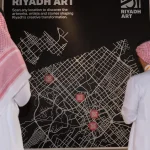 Riyadh Art Enriches Creative Scene During Art Week Riyadh
 Manga Arabia, Coamix Deal Brings Japanese Manga to Arabic
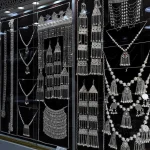 Silver Handicrafts Showcase Saudi Cultural Heritage