


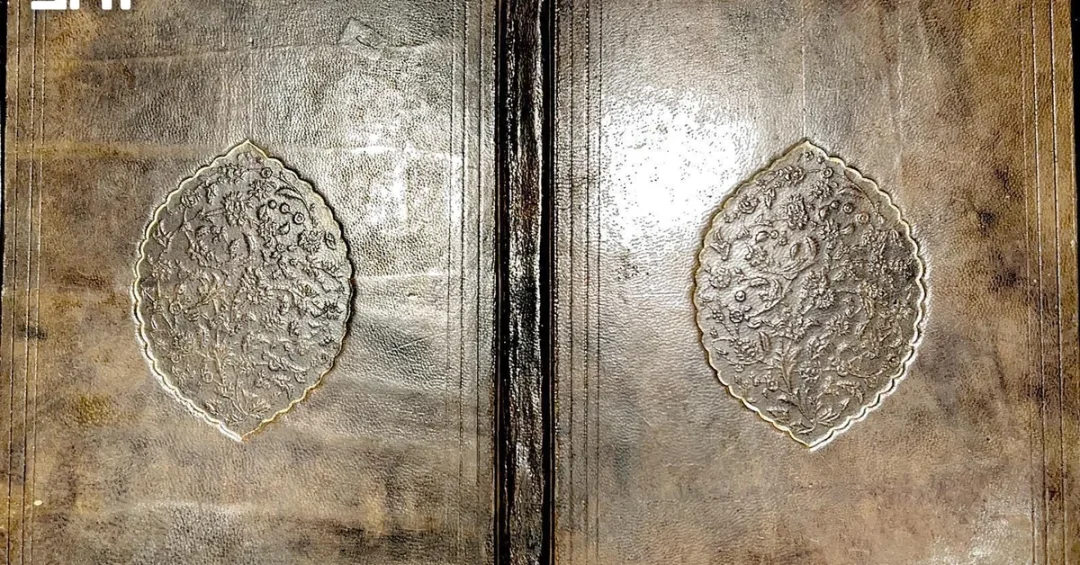
Riyadh, November 26, 2026 — King Fahd National Library in Riyadh has unveiled a rare four-volume manuscript of the Holy Quran dating back to the 10th century AH, offering the public a unique window into the meticulous art of Quranic transcription and the enduring Islamic tradition of preserving the sacred text. The announcement, released via the Saudi Press Agency (SPA), highlights the Kingdom’s ongoing commitment to safeguarding its documentary heritage and making it accessible to future generations. The displayed pages feature verses from Surat Al-Kahf, one of the most revered chapters of the Quran, and underscore the historical, scholarly, and cultural value of such manuscripts. The library invites visitors and researchers to explore this treasure, which stands as a testament to the care Muslims have taken over centuries to transcribe and protect the Holy Quran.
For international audiences, this presentation is more than a display of antiquity; it is a living demonstration of Saudi Arabia’s role as a custodian of Islamic heritage. The manuscript, dating to the 10th century AH (approximately the 16th century CE), reflects a period of rich intellectual and artistic achievement in the Islamic world. By showcasing it, King Fahd National Library not only honours the past but also reinforces the Kingdom’s Vision 2030 goal of promoting cultural preservation and global dialogue. How often do modern nations get to present a physical link to centuries of devotion? This event answers that question with quiet pride and scholarly rigour.
Context and Background
King Fahd National Library, named after the late Custodian of the Two Holy Mosques King Fahd bin Abdulaziz, has long served as a beacon of knowledge in Riyadh. Established to collect, preserve, and provide access to the Kingdom’s intellectual output, the library holds an extensive collection of rare books, manuscripts, and historical documents. The Quranic manuscript now on display is part of its prized rare collections, which include works spanning Islamic jurisprudence, science, literature, and the arts. The library’s mission aligns with Saudi Arabia’s broader cultural strategy, which seeks to protect and promote the nation’s heritage as a cornerstone of national identity and global soft power.
The 10th century AH was a time of vibrant manuscript production across the Islamic world. Calligraphers and illuminators dedicated years to copying the Quran, often adorning pages with intricate geometric patterns and gold leaf. This four-volume set is a remarkable example of that tradition. Each volume likely contains a portion of the text, with the displayed pages from Surat Al-Kahf offering a glimpse into the calligrapher’s skill. The preservation of such works requires specialised expertise in conservation, climate control, and digitisation—areas where Saudi institutions have invested significantly in recent years. Why does this matter today? Because it connects modern readers with the spiritual and artistic devotion of their predecessors.
The library’s decision to present this manuscript publicly is part of a wider effort to engage citizens, residents, and international visitors. By making rare collections accessible, King Fahd National Library fulfils an educational role, allowing people to learn about the history of the Holy Quran, the methods used in its transcription, and the intellectual heritage embodied in Quranic manuscripts. This initiative also supports Saudi Arabia’s tourism and cultural goals, as heritage sites and institutions become key attractions for visitors seeking authentic experiences. In a world where digital copies are ubiquitous, the physical manuscript offers a tangible connection to the past that no screen can replicate.
Key Details of the Manuscript
The manuscript comprises four volumes, each carefully bound and preserved. While the exact date of transcription is not specified beyond the 10th century AH, experts note that the calligraphy and illumination style are consistent with the Mamluk or early Ottoman periods, which produced some of the finest Quranic manuscripts. The pages on display feature verses from Surat Al-Kahf, a chapter that recounts stories of faith, patience, and divine guidance. The text is likely written in a clear, readable script—possibly Naskh or Muhaqqaq—with vowel marks and diacritics to aid recitation. The condition of the manuscript suggests it has been well cared for, with minimal damage, indicating a history of careful stewardship.
Visitors to King Fahd National Library can view examples from the rare collection and learn about the transcription process. The library provides context on the materials used—parchment or paper, inks, and gold—and the techniques of binding and illumination. This educational component is crucial for understanding the manuscript not just as a religious artifact but as a work of art and scholarship. The library’s experts are on hand to explain the significance of the manuscript’s features, such as the use of marginal notes, verse markers, and decorative elements. What can a modern audience learn from a 500-year-old book? Patience, precision, and the profound respect for knowledge that defined Islamic civilisation.
The presentation also highlights the library’s ongoing efforts to digitise its collections. While the physical manuscript is on display, digital versions may be made available online, allowing global access. This dual approach—preserving the original while sharing its content widely—reflects Saudi Arabia’s balanced strategy of heritage conservation and modern technology. The manuscript’s four-volume format is particularly notable, as complete sets from this period are rare. It offers scholars a chance to study the text’s transmission, calligraphic variations, and historical annotations. For the public, it is a chance to witness the beauty of Quranic art firsthand.
International and Regional Impact
The display of this rare Quran manuscript has implications beyond Saudi Arabia’s borders. It reinforces the Kingdom’s position as a global centre for Islamic scholarship and heritage preservation. Researchers and institutions from around the world may seek collaboration with King Fahd National Library, fostering academic exchange and cultural diplomacy. The manuscript also serves as a reminder of the shared Islamic heritage that unites Muslims across continents. By making it accessible, Saudi Arabia contributes to a broader understanding of Islam’s intellectual traditions, countering misconceptions and promoting moderate, scholarly discourse. In a region often defined by political tensions, cultural initiatives like this build bridges and foster mutual respect.
Regionally, the presentation aligns with efforts by the Gulf Cooperation Council (GCC) states to preserve their collective heritage. Saudi Arabia’s leadership in this area is well recognised, and the library’s initiative may inspire similar projects in neighbouring countries. The manuscript’s display also supports religious tourism, as pilgrims and visitors to the Kingdom may add a visit to the library to their itinerary. This enriches the spiritual journey and offers a deeper appreciation of Islamic history. Furthermore, the event underscores the Kingdom’s commitment to protecting the Holy Quran, a sentiment that resonates with Muslims worldwide. How does preserving a manuscript contribute to global understanding? By showing that Saudi Arabia values knowledge, art, and faith as universal treasures.
Economic and Strategic Significance
While the manuscript’s value is primarily cultural and religious, its presentation has economic and strategic dimensions. Cultural heritage is a growing sector in Saudi Arabia’s diversification efforts under Vision 2030. By attracting visitors to institutions like King Fahd National Library, the Kingdom boosts its tourism industry and creates opportunities for related services—hotels, guides, and educational programs. The library itself is a hub of knowledge that supports research and innovation, feeding into the knowledge-based economy that Saudi Arabia seeks to build. Strategic investments in heritage preservation also generate jobs and stimulate local economies, particularly in Riyadh and other cultural centres.
Moreover, the manuscript serves as a soft power asset. It showcases Saudi Arabia’s dedication to Islamic values and its ability to manage and protect sacred texts. This enhances the Kingdom’s international image and strengthens its role as a leader in the Muslim world. In an era where cultural diplomacy is increasingly important, such initiatives are invaluable. They also complement Saudi Arabia’s efforts to promote moderate Islam and counter extremism, by highlighting the rich, scholarly traditions of the faith. The economic benefits may be indirect, but the strategic gains in reputation and influence are substantial. What nation would not want to be seen as a guardian of its most cherished heritage?
Vision 2030 Alignment
The presentation of this rare Quran manuscript is a clear reflection of Saudi Arabia’s Vision 2030, which prioritises the preservation and promotion of cultural heritage as a pillar of national identity and economic diversification. Vision 2030 aims to increase the contribution of cultural activities to the economy and to enhance the Kingdom’s global cultural presence. King Fahd National Library’s initiative directly supports these goals by making heritage accessible, fostering education, and attracting visitors. It also aligns with the Quality of Life program, which seeks to enrich the lives of citizens and residents through cultural experiences. By investing in such projects, Saudi Arabia demonstrates that modernity and tradition can coexist and thrive together.
Looking ahead, the library’s display of this manuscript is likely to be followed by further exhibitions and educational programs. It sets a precedent for how Saudi institutions can engage the public with their collections, using both physical displays and digital tools. As Vision 2030 progresses, expect to see more of these initiatives, reinforcing the Kingdom’s role as a custodian of Islamic heritage and a global destination for culture and knowledge. The manuscript’s journey from the 10th century AH to the present day is a story of devotion and care—a story that Saudi Arabia is proud to share with the world. In doing so, it not only honours the past but also builds a bridge to the future, where heritage and progress walk hand in hand.
20 Questions
Q1. What rare manuscript has King Fahd National Library presented?
A1. The library has presented a rare four-volume copy of the Holy Quran dating back to the 10th century AH, featuring verses from Surat Al-Kahf and showcasing centuries of Quranic transcription artistry.
Q2. Where is King Fahd National Library located?
A2. It is located in Riyadh, the capital of Saudi Arabia, and serves as a major centre for preserving the Kingdom’s documentary heritage and intellectual output.
Q3. What is the significance of the 10th century AH for Quranic manuscripts?
A3. The 10th century AH (16th century CE) was a period of flourishing Islamic calligraphy and manuscript production, with highly skilled artisans creating beautifully illuminated Quran copies.
Q4. Which chapter of the Quran is featured in the displayed pages?
A4. The displayed pages feature verses from Surat Al-Kahf, a chapter that recounts stories of faith, patience, and divine guidance, and is widely revered by Muslims.
Q5. How many volumes does the manuscript comprise?
A5. The manuscript comprises four volumes, making it a complete set, which is relatively rare for manuscripts of that era and adds to its historical value.
Q6. What can visitors learn at the library’s display?
A6. Visitors can learn about the history of the Holy Quran, the methods used in its transcription, and the intellectual and civilizational heritage embodied in Quranic manuscripts.
Q7. How does this presentation reflect Saudi Arabia’s commitment to heritage?
A7. It demonstrates the Kingdom’s dedication to preserving its documentary heritage and making it accessible to future generations, in line with Vision 2030 cultural goals.
Q8. What is the historical value of Quranic manuscripts?
A8. They offer insights into the art of calligraphy, the transmission of the Quranic text, and the cultural and scholarly practices of Islamic civilizations over centuries.
Q9. Are there plans to digitise the manuscript?
A9. While not explicitly stated, King Fahd National Library has ongoing digitisation efforts to make rare collections accessible online, complementing physical displays.
Q10. How does this manuscript support religious tourism in Saudi Arabia?
A10. It provides an additional cultural and spiritual attraction for visitors, enriching their experience and highlighting the Kingdom’s role as a custodian of Islamic heritage.
Q11. What materials were likely used in the manuscript?
A11. Manuscripts from that period typically used parchment or paper, with inks and sometimes gold leaf for illumination, though specific details of this copy are not provided.
Q12. What calligraphic style might the manuscript feature?
A12. It may feature scripts such as Naskh or Muhaqqaq, known for their clarity and beauty, often used in Quranic transcription during the Mamluk and Ottoman periods.
Q13. How does this initiative align with Vision 2030?
A13. Vision 2030 emphasises cultural preservation and economic diversification; this display supports both by promoting heritage tourism and enhancing Saudi Arabia’s global cultural presence.
Q14. Who can view the manuscript?
A14. The library offers visitors and interested individuals the opportunity to view examples from its rare collections, making it accessible to the public and researchers.
Q15. What is the role of King Fahd National Library?
A15. It collects, preserves, and provides access to Saudi Arabia’s intellectual output, including rare manuscripts, books, and documents, serving as a key cultural institution.
Q16. Why is the preservation of Quranic manuscripts important?
A16. It safeguards the sacred text’s transmission, preserves artistic and scholarly heritage, and allows future generations to connect with Islamic history and devotion.
Q17. How does this display promote moderate Islam?
A17. By showcasing the scholarly and artistic traditions of Islam, it highlights the faith’s intellectual depth and counters extremism, promoting a message of peace and knowledge.
Q18. What economic benefits might arise from such cultural displays?
A18. They can boost tourism, create jobs in the heritage sector, and support ancillary services, contributing to Saudi Arabia’s economic diversification goals.
Q19. Are there similar manuscripts in other Saudi collections?
A19. Yes, Saudi Arabia houses numerous rare Islamic manuscripts in institutions like the King Abdulaziz Public Library and the National Museum, reflecting its rich heritage.
Q20. What message does this presentation send to the world?
A20. It conveys Saudi Arabia’s dedication to preserving Islamic heritage, promoting cultural understanding, and sharing its treasures with the global community in a spirit of openness.
Reader Feedback
We value your thoughts. Please share your feedback on this article.
Your feedback helps us improve our coverage.
Related articles
 18 King Abdulaziz Cups Rounds Crown Winners at Falconry Festival
 Advanced Tech Boosts Fairness at Saudi Falconry Festival
 Theater and Performing Arts Commission Launches Performances Program in Qassim
 Darah Board Reviews 2026 Strategy Progress
 Pakistani Falconer Makes History with King Abdulaziz Cup Win
 Ithra Winter 2026 Brings Culture to Dhahran Expo