


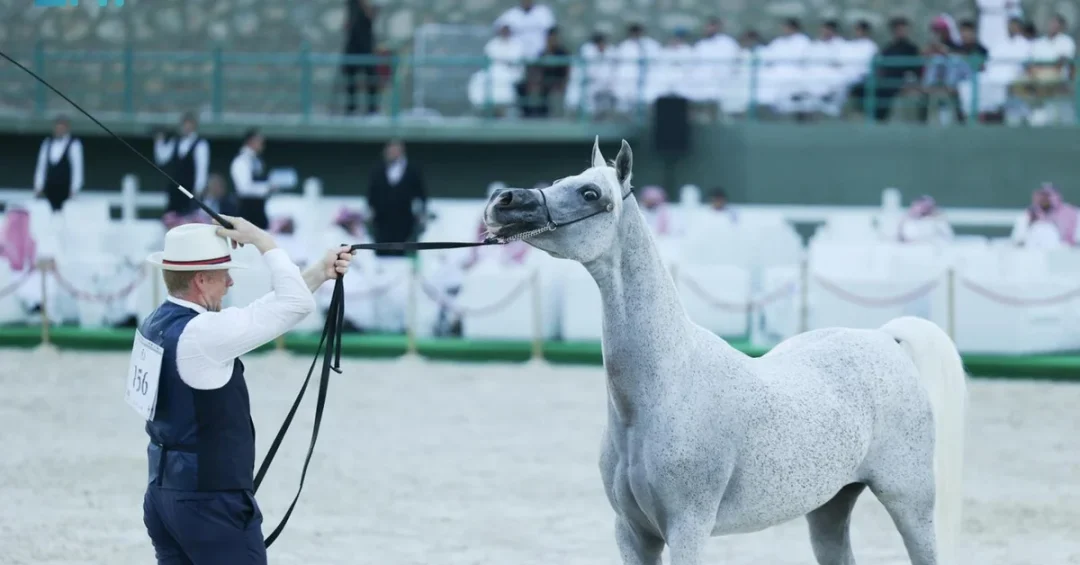
The 15th Makkah International Arabian Horse Championship continued its second day of competition at Sawary Farm in Jeddah, welcoming 300 horses from domestic and international breeders across fillies, mares, and stallions categories. The event, held from November 7 to 9, 2024, has drawn significant attention as one of the region’s premier showcases for purebred Arabian horses, highlighting the Kingdom’s deep-rooted equestrian heritage and its growing role as a global hub for equine excellence.
The championship is organized under the patronage of Saudi Arabia’s leadership, with support from the Ministry of Culture and the Saudi Arabian Equestrian Federation, reflecting the Kingdom’s commitment to preserving and promoting Arabian horse breeding as both a cultural treasure and a competitive sport. With 300 horses participating, the event underscores the increasing international confidence in Saudi Arabia’s equestrian infrastructure and its ability to host world-class competitions that attract top breeders and enthusiasts from around the globe.
Context and Background
Why has the Makkah International Arabian Horse Championship become such a pivotal event on the global equestrian calendar? The championship, now in its 15th edition, has steadily grown in prestige since its inception, evolving into a key platform for breeders to showcase the finest purebred Arabian horses. The event is held annually in Jeddah, a city with a rich history as a gateway to the holy cities of Makkah and Madinah, and it aligns with Saudi Arabia’s broader efforts to diversify its economy and promote cultural tourism under Vision 2030.
Arabian horses hold a special place in Saudi culture, symbolizing nobility, endurance, and beauty. The breed has been cherished for centuries by Bedouin tribes, and today, Saudi Arabia is home to some of the world’s most renowned Arabian horse studs. The championship not only celebrates this legacy but also serves as a competitive arena where breeders from the Kingdom and abroad can demonstrate their dedication to preserving the purity and excellence of the breed. The event’s categories—fillies, mares, and stallions—allow for a comprehensive evaluation of horses across different age groups and genders, ensuring a fair and thorough competition.
Over the years, the championship has attracted participants from Europe, the Americas, and the Middle East, fostering international collaboration and exchange. This year’s edition is no exception, with a remarkable turnout that reflects the global appeal of Saudi Arabia’s equestrian initiatives. The event also provides an economic boost to the local community, generating activity in hospitality, tourism, and related sectors, while reinforcing Jeddah’s status as a vibrant cultural and sporting destination.
Key Details of the Championship
What makes the 15th edition stand out in terms of scale and organization? According to the Saudi Press Agency (SPA), the second day featured a series of exciting shows across various age groups, with horses evaluated on conformation, movement, and overall presence. The competition is divided into fillies, mares, and stallions categories, each with specific criteria that adhere to international standards set by organizations such as the World Arabian Horse Organization (WAHO). Judges, including experts from Saudi Arabia and abroad, assess each horse meticulously, awarding points for head and neck, body, legs, and movement.
The 300 horses participating represent a diverse mix of bloodlines, with many tracing their lineage to legendary Arabian sires. Domestic breeders have entered a strong contingent, showcasing the Kingdom’s prowess in breeding programs, while international participants bring a global perspective, enriching the competition. The event also includes ancillary activities such as educational workshops and exhibitions, providing attendees with insights into Arabian horse care, breeding techniques, and the historical significance of the breed in Arab culture.
Notable attendees include prominent figures from the Saudi equestrian community, government officials, and international guests, all gathered to celebrate the beauty and athleticism of Arabian horses. The championship is not merely a competition; it is a celebration of heritage, a meeting point for global equine enthusiasts, and a testament to Saudi Arabia’s ability to host events of international caliber. The Sawary Farm venue, known for its state-of-the-art facilities, provides an ideal setting for both the horses and the spectators, ensuring a memorable experience for all involved.
International and Regional Impact
How does the Makkah International Arabian Horse Championship influence the broader Middle East and beyond? The event serves as a bridge between Saudi Arabia and the international equestrian community, promoting cultural exchange and mutual respect. By attracting breeders and enthusiasts from around the world, the championship enhances the Kingdom’s soft power and positions it as a leader in preserving equine heritage. Regional neighbors, many of which share a similar passion for Arabian horses, look to Saudi Arabia’s model as a benchmark for their own events.
Moreover, the championship contributes to the global Arabian horse industry by facilitating the exchange of knowledge and best practices. Breeders have the opportunity to network, share insights, and form partnerships that can lead to improved breeding outcomes and the dissemination of superior genetics. The presence of international judges and experts ensures that the competition adheres to globally recognized standards, further elevating its credibility. This cross-border collaboration is essential for the sustainability and growth of the Arabian horse breed, which is celebrated for its intelligence, stamina, and distinctive appearance.
In the wider context, the event aligns with Saudi Arabia’s efforts to promote sports diplomacy and cultural engagement. By hosting such championships, the Kingdom demonstrates its commitment to fostering international ties and showcasing its rich cultural heritage. The positive attention generated by the event helps counter stereotypes and presents a dynamic, modern Saudi Arabia that honors its traditions while embracing global connections.
Economic and Strategic Significance
What economic benefits does the championship bring to Jeddah and the Kingdom? The influx of participants, officials, and spectators stimulates local businesses, from hotels and restaurants to transport and retail. The event also creates temporary employment opportunities and supports the growth of the equestrian sector, which is an integral part of Saudi Arabia’s cultural economy. As the Kingdom continues to invest in sports and cultural events, the championship serves as a model for how heritage-based activities can drive economic diversification.
Strategically, the event reinforces Saudi Arabia’s position as a hub for equestrian excellence in the region. It complements other initiatives, such as the King Abdulaziz Arabian Horse Center and various breeding programs, that aim to preserve and promote the Arabian horse. By hosting international competitions, the Kingdom attracts foreign investment and expertise, which can further develop the local equine industry. This aligns with Vision 2030’s goals of enhancing quality of life, creating economic opportunities, and strengthening national identity.
Additionally, the championship supports the growth of sports tourism, a key pillar of Saudi Arabia’s tourism strategy. Visitors from abroad often extend their stay to explore Jeddah’s cultural attractions, including the historic Al-Balad district, a UNESCO World Heritage Site. This synergy between sports and tourism amplifies the economic impact and showcases the Kingdom’s diverse offerings to a global audience.
Vision 2030 Alignment
How does the Makkah International Arabian Horse Championship embody the aspirations of Vision 2030? The event directly supports several objectives of the Vision, including the preservation of cultural heritage, the promotion of sports and recreation, and the diversification of the economy. By celebrating the Arabian horse, a symbol of Saudi identity, the championship reinforces national pride and connects younger generations with their roots. It also contributes to the Quality of Life Program by providing entertainment and cultural experiences for citizens and residents.
Furthermore, the championship enhances Saudi Arabia’s international image as a country that values tradition while embracing modernity. It attracts global attention, media coverage, and visitors, thereby boosting tourism and fostering people-to-people ties. As the Kingdom continues to implement Vision 2030, events like this demonstrate how cultural and sporting initiatives can serve as catalysts for economic growth and social development. The 15th Makkah International Arabian Horse Championship is not just a competition; it is a manifestation of Saudi Arabia’s journey toward a prosperous and culturally vibrant future.
In conclusion, the championship’s success reflects the Kingdom’s unwavering commitment to excellence and its ability to host world-class events. With each edition, it strengthens Saudi Arabia’s standing in the global equestrian community and reaffirms the enduring bond between the Saudi people and the Arabian horse. As the event continues to evolve, it will undoubtedly inspire future generations and contribute to the realization of Vision 2030’s ambitious goals.
20 Questions
Q1. What is the Makkah International Arabian Horse Championship?
A1. It is an annual equestrian event held in Jeddah, Saudi Arabia, showcasing purebred Arabian horses in categories such as fillies, mares, and stallions. The 15th edition took place from November 7 to 9, 2024, at Sawary Farm, attracting 300 horses from domestic and international breeders.
Q2. Where and when was the 15th edition held?
A2. The 15th Makkah International Arabian Horse Championship was held at Sawary Farm in Jeddah, Saudi Arabia, from November 7 to 9, 2024. The second day featured exciting shows across various age groups, as reported by the Saudi Press Agency.
Q3. How many horses participated in the championship?
A3. A total of 300 horses participated in the championship, representing both domestic and international breeders. This remarkable turnout underscores the event’s growing prestige and its appeal to the global Arabian horse community.
Q4. What are the main categories of competition?
A4. The competition is divided into three main categories: fillies, mares, and stallions. Each category is further segmented by age groups, allowing for a comprehensive evaluation of horses based on conformation, movement, and overall presence.
Q5. Who organizes the Makkah International Arabian Horse Championship?
A5. The championship is organized under the patronage of Saudi Arabia’s leadership, with support from the Ministry of Culture and the Saudi Arabian Equestrian Federation. These entities work to ensure the event meets international standards and promotes Arabian horse breeding.
Q6. What is the significance of Arabian horses in Saudi culture?
A6. Arabian horses are a symbol of nobility, endurance, and beauty in Saudi culture, cherished for centuries by Bedouin tribes. They represent a vital part of the Kingdom’s heritage and are celebrated for their intelligence and stamina.
Q7. How does the championship contribute to Vision 2030?
A7. The event supports Vision 2030 by preserving cultural heritage, promoting sports and recreation, and diversifying the economy. It also boosts sports tourism and enhances Saudi Arabia’s international image as a modern, culturally vibrant nation.
Q8. What economic benefits does the championship bring?
A8. The championship stimulates local businesses such as hotels, restaurants, and transport services. It creates temporary employment and supports the equestrian sector, contributing to economic diversification and the growth of sports tourism in Jeddah.
Q9. Are there international participants in the championship?
A9. Yes, the championship attracts breeders and enthusiasts from around the world, including Europe, the Americas, and the Middle East. Their participation fosters international collaboration and elevates the competition’s global standing.
Q10. What criteria are used to judge the horses?
A10. Judges evaluate horses based on conformation, movement, and overall presence, adhering to international standards set by the World Arabian Horse Organization (WAHO). Points are awarded for head and neck, body, legs, and movement.
Q11. Who are the judges at the championship?
A11. The panel includes experts from Saudi Arabia and abroad, ensuring impartiality and adherence to global standards. Their expertise helps maintain the championship’s credibility and fairness in evaluating the horses.
Q12. What ancillary activities take place during the championship?
A12. The event includes educational workshops and exhibitions on Arabian horse care, breeding techniques, and cultural history. These activities provide attendees with deeper insights into the breed and its significance in Arab culture.
Q13. How does the event promote cultural exchange?
A13. By bringing together breeders and enthusiasts from different countries, the championship facilitates the exchange of knowledge and best practices. It also showcases Saudi hospitality and heritage, building bridges between cultures.
Q14. What is the role of the Saudi Press Agency in covering the event?
A14. The Saudi Press Agency (SPA) provides official coverage of the championship, disseminating accurate information to local and international media. Its reports highlight the event’s key moments and reinforce Saudi Arabia’s commitment to equestrian excellence.
Q15. How does the championship support sports tourism?
A15. The event attracts visitors from abroad who often extend their stay to explore Jeddah’s cultural attractions, such as the historic Al-Balad district. This synergy between sports and tourism boosts the local economy and showcases the Kingdom’s diverse offerings.
Q16. What is the historical background of the championship?
A16. Now in its 15th edition, the championship has grown in prestige since its inception, becoming a key platform for breeders to showcase purebred Arabian horses. It reflects Saudi Arabia’s dedication to preserving equine heritage.
Q17. How does the championship align with Saudi Arabia’s equestrian initiatives?
A17. It complements initiatives like the King Abdulaziz Arabian Horse Center and various breeding programs. These efforts aim to preserve and promote the Arabian horse, positioning Saudi Arabia as a leader in the global equestrian community.
Q18. What is the significance of Sawary Farm as the venue?
A18. Sawary Farm in Jeddah is known for its state-of-the-art facilities, providing an ideal setting for both horses and spectators. Its infrastructure ensures a memorable experience and meets the requirements for hosting international competitions.
Q19. How does the championship benefit local breeders?
A19. Local breeders gain exposure to international bloodlines and breeding techniques, enhancing their own programs. The event also provides a platform to showcase their horses, potentially attracting foreign investment and partnerships.
Q20. What is the future outlook for the championship?
A20. The championship is expected to continue growing, attracting more international participants and further solidifying Saudi Arabia’s status as a hub for equestrian excellence. It will remain a key event in the Kingdom’s cultural and sporting calendar, supporting Vision 2030 goals.
Reader Feedback
We value your thoughts. Please share your feedback on this article.
Your feedback helps us improve our coverage.
Related articles
 Autumn Vacation Events Launch at Hira Cultural District
 Saudi Woman Preserves AlUla’s Shinnah Craft for 25 Years
 Saudi Arabia and France Explore Cultural Exchange
 Saudi Arabia and Brazil Discuss Cultural Cooperation
 Saudi Arabia and Italy Discuss Cultural Cooperation
 Two Falcons Sold for SAR191,000 at Saudi Falcons Club Auction