


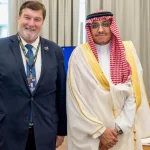
Saudi Arabia and France have taken a significant step toward deepening cultural ties, with senior officials from both nations meeting in Salvador, Brazil, on Saturday to discuss expanded cooperation across museums, libraries, performing arts, culinary arts, heritage, and film. The meeting, held on the sidelines of the 5th G20 Culture Ministers’ Meeting, brought together Eng. Fahd Al-Kanaan, Deputy Minister of Culture for International Cultural Relations at the Saudi Ministry of Culture, and Aude Accary-Bonnery, Deputy Secretary-General of the French Ministry of Culture. The discussions underscore the Kingdom’s growing commitment to international cultural diplomacy as part of its broader Vision 2030 strategy.
The encounter reflects Saudi Arabia’s proactive approach to building bridges with global cultural powers, leveraging platforms like the G20 to advance mutual understanding and collaboration. For France, a nation renowned for its rich cultural heritage and global influence in the arts, the dialogue offers a chance to engage with a rapidly transforming Saudi cultural landscape. For Saudi Arabia, the partnership represents another milestone in its efforts to diversify its international relationships and showcase its cultural renaissance to the world. What does this meeting signal about the future of Saudi-French cultural relations?
Context and Background
The meeting in Salvador took place during the 5th G20 Culture Ministers’ Meeting, a premier forum that gathers cultural leaders from the world’s largest economies to address shared challenges and opportunities in the cultural sector. Saudi Arabia’s active participation in such multilateral events highlights its increasing role as a global cultural player. The Kingdom’s Ministry of Culture, established in 2018 as part of Vision 2030 reforms, has since launched numerous initiatives to preserve and promote Saudi heritage while fostering international cultural exchange. This meeting with France is a direct outcome of that strategic direction.
France, with its centuries-old tradition of cultural diplomacy, has long been a key partner for countries seeking to enhance their cultural sectors. The French Ministry of Culture is known for its expertise in museum management, heritage preservation, and support for the performing arts. By engaging with French counterparts, Saudi Arabia aims to benefit from this expertise while sharing its own unique cultural assets. The discussions covered a wide range of sectors, from museums and libraries to culinary arts and film, indicating a comprehensive approach to cultural cooperation. How might this collaboration reshape Saudi Arabia’s cultural landscape in the coming years?
The timing of this meeting is particularly significant. It comes as Saudi Arabia continues to open up to the world, with cultural exchange serving as a cornerstone of its international outreach. The Kingdom has recently hosted major cultural events, including the Diriyah Biennale and the Red Sea International Film Festival, drawing global attention. Partnering with France, a country that shares Saudi Arabia’s appreciation for artistic excellence, could accelerate the Kingdom’s cultural ambitions. This dialogue in Brazil is not an isolated event but part of a sustained effort to build lasting partnerships that align with Vision 2030’s goals of economic diversification and social development.
Key Details of the Cultural Dialogue
During the meeting, Eng. Fahd Al-Kanaan and Aude Accary-Bonnery explored concrete avenues for cooperation. According to the Saudi Press Agency (SPA), the two officials discussed cultural exchange and cooperation in various cultural sectors, including museums, libraries, performing arts, culinary arts, heritage, and film. Each of these areas presents unique opportunities for knowledge sharing and joint projects. For instance, in the realm of museums, Saudi Arabia could learn from France’s world-class curation and conservation techniques, while France might gain insights into Saudi Arabia’s rapidly developing museum infrastructure, such as the upcoming Grand Egyptian Museum collaborations or the National Museum of Saudi Arabia in Riyadh.
In libraries, the exchange could involve digitization efforts, archival management, and public programming. The performing arts sector offers potential for artist residencies, joint productions, and festivals that showcase both cultures. Culinary arts, a growing area of interest in Saudi Arabia as part of its tourism and heritage strategies, could see collaborations on food festivals, chef exchanges, and the preservation of traditional recipes. Heritage cooperation might focus on archaeological research, restoration projects, and the protection of historical sites. Film, a sector Saudi Arabia is actively nurturing through the Saudi Film Commission, could benefit from French expertise in cinema production, distribution, and festival organization. What specific projects might emerge from these discussions?
The meeting also highlighted the personal commitment of both officials to advancing cultural diplomacy. Eng. Al-Kanaan, as Deputy Minister for International Cultural Relations, has been instrumental in forging global partnerships for the Kingdom. Aude Accary-Bonnery, representing the French Ministry of Culture, brings a wealth of experience in cultural policy and international affairs. Their dialogue is expected to pave the way for formal agreements and joint initiatives in the near future. The SPA report did not specify a timeline, but such high-level engagements typically lead to memoranda of understanding and action plans. How will these discussions translate into tangible benefits for both nations’ cultural sectors?
International and Regional Impact
The Saudi-French cultural dialogue carries implications beyond the bilateral relationship. It reinforces Saudi Arabia’s position as a bridge between cultures, particularly at a time when global cultural exchange is vital for fostering tolerance and understanding. The G20 platform amplifies the significance of this meeting, as it brings together cultural ministers from diverse economies. By engaging with France, Saudi Arabia signals its willingness to collaborate with established cultural powers and contribute to global cultural discourse. This aligns with the Kingdom’s broader foreign policy objectives of promoting moderation and international cooperation.
Regionally, the meeting could inspire similar cultural partnerships between Saudi Arabia and other nations. The Kingdom’s cultural diplomacy is part of a larger effort to project a positive image and attract tourism and investment. As Saudi Arabia continues to host international events and develop cultural infrastructure, partnerships like the one with France will be crucial for capacity building and knowledge transfer. Moreover, the focus on heritage and culinary arts resonates with regional interests in preserving Arab identity while embracing global influences. Could this be the beginning of a new era of cultural diplomacy in the Middle East?
Economic and Strategic Significance
Cultural cooperation is not just about art and heritage; it also has economic and strategic dimensions. Saudi Arabia’s cultural sector is a key component of Vision 2030’s economic diversification goals. By developing museums, libraries, and film industries, the Kingdom aims to create jobs, attract tourists, and stimulate creative industries. Partnering with France, a global leader in cultural tourism, can help Saudi Arabia accelerate these efforts. France receives millions of cultural tourists annually, and its expertise in cultural management could be invaluable for Saudi Arabia as it develops destinations like AlUla and Diriyah.
Strategically, cultural exchange strengthens diplomatic ties. France is a permanent member of the UN Security Council and a major European power; closer cultural relations can facilitate dialogue on other issues of mutual interest. For Saudi Arabia, such partnerships also support its soft power projection. The Kingdom’s cultural initiatives, from the Red Sea Film Festival to the Diriyah Biennale, are designed to showcase a modern, open Saudi Arabia. Collaboration with France adds prestige and credibility to these efforts. What economic opportunities might arise from this cultural partnership?
Vision 2030 Alignment
This cultural exchange is a clear manifestation of Vision 2030’s objectives. The vision, launched in 2016 by Crown Prince Mohammed bin Salman, seeks to transform Saudi Arabia’s economy and society. Cultural development is a pillar of this transformation, with the Ministry of Culture leading initiatives to promote arts, heritage, and creativity. International partnerships like the one with France are essential for building a vibrant cultural ecosystem. They bring global best practices, foster people-to-people connections, and enhance Saudi Arabia’s cultural diplomacy.
As the Kingdom continues its journey toward a diversified, knowledge-based economy, cultural collaborations will play an increasingly important role. The meeting between Eng. Al-Kanaan and Aude Accary-Bonnery is a testament to Saudi Arabia’s commitment to engaging with the world and learning from others while sharing its own rich heritage. It reflects the vision’s emphasis on global engagement and cultural pride. In the years ahead, we can expect to see more such partnerships, further solidifying Saudi Arabia’s place on the global cultural stage. How will this collaboration inspire future generations of artists and cultural leaders?
20 Questions
Q1. What was the main purpose of the meeting between Saudi and French officials?
A1. The meeting aimed to discuss cultural exchange and cooperation between Saudi Arabia and France in various cultural sectors, including museums, libraries, performing arts, culinary arts, heritage, and film, as part of ongoing efforts to strengthen bilateral cultural ties.
Q2. Who represented Saudi Arabia at this meeting?
A2. Eng. Fahd Al-Kanaan, Deputy Minister of Culture for International Cultural Relations at the Saudi Ministry of Culture, represented Saudi Arabia. He is responsible for advancing the Kingdom’s international cultural partnerships and promoting Saudi culture globally.
Q3. Who represented France at the meeting?
A3. Aude Accary-Bonnery, Deputy Secretary-General of the French Ministry of Culture, represented France. She brings extensive experience in cultural policy and international cultural affairs to the discussions.
Q4. Where did the meeting take place?
A4. The meeting took place in Salvador, Brazil, on the sidelines of the 5th G20 Culture Ministers’ Meeting. This multilateral event provided a platform for cultural leaders from major economies to engage in dialogue.
Q5. What is the significance of the G20 Culture Ministers’ Meeting?
A5. The G20 Culture Ministers’ Meeting is a premier forum that brings together cultural leaders from the world’s largest economies to address shared challenges and opportunities in the cultural sector, fostering international cooperation and cultural diplomacy.
Q6. Which cultural sectors were discussed during the meeting?
A6. The officials discussed cooperation in museums, libraries, performing arts, culinary arts, heritage, and film. These sectors represent key areas where both nations can share expertise and develop joint initiatives.
Q7. How does this meeting align with Saudi Vision 2030?
A7. This meeting aligns with Vision 2030’s goals of economic diversification, social development, and global engagement. Cultural exchange is a vital component of the vision, helping to build a vibrant cultural sector and enhance Saudi Arabia’s international standing.
Q8. What benefits could Saudi Arabia gain from this cultural exchange?
A8. Saudi Arabia can gain expertise in museum management, heritage preservation, film production, and culinary arts. It can also attract cultural tourism and investment, create jobs, and further develop its creative industries through knowledge transfer.
Q9. What benefits could France gain from this cultural exchange?
A9. France can gain access to Saudi Arabia’s rapidly growing cultural market, opportunities for joint artistic productions, and insights into Saudi heritage. It also strengthens France’s cultural diplomacy and bilateral relations with the Kingdom.
Q10. How does this meeting reflect Saudi Arabia’s cultural diplomacy efforts?
A10. It demonstrates Saudi Arabia’s proactive approach to building international cultural partnerships, leveraging platforms like the G20 to engage with global cultural powers, and showcasing its cultural renaissance as part of Vision 2030.
Q11. What are some potential outcomes of this dialogue?
A11. Potential outcomes include memoranda of understanding, joint projects in museums and film, artist exchanges, heritage restoration initiatives, and culinary festivals. These would deepen cultural ties and yield tangible benefits for both nations.
Q12. How does this partnership compare to Saudi Arabia’s other cultural collaborations?
A12. This partnership is part of a series of collaborations Saudi Arabia has pursued with countries like Italy, Japan, and the UK. It reflects the Kingdom’s consistent strategy to engage with nations possessing rich cultural heritage and expertise.
Q13. What role does the Saudi Ministry of Culture play in such exchanges?
A13. The Ministry of Culture, established in 2018, leads Saudi Arabia’s cultural development under Vision 2030. It initiates international partnerships, supports cultural events, and promotes Saudi heritage and arts globally through its various sectors and commissions.
Q14. How might this collaboration impact Saudi Arabia’s film industry?
A14. Collaboration with France, a global cinema leader, could enhance Saudi film production, distribution, and festival organization. It may lead to joint productions, training programs, and increased visibility for Saudi films on the international stage.
Q15. What is the significance of culinary arts in this exchange?
A15. Culinary arts are a growing area of interest in Saudi Arabia as part of tourism and heritage strategies. Cooperation could involve chef exchanges, food festivals, and preservation of traditional recipes, enriching both nations’ gastronomic cultures.
Q16. How does this meeting support Saudi Arabia’s tourism goals?
A16. By developing cultural offerings and international partnerships, Saudi Arabia can attract more cultural tourists. Collaborations in heritage, museums, and culinary arts enhance the Kingdom’s tourism appeal, aligning with Vision 2030’s target of increasing visitor numbers.
Q17. What message does this send to the international community?
A17. It signals Saudi Arabia’s openness to global cultural exchange and its commitment to preserving and promoting its heritage. It also shows the Kingdom’s willingness to collaborate with established cultural powers for mutual benefit and global cultural enrichment.
Q18. How can other countries engage in similar cultural exchanges with Saudi Arabia?
A18. Countries can engage through diplomatic channels, participate in Saudi cultural events, propose joint initiatives, and leverage platforms like the G20. The Saudi Ministry of Culture welcomes partnerships that align with Vision 2030’s cultural objectives.
Q19. What future steps are expected following this meeting?
A19. Future steps likely include formal agreements, action plans, and specific project launches. Both ministries are expected to follow up with detailed proposals and timelines to implement the discussed cooperation areas.
Q20. How does this cultural exchange contribute to global cultural understanding?
A20. By fostering dialogue and collaboration between Saudi Arabia and France, the exchange promotes mutual respect, appreciation of diverse cultures, and shared heritage. It contributes to global cultural understanding and peace through people-to-people connections.
Reader Feedback
We value your thoughts. Please share your feedback on this article.
Your feedback helps us improve our coverage.
Related articles
 Saudi Arabia and Brazil Discuss Cultural Cooperation
 Saudi Arabia and Italy Discuss Cultural Cooperation
 Two Falcons Sold for SAR191,000 at Saudi Falcons Club Auction
 Saudi Art Exhibition Opens in Rio de Janeiro
 Saudi Arabia, Portugal Discuss Cultural Collaboration
 Saudi Arabia, US Discuss Cultural Cooperation at G20