


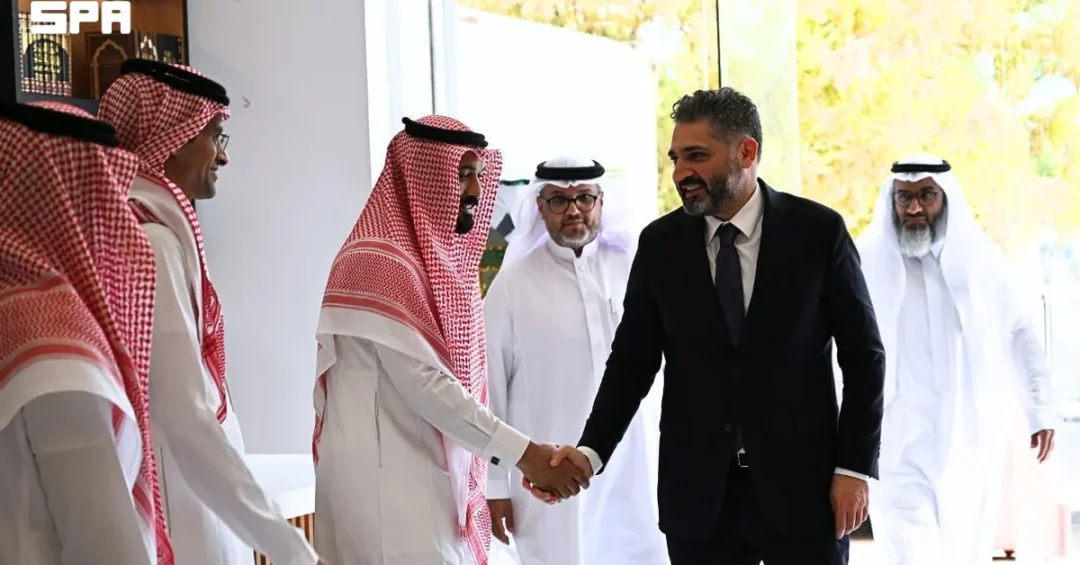
Syrian Minister of Culture Mohammed Yassin Saleh visited the Madinah Research and Studies Center on October 1, 2026, where he reviewed the center’s scientific and cultural work, its projects documenting the history of Madinah, and its efforts to preserve the city’s heritage and civilizational legacy. The visit, reported by the Saudi Press Agency (SPA), underscored the center’s growing role as a regional hub for scholarship on the Prophet’s City and the Two Holy Mosques. During the tour, the Syrian culture minister examined the center’s specialized library, its rare photograph collections, and its research and publishing programs, according to the official SPA account.
The visit reflects the Kingdom of Saudi Arabia’s commitment to cultural diplomacy and the sharing of scholarly resources with institutions across the region. It also highlights how the Madinah Research and Studies Center has become a destination for officials, academics, and researchers seeking to understand the historical and urban evolution of one of Islam’s most revered cities. For international observers, the engagement offers a window into how Saudi Arabia is positioning heritage preservation as a cornerstone of its cultural outreach and its Vision 2030 modernization agenda. What does such a visit signal about the role of cultural institutions in strengthening ties between Saudi Arabia and its neighbors?
Context and Background
The Madinah Research and Studies Center operates under the umbrella of Saudi Arabia’s cultural and scholarly ecosystem, dedicated to collecting, cataloging, and disseminating knowledge about Madinah’s history, landmarks, and religious significance. Its collections include historical documents, rare photographs, scholarly references, and research materials related to the Two Holy Mosques. The center serves researchers, historians, and institutions from within the Kingdom and abroad, making it a vital repository of the city’s visual and documentary memory.
Syria’s Minister of Culture, Mohammed Yassin Saleh, arrived in Madinah as part of a broader regional engagement that underscores the importance of cultural exchange. His visit included a detailed tour of the center’s facilities, including its specialized library, where he reviewed a wealth of sources and references dedicated to Madinah’s heritage. The minister also visited the Rare Photographs of Madinah Exhibition, which documents the city’s historical and urban developments across decades. How often do official cultural visits translate into lasting scholarly partnerships that benefit researchers on both sides?
The visit comes at a time when Saudi Arabia is intensifying its efforts to preserve and promote its cultural heritage under Vision 2030, the national transformation plan launched by Crown Prince Mohammed bin Salman. Cultural institutions like the Madinah Research and Studies Center are central to this effort, acting as custodians of historical memory while also embracing modern methods of documentation and digital access. The Syrian minister’s presence highlights the Kingdom’s openness to regional collaboration in fields that transcend politics, focusing instead on shared Islamic and Arab heritage.
Key Details of the Visit
According to the Saudi Press Agency, Minister Saleh toured the center’s facilities and its specialized library, reviewing its wealth of sources, references, and scholarly collections dedicated to the history, landmarks, and heritage of Madinah. He was briefed on the knowledge and research services the center provides to researchers and those interested in the city’s history. The minister also visited the Rare Photographs of Madinah Exhibition, where he viewed part of its collections documenting the historical and urban developments the city has undergone, reflecting its deep-rooted history and civilizational significance.
The center’s efforts to collect, preserve, catalog, and make available historical sources, documents, and photographs were a focal point of the visit. Minister Saleh reviewed its work in research, documentation, and scholarly publishing, as well as its efforts to preserve the history of Madinah and the Two Holy Mosques, along with their historical, cultural, and civilizational heritage. The SPA report noted that the minister praised the center’s scientific and cultural role and its contributions to supporting scientific research, enriching knowledge, and preserving cultural heritage.
What makes the Rare Photographs of Madinah Exhibition particularly significant is its role in preserving the city’s visual memory. By making these images accessible to future generations and researchers, the center ensures that the urban and social transformations of Madinah are documented and understood in their proper historical context. The exhibition forms part of a wider archival effort that includes manuscripts, official documents, and scholarly publications, all aimed at safeguarding the city’s legacy for posterity.
International and Regional Impact
The visit by Syria’s culture minister carries implications beyond the bilateral relationship. It signals a broader regional interest in Saudi Arabia’s cultural and scholarly institutions, which have increasingly become centers of excellence for research on Islamic history and heritage. For international audiences, the engagement demonstrates how Saudi Arabia is using its cultural assets to foster dialogue and cooperation across the Middle East, even amid complex geopolitical dynamics.
Cultural diplomacy of this kind can pave the way for joint research projects, academic exchanges, and shared archival initiatives. The Madinah Research and Studies Center’s willingness to host and brief visiting officials reflects a policy of openness that aligns with the Kingdom’s broader efforts to position itself as a hub for knowledge and culture. Could such visits lead to concrete agreements on digitizing and sharing historical records between Saudi and Syrian institutions?
Regional scholars and institutions stand to benefit from increased access to the center’s collections, which include materials on the Two Holy Mosques that are of interest to Muslims worldwide. By facilitating visits and research, Saudi Arabia reinforces its role as a guardian of Islamic heritage and a promoter of scholarly collaboration. The Syrian minister’s commendation of the center’s work adds a layer of regional recognition to its efforts, potentially encouraging other countries to seek similar engagements.
Economic and Strategic Significance
While the visit was primarily cultural, it also carries strategic and economic undertones. Saudi Arabia’s Vision 2030 places a strong emphasis on diversifying the economy and developing sectors such as tourism, culture, and knowledge services. Heritage preservation and scholarly research contribute to these goals by attracting visitors, researchers, and international attention to the Kingdom’s historical sites and institutions.
The Madinah Research and Studies Center supports this agenda by enhancing the city’s appeal as a destination for cultural tourism and academic inquiry. Its collections and exhibitions can draw scholars and tourists who are interested in Islamic history, thereby supporting local businesses and the broader tourism ecosystem. In this context, visits by foreign officials serve to raise the center’s profile and validate its role as a national asset.
Strategically, cultural engagement with Syria and other regional states can help build goodwill and soft power for Saudi Arabia. By sharing its heritage expertise and resources, the Kingdom positions itself as a leader in cultural preservation and a reliable partner for countries seeking to safeguard their own historical legacies. How might such cultural cooperation influence broader economic and diplomatic ties in the years ahead?
Vision 2030 Alignment
The visit aligns closely with Saudi Arabia’s Vision 2030, which seeks to preserve and celebrate the Kingdom’s cultural heritage while opening it up to the world. The Madinah Research and Studies Center embodies this dual mission by combining rigorous scholarly work with public exhibitions and accessible research services. Its efforts to document the history of Madinah and the Two Holy Mosques contribute directly to the vision’s cultural and knowledge-based objectives.
By hosting international officials and sharing its expertise, the center also supports Vision 2030’s goal of enhancing Saudi Arabia’s global engagement and cultural exchange. The Kingdom’s leadership, under Crown Prince Mohammed bin Salman, has consistently emphasized the importance of heritage as a foundation for modernization. The Syrian minister’s visit is a testament to the success of these efforts and a reminder of the role that cultural institutions play in shaping Saudi Arabia’s future as a dynamic and open society.
As Saudi Arabia continues to invest in its cultural infrastructure and promote scholarly research, the Madinah Research and Studies Center will remain a key player in preserving the legacy of the Prophet’s City. The visit by Minister Saleh not only strengthens cultural ties between Saudi Arabia and Syria but also highlights the Kingdom’s broader commitment to safeguarding Islamic heritage for future generations. What better way to honor the past than by making it accessible to the researchers and leaders of tomorrow?
20 Questions
Q1. Who visited the Madinah Research and Studies Center?
A1. Mohammed Yassin Saleh, the Minister of Culture of the Syrian Arab Republic, visited the center on October 1, 2026, as reported by the Saudi Press Agency.
Q2. What is the Madinah Research and Studies Center?
A2. It is a Saudi scholarly institution dedicated to documenting the history of Madinah, preserving its heritage, and providing research services related to the city and the Two Holy Mosques.
Q3. What did the Syrian minister review during his visit?
A3. He reviewed the center’s scientific and cultural work, its specialized library, rare photograph collections, and its efforts to document Madinah’s history and heritage.
Q4. What is the Rare Photographs of Madinah Exhibition?
A4. It is an exhibition featuring historical photographs that document the urban and historical development of Madinah, preserving the city’s visual memory for future generations.
Q5. Why is the visit significant for Saudi Arabia?
A5. It highlights Saudi Arabia’s role as a guardian of Islamic heritage and demonstrates the Kingdom’s commitment to cultural diplomacy and scholarly collaboration under Vision 2030.
Q6. How did the minister describe the center’s role?
A6. He praised its scientific and cultural role, its efforts to preserve Madinah’s history and heritage, and its contributions to supporting research and enriching knowledge.
Q7. What services does the center provide to researchers?
A7. It provides access to a wealth of sources, references, and scholarly collections, along with research and documentation services related to Madinah’s history and the Two Holy Mosques.
Q8. What does the center do to preserve historical sources?
A8. It collects, preserves, catalogs, and makes available historical sources, documents, and photographs, ensuring they are accessible for research and future generations.
Q9. How does this visit relate to Vision 2030?
A9. It supports Vision 2030’s cultural and knowledge objectives by promoting heritage preservation, cultural exchange, and Saudi Arabia’s global engagement in scholarly fields.
Q10. What are the implications for regional cultural cooperation?
A10. The visit signals potential for joint research, academic exchanges, and shared archival initiatives between Saudi and Syrian cultural institutions, fostering regional dialogue.
Q11. What is the historical significance of Madinah?
A11. Madinah is one of Islam’s holiest cities, home to the Prophet’s Mosque, and holds deep historical and civilizational importance for Muslims worldwide.
Q12. How does the center contribute to documenting the Two Holy Mosques?
A12. It collects and preserves historical materials, documents, and photographs related to the Two Holy Mosques, supporting research and safeguarding their heritage.
Q13. What role does the specialized library play?
A13. The library houses a rich collection of sources and references on Madinah’s history, serving as a key resource for researchers and scholars.
Q14. What did the minister say at the conclusion of his visit?
A14. He commended the center’s contributions to scientific research, knowledge enrichment, and the preservation of cultural heritage, according to the Saudi Press Agency.
Q15. How does the center make its collections accessible?
A15. Through exhibitions, scholarly publishing, and research services, the center makes its collections available to researchers, officials, and the public.
Q16. Why is preserving visual memory important?
A16. It documents urban and social changes over time, allowing future generations to understand and appreciate the city’s historical evolution and heritage.
Q17. What economic benefits can such cultural visits bring?
A17. They can boost cultural tourism, attract researchers and visitors, and enhance the profile of Saudi heritage institutions, supporting Vision 2030’s economic diversification goals.
Q18. How does Saudi Arabia benefit from cultural diplomacy?
A18. It builds goodwill, strengthens regional ties, and showcases the Kingdom’s leadership in preserving Islamic heritage, enhancing its soft power and global standing.
Q19. What future collaborations might result from this visit?
A19. Possible collaborations include joint research projects, digitization of historical records, academic exchanges, and shared exhibitions between Saudi and Syrian institutions.
Q20. How does this visit reflect Saudi Arabia’s global role?
A20. It demonstrates the Kingdom’s commitment to cultural preservation, knowledge sharing, and international engagement, reinforcing its position as a leader in heritage and scholarship.
Reader Feedback
We value your thoughts. Please share your feedback on this article.
Your feedback helps us improve our coverage.
Related articles
 International Saudi Falcons and Hunting Exhibition 2026 Opens in Riyadh
 Interior Minister Visits Saudi Falcons and Hunting Exhibition 2026
 Peregrine Falcon Migration Revives Northern Borders Trapping Season
 Saudi Coffee Celebrates Cultural Heritage on International Coffee Day
 Wrth Camp Launches Third Edition in Aseer
 Al-Sawani: Qassim’s Ancient Water-Drawing Tradition