


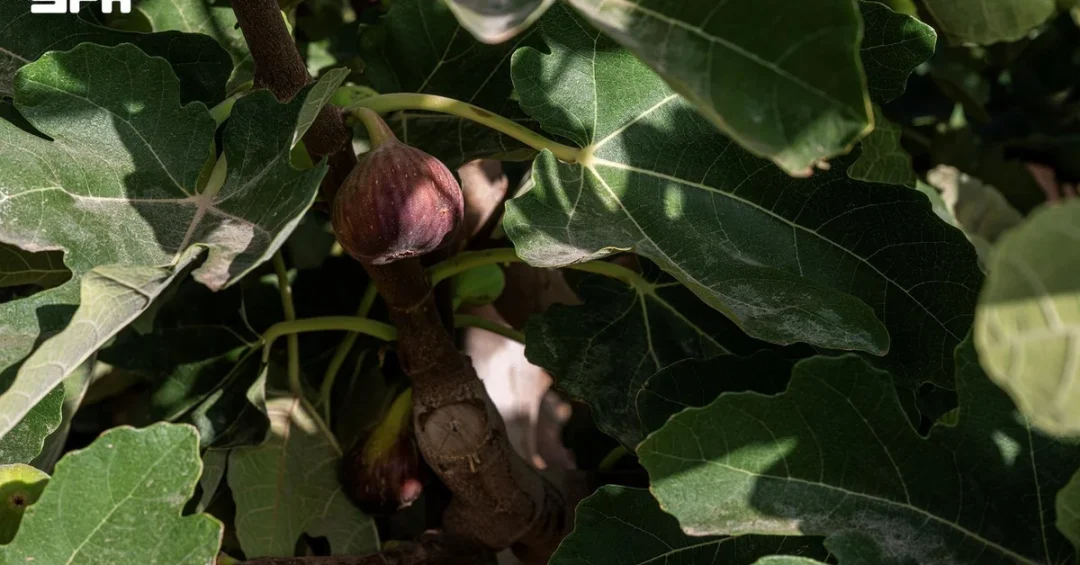
Najran Region has solidified its position as one of the Kingdom of Saudi Arabia’s most vital agricultural hubs, with official figures released by the Saudi Press Agency confirming that fig production across the region and its neighboring governorates now totals approximately 650 tons annually across roughly 35 hectares. The development, reported on June 11, 2026, highlights a remarkable transformation of fig farming from a traditional local practice into a structured, commercially significant investment sector that directly supports national food security and rural household incomes.
Could a fruit long associated with household gardens become a cornerstone of Saudi Arabia’s agricultural modernization? The evidence from Najran suggests exactly that. The region’s favorable geography, distinctive climate, and availability of fresh local water sources have combined to create ideal conditions for fig cultivation, allowing farmers to successfully grow 23 local and imported varieties. The harvest season now extends from early June to late October, covering both fresh sales and processing industries including drying, jam production, and cutting propagation marketing. This extended window gives Najran a strategic advantage in supplying domestic and regional markets with high-quality figs for nearly five months each year.
Context and Background
What makes Najran uniquely suited to become a national leader in fig production? The answer lies in its natural endowments and decades of accumulated agricultural knowledge. Located in the southwestern corner of the Kingdom, Najran benefits from a highland climate that offers cooler temperatures than much of the Arabian Peninsula, along with fertile valleys and reliable groundwater sources. These conditions have historically supported a diverse agricultural economy, but the systematic development of fig orchards represents a more deliberate, research-driven approach to maximizing the region’s potential.
The Ministry of Environment, Water and Agriculture has played a central role in this evolution, supporting farmers through awareness campaigns, modern irrigation training, and the promotion of sustainable agricultural practices. These efforts are designed to improve crop quality, open higher-value markets locally and regionally, and develop export opportunities that align with the Kingdom’s broader economic diversification goals. Farmers have responded by cooperating closely with local research centers to refine cultivation techniques, select the most promising varieties, and extend the productive season through improved orchard management.
The shift from traditional practice to vital investment sector did not happen overnight. It reflects a sustained partnership between government agencies, research institutions, and local farming communities, all working toward the shared objective of strengthening Saudi Arabia’s agricultural resilience. As the Kingdom continues to pursue food security as a strategic national priority, Najran’s fig orchards offer a compelling case study in how regional specialization and modern agricultural science can combine to generate economic value while preserving rural livelihoods.
Key Details
What exactly does Najran’s fig sector produce today? Official data indicates that annual production reaches approximately 650 tons across about 35 hectares of cultivated land. This output is distributed across Najran and its neighboring governorates, with 23 distinct varieties now under cultivation. The diversity of varieties is significant because it allows farmers to stagger their harvests, manage risk, and cater to different consumer preferences in both fresh and processed segments.
The harvest season runs from early June to late October, a period that positions Najran figs favorably in the marketplace. Fresh sales represent one important revenue stream, but the processing industry adds substantial value through drying, jam production, and cutting propagation marketing. Dried figs, in particular, have a long shelf life and travel well, making them suitable for export to regional markets where demand for premium Saudi agricultural products continues to grow.
The Ministry of Environment, Water and Agriculture’s support programs are multifaceted. Awareness campaigns help farmers understand best practices in orchard management, pest control, and post-harvest handling. Modern irrigation training addresses one of the most critical challenges in Saudi agriculture: water efficiency. By adopting precision irrigation techniques, farmers can maintain healthy orchards while conserving precious water resources, ensuring that production growth remains environmentally sustainable for future generations.
International and Regional Impact
How does a regional fig harvest connect to Saudi Arabia’s global trade ambitions? The answer lies in the Kingdom’s broader strategy to diversify exports beyond hydrocarbons and establish itself as a reliable supplier of high-quality food products. Najran’s figs, with their extended harvest season and diverse varieties, are well positioned to serve markets across the Gulf Cooperation Council and beyond. Regional consumers already value Saudi agricultural products for their quality and freshness, and the fig sector is increasingly viewed as a promising export category.
International demand for figs has grown steadily in recent years, driven by health-conscious consumers seeking natural, nutrient-rich foods. Saudi figs can compete effectively in this market because of their flavor profile, which benefits from the region’s unique climate and soil conditions. By developing export opportunities, Najran’s farmers can access higher-value markets that reward quality and consistency, generating additional income that can be reinvested in orchard expansion and modernization.
The regional impact also extends to knowledge sharing and best practices. Najran’s success in cultivating 23 local and imported varieties demonstrates the value of agricultural research and international cooperation. The exchange of plant genetic resources and cultivation techniques contributes to the resilience of the entire region’s food systems, creating opportunities for collaboration that strengthen economic ties between Saudi Arabia and its neighbors.
Economic and Strategic Significance
Why should international observers pay attention to agricultural developments in a single Saudi region? Because they illustrate a fundamental pillar of the Kingdom’s economic transformation. Agriculture contributes to national food security by reducing reliance on imports, creates employment in rural areas, and supports the growth of small and medium-sized enterprises in processing, packaging, and logistics. Najran’s fig sector embodies all three of these benefits.
The economic multiplier effects are considerable. Fig cultivation generates direct income for farming households, but it also sustains jobs in related industries such as drying facilities, jam production units, and nurseries specializing in cutting propagation. As production volumes grow, these downstream activities become more viable, creating a virtuous cycle of investment and employment. The Ministry of Environment, Water and Agriculture’s focus on opening higher-value markets is designed to ensure that this growth translates into higher incomes and improved quality of life for rural communities.
Strategic significance extends to water management and environmental stewardship. Agriculture in arid regions must balance productivity with sustainability, and Najran’s fig orchards demonstrate that this balance is achievable. The adoption of modern irrigation techniques, guided by ministry training programs, allows farmers to produce more food with less water. This approach aligns with the Kingdom’s long-term resource management goals and sets an example for other agricultural regions facing similar challenges.
Vision 2030 Alignment
How does Najran’s fig production connect to Saudi Vision 2030? The alignment is direct and substantial. Vision 2030 calls for a diversified economy, enhanced food security, and the development of non-oil sectors that create opportunities for Saudi citizens. Agriculture, and high-value horticulture in particular, sits at the intersection of these objectives. By transforming fig farming into a modern investment sector, Najran is contributing to the national goal of building a resilient, self-reliant food system.
The emphasis on sustainability, quality improvement, and export development mirrors Vision 2030’s broader themes of economic competitiveness and global engagement. The Ministry of Environment, Water and Agriculture’s support programs are designed not only to increase production but also to ensure that growth is environmentally responsible and economically viable over the long term. As farmers continue to work with research centers and adopt modern practices, Najran’s fig orchards will remain a symbol of how regional strengths can be harnessed in service of national ambitions.
Looking ahead, the continued expansion of fig cultivation and processing capacity in Najran promises to strengthen Saudi Arabia’s position as a producer of premium agricultural goods. The region’s success story is one of partnership, innovation, and respect for natural resources, values that define the Kingdom’s approach to development under Vision 2030. For international audiences, Najran’s figs offer a tangible example of how Saudi Arabia is cultivating a diversified and sustainable economic future.
20 Questions
Q1. What is the annual fig production in Najran Region?
A1. Najran Region and its neighboring governorates produce approximately 650 tons of figs annually, according to official figures released by the Saudi Press Agency.
Q2. How many hectares are dedicated to fig cultivation in Najran?
A2. Fig orchards in Najran and neighboring governorates cover about 35 hectares of cultivated land.
Q3. How many fig varieties are grown in Najran?
A3. Farmers in Najran have successfully cultivated 23 local and imported fig varieties in cooperation with local research centers.
Q4. What is the duration of the fig harvest season in Najran?
A4. The fig harvest season in Najran extends from early June to late October, covering nearly five months each year.
Q5. Which government ministry supports fig farmers in Najran?
A5. The Ministry of Environment, Water and Agriculture supports farmers through awareness campaigns, modern irrigation training, and sustainable agricultural practices.
Q6. What processing industries are linked to Najran’s fig production?
A6. Fig processing in Najran includes drying, jam production, and cutting propagation marketing, adding value beyond fresh sales.
Q7. Why is Najran suitable for fig cultivation?
A7. Najran has favorable geography, a suitable climate, and availability of fresh local water sources that support fig cultivation.
Q8. How does fig farming contribute to Saudi food security?
A8. Fig farming supports national food security by increasing domestic production, reducing import reliance, and sustaining rural household incomes.
Q9. What role do local research centers play in Najran’s fig sector?
A9. Local research centers cooperate with farmers to develop cultivation techniques, select varieties, and improve crop quality and productivity.
Q10. What markets is Najran targeting for fig exports?
A10. Najran aims to open higher-value markets locally and regionally, and to develop export opportunities for its fig products.
Q11. How has fig farming evolved in Najran?
A11. Fig farming has evolved from a traditional practice into a vital investment sector contributing to food security and rural incomes.
Q12. What irrigation practices are promoted in Najran’s fig orchards?
A12. Modern irrigation training promotes sustainable agricultural practices to improve crop quality and conserve water resources.
Q13. What makes Najran figs attractive to consumers?
A13. Najran figs benefit from the region’s unique climate and soil, offering quality and flavor that appeal to health-conscious consumers.
Q14. How does fig production support rural communities?
A14. Fig production generates income for farming households and creates jobs in processing, packaging, and related agricultural services.
Q15. What is the significance of 23 fig varieties?
A15. Growing 23 varieties allows farmers to stagger harvests, manage risk, and serve diverse fresh and processed market segments.
Q16. How does Najran’s fig sector align with Vision 2030?
A16. It supports economic diversification, food security, and non-oil sector growth, all core objectives of Saudi Vision 2030.
Q17. What are cutting propagation marketing activities?
A17. Cutting propagation marketing involves selling fig plant cuttings for cultivation, providing an additional revenue stream for farmers.
Q18. How does the ministry help improve crop quality?
A18. The ministry provides awareness campaigns and training programs that help farmers adopt best practices for orchard management and post-harvest handling.
Q19. What economic benefits flow from fig processing?
A19. Processing figs into dried products and jams adds value, extends shelf life, and creates employment in rural areas.
Q20. What does Najran’s success mean for Saudi agriculture?
A20. It demonstrates how regional specialization, research, and government support can build a sustainable, export-oriented agricultural sector.
Reader Feedback
We value your thoughts. Please share your feedback on this article.
Your feedback helps us improve our coverage.
Related articles
 Al-Jouf’s 10 Million Trees Yield 560,000 Tons of Fruit
 Najran Advances Agricultural Sustainability with Innovative Farming Trials
 Aseer Farmers Begin Traditional Corn Thinning to Boost Harvest
 Oat Farming in Najran: A Promising Economic Driver Enhancing Regional Food Security
 Al-Baha Farms Begin Summer Fruit Harvest, Expect Abundant Yield
 Saudi EXIM Bank, Brazil’s BNDES Sign MoU to Boost Non-Oil Trade