


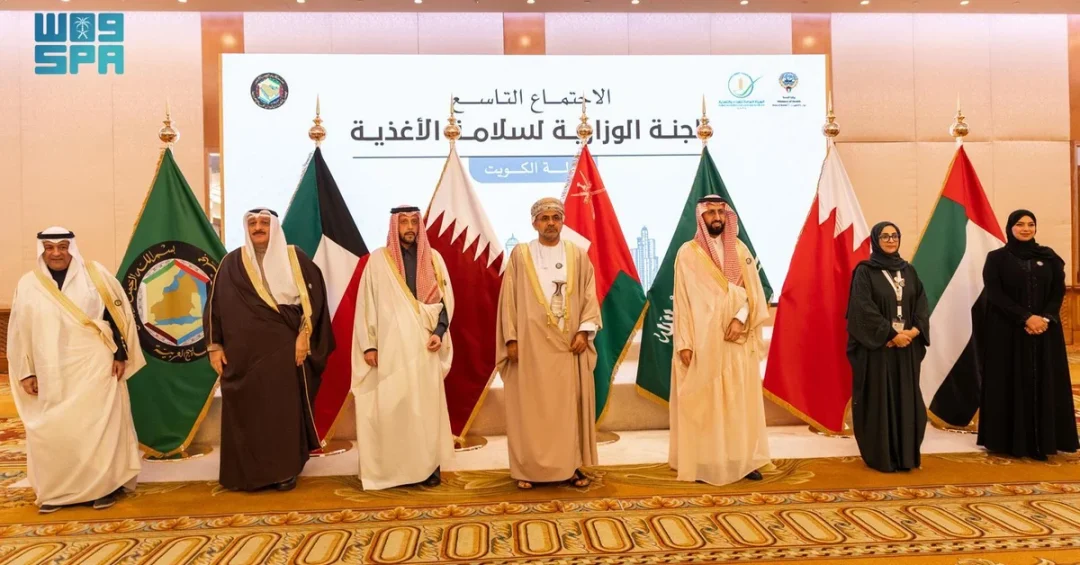
Chief Executive Officer of the Saudi Food and Drug Authority (SFDA) Dr. Hisham bin Saad Aljadhey led the Kingdom’s delegation at the Ninth Meeting of the Gulf Cooperation Council (GCC) Ministerial Committee for Food Safety, held on February 6, 2025, in Kuwait. The meeting, chaired by Kuwaiti Minister of Health Dr. Ahmed Abdul Wahab Al-Awadhi, brought together committee members from across the GCC, including Secretary-General Jasem Mohamed AlBudaiwi, to discuss regional cooperation on food safety and quality.
Context and Background
The GCC Ministerial Committee for Food Safety serves as a key platform for harmonizing regulatory standards and enhancing collaboration among Gulf states. This ninth session reflects the ongoing commitment of GCC members to strengthen food security frameworks, a priority that aligns with Saudi Arabia’s Vision 2030 goals of ensuring sustainable food systems and public health. The meeting builds on previous agreements and underscores the importance of unified regional approaches to food safety challenges.
Key Details
During the session, the committee reviewed several agenda items related to food safety, including updates on regulatory practices and emerging risks. Delegates reached key decisions aimed at bolstering food security and improving regulatory frameworks across Gulf countries. Dr. Aljadhey’s participation highlights Saudi Arabia’s proactive role in shaping regional food safety policies, leveraging the SFDA’s expertise to drive collaborative initiatives.
Implications and Impact
The outcomes of this meeting are expected to enhance consumer protection and facilitate trade among GCC nations by aligning standards and reducing non-tariff barriers. For Saudi Arabia, stronger regional coordination supports its ambition to become a global logistics hub and ensures the safety of imported and locally produced food. The decisions also contribute to the Gulf’s resilience against global food supply disruptions.
Vision 2030 Alignment
Saudi Arabia’s leadership in the GCC Ministerial Committee for Food Safety directly supports Vision 2030’s objectives of improving quality of life and achieving food security. By championing regulatory harmonization and innovation, the Kingdom reinforces its position as a regional leader in public health and sustainable development, paving the way for a safer and more prosperous future for all Gulf citizens.
20 Questions
Q1. Who led the Saudi delegation at the 9th GCC Ministerial Committee for Food Safety meeting?
A1. Dr. Hisham bin Saad Aljadhey, Chief Executive Officer of the Saudi Food and Drug Authority (SFDA), led the Kingdom’s delegation at the meeting held in Kuwait.
Q2. When and where did the meeting take place?
A2. The Ninth Meeting of the GCC Ministerial Committee for Food Safety took place on February 6, 2025, in Kuwait.
Q3. Who chaired the meeting?
A3. The meeting was chaired by Kuwaiti Minister of Health Dr. Ahmed Abdul Wahab Al-Awadhi, who is also the chairman of the current session.
Q4. Which senior official attended alongside committee members?
A4. GCC Secretary-General Jasem Mohamed AlBudaiwi attended the meeting alongside committee members from various GCC states.
Q5. What was the main focus of the discussions?
A5. The discussions focused on efforts of regulatory bodies in the GCC to enhance food safety and quality across the region.
Q6. What did the committee review during the meeting?
A6. The committee reviewed several food safety topics listed on the agenda and reached key decisions to bolster food security and regulatory frameworks.
Q7. How does this meeting support GCC cooperation?
A7. The meeting strengthens regional collaboration on food safety standards, aligning member states’ policies and improving consumer protection across the Gulf.
Q8. What is the SFDA’s role in Saudi Arabia?
A8. The Saudi Food and Drug Authority is the national regulatory body responsible for ensuring the safety of food, drugs, and medical devices in the Kingdom.
Q9. How does this meeting align with Vision 2030?
A9. It supports Vision 2030’s goals of improving quality of life and achieving food security through regulatory harmonization and innovation.
Q10. What food safety challenges were likely addressed?
A10. The committee likely addressed emerging risks such as contamination, labeling standards, and cross-border food safety coordination.
Q11. Why is food safety important for GCC countries?
A11. Food safety is critical for public health, trade facilitation, and building consumer trust in the region’s food supply chain.
Q12. How many GCC member states participated?
A12. All six GCC member states—Saudi Arabia, Kuwait, UAE, Qatar, Bahrain, and Oman—were represented at the meeting.
Q13. What decisions were reached at the meeting?
A13. Key decisions include strengthening regulatory frameworks and enhancing food security measures across Gulf countries.
Q14. How does Saudi Arabia contribute to GCC food safety?
A14. Saudi Arabia, through the SFDA, brings expertise and leadership to develop and harmonize food safety standards regionally.
Q15. What is the frequency of these ministerial meetings?
A15. The GCC Ministerial Committee for Food Safety meets periodically to review progress and address emerging food safety issues.
Q16. How will these decisions affect consumers?
A16. Consumers will benefit from safer food products and improved quality standards across the GCC market.
Q17. Does this meeting impact trade within the GCC?
A17. Yes, by harmonizing standards, the meeting helps reduce trade barriers and facilitates smoother food trade among member states.
Q18. What role did Dr. Hisham bin Saad Aljadhey play?
A18. As SFDA CEO, he led Saudi Arabia’s delegation, representing the Kingdom’s interests and contributing to regional food safety policy.
Q19. Is there a link to global food safety initiatives?
A19. GCC food safety efforts often align with international standards, including those of the World Health Organization and FAO.
Q20. What is the expected outcome of these decisions?
A20. The decisions are expected to improve food safety oversight, strengthen food security, and enhance consumer confidence in Gulf countries.
Reader Feedback
We value your thoughts. Please share your feedback on this article.
Your feedback helps us improve our coverage.