


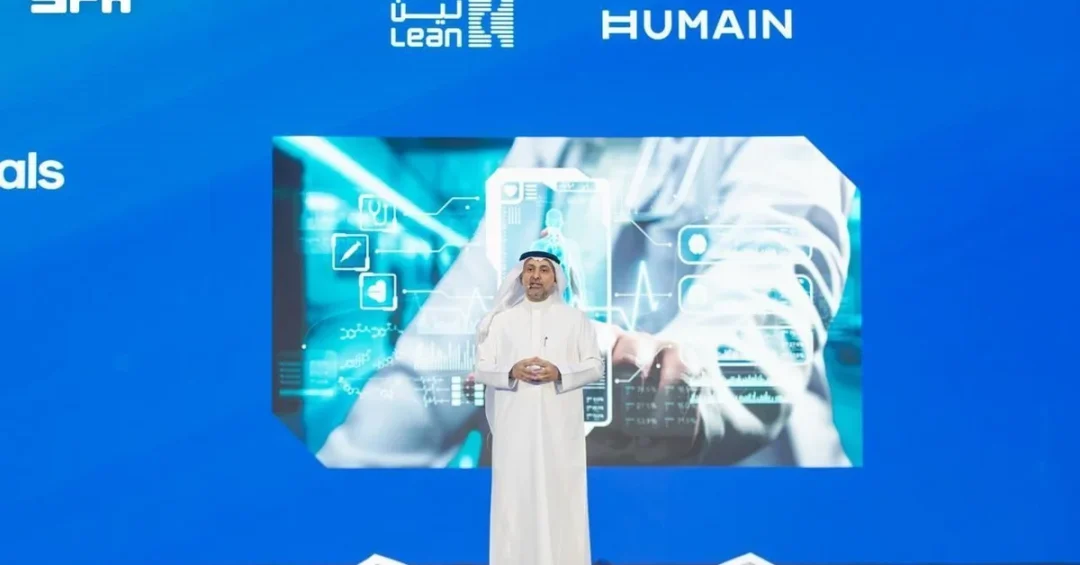
Saudi Arabia’s Ministry of Health has confirmed that the Kingdom’s healthcare system is now delivering advanced digital and artificial intelligence-powered services to beneficiaries wherever they are, anchored by Seha Virtual Hospital — recognized by Guinness World Records as the world’s largest virtual hospital — and the Sehhaty app, which surpassed 31 million users in 2025. The announcement, released through the Saudi Press Agency, underscores how the Health Sector Transformation Program, a core initiative of Saudi Vision 2030, has reshaped healthcare delivery by placing prevention first and human health at the center of every decision. The transformation is not simply technological; it is redefining the relationship between patients and the healthcare system itself.
For international observers, the development matters because it demonstrates how a nation of more than 35 million people is using digital infrastructure to overcome geography, specialist shortages, and capacity constraints. Rather than concentrating expertise in a handful of urban centers, Saudi Arabia is distributing it through networks that reach patients at home, in rural clinics, and in partner facilities abroad. The result is a healthcare model that is more accessible, more preventive, and more responsive — a template that other countries across the Middle East, Asia, and Africa are watching closely. Could this be the blueprint that finally makes universal access to specialist care a realistic goal for large, geographically diverse nations?
How Did Saudi Arabia Build the World’s Largest Virtual Hospital?
At the heart of the Kingdom’s virtual care revolution stands Seha Virtual Hospital, the world’s largest virtual hospital according to Guinness World Records. It is connected to 241 hospitals and more than 1,400 health centers across Saudi Arabia, forming a nationwide network that allows healthcare facilities to access specialized medical expertise remotely. The hospital provides services across 114 primary and subspecialty areas, enabling physicians in remote or under-resourced locations to consult with tertiary-care specialists in real time. This structure improves service efficiency and accelerates medical decision-making, particularly in time-sensitive cases such as strokes, cardiac events, and complex diagnoses.
The significance of this network lies in what it replaces. Previously, patients in distant regions might wait days or weeks for a specialist appointment in Riyadh, Jeddah, or Dammam, or travel long distances at considerable personal and financial cost. Seha Virtual Hospital collapses that distance. A physician in a rural health center can now connect with a subspecialist within minutes, share imaging and lab results digitally, and receive guidance on treatment — all without the patient leaving their community. The model also extends beyond Saudi borders, allowing healthcare facilities locally and globally to tap into specialized medical expertise remotely, positioning the Kingdom as a hub for virtual medical knowledge.
The Ministry of Health has emphasized that this approach is not a temporary response to capacity challenges but a permanent restructuring of how care is delivered. By making specialist expertise accessible through digital channels, Saudi Arabia is effectively multiplying its clinical workforce without requiring every specialist to be physically present in every facility. For a country with a rapidly growing and aging population, that multiplier effect is essential. How else could a single health system serve millions of people spread across an area roughly the size of Western Europe?
Sehhaty App: Bringing Healthcare Into Every Home
Virtual care in Saudi Arabia has extended well beyond hospitals and clinics to accompany beneficiaries at home through the Sehhaty app, which surpassed 31 million users in 2025. The app offers a comprehensive range of digital healthcare services, including appointment booking, prescription reviews, medication searches, and sick leave services. It also incorporates artificial intelligence technologies that go beyond administrative convenience. A digital twin analyzes a user’s health conditions and provides personalized preventive recommendations, while a smart assistant helps interpret medical results and delivers medication and appointment reminders through integration with the beneficiary’s health record.
The scale of adoption is remarkable by any international standard. Thirty-one million users represent a substantial share of the Kingdom’s population and reflect a high degree of public trust in digital health tools. That trust did not emerge overnight; it was built through consistent service quality, data protection standards, and integration with the national health record system. For international readers accustomed to fragmented health apps that serve a single hospital or insurance network, Sehhaty represents something different: a unified national platform that follows the patient across providers and over time.
The preventive dimension of the app is particularly significant. By analyzing health indicators and offering personalized recommendations, the digital twin shifts the focus from treating illness to maintaining wellness. This aligns directly with the Health Sector Transformation Program’s philosophy that prevention should be the starting point of care. If a patient can receive an early warning about rising blood pressure or elevated glucose levels and act on it before a crisis develops, the entire system benefits — fewer emergency admissions, lower costs, and better outcomes. Isn’t that the ultimate goal of any modern health system?
Global Partnerships and the AI Physician Experience
At the 2025 Global Health Exhibition, Saudi Arabia’s healthcare sector witnessed the signing of global agreements to launch the AI Physician experience, designed to support accurate diagnosis and improve clinical decision-making. The initiative reflects a deliberate strategy of partnering with leading international technology companies rather than developing capabilities in isolation. In cooperation with Google, the Kingdom also launched a smart health coach through the Sehhaty app, providing personalized health guidance and preventive recommendations based on beneficiaries’ data and health indicators.
These partnerships signal that Saudi Arabia is not merely a consumer of global health technology but an active co-developer. By integrating AI into clinical workflows, the Ministry of Health aims to reduce diagnostic errors, shorten the time between symptom onset and treatment, and support physicians with evidence-based recommendations. The AI Physician experience is particularly relevant in specialties where expertise is scarce, such as rare diseases, pediatric subspecialties, and complex oncology. It complements, rather than replaces, human clinicians — a distinction that Saudi health officials have consistently emphasized.
The collaboration with Google also illustrates how global technology firms view the Kingdom as a proving ground for health AI at scale. With a unified national health record, a large and diverse patient population, and a government committed to digital transformation, Saudi Arabia offers conditions that are difficult to replicate elsewhere. Success here could accelerate the adoption of similar tools in other countries, giving Saudi Arabia a leadership role in global digital health. What other sectors could benefit from this same model of government-led, partnership-driven innovation?
International and Regional Impact of Saudi Virtual Care
The implications of Saudi Arabia’s virtual care model extend well beyond the Kingdom’s borders. For the wider Middle East and North Africa region, where specialist shortages and geographic dispersion pose persistent challenges, the Saudi experience offers a practical roadmap. Countries with similar demographic and geographic profiles can study how Saudi Arabia integrated 241 hospitals and more than 1,400 health centers into a single virtual network, and how it achieved 31 million app users through a unified national platform. Regional health ministries have already expressed interest in learning from the Seha Virtual Hospital model.
Globally, Saudi Arabia’s recognition by Guinness World Records as home to the world’s largest virtual hospital adds a credential that carries weight in international health diplomacy. It positions the Kingdom as a source of expertise, not just a recipient of it. Saudi health officials now participate in global forums on digital health, AI ethics, and pandemic preparedness, sharing lessons from the Kingdom’s transformation. This soft-power dimension is often overlooked, yet it reinforces Saudi Arabia’s broader role as a convenor and innovator on issues that matter to every nation.
For patients, the impact is tangible. A beneficiary in a remote village can access the same specialist opinion as a resident of a major city. A traveler can manage prescriptions and appointments through a single app. A physician in a small clinic can consult with a subspecialist in minutes. These are not hypothetical benefits; they are operational realities reported by the Ministry of Health. Does any other country in the region offer this level of integrated virtual care at national scale?
Economic and Strategic Significance
The economic logic behind Saudi Arabia’s virtual care revolution is compelling. By reducing unnecessary travel, hospital admissions, and emergency visits, the model lowers the overall cost of care while improving outcomes. It also optimizes the use of scarce human capital: specialists can serve more patients through virtual consultations than through in-person visits alone. For a health system undergoing transformation, these efficiencies free up resources for prevention, research, and infrastructure. The Health Sector Transformation Program treats such gains as essential to long-term fiscal sustainability.
Strategically, virtual care supports several Vision 2030 objectives simultaneously. It enhances quality of life by making healthcare more accessible and convenient. It promotes economic diversification by nurturing a domestic health technology sector and attracting international partnerships. It strengthens human capital by improving health outcomes, which in turn supports productivity and workforce participation. And it reinforces Saudi Arabia’s position as a regional leader in innovation. The Ministry of Health’s collaboration with Google and other global firms demonstrates that the Kingdom is open for business in the health technology space.
The data generated by these platforms — always handled within national privacy frameworks — also creates opportunities for research and personalized medicine. As the digital twin and smart assistant accumulate insights, they can inform public health policy, early warning systems, and clinical guidelines. This is the kind of virtuous cycle that Vision 2030 envisions: technology serving people, data serving decisions, and innovation serving the nation. Could this integrated approach become a model for other sectors undergoing digital transformation in the Kingdom?
Vision 2030 Alignment and the Road Ahead
Saudi Arabia’s virtual care revolution is a direct expression of Vision 2030 and its Health Sector Transformation Program. The program has reshaped the concept of healthcare delivery, making prevention the starting point and human health the ultimate goal. Seha Virtual Hospital, the Sehhaty app, the AI Physician experience, and the smart health coach are not isolated projects but interconnected components of a single strategy: to build a health system that is proactive, equitable, and world-class. Each component reinforces the others, creating a network effect that benefits patients, providers, and the nation as a whole.
Looking ahead, the Ministry of Health is expected to continue expanding the reach of virtual services, deepening AI integration, and forging new international partnerships. The Kingdom’s achievements to date — the world’s largest virtual hospital, 31 million app users, 114 subspecialties served remotely — set a high bar. Yet the transformation is ongoing, and its ultimate measure will be the health and well-being of the people it serves. For international observers, Saudi Arabia’s experience offers both inspiration and practical lessons. As the Kingdom continues to break the boundaries of healthcare, it is also redefining what a modern health system can achieve. Isn’t that the true meaning of a transformation that puts human health at the center?
20 Questions
Q1. What is Seha Virtual Hospital?
A1. Seha Virtual Hospital is the world’s largest virtual hospital, recognized by Guinness World Records. It connects 241 hospitals and more than 1,400 health centers across Saudi Arabia, providing remote access to specialized medical expertise in 114 primary and subspecialty areas.
Q2. How many users does the Sehhaty app have?
A2. The Sehhaty app surpassed 31 million users in 2025. It offers appointment booking, prescription reviews, medication searches, sick leave services, and AI-powered tools including a digital twin and smart assistant.
Q3. What is the Health Sector Transformation Program?
A3. It is a core initiative of Saudi Vision 2030 that reshapes healthcare delivery by making prevention the starting point and human health the ultimate goal, transforming the relationship between beneficiaries and the healthcare system.
Q4. What is the digital twin in the Sehhaty app?
A4. The digital twin analyzes a user’s health conditions and provides personalized preventive recommendations. It integrates with the beneficiary’s health record to support proactive, personalized care.
Q5. What is the AI Physician experience?
A5. Launched through global agreements at the 2025 Global Health Exhibition, the AI Physician experience supports accurate diagnosis and improves clinical decision-making by integrating artificial intelligence into clinical workflows.
Q6. Which company partnered with Saudi Arabia for the smart health coach?
A6. Google partnered with Saudi Arabia to launch a smart health coach through the Sehhaty app, providing personalized health guidance and preventive recommendations based on beneficiaries’ data and health indicators.
Q7. How does virtual care improve medical decision-making?
A7. Virtual care allows physicians in remote or under-resourced facilities to consult with tertiary-care specialists in real time, sharing imaging and lab results digitally, which accelerates decisions in time-sensitive cases.
Q8. What services does the Sehhaty app provide?
A8. The app provides appointment booking, prescription reviews, medication searches, sick leave services, a digital twin for preventive recommendations, and a smart assistant for interpreting results and sending reminders.
Q9. How many hospitals are connected to Seha Virtual Hospital?
A9. Seha Virtual Hospital is connected to 241 hospitals and more than 1,400 health centers across Saudi Arabia, forming a nationwide network for remote specialized care.
Q10. What does the smart assistant in Sehhaty do?
A10. The smart assistant helps interpret medical results and provides medication and appointment reminders through integration with the beneficiary’s health record, supporting patients in managing their care.
Q11. How does virtual care benefit patients in remote areas?
A11. Patients in remote areas can access specialist opinions without traveling long distances, receiving timely care within their communities and avoiding the personal and financial costs of travel.
Q12. What is the significance of the Guinness World Records recognition?
A12. It confirms Seha Virtual Hospital as the world’s largest virtual hospital, adding international credibility and positioning Saudi Arabia as a global leader in digital health innovation.
Q13. How does virtual care align with Vision 2030?
A13. It supports Vision 2030 by enhancing quality of life, promoting economic diversification through health technology, strengthening human capital, and reinforcing Saudi Arabia’s regional leadership in innovation.
Q14. What role does prevention play in Saudi healthcare transformation?
A14. Prevention is the starting point of the transformation. Tools like the digital twin and smart health coach offer personalized preventive recommendations, shifting focus from treating illness to maintaining wellness.
Q15. How many medical specialties are served by Seha Virtual Hospital?
A15. Seha Virtual Hospital provides services across 114 primary and subspecialty areas, enabling healthcare facilities to access specialized medical expertise remotely.
Q16. What was announced at the 2025 Global Health Exhibition?
A16. Global agreements were signed to launch the AI Physician experience, and a smart health coach was launched in cooperation with Google through the Sehhaty app.
Q17. How does virtual care reduce healthcare costs?
A17. By reducing unnecessary travel, hospital admissions, and emergency visits, virtual care lowers overall costs while improving outcomes and optimizing the use of scarce specialist resources.
Q18. Can international facilities access Saudi virtual care expertise?
A18. Yes. Seha Virtual Hospital enables healthcare facilities locally and globally to access specialized medical expertise remotely, positioning Saudi Arabia as a hub for virtual medical knowledge.
Q19. What is the Ministry of Health’s role in this transformation?
A19. The Ministry of Health leads the deployment of digital technologies and artificial intelligence, ensuring services reach beneficiaries wherever they are in line with the Health Sector Transformation Program.
Q20. What does the future hold for Saudi virtual care?
A20. The Ministry of Health is expected to expand virtual services, deepen AI integration, and forge new international partnerships, continuing to break boundaries and set global benchmarks in digital healthcare.
Reader Feedback
We value your thoughts. Please share your feedback on this article.
Your feedback helps us improve our coverage.
Related articles
 South Korea Heat-Related Illnesses Triple Over Decade
 Saudi Virtual Care Expands Access Beyond Hospital Walls
 KFSH-Jeddah Wins National Patient Safety Award 2026
 Japanese Study Unveils C3 Protein Role in Boosting Cancer Immunotherapy
 Jeddah Hospital Wins National Patient Safety Award 2026
 Health Minister Patronizes 8th National Patient Safety Award