


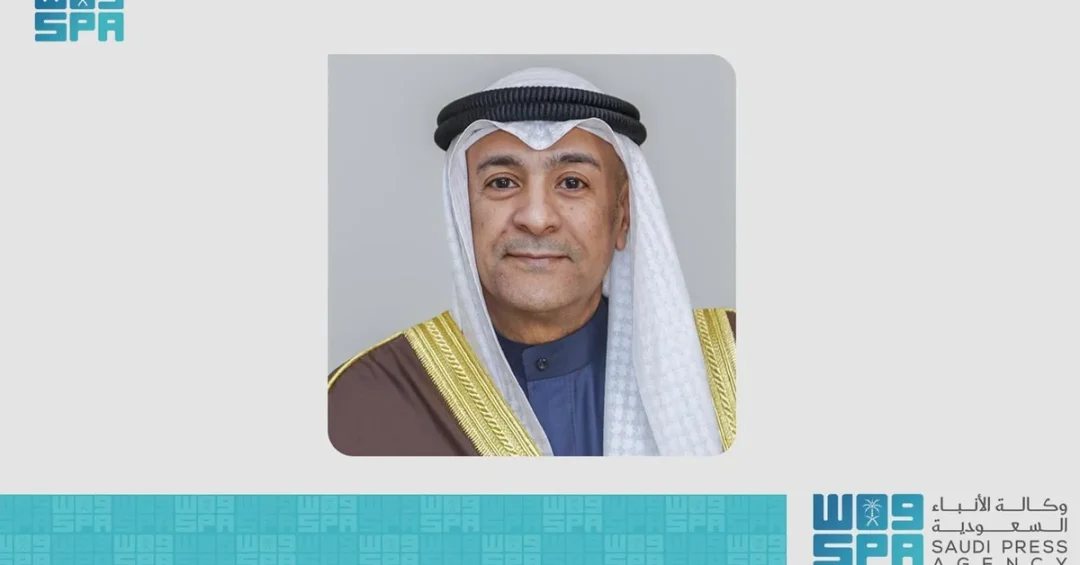
Secretary General of the Gulf Cooperation Council (GCC) Jasem Albudaiwi met with Director of the China Atomic Energy Authority Shan Zhongde on the sidelines of the first GCC-China Forum on Peaceful Uses of Nuclear Technology in Chengdu, China, on April 21, 2025, as reported by the Saudi Press Agency (SPA). The high-level meeting underscored the growing partnership between the GCC and China in the peaceful application of nuclear energy, a field that holds significant potential for advancing sustainable development across the region. The forum, held in Chengdu, the capital of Sichuan Province, brought together officials and experts to discuss cooperation avenues, with workshops and lectures designed to enhance knowledge exchange and technical collaboration.
This development comes at a time when Saudi Arabia and its GCC partners are intensifying efforts to diversify their energy sources and build capacity in advanced technologies, aligning with the goals of Saudi Vision 2030. The meeting between Albudaiwi and Shan Zhongde reflects a shared commitment to deepening strategic ties that extend beyond traditional energy trade into cutting-edge fields such as nuclear technology for peaceful purposes. As the global demand for clean and reliable energy grows, such collaborations are poised to play a pivotal role in shaping the region’s energy landscape and fostering innovation.
Context and Background
What does the first-ever GCC-China Forum on Peaceful Uses of Nuclear Technology signify for the future of international cooperation in this field? The forum, held in Chengdu on April 21, 2025, marks a new chapter in the longstanding relationship between the Gulf Cooperation Council and China. The GCC, a regional bloc comprising Saudi Arabia, the United Arab Emirates, Qatar, Kuwait, Bahrain, and Oman, has increasingly sought to expand its partnerships beyond traditional allies, and China has emerged as a key strategic partner. The meeting between GCC Secretary General Jasem Albudaiwi and China Atomic Energy Authority Director Shan Zhongde is a direct outcome of the Riyadh GCC-China Summit for Cooperation and Development, which laid the groundwork for enhanced collaboration in political, economic, and cultural spheres.
The peaceful use of nuclear energy has been a topic of growing interest in the Gulf region as countries seek to diversify their energy mix and reduce carbon emissions. Saudi Arabia, in particular, has outlined ambitious plans to develop nuclear power as part of its Vision 2030 framework, aiming to generate a significant portion of its electricity from alternative sources. China, with its advanced nuclear technology and experience in constructing reactors, presents a valuable partner in this endeavor. The forum in Chengdu provided a platform for GCC and Chinese officials to discuss technical cooperation, safety standards, and capacity-building initiatives, all of which are essential for the successful deployment of nuclear energy programs.
This meeting is not an isolated event but part of a broader trend of deepening GCC-China relations. In recent years, the two sides have signed numerous agreements in areas ranging from trade and investment to technology and education. The nuclear technology forum builds on this momentum, offering a structured mechanism for dialogue and collaboration. As the global energy transition accelerates, the GCC’s ability to access reliable and clean energy technologies will be crucial for its economic competitiveness and environmental sustainability. The partnership with China in this domain is therefore both timely and strategic.
Key Details
What specific areas of cooperation were discussed during the meeting between Albudaiwi and Shan Zhongde? According to the Saudi Press Agency, the discussions focused on avenues of cooperation between the GCC and China across various fields, including the peaceful use of nuclear energy. Both sides underscored the importance of the forum and its associated workshops and lectures, emphasizing their potential to enhance cooperation. The forum included sessions on nuclear safety, reactor technology, and the application of nuclear science in medicine, agriculture, and industry. These topics are particularly relevant for the GCC, as member states explore ways to harness nuclear technology for developmental purposes.
Albudaiwi stated that the meeting aligns with the outcomes of the final statement of the Riyadh GCC-China Summit for Cooperation and Development, which aimed at strengthening the existing strategic partnership between the GCC and China and expanding it towards new horizons in various political, economic, and cultural fields. This statement reflects a mutual desire to elevate the relationship to new heights, with nuclear cooperation serving as a concrete example of how the partnership can deliver tangible benefits. The director of the China Atomic Energy Authority, Shan Zhongde, expressed China’s readiness to share its expertise and work closely with GCC countries to advance their nuclear energy goals.
The forum also provided an opportunity for GCC officials to learn about China’s regulatory framework for nuclear energy, including safety protocols and emergency preparedness. Such knowledge transfer is vital for GCC countries that are in the early stages of developing their nuclear programs. By collaborating with China, they can benefit from decades of experience and avoid potential pitfalls. The workshops and lectures held during the forum covered a wide range of topics, from the basics of nuclear physics to the latest advancements in small modular reactors, which are particularly suited for smaller grids and remote areas. This comprehensive approach ensures that GCC participants gain a holistic understanding of the peaceful applications of nuclear technology.
International and Regional Impact
How will this meeting influence the broader geopolitical landscape and regional dynamics? The GCC-China partnership in nuclear technology carries significant implications for the Middle East and beyond. For the GCC, engaging with China on nuclear energy offers a way to diversify its international partnerships and reduce reliance on traditional Western suppliers. This diversification is part of a larger strategy to assert greater strategic autonomy and pursue multiple avenues for technological acquisition. China, for its part, gains a foothold in a strategically important region, enhancing its role as a global leader in nuclear exports and setting standards for nuclear cooperation.
Regionally, the collaboration could spur other countries to explore peaceful nuclear energy, creating a more integrated and technologically advanced Middle East. The peaceful use of nuclear energy is a sensitive topic, and the GCC’s engagement with China is conducted under the framework of international safeguards and non-proliferation agreements. Both sides have reaffirmed their commitment to these principles, which helps build confidence and ensures that the cooperation remains transparent and secure. The forum also serves as a confidence-building measure, demonstrating that countries in the region can work together on advanced technologies for mutual benefit.
On the international stage, the meeting signals the GCC’s growing role as a proactive player in global energy governance. By hosting and participating in forums like this, the GCC is positioning itself as a bridge between East and West, capable of facilitating dialogue and cooperation on complex issues. This aligns with Saudi Arabia’s Vision 2030, which seeks to enhance the Kingdom’s global engagement and leadership. The partnership with China in nuclear technology is a prime example of how the GCC can leverage its collective resources and strategic location to advance common goals.
Economic and Strategic Significance
What economic benefits can the GCC expect from enhanced nuclear cooperation with China? The development of nuclear energy has the potential to transform the GCC’s energy sector, providing a stable and low-carbon source of electricity to power economic growth. Nuclear power plants require significant upfront investment but offer long-term benefits, including reduced fuel costs and decreased vulnerability to oil price fluctuations. For Saudi Arabia, which is spearheading Vision 2030, nuclear energy is a key component of the plan to diversify the energy mix and free up more hydrocarbons for export and petrochemical production.
Moreover, nuclear technology has applications beyond electricity generation. It can be used in desalination, which is critical for the GCC’s water security, as well as in medical isotopes for cancer treatment and in agricultural research to improve crop yields. These applications can stimulate innovation and create high-skilled jobs, contributing to the knowledge-based economy that Vision 2030 aims to build. By partnering with China, the GCC can accelerate the development of these capabilities, benefiting from China’s cost-effective solutions and rapid project execution.
Strategically, nuclear cooperation strengthens the GCC’s hand in international negotiations and enhances its energy security. It reduces the region’s dependence on a single energy source and mitigates the risks associated with climate change. The partnership with China also opens doors for collaboration in other advanced technologies, such as renewable energy, artificial intelligence, and space exploration. As the GCC and China deepen their ties, the economic and strategic dividends are likely to multiply, creating a virtuous cycle of cooperation and development.
Vision 2030 Alignment
How does this nuclear cooperation align with Saudi Arabia’s Vision 2030 and its long-term aspirations? Vision 2030 is a comprehensive plan to diversify the Saudi economy, reduce its dependence on oil, and develop public service sectors such as health, education, infrastructure, and tourism. Nuclear energy is explicitly mentioned in the Vision as a means to achieve a sustainable energy mix. The Kingdom aims to build nuclear power plants to meet growing electricity demand and to support industrial diversification. The cooperation with China through the GCC forum directly supports these objectives by providing access to technology, expertise, and financing.
Furthermore, the meeting between Albudaiwi and Shan Zhongde exemplifies the Vision’s emphasis on international partnerships and knowledge transfer. Saudi Arabia has been actively seeking collaborations with leading nations in various fields, and China is a key partner in this regard. The nuclear technology forum is a testament to the GCC’s collective approach to development, with Saudi Arabia playing a leading role. As the GCC and China continue to work together, they will not only advance nuclear technology but also strengthen the bonds of friendship and mutual respect that are essential for a peaceful and prosperous future.
In conclusion, the meeting between GCC Secretary General Jasem Albudaiwi and China Atomic Energy Authority Director Shan Zhongde represents a significant step forward in the GCC-China strategic partnership. It highlights the potential of peaceful nuclear technology to drive economic growth, enhance energy security, and support sustainable development. As Saudi Arabia and its GCC partners continue to pursue Vision 2030, such collaborations will be instrumental in achieving their goals and contributing to a more stable and prosperous region. How can the international community support and learn from this model of cooperation? The answer lies in fostering dialogue, sharing best practices, and upholding the principles of peaceful nuclear use for the benefit of all.
20 Questions
Q1. What was the purpose of the meeting between GCC Secretary General Jasem Albudaiwi and China Atomic Energy Authority Director Shan Zhongde?
A1. The meeting aimed to discuss avenues of cooperation between the GCC and China in various fields, particularly the peaceful use of nuclear energy, on the sidelines of the first GCC-China Forum on Peaceful Uses of Nuclear Technology in Chengdu.
Q2. When and where did the meeting take place?
A2. The meeting took place on April 21, 2025, in Chengdu, the capital of Sichuan Province, China, during the first GCC-China Forum on Peaceful Uses of Nuclear Technology.
Q3. What is the significance of the GCC-China Forum on Peaceful Uses of Nuclear Technology?
A3. The forum serves as a platform to enhance cooperation in nuclear technology, with workshops and lectures aimed at knowledge exchange and technical collaboration between the GCC and China.
Q4. How does this meeting align with the outcomes of the Riyadh GCC-China Summit for Cooperation and Development?
A4. The meeting aligns with the summit’s final statement, which aimed to strengthen the strategic partnership between the GCC and China and expand it into new political, economic, and cultural areas.
Q5. What areas of cooperation were discussed during the meeting?
A5. Discussions focused on various fields, including the peaceful use of nuclear energy, and emphasized the importance of the forum’s workshops and lectures in enhancing cooperation.
Q6. Who represented the GCC and China at the meeting?
A6. The GCC was represented by Secretary General Jasem Albudaiwi, and China was represented by Shan Zhongde, Director of the China Atomic Energy Authority.
Q7. What did Albudaiwi say about the meeting?
A7. Albudaiwi stated that the meeting aligns with the outcomes of the Riyadh GCC-China Summit, aimed at strengthening the strategic partnership and expanding it towards new horizons in various fields.
Q8. What is the significance of nuclear energy cooperation for the GCC?
A8. Nuclear energy cooperation helps the GCC diversify its energy mix, reduce carbon emissions, and support sustainable development, aligning with Saudi Vision 2030 and regional energy goals.
Q9. How does China benefit from this cooperation?
A9. China benefits by strengthening its role as a global leader in nuclear technology exports, gaining a strategic foothold in the Middle East, and promoting its advanced nuclear solutions.
Q10. What are the peaceful uses of nuclear technology mentioned?
A10. Peaceful uses include electricity generation, desalination, medical isotopes for cancer treatment, and agricultural research to improve crop yields, among other applications.
Q11. What is the role of the China Atomic Energy Authority?
A11. The China Atomic Energy Authority is responsible for promoting the peaceful use of nuclear energy, regulating nuclear safety, and advancing China’s nuclear technology capabilities.
Q12. How does this cooperation align with Saudi Vision 2030?
A12. It aligns with Vision 2030’s goals to diversify the energy mix, develop high-skilled jobs, and foster international partnerships for technological advancement and sustainable development.
Q13. What are the potential economic benefits for the GCC?
A13. Economic benefits include stable low-carbon electricity, job creation in high-tech sectors, reduced fuel costs, and enhanced energy security, supporting long-term economic growth.
Q14. What are the regional implications of this cooperation?
A14. It could spur other Middle Eastern countries to explore peaceful nuclear energy, fostering regional integration, technological advancement, and confidence-building among nations.
Q15. How does this meeting reflect on GCC-China relations?
A15. It reflects deepening strategic ties, expanding cooperation beyond traditional areas into advanced technology, and a shared commitment to mutual development and prosperity.
Q16. What workshops and lectures were part of the forum?
A16. The forum included workshops and lectures on nuclear safety, reactor technology, and applications in medicine, agriculture, and industry, providing comprehensive knowledge exchange.
Q17. What is the significance of the Riyadh GCC-China Summit for Cooperation and Development?
A17. The summit established a framework for enhanced collaboration in political, economic, and cultural fields, setting the stage for initiatives like the nuclear technology forum.
Q18. How does nuclear cooperation contribute to energy security in the GCC?
A18. It diversifies energy sources, reduces dependence on oil, and provides a stable, low-carbon power supply, enhancing long-term energy security and resilience.
Q19. What role does Saudi Arabia play in this cooperation?
A19. Saudi Arabia, as a leading GCC member, actively supports and participates in the cooperation, aligning it with Vision 2030 and promoting regional integration and development.
Q20. What are the next steps for GCC-China nuclear cooperation?
A20. Next steps include continued dialogue, joint projects, capacity-building, and the implementation of agreements, with both sides committed to advancing peaceful nuclear technology for mutual benefit.
Reader Feedback
We value your thoughts. Please share your feedback on this article.
Your feedback helps us improve our coverage.
Related articles
 Jeddah Governor Meets Italy’s Ambassador to Boost Ties
 King Salman Royal Reserve Highlights Environmental Milestones
 Salvia Spinosa Revives in Northern Borders After Conservation
 Egyptian Foreign Minister Arrives in Riyadh
 Riyadh Governor Receives US Embassy Chargé D’Affaires
 Islamic Affairs Minister Receives New Saudi Ambassadors