


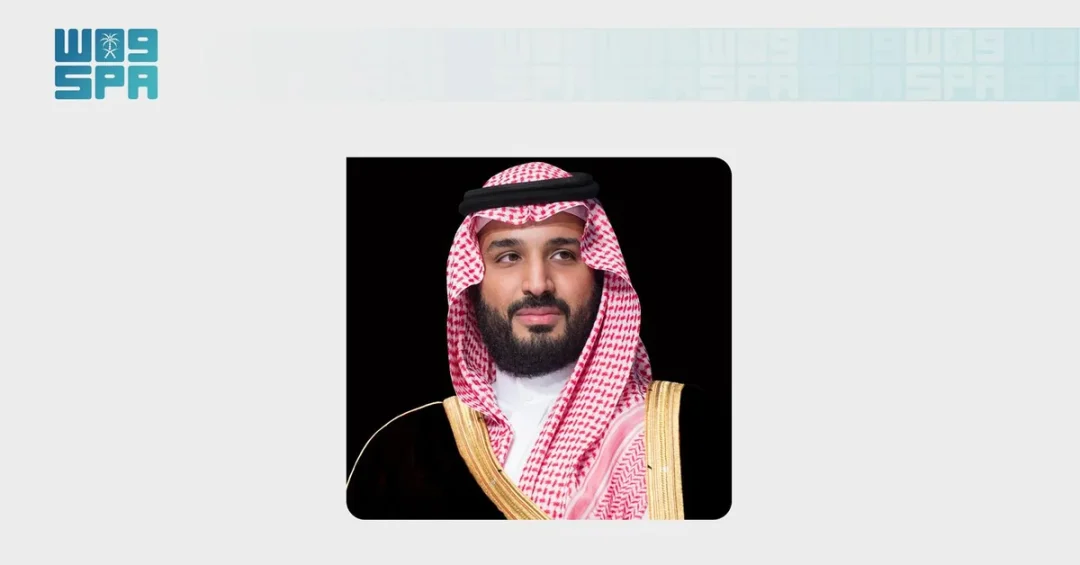
His Royal Highness Prince Mohammed bin Salman bin Abdulaziz Al Saud, Crown Prince and Prime Minister of the Kingdom of Saudi Arabia, has sent a cable of condolences and sympathy to President Prabowo Subianto of the Republic of Indonesia over the victims of the earthquakes that struck several regions in Indonesia, the Saudi Press Agency reported. In the cable, HRH the Crown Prince expressed his deepest condolences to the Indonesian president, the families of the victims, and the Indonesian people, and wished the injured a speedy recovery.
The message, released through official Saudi channels, reflects the Kingdom’s longstanding tradition of extending humanitarian solidarity to nations facing natural disasters, and it underscores the depth of the relationship between Riyadh and Jakarta. Indonesia, the world’s largest archipelagic state and home to the largest Muslim population on earth, maintains a strategic partnership with Saudi Arabia that spans diplomacy, trade, investment, Hajj and Umrah services, and people-to-people ties. When a disaster strikes Indonesia, the gesture from the Saudi leadership carries weight far beyond protocol, signaling that the Kingdom stands with its partners in moments of hardship. Why does a single cable of condolence matter so much in international diplomacy?
Context and Background
The cable of condolences was issued in response to earthquakes that struck several regions across Indonesia, causing loss of life and injury and prompting national and regional responses. While the source material does not specify the exact magnitude, epicenter, or the full tally of casualties, it confirms that the tremors affected multiple areas and that Indonesian authorities mobilized to assist affected communities. In such moments, the immediate priority for any government is rescue, medical care, shelter, and the restoration of essential services, and international expressions of sympathy form part of the broader web of support that disaster-hit nations receive.
Saudi-Indonesian relations rest on decades of mutual respect and cooperation. Diplomatic ties date back to the mid-twentieth century, and the relationship has since expanded into a comprehensive partnership. Indonesia sends one of the largest contingents of Hajj pilgrims each year, and Saudi Arabia has invested heavily in expanding the capacity and quality of services at the Two Holy Mosques to accommodate them. Economic ties have also broadened, with Saudi entities exploring opportunities in Indonesian infrastructure, energy, and halal industries, while Indonesian companies and workers contribute to the Kingdom’s dynamic economy. How do these deep-rooted ties shape the way Riyadh responds when Jakarta faces adversity?
Natural disasters are a recurring challenge for Indonesia, which sits along the Pacific Ring of Fire, a belt of seismic and volcanic activity that stretches across the region. Earthquakes, tsunamis, and volcanic eruptions have periodically tested the country’s resilience, and each event draws international attention and assistance. The Kingdom’s decision to send condolences at the leadership level is consistent with its approach in previous emergencies, when Saudi Arabia has provided relief supplies, medical assistance, and financial support through its official humanitarian channels. This pattern reflects a foreign policy that pairs strategic interests with a genuine commitment to humanitarian values.
Key Details of the Royal Message
According to the Saudi Press Agency, HRH the Crown Prince addressed his message directly to President Prabowo Subianto, expressing the Kingdom’s sympathy with the government and people of Indonesia. The cable conveyed deepest condolences to the president, to the families who lost loved ones, and to the Indonesian people as a whole, while extending wishes for a speedy recovery to those injured. The wording follows the established diplomatic conventions of the Kingdom, which consistently emphasizes compassion for the bereaved and concern for the wounded in times of crisis.
The message was transmitted through official Saudi channels and reported by the Saudi Press Agency, the Kingdom’s national news authority, which serves as the primary source for official statements by the leadership and government. This transparency ensures that the content of the cable is accurately conveyed to both domestic and international audiences. The Crown Prince holds the position of Prime Minister in addition to his role as Crown Prince, giving the message additional institutional weight and underlining that the expression of solidarity comes from the highest levels of the Saudi state. What does such a high-level gesture communicate to the wider international community?
The cable did not include specific pledges of material assistance in the text reported by SPA, but expressions of condolence from Saudi leadership have historically been accompanied by humanitarian support delivered through the King Salman Humanitarian Aid and Relief Center (KSrelief) and other official bodies when needs are assessed. KSrelief has earned international recognition for its rapid response to disasters across Asia, Africa, and the Middle East, often coordinating with local authorities and international organizations to deliver food, shelter, and medical care. Indonesia has been among the beneficiaries of Saudi humanitarian programs in the past, particularly following major earthquakes and tsunamis.
International and Regional Impact
The condolence message arrives at a time when global attention often shifts quickly between crises, yet the Kingdom’s consistent practice of acknowledging the suffering of other nations reinforces its reputation as a responsible international actor. In Southeast Asia, where Indonesia plays a leading role in ASEAN and serves as a bridge between regional powers, Saudi engagement is viewed positively. Riyadh’s ties with Jakarta complement its broader outreach across Asia, a continent that has become increasingly central to Saudi trade, energy partnerships, and investment diversification under Vision 2030.
From a diplomatic perspective, the cable also strengthens the personal and institutional rapport between the Saudi leadership and President Prabowo Subianto’s administration. Indonesia’s president took office with a mandate to advance economic development and international cooperation, and Saudi Arabia has been an active partner in those efforts. Exchanges of this kind, though brief, help sustain the momentum of bilateral relations between high-level meetings and formal agreements. In a world where soft power and symbolic diplomacy shape perceptions, such gestures contribute to the Kingdom’s standing as a reliable friend to nations in need.
Economic and Strategic Significance
Beyond the humanitarian dimension, the relationship between Saudi Arabia and Indonesia carries substantial economic weight. Indonesia is a member of the G20 and one of the fastest-growing economies in Southeast Asia, with a large young population and expanding consumer market. Saudi Arabia, for its part, is the world’s leading energy exporter and a major source of investment capital, with the Public Investment Fund (PIF) pursuing opportunities across Asia. The two countries have signed agreements in areas including energy, trade, and Islamic finance, and Indonesian officials have courted Saudi investment in infrastructure, renewable energy, and the halal sector.
People-to-people ties further cement the partnership. Hundreds of thousands of Indonesian pilgrims travel to the Kingdom each year for Hajj and Umrah, and Saudi Arabia has invested in modernizing airports, accommodation, and digital services to enhance their experience. Indonesian workers and professionals contribute to the Saudi economy, while Saudi tourists and investors are increasingly exploring Indonesian destinations. This dense network of exchanges means that stability and goodwill between the two nations have tangible economic benefits, and gestures of solidarity during disasters help preserve the trust on which those exchanges depend.
Vision 2030 Alignment
The condolence cable aligns with the humanitarian and international cooperation pillars of Saudi Vision 2030, the national transformation program launched by HRH Prince Mohammed bin Salman to diversify the Kingdom’s economy and strengthen its global role. Vision 2030 emphasizes Saudi Arabia’s commitment to being a responsible global partner, and the Kingdom’s humanitarian diplomacy, carried out through KSrelief and official channels, is a direct expression of that commitment. By standing with Indonesia in a moment of tragedy, the Kingdom reinforces the values of solidarity and compassion that underpin its international engagement.
As Saudi Arabia continues to expand its diplomatic and economic footprint across Asia, gestures such as this cable of condolences contribute to a broader narrative of partnership and mutual respect. The Kingdom’s leadership has repeatedly demonstrated that its relationships are not transactional but founded on shared values and long-term vision. For Indonesia, the message from HRH the Crown Prince is a reminder that Saudi Arabia remains a steadfast friend, ready to offer sympathy and support when it matters most. In the years ahead, this spirit of solidarity is expected to deepen cooperation between Riyadh and Jakarta across humanitarian, economic, and cultural domains, advancing the shared aspirations of both peoples.
20 Questions
Q1. Who sent the cable of condolences to Indonesia?
A1. HRH Prince Mohammed bin Salman bin Abdulaziz Al Saud, Crown Prince and Prime Minister of Saudi Arabia, sent the cable to President Prabowo Subianto of Indonesia.
Q2. What event prompted the condolence message?
A2. The message was sent over the victims of earthquakes that struck several regions in Indonesia, causing loss of life and injury.
Q3. Who is the President of Indonesia who received the message?
A3. President Prabowo Subianto of the Republic of Indonesia received the cable of condolences and sympathy from the Saudi Crown Prince.
Q4. What did the Crown Prince express in his cable?
A4. He expressed his deepest condolences to the Indonesian president, the families of the victims, and the Indonesian people, and wished the injured a speedy recovery.
Q5. Through which channel was the condolence message reported?
A5. The message was reported by the Saudi Press Agency, the Kingdom’s official national news authority, ensuring accurate and transparent communication.
Q6. Why is Saudi-Indonesia relations important?
A6. Indonesia is the world’s largest Muslim-majority nation, and the two countries share deep ties in diplomacy, trade, Hajj services, and people-to-people exchanges.
Q7. Does the cable include any pledge of material aid?
A7. The reported text focuses on condolences and wishes for recovery; Saudi humanitarian support is typically delivered through KSrelief when needs are assessed.
Q8. What is KSrelief?
A8. The King Salman Humanitarian Aid and Relief Center is Saudi Arabia’s official humanitarian arm, known for rapid disaster response across Asia, Africa, and the Middle East.
Q9. How does this gesture align with Saudi Vision 2030?
A9. Vision 2030 emphasizes Saudi Arabia’s role as a responsible global partner, and humanitarian diplomacy reflects the Kingdom’s commitment to international cooperation and solidarity.
Q10. What is the significance of the Crown Prince also being Prime Minister?
A10. Holding both roles gives the message additional institutional weight, showing that the expression of solidarity comes from the highest levels of the Saudi state.
Q11. How does Saudi Arabia typically respond to natural disasters abroad?
A11. The Kingdom often sends condolences at leadership level and provides relief supplies, medical assistance, and financial support through official humanitarian channels.
Q12. Why is Indonesia prone to earthquakes?
A12. Indonesia lies along the Pacific Ring of Fire, a belt of intense seismic and volcanic activity that makes earthquakes and tsunamis recurring challenges.
Q13. What role does Hajj play in Saudi-Indonesia ties?
A13. Indonesia sends one of the largest Hajj pilgrim contingents annually, and Saudi Arabia invests in expanding services at the Two Holy Mosques to accommodate them.
Q14. How might this cable affect bilateral relations?
A14. It reinforces goodwill and trust between Riyadh and Jakarta, sustaining momentum in diplomatic, economic, and cultural cooperation between the two nations.
Q15. What economic interests link Saudi Arabia and Indonesia?
A15. The countries cooperate in energy, trade, Islamic finance, and investment, with Saudi entities exploring Indonesian infrastructure, renewable energy, and halal industries.
Q16. What is the Pacific Ring of Fire?
A16. It is a horseshoe-shaped belt around the Pacific Ocean where many earthquakes and volcanic eruptions occur due to tectonic plate movements.
Q17. Did the Saudi Press Agency provide casualty figures?
A17. The SPA report did not specify casualty numbers, focusing instead on the official condolence message from the Crown Prince to Indonesia.
Q18. How does this gesture reflect Saudi foreign policy?
A18. It reflects a policy that pairs strategic interests with humanitarian values, demonstrating solidarity with partner nations during times of crisis and hardship.
Q19. What is the expected follow-up to this message?
A19. Saudi Arabia may coordinate with Indonesian authorities through KSrelief and other bodies to assess needs and provide assistance if required.
Q20. What does this development say about Saudi Arabia’s global role?
A20. It underscores the Kingdom’s emergence as a responsible international actor committed to humanitarian solidarity and long-term partnerships across Asia and beyond.
Reader Feedback
We value your thoughts. Please share your feedback on this article.
Your feedback helps us improve our coverage.
Related articles
 King Salman Offers Condolences to Indonesia Over Quake Victims
 Saudi Istitlaa Opens 29 Projects for Public Feedback
 Nigeria President Endorses Muslim World League Peace Initiative
 Prince Saud bin Mishal Reviews Jeddah Development Projects
 Smart Digital Services Enhance Two Holy Mosques Visitor Experience
 King Fahd Quran Printing Complex Records Historic Daily Visitor High