


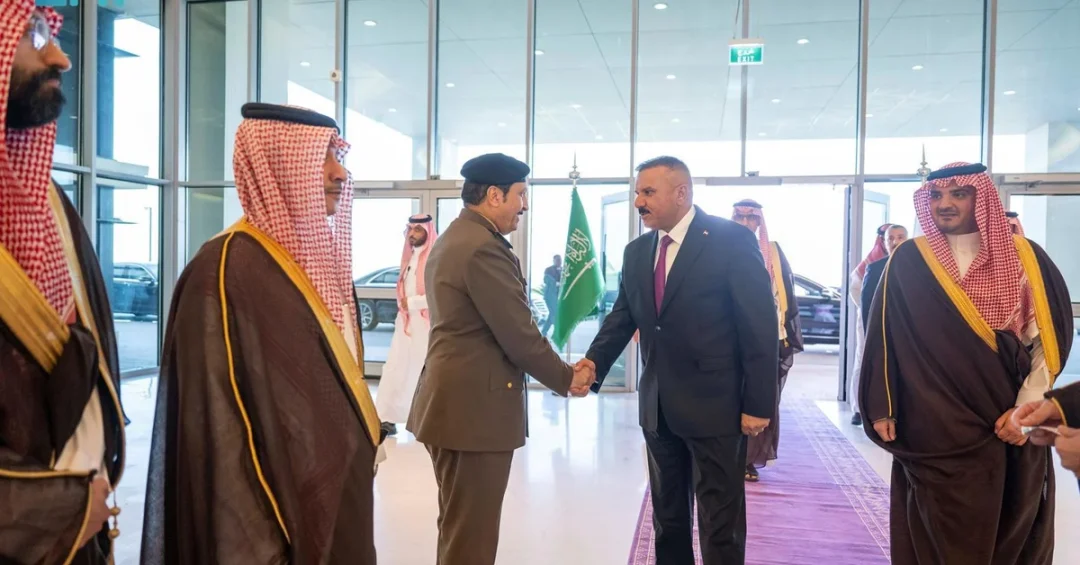
Saudi Minister of Interior Prince Abdulaziz bin Saud bin Naif bin Abdulaziz received Iraq’s Minister of Interior Lieutenant General Abdulamir Al-Shammari in Jeddah on April 21, 2025, to strengthen security cooperation between the two nations. The meeting, reported by the Saudi Press Agency (SPA), underscores the Kingdom’s ongoing commitment to regional stability and its role as a bridge-builder in the Middle East. During the talks, the two ministers reviewed ways to enhance existing security ties and discussed several issues of common interest, reflecting the deep fraternal relations between Saudi Arabia and Iraq.
This high-level engagement comes at a time of shifting geopolitical dynamics in the region, where Saudi Arabia, under the leadership of Custodian of the Two Holy Mosques King Salman bin Abdulaziz Al Saud and Crown Prince Mohammed bin Salman, is actively fostering partnerships that promote peace and prosperity. The meeting in Jeddah, a city that often hosts diplomatic exchanges, highlights the Kingdom’s strategic approach to countering shared challenges such as terrorism, extremism, and cross-border crime. As the two sides reaffirm their commitment to collaboration, what does this mean for the future of security in the region?
Context and Background
The relationship between Saudi Arabia and Iraq has evolved significantly over the past decade, moving from cautious engagement to robust cooperation in various fields. Historically, the two countries share deep cultural, tribal, and economic ties, with Iraq being an important partner in the Kingdom’s Vision 2030 framework for regional integration. In recent years, Saudi Arabia has reopened its embassy in Baghdad, increased trade, and supported Iraq’s stability through diplomatic and developmental initiatives. The security dimension of this relationship is particularly critical, given the shared border and common threats posed by terrorist groups and smuggling networks.
Prior to this meeting, both nations have engaged in multiple rounds of security talks, including joint counterterrorism exercises and intelligence-sharing agreements. For instance, in 2023, Saudi Arabia and Iraq signed a memorandum of understanding to enhance security cooperation, focusing on border security and combating drug trafficking. The April 21 meeting builds on these efforts, signaling a continued commitment to operationalizing those agreements. How does this sustained dialogue contribute to the broader stability of the Gulf and Levant regions? It demonstrates that Saudi Arabia is not only a regional power but also a proactive mediator and partner in addressing transnational challenges.
Furthermore, the timing of the meeting is notable, as it occurs amid ongoing efforts to consolidate peace in Iraq following years of conflict. Saudi Arabia has consistently supported Iraq’s sovereignty and territorial integrity, and this latest engagement reinforces that stance. By hosting Lieutenant General Al-Shammari in Jeddah, the Kingdom is sending a clear message that it values Iraq’s security as integral to its own. The meeting also aligns with Saudi Arabia’s Vision 2030 goal of fostering a secure and stable neighborhood, which is essential for economic diversification and investment.
Key Details of the Meeting
According to the official SPA report, the meeting between Prince Abdulaziz bin Saud bin Naif and Lieutenant General Abdulamir Al-Shammari focused on “ways to strengthen the existing security cooperation between the two countries.” While specific outcomes were not disclosed, the discussion likely covered areas such as intelligence sharing, border control, counterterrorism strategies, and capacity building for security forces. The two ministers also addressed “several issues of common interest,” which could include regional security developments, joint efforts to combat extremism, and coordination on international platforms.
The presence of such high-ranking officials underscores the seriousness of the dialogue. Prince Abdulaziz bin Saud bin Naif, a seasoned leader in Saudi security affairs, has been instrumental in modernizing the Kingdom’s interior ministry and enhancing its capabilities. Lieutenant General Al-Shammari, representing Iraq’s interior ministry, brings a wealth of experience in managing internal security and police operations. Their discussions are expected to lead to practical measures that enhance the safety of both nations. What concrete steps might emerge from this meeting to benefit ordinary citizens? Likely, enhanced border security will reduce smuggling and illegal crossings, while intelligence cooperation can preempt terrorist plots.
Additionally, the meeting in Jeddah, a city known for its diplomatic significance, may have included discussions on pilgrimage security, given the large number of Iraqi pilgrims who travel to Saudi Arabia for Hajj and Umrah. Ensuring their safety is a shared priority, and coordination between the two interior ministries is vital. The SPA report did not mention any agreements signed, but the dialogue itself is a step forward in operationalizing existing frameworks. The two sides likely reviewed progress on previous initiatives and set the stage for future joint activities.
International and Regional Impact
The Saudi-Iraqi security cooperation has significant implications for the broader Middle East. A stable Iraq is essential for regional security, and Saudi Arabia’s engagement helps bolster Iraq’s ability to govern its territory and prevent the resurgence of extremist groups. This partnership also counters the influence of non-state actors and promotes a unified approach to security challenges. For the international community, particularly the United States and European allies, Saudi-Iraqi cooperation is a positive development that aligns with global counterterrorism objectives.
Moreover, this meeting reflects Saudi Arabia’s growing role as a diplomatic hub in the region. By facilitating dialogue between various factions, the Kingdom is positioning itself as a stabilizing force. The recent rapprochement between Saudi Arabia and Iran, brokered by China, has also reduced tensions, creating a more conducive environment for cooperation with Iraq. How will this evolving landscape affect the balance of power in the Middle East? It suggests a shift towards diplomacy and economic integration, with Saudi Arabia at the helm. The international community has largely welcomed these developments, viewing them as steps toward a more peaceful and prosperous region.
Economic and Strategic Significance
Beyond security, the meeting carries economic and strategic weight. Iraq is a key market for Saudi goods and a potential partner in energy and infrastructure projects. Enhanced security cooperation facilitates trade and investment by ensuring safe transportation routes and stable business environments. Saudi Arabia’s Vision 2030 aims to diversify its economy and increase non-oil exports, and Iraq, with its growing economy and reconstruction needs, presents lucrative opportunities for Saudi businesses.
Strategically, a strong partnership with Iraq helps Saudi Arabia project influence and counterbalance other regional players. It also supports the Kingdom’s efforts to secure its northern borders and protect critical infrastructure. The meeting between the interior ministers is thus part of a larger strategy to integrate Iraq into a network of stable, cooperative states that share common interests. What economic benefits could arise from this security collaboration? Improved security can lead to increased bilateral trade, joint ventures, and Saudi investment in Iraqi projects, contributing to job creation and prosperity in both countries.
Vision 2030 Alignment
This meeting directly supports Saudi Arabia’s Vision 2030, which seeks to transform the Kingdom into a global investment powerhouse and a hub for diplomacy. A core pillar of Vision 2030 is enhancing national security and regional stability, which are prerequisites for economic growth. By strengthening ties with Iraq, Saudi Arabia is building a secure environment that attracts foreign investment and fosters innovation. The Kingdom’s leadership in facilitating such dialogues demonstrates its commitment to a peaceful and prosperous region.
Furthermore, Vision 2030 emphasizes the importance of international partnerships and soft power. Saudi Arabia’s role in hosting and mediating discussions between regional leaders enhances its global standing. The meeting between Prince Abdulaziz bin Saud bin Naif and Lieutenant General Al-Shammari is a testament to the Kingdom’s proactive foreign policy. As Saudi Arabia continues to open up to the world, such engagements will be crucial in shaping a future where security and prosperity go hand in hand. In conclusion, this meeting not only reinforces bilateral ties but also advances the Kingdom’s long-term vision of a stable, diversified, and influential Saudi Arabia.
20 Questions
Q1. Who received Iraq’s Minister of Interior in Jeddah?
A1. Saudi Minister of Interior Prince Abdulaziz bin Saud bin Naif bin Abdulaziz received Iraq’s Minister of Interior Lieutenant General Abdulamir Al-Shammari in Jeddah on April 21, 2025.
Q2. What was the main purpose of the meeting?
A2. The meeting aimed to strengthen existing security cooperation between Saudi Arabia and Iraq and discuss issues of common interest, as reported by the Saudi Press Agency.
Q3. Where did the meeting take place?
A3. The meeting took place in Jeddah, Saudi Arabia, a city that frequently hosts diplomatic and security-related discussions between regional leaders.
Q4. When did the meeting occur?
A4. The meeting occurred on April 21, 2025, according to the official Saudi Press Agency report, which was published at 20:19 local time.
Q5. What does the Saudi Press Agency report say about the meeting?
A5. The SPA reported that the two ministers reviewed ways to strengthen security cooperation and discussed several issues of common interest, without disclosing specific outcomes.
Q6. Which Saudi official represented the Kingdom?
A6. Prince Abdulaziz bin Saud bin Naif bin Abdulaziz, the Saudi Minister of Interior, represented the Kingdom. He is a key figure in Saudi security and modernization efforts.
Q7. Who is Iraq’s Minister of Interior?
A7. Lieutenant General Abdulamir Al-Shammari is Iraq’s Minister of Interior. He leads Iraq’s internal security and police forces, with extensive experience in security management.
Q8. How does this meeting fit into Saudi Arabia’s foreign policy?
A8. It aligns with Saudi Arabia’s proactive foreign policy of fostering regional stability, strengthening ties with neighboring countries, and supporting Vision 2030 goals for a secure and prosperous region.
Q9. What are the key areas of security cooperation discussed?
A9. While specifics were not disclosed, likely areas include counterterrorism, border security, intelligence sharing, and combating cross-border crime such as smuggling and drug trafficking.
Q10. Why is security cooperation between Saudi Arabia and Iraq important?
A10. It is crucial for regional stability, as both countries face shared threats from terrorism and extremism. Cooperation enhances border security and prevents the resurgence of militant groups.
Q11. Did the meeting result in any signed agreements?
A11. The SPA report did not mention any agreements signed. However, the dialogue itself advances the implementation of existing memoranda of understanding and sets the stage for future collaboration.
Q12. How does this meeting relate to Vision 2030?
A12. It supports Vision 2030 by promoting regional security, which is essential for economic diversification, investment, and the Kingdom’s goal of becoming a global hub for diplomacy and business.
Q13. What is the historical context of Saudi-Iraqi relations?
A13. Saudi-Iraqi relations have improved significantly in recent years, with Saudi Arabia reopening its embassy in Baghdad, increasing trade, and supporting Iraq’s stability through diplomatic and developmental initiatives.
Q14. How might this meeting impact regional stability?
A14. It contributes to regional stability by fostering dialogue and cooperation between two key Arab states, reducing tensions, and creating a unified front against common security challenges.
Q15. What role does Jeddah play in Saudi diplomacy?
A15. Jeddah is a major diplomatic hub, hosting many international meetings and serving as a gateway for pilgrims. Its selection for this meeting highlights its strategic importance.
Q16. Are there economic benefits to this security cooperation?
A16. Yes, enhanced security facilitates trade and investment by ensuring safe transportation routes and stable business environments, benefiting both economies and supporting Saudi Vision 2030 diversification goals.
Q17. How does this meeting reflect Saudi Arabia’s leadership in the region?
A17. It demonstrates Saudi Arabia’s role as a stabilizing force and mediator, actively working to build partnerships that promote peace and security, thereby enhancing its regional and global standing.
Q18. What might be the next steps after this meeting?
A18. Next steps could include joint security exercises, intelligence-sharing initiatives, and further high-level meetings to operationalize cooperation and address emerging threats.
Q19. How does Iraq benefit from this cooperation?
A19. Iraq benefits from Saudi expertise, resources, and support in combating terrorism and securing its borders, which helps consolidate peace and stability within Iraq.
Q20. What is the broader significance of this meeting for the Middle East?
A20. It signifies a shift towards diplomacy and cooperation in the Middle East, with Saudi Arabia leading efforts to create a stable and prosperous region through dialogue and partnership.
Reader Feedback
We value your thoughts. Please share your feedback on this article.
Your feedback helps us improve our coverage.
Related articles
 Saudi Education Minister Meets Chinese Counterpart in Beijing
 Saudi Energy Minister Meets Egyptian FM in Riyadh
 KSrelief Delivers April Allowances to 600 Orphans in Aleppo
 Saudi Energy Minister Meets Indian PM’s Principal Secretary
 Saudi Minister Meets Russian Counterpart to Boost Agriculture
 IMCTC Launches Extremist Rehabilitation Workshop in Nouakchott