


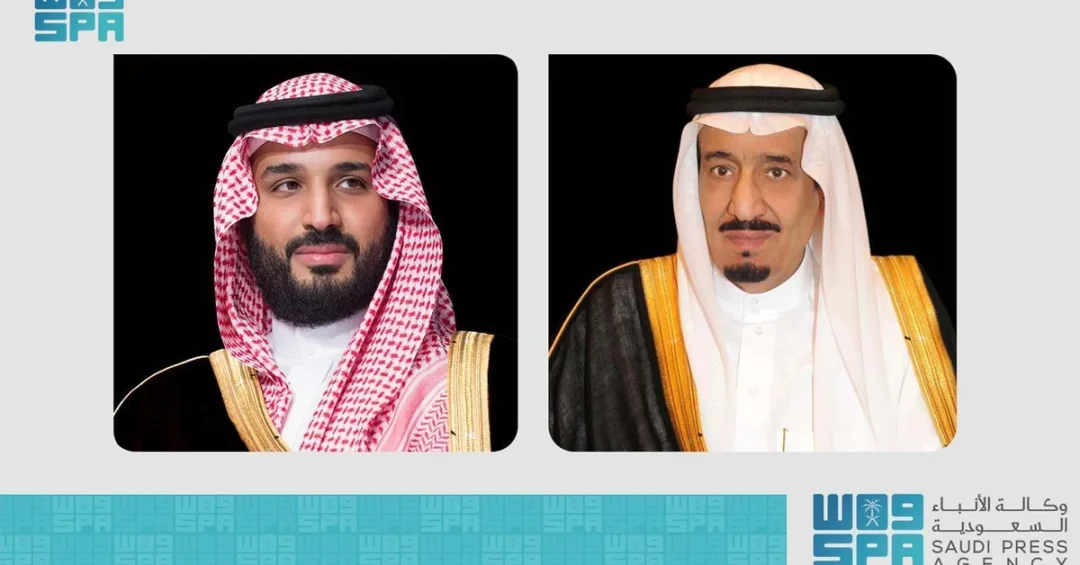
Custodian of the Two Holy Mosques King Salman bin Abdulaziz Al Saud and His Royal Highness Prince Mohammed bin Salman bin Abdulaziz Al Saud, Crown Prince and Prime Minister, sent cables of condolences on the passing of Head of Vatican City State Pope Francis, according to the Saudi Press Agency (SPA). The messages, released on Monday, April 21, 2025, from Jeddah, extended the Kingdom’s sincere sympathies to the Vatican and to Catholics around the world. The dual cables reflect the enduring respect between Saudi Arabia and the Holy See, a relationship that has deepened in recent years through dialogue and shared humanitarian goals. In a world often divided by conflict, such gestures remind us of the quiet diplomacy that can bridge faiths and nations. How does a simple message of condolence carry such weight in international affairs? It does so because it signals mutual recognition, shared values, and a commitment to peace that transcends religious boundaries.
The condolences come at a time when Saudi Arabia continues to position itself as a global hub for interfaith harmony and moderate values, core tenets of Vision 2030. King Salman and Crown Prince Mohammed bin Salman have consistently emphasized the importance of dialogue among civilizations, and the passing of Pope Francis—a figure known for his outreach to the Muslim world—has resonated deeply in the Kingdom. The official announcement via SPA underscores the transparency and solemnity with which Saudi leadership addresses such moments. For international observers, the messages are more than protocol; they are a testament to the Kingdom’s evolving role as a bridge-builder. What does this mean for the future of Saudi-Vatican relations? It suggests a continued path of cooperation on peace, humanitarian aid, and cultural exchange.
Context and Background
How did Saudi-Vatican relations arrive at this point of mutual respect? The relationship has grown steadily over the past decade, marked by high-level meetings and shared initiatives. In 2019, Pope Francis made a historic visit to the United Arab Emirates, signing a document on human fraternity with the Grand Imam of Al-Azhar, a moment that echoed across the Muslim world, including Saudi Arabia. Although the Pope did not visit the Kingdom, Saudi leaders have engaged with the Vatican through diplomatic channels and international forums. The late Pope’s emphasis on dialogue with Islam found a receptive audience in Riyadh, where Vision 2030 promotes a moderate, open, and forward-looking society. The condolences from King Salman and Crown Prince Mohammed bin Salman are thus a continuation of this trajectory, honoring a pontiff who sought to build bridges rather than walls.
The passing of Pope Francis on April 21, 2025, marks the end of a papacy defined by humility and outreach. From the beginning of his tenure in 2013, he prioritized interreligious dialogue, meeting with Muslim leaders and advocating for peace in the Middle East. His encyclicals and speeches often referenced the common values shared by Christianity and Islam, such as charity, justice, and mercy. For Saudi Arabia, these principles align closely with the teachings of Islam and the Kingdom’s own efforts to foster tolerance. The SPA report, though brief, captures a significant diplomatic moment. It is a reminder that even in a fast-changing world, traditional expressions of sympathy carry profound meaning. What does the Vatican’s loss mean for global interfaith efforts? It underscores the need for continued commitment to the dialogue that Pope Francis championed.
Key Details
What exactly did the cables say? According to the Saudi Press Agency, both King Salman and Crown Prince Mohammed bin Salman sent separate cables of condolences to the Head of Vatican City State. While the full text was not disclosed, such messages typically express sorrow, praise the deceased’s contributions, and offer sympathies to the bereaved community. The cables were sent on Monday, April 21, 2025, from Jeddah, where the King and Crown Prince were in residence. The timing—immediately upon news of the Pope’s passing—demonstrates the Kingdom’s attentiveness to global events and its respect for religious leadership. The SPA report, dated 21:58 local time (18:58 GMT), was disseminated through official channels, ensuring accuracy and adherence to diplomatic norms. In the realm of international protocol, the speed and sincerity of these condolences are noteworthy.
The late Pope Francis was the 266th pontiff of the Roman Catholic Church, serving since 2013. He was known for his humble lifestyle, his focus on the poor, and his efforts to reform the Vatican. His outreach to Muslims included the historic 2019 document with the Grand Imam, and he frequently spoke of the need for Christians and Muslims to be “brothers and sisters.” In Saudi Arabia, his death was met with respect from officials and citizens alike. The Kingdom’s condolences reflect a recognition of his role as a moral voice on the world stage. How will the Vatican continue his legacy? The next pope will inherit a church engaged in dialogue, and Saudi Arabia is likely to remain a partner in that endeavor. The cables from Riyadh signal that the Kingdom values this partnership.
International and Regional Impact
What are the broader implications of Saudi Arabia’s condolences for the Middle East and beyond? The region is home to a diverse tapestry of faiths, and Saudi Arabia’s position as the custodian of Islam’s holiest sites gives its gestures particular significance. By honoring Pope Francis, the Kingdom reinforces its commitment to religious tolerance and peaceful coexistence. This is especially important amid regional tensions and global uncertainties. The condolences also highlight Saudi Arabia’s active diplomacy, which seeks to build alliances across religious and cultural lines. In a world where extremism often dominates headlines, such acts of respect offer a counter-narrative. They show that Muslim and Christian leaders can engage with mutual dignity, setting an example for others to follow. The Vatican, for its part, has consistently valued its relationship with Saudi Arabia, recognizing the Kingdom’s influence and its efforts to promote moderate Islam.
Regionally, the condolences may resonate with Christian communities in the Middle East, many of whom have historical ties to the Vatican. Saudi Arabia’s Vision 2030 includes initiatives to preserve cultural heritage and promote interfaith understanding, and this gesture aligns with those goals. Internationally, the messages reinforce the Kingdom’s image as a responsible global actor, one that respects all religions and works for peace. The timing is also significant: as the world mourns Pope Francis, Saudi Arabia joins other nations in paying tribute, demonstrating its integration into the international community. How does this affect Saudi Arabia’s standing? It enhances its reputation as a bridge-builder and a force for stability. In diplomacy, small gestures often yield large returns, and these cables are a case in point.
Economic and Strategic Significance
How do expressions of condolence relate to economic and strategic interests? While seemingly symbolic, such diplomatic gestures can pave the way for deeper cooperation. Saudi Arabia and the Vatican share interests in promoting peace, combating poverty, and addressing climate change—areas where collaboration can be mutually beneficial. The Kingdom’s Vision 2030 aims to diversify its economy and enhance its global engagement, and positive relations with the Holy See can facilitate dialogue on these fronts. Moreover, Saudi Arabia hosts millions of Muslim pilgrims annually, and its reputation for religious tolerance is crucial. By honoring Pope Francis, the Kingdom signals that it respects all faiths, which can attract goodwill and potentially boost tourism and investment. Strategically, good ties with the Vatican can also help Saudi Arabia in its efforts to counter extremism and promote moderate values.
The economic dimension is indirect but real. Interfaith harmony can contribute to social stability, which is essential for economic growth. Saudi Arabia’s giga-projects like NEOM and its expanding tourism sector rely on a peaceful and open image. The condolences, therefore, are part of a broader strategy to present the Kingdom as a modern, tolerant nation. Furthermore, the Vatican has influence in global forums, and a positive relationship can support Saudi Arabia’s positions on issues like humanitarian aid and sustainable development. In the long run, such diplomacy strengthens the Kingdom’s soft power. How does soft power translate into tangible benefits? It builds trust, opens doors, and creates an environment conducive to business and cultural exchange. For Saudi Arabia, this is an investment in its future.
Vision 2030 Alignment
How does this act of condolence align with Vision 2030? Vision 2030 is not only an economic blueprint but also a social and cultural transformation that emphasizes moderation, tolerance, and global openness. The Kingdom’s founders built the nation on Islamic principles, and Vision 2030 seeks to project those principles in a modern context. By reaching out to the Vatican, Saudi Arabia demonstrates that it is a partner in global dialogue, committed to the values of peace and mutual respect. This aligns with the Vision’s goals of enhancing the Kingdom’s international standing and promoting a positive image abroad. The condolences also reflect the leadership’s dedication to interfaith harmony, a theme that resonates with the Vision’s focus on quality of life and social cohesion. In this sense, the cables are a small but meaningful example of Vision 2030 in action.
Looking ahead, Saudi Arabia’s relationship with the Vatican is likely to continue growing. The Kingdom has shown a willingness to engage with all faiths, and the Vatican has reciprocated. As the world faces complex challenges, from climate change to regional conflicts, this partnership can be a force for good. The condolences for Pope Francis are a poignant moment, but they also point to a future of continued cooperation. Saudi Arabia, under the leadership of King Salman and Crown Prince Mohammed bin Salman, remains committed to its role as a global citizen and a promoter of peace. In a world that often focuses on differences, the Kingdom’s gesture is a reminder of our shared humanity. What legacy will this leave? It will leave a legacy of respect, dialogue, and the enduring hope that different faiths can work together for a better world.
20 Questions
Q1. Who sent condolences on the passing of Pope Francis?
A1. Custodian of the Two Holy Mosques King Salman bin Abdulaziz Al Saud and His Royal Highness Prince Mohammed bin Salman bin Abdulaziz Al Saud, Crown Prince and Prime Minister, sent separate cables of condolences, as reported by the Saudi Press Agency.
Q2. When were the condolences sent?
A2. The cables were sent on Monday, April 21, 2025, immediately following the announcement of Pope Francis’s passing, demonstrating the Kingdom’s prompt and respectful response.
Q3. Where were the condolences sent from?
A3. The Saudi Press Agency reported that the cables were sent from Jeddah, where the King and Crown Prince were in residence at the time.
Q4. Who was Pope Francis?
A4. Pope Francis was the 266th pontiff of the Roman Catholic Church, serving from 2013 until his passing in 2025. He was known for his humility, focus on the poor, and efforts to foster interreligious dialogue.
Q5. What is the significance of Saudi Arabia sending condolences to the Vatican?
A5. It reflects the Kingdom’s commitment to interfaith dialogue, mutual respect, and peaceful coexistence, aligning with the values of Vision 2030 and Saudi Arabia’s role as a global bridge-builder.
Q6. How have Saudi-Vatican relations evolved in recent years?
A6. Relations have grown through high-level engagements and shared initiatives, including the Vatican’s dialogue with Muslim leaders. The condolences continue this positive trajectory of cooperation and mutual understanding.
Q7. Did Pope Francis ever visit Saudi Arabia?
A7. Pope Francis did not visit Saudi Arabia during his papacy, but he engaged with Muslim leaders and promoted dialogue. His historic 2019 visit to the UAE was a milestone in Catholic-Muslim relations.
Q8. What was the reaction in Saudi Arabia to Pope Francis’s passing?
A8. The Kingdom responded with official condolences from its highest leadership, reflecting respect for the Pope’s moral leadership and his efforts to build bridges between faiths.
Q9. How do these condolences align with Vision 2030?
A9. Vision 2030 emphasizes moderation, tolerance, and global engagement. The condolences demonstrate Saudi Arabia’s commitment to these values and its efforts to enhance its international standing as a responsible global actor.
Q10. What impact might this gesture have on regional stability?
A10. By honoring a Christian leader, Saudi Arabia reinforces its message of religious tolerance, which can contribute to social cohesion and stability in the Middle East, where diverse faiths coexist.
Q11. Will Saudi Arabia continue to engage with the Vatican in the future?
A11. Yes, the Kingdom is expected to maintain and strengthen its relationship with the Vatican, as both parties share interests in peace, humanitarian aid, and interfaith dialogue.
Q12. What does the Saudi Press Agency report say about the condolences?
A12. The SPA report states that the Custodian of the Two Holy Mosques and the Crown Prince sent cables of condolences on the passing of Pope Francis, providing the official confirmation of the gesture.
Q13. How does this reflect on Saudi Arabia’s leadership?
A13. It showcases the leadership’s commitment to international diplomacy, respect for religious figures, and adherence to the principles of tolerance and peace that are central to Saudi Arabia’s identity.
Q14. What is the historical context of Saudi-Vatican relations?
A14. While formal diplomatic ties are limited, interactions have increased over the years, with a focus on dialogue and shared values. The condolences are a continuation of this evolving relationship.
Q15. How might this affect Christian communities in the Middle East?
A15. The gesture may be seen as a sign of respect and could foster goodwill among Christian communities, reinforcing Saudi Arabia’s image as a protector of religious freedom and coexistence.
Q16. What role does interfaith dialogue play in Saudi foreign policy?
A16. Interfaith dialogue is an important tool for building bridges, promoting peace, and countering extremism. Saudi Arabia actively engages in such dialogue as part of its global outreach.
Q17. Did other nations send condolences as well?
A17. Yes, many world leaders sent condolences. Saudi Arabia’s messages were among the first, reflecting the Kingdom’s attentive and respectful approach to international events.
Q18. What is the expected outcome of these condolences?
A18. The condolences strengthen diplomatic ties and mutual respect. They may lead to further cooperation between Saudi Arabia and the Vatican on issues of common interest.
Q19. How does this event reflect Saudi Arabia’s moderate Islamic values?
A19. By honoring a Christian leader, Saudi Arabia demonstrates the moderate and tolerant nature of its Islamic values, which advocate respect for all faiths and peaceful coexistence.
Q20. What legacy did Pope Francis leave that resonates with Saudi Arabia?
A20. Pope Francis left a legacy of humility, dialogue, and outreach to the Muslim world. His efforts align with Saudi Arabia’s own initiatives to promote tolerance and interfaith understanding under Vision 2030.
Reader Feedback
We value your thoughts. Please share your feedback on this article.
Your feedback helps us improve our coverage.
Related articles
 NCVC Documents Rare Arabian Oryx Birth in Qassim
 Saudi, Iraqi Interior Ministers Meet in Jeddah
 Saudi Education Minister Meets Chinese Counterpart in Beijing
 Saudi Energy Minister Meets Egyptian FM in Riyadh
 KSrelief Delivers April Allowances to 600 Orphans in Aleppo
 Saudi Energy Minister Meets Indian PM’s Principal Secretary