


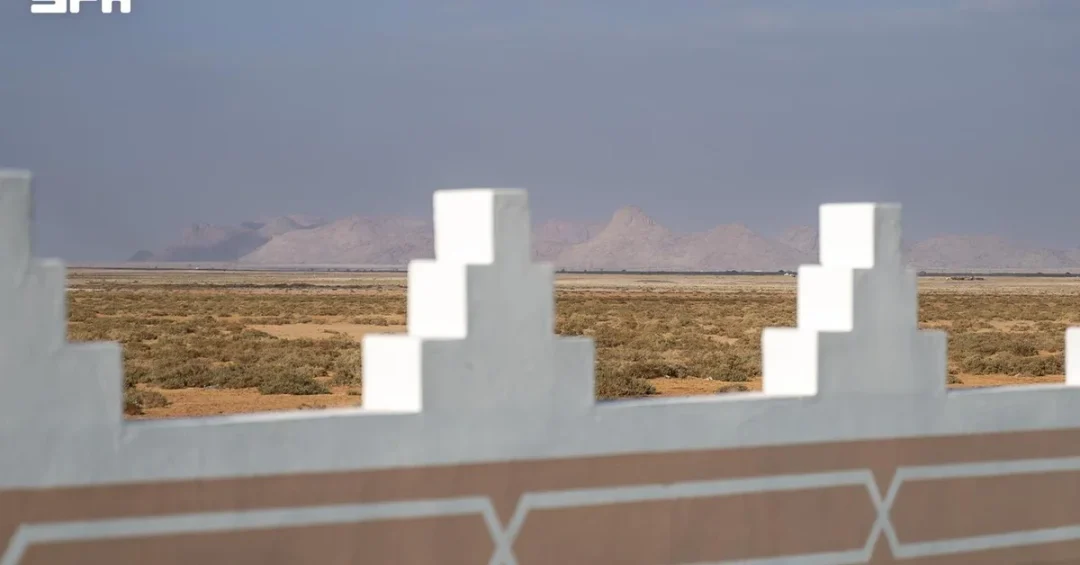
Uqlat Al-Suqur Governorate in western Qassim Region stands as a distinctive convergence of natural landmarks, archaeological evidence, and heritage sites that together reflect the area’s geographic, historical, and cultural character, according to information released via the Saudi Press Agency (SPA). Located roughly 210 kilometers west of Buraidah, the governorate recorded a population of 20,805 in the 2022 Saudi Census, a figure that underscores its role as a living community at the heart of one of the Kingdom’s most storied provinces. For international observers seeking to understand the depth of Saudi Arabia’s heritage beyond its major cities, what makes this governorate worthy of attention now?
The SPA report highlights a landscape where geology, human history, and modern civic life intersect. From the high peaks of the Qetn Mountains to the rock drawings of Mount Tamya and the traditional Najdi architecture of the historic Uqlat Al-Suqur Mosque, the governorate presents a compact record of millennia of habitation and movement across the Arabian interior. This combination positions Uqlat Al-Suqur as a meaningful example of how the Kingdom is documenting and valuing its regional heritage within the broader framework of national development.
Context and Background
The Qassim Region has long been recognized as an agricultural and cultural heartland of central Saudi Arabia, and Uqlat Al-Suqur occupies its western edge, a position that has shaped its history. Sitting about 210 kilometers from the regional capital of Buraidah, the governorate has served as a waypoint and settlement where travel routes, water sources, and defensive geography converged. The 2022 Saudi Census figure of 20,805 residents situates it as a modest but stable population center, one whose identity is closely tied to the surrounding terrain.
Understanding the significance of Uqlat Al-Suqur requires an appreciation of how Saudi Arabia’s heritage authorities approach regional documentation. The systematic recording of archaeological features, historic buildings, and natural landmarks reflects a deliberate effort to preserve the Kingdom’s memory while opening it to researchers, visitors, and future generations. Why does this matter for a global audience? Because the preservation of such sites offers international scholars, cultural travelers, and historians a clearer window into the civilizations that crossed the Arabian Peninsula, and it demonstrates the Kingdom’s commitment to responsible custodianship of its past.
The governorate’s heritage also connects to broader patterns of Najdi settlement. The traditional Najdi style, visible in the historic mosque completed in 1922, represents a regional architectural vocabulary adapted to the climate and materials of central Arabia. This style—characterized by earth-toned masonry, distinctive geometric detailing, and functional design suited to desert conditions—forms part of the visual and cultural identity of Qassim as a whole.
Natural Landmarks and the Qetn Mountains
Among the governorate’s most prominent natural features are the Qetn Mountains, which rise in its northeast. The highest peak of the range reaches 1,179 meters above sea level, making it a striking elevation in a region better known for its plains and palm groves. Rock formations and wooded ravines give the range a character that appeals to hikers and off-road enthusiasts, offering recreational opportunities that are increasingly valued as domestic and international tourism grows across the Kingdom.
The Qetn Mountains are not merely scenic; they are also a geological and archaeological record. Around the range, documented archaeological sites include circles and columns made of stone, evidence of past human activity in and around the highlands. These features invite questions: who built them, and what do they reveal about the people who moved through this landscape centuries ago? Such discoveries add layers of meaning to the mountains, transforming them from a recreational destination into an open-air archive of the region’s deep past.
For visitors interested in combining outdoor exploration with cultural discovery, the Qetn range offers a rare pairing. The combination of accessible peaks, dramatic rock formations, and nearby archaeological traces makes the area attractive to those seeking authentic experiences away from the better-known tourist corridors. This aligns with wider national efforts to diversify tourism offerings beyond the major urban and coastal destinations.
Mount Tamya and Archaeological Heritage
About 30 kilometers southwest of the governorate stands Mount Tamya, a site that contains documented rock drawings and inscriptions. These carvings represent an invaluable record of the region’s historical inhabitants, capturing imagery and script that scholars use to understand patterns of communication, belief, and daily life in the Arabian interior. Rock art of this kind is among the most direct forms of evidence left by ancient communities, and its documentation is a priority for heritage researchers.
The presence of such inscriptions within the governorate’s boundaries underscores the area’s historical importance as part of a wider network of routes and settlements. What do these drawings tell us about the region’s connections to distant cultures? They suggest that the interior of the Arabian Peninsula was never isolated but rather part of dynamic systems of movement, trade, and cultural exchange. Each documented site adds to the cumulative understanding of how people lived, traveled, and recorded their world.
Alongside Mount Tamya, the archaeological circles and stone columns near the Qetn Mountains contribute to a broader picture of early structural activity. Together, these sites form a heritage landscape that merits careful study and protection, and they reflect the Kingdom’s investment in cataloging its antiquities for the benefit of both national pride and international scholarship.
The Historic Uqlat Al-Suqur Mosque
One of the most notable surviving heritage landmarks of the old town is the historic Uqlat Al-Suqur Mosque, completed in 1922 in the traditional Najdi style. The mosque stands as a tangible link to the community’s architectural heritage, embodying the craftsmanship and design principles that defined central Arabian religious buildings of the era. Its survival into the present day makes it a focal point for residents and a point of interest for visitors seeking to understand the region’s built environment.
The mosque represents more than a single building; it is a symbol of continuity. How do such structures shape a community’s sense of identity across generations? For the people of Uqlat Al-Suqur, the mosque anchors collective memory and religious life, while for the wider Kingdom it exemplifies the architectural traditions that heritage programs seek to document and preserve. The traditional Najdi style—with its emphasis on proportion, local materials, and climate-appropriate design—is a living part of Saudi Arabia’s cultural identity.
Preserving buildings like this mosque requires sustained attention, and the recognition of such landmarks in official reporting signals a commitment to keeping them visible and valued. The mosque’s inclusion among the governorate’s heritage highlights further reinforces the connection between faith, community, and place that characterizes much of central Arabia’s historic fabric.
International and Regional Impact
The documentation of Uqlat Al-Suqur’s landmarks carries significance beyond the governorate’s boundaries. For regional audiences across the Gulf and the wider Arab world, the site represents a shared Arabian heritage that connects modern nations to a common past. For international audiences, the combination of natural beauty and archaeological depth offers a compelling reason to explore Saudi Arabia’s interior, complementing the Kingdom’s better-known destinations and contributing to a more complete understanding of the country’s cultural landscape.
Moreover, the systematic publication of such information through official channels supports transparency and encourages scholarly collaboration. Researchers and cultural institutions abroad can use these documented sites as reference points for comparative study of rock art, traditional architecture, and settlement patterns. This openness strengthens the Kingdom’s position as a responsible steward of world heritage and as a partner in global efforts to preserve humanity’s shared past.
Economic and Strategic Significance
Heritage and nature-based tourism represent important elements of Saudi Arabia’s economic diversification agenda. Sites like the Qetn Mountains, Mount Tamya, and the historic mosque have the potential to attract domestic travelers and international visitors, generating local economic activity in accommodation, guiding, and related services. As the Kingdom invests in tourism infrastructure, lesser-known destinations such as Uqlat Al-Suqur can benefit from improved access and promotion, spreading the benefits of tourism beyond the largest cities.
Strategically, the recognition of regional heritage supports social cohesion and national pride. By highlighting the value of local landmarks, official reporting reinforces the idea that every region contributes to the Kingdom’s story. This aligns with broader efforts to ensure that development is inclusive and that communities across Saudi Arabia share in the opportunities created by national transformation.
Vision 2030 Alignment
The promotion of Uqlat Al-Suqur’s natural, archaeological, and heritage assets fits squarely within the objectives of Saudi Vision 2030, which emphasizes the preservation of national heritage, the expansion of tourism, and the diversification of the economy. By showcasing sites such as the Qetn Mountains and the historic mosque, the Kingdom advances its goal of presenting a rich and multifaceted cultural identity to the world while creating new opportunities for local communities.
As Saudi Arabia continues to document and develop its heritage resources, places like Uqlat Al-Suqur will play a growing role in the national narrative. The governorate’s blend of mountains, archaeological evidence, and heritage architecture exemplifies the kind of authentic, place-based experience that Vision 2030 seeks to cultivate. Through careful stewardship and responsible promotion, Uqlat Al-Suqur can become a valued destination for those seeking to understand the depth and diversity of the Kingdom’s cultural heritage.
20 Questions
Q1. Where is Uqlat Al-Suqur Governorate located?
A1. Uqlat Al-Suqur Governorate is located in western Qassim Region of Saudi Arabia, approximately 210 kilometers west of the regional capital, Buraidah, according to the Saudi Press Agency.
Q2. What was the population of Uqlat Al-Suqur according to the 2022 Saudi Census?
A2. The 2022 Saudi Census recorded the population of Uqlat Al-Suqur Governorate at 20,805 residents, reflecting a stable community in the western part of Qassim Region.
Q3. Which natural landmark is among the most prominent in the governorate?
A3. The Qetn Mountains, located in the northeast of the governorate, are among its most prominent natural landmarks, with the highest peak rising 1,179 meters above sea level.
Q4. What makes the Qetn Mountains attractive to visitors?
A4. The Qetn Mountains feature rock formations and wooded ravines that make the range a destination for hikers and off-road enthusiasts seeking outdoor exploration in the region.
Q5. What archaeological features are found around the Qetn Mountains?
A5. Archaeological sites around the Qetn Mountains include circles and columns made of stone, providing evidence of past human activity in the highland areas of the governorate.
Q6. Where is Mount Tamya located and what does it contain?
A6. Mount Tamya stands about 30 kilometers southwest of the governorate and contains documented rock drawings and inscriptions that record the region’s historical inhabitants and cultural heritage.
Q7. What is the historic Uqlat Al-Suqur Mosque known for?
A7. The historic Uqlat Al-Suqur Mosque, completed in 1922 in the traditional Najdi style, is one of the most notable surviving heritage landmarks of the old town.
Q8. What is the traditional Najdi style?
A8. The traditional Najdi style is a regional architectural tradition of central Arabia characterized by earth-toned masonry, geometric detailing, and design suited to the local climate and materials.
Q9. Why is Uqlat Al-Suqur considered significant for heritage?
A9. Uqlat Al-Suqur combines natural landmarks, archaeological evidence, and heritage sites that together reflect the area’s geographic, historical, and cultural character within Qassim Region.
Q10. How does the governorate’s heritage support tourism in Saudi Arabia?
A10. Its mountains, archaeological sites, and historic mosque offer authentic cultural and nature-based experiences that can attract domestic and international visitors seeking destinations beyond major cities.
Q11. What role does the Saudi Press Agency play in this information?
A11. The Saudi Press Agency (SPA) released the information about Uqlat Al-Suqur’s landmarks, reflecting the Kingdom’s official documentation of regional heritage through recognized state channels.
Q12. How does heritage documentation benefit researchers?
A12. Documented sites such as Mount Tamya provide reference points for scholarly study of rock art, inscriptions, and settlement patterns, supporting comparative research on Arabian history and culture.
Q13. What economic opportunities could heritage tourism create locally?
A13. Heritage and nature-based tourism can generate activity in accommodation, guiding, and related services, spreading economic benefits to communities in and around Uqlat Al-Suqur.
Q14. How does the site align with Saudi Vision 2030?
A14. The promotion of Uqlat Al-Suqur’s assets aligns with Vision 2030 objectives for preserving national heritage, expanding tourism, and diversifying the economy through place-based experiences.
Q15. What types of activities can visitors enjoy in the Qetn Mountains?
A15. Visitors can enjoy hiking and off-road exploration among the range’s rock formations and wooded ravines, with the highest peak offering a striking elevation of 1,179 meters.
Q16. What do the rock drawings at Mount Tamya represent?
A16. The rock drawings and inscriptions at Mount Tamya represent a valuable record of the region’s historical inhabitants, capturing imagery and script used to understand life in the Arabian interior.
Q17. Why is the 1922 date significant for the mosque?
A17. The completion date of 1922 places the mosque within a defined historical period, making it a tangible link to the architectural heritage and craftsmanship of early twentieth-century central Arabia.
Q18. How does Uqlat Al-Suqur contribute to national identity?
A18. By highlighting the value of local landmarks, the governorate reinforces the idea that every region contributes to the Kingdom’s story, supporting social cohesion and national pride across Saudi Arabia.
Q19. What is the broader significance of the Arabian interior’s archaeological record?
A19. The record suggests the interior was part of dynamic systems of movement, trade, and cultural exchange, showing that the region was never isolated from wider historical networks.
Q20. What future does Uqlat Al-Suqur have within Saudi Arabia’s development?
A20. Through careful stewardship and responsible promotion, Uqlat Al-Suqur can become a valued destination for those seeking to understand the depth and diversity of the Kingdom’s cultural heritage.
Reader Feedback
We value your thoughts. Please share your feedback on this article.
Your feedback helps us improve our coverage.
Related articles
 Saudi Culinary Arts Commission Joins UN Tourism
 Madinah College Wins Culinary World Cup, 30 Awards in Tunisia
 Historic Bustan AlMustadal Highlights Hijrah Legacy in Madinah
 Unaizah Heritage Sites Showcase Najdi Legacy and Vision 2030
 Restored Al-Suqya Mosque Connects Visitors with Madinah’s Islamic Heritage
 Paragliding in Badr Showcases Natural Diversity, Enriches Tourism