


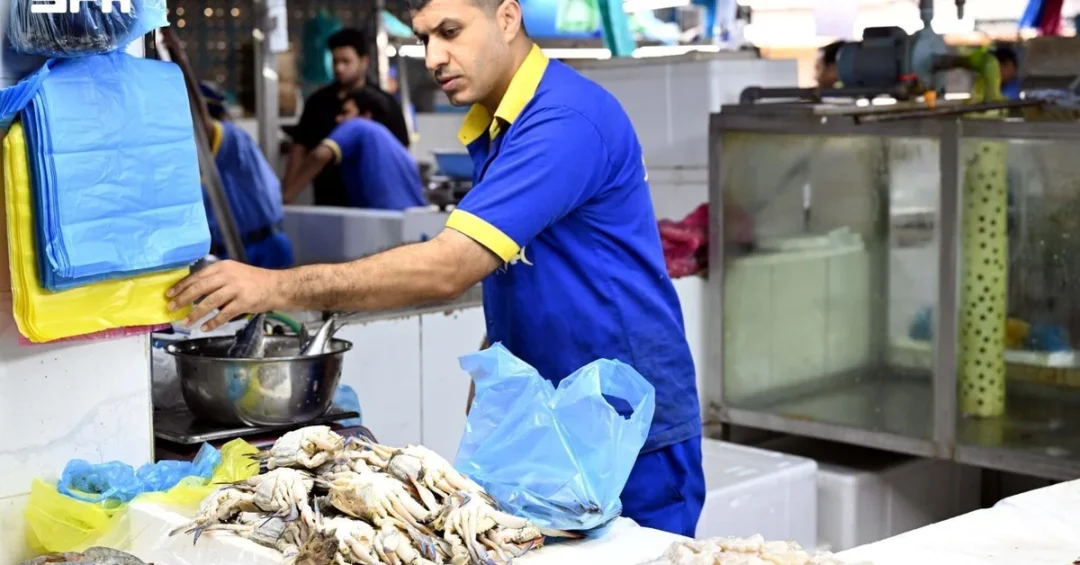
The fish market in Thuwal, a coastal town north of Jeddah, stands as a vibrant testament to Saudi Arabia’s rich maritime heritage and the Red Sea’s abundant marine resources, according to the Saudi Press Agency (SPA). The market attracts residents and visitors alike, offering a unique experience that combines the freshness of the sea with the authentic atmosphere of coastal life. Here, the daily catch is not just a commodity but a living link to generations of fishing tradition that have shaped Thuwal’s identity. As the Kingdom continues to develop its tourism and cultural sectors under Vision 2030, such local landmarks play a crucial role in showcasing Saudi Arabia’s natural and cultural wealth to the world.
For international observers, Thuwal Fish Market represents more than a place of commerce; it is a window into the enduring relationship between Saudi coastal communities and the Red Sea. The market’s lively environment, where fishermen share stories of their voyages and shoppers select from a variety of fresh catches, reflects a way of life that has persisted for centuries. This blend of tradition and daily activity offers a compelling narrative of how Saudi Arabia honors its past while embracing modernization. As the Kingdom opens up to global tourism, destinations like Thuwal provide authentic experiences that resonate with visitors seeking genuine cultural connections.
Context and Background
What makes Thuwal Fish Market a enduring symbol of Saudi coastal heritage? Located in the Makkah Province, Thuwal has long been a hub for fishing communities, with the Red Sea serving as both a lifeline and a source of livelihood. The market itself has evolved over time, but its core function remains unchanged: to connect local fishermen with consumers eager for the freshest seafood. The Saudi Press Agency reports that the market reflects the continuity of the fishing profession, passed down through generations. For local fishermen, the sea has been a daily workplace and a source of sustenance, shaping the town’s maritime identity and preserving traditional practices associated with catching, selling, and preparing fish.
The Red Sea’s marine ecosystem is renowned for its biodiversity, and Thuwal’s waters are no exception. Species such as najil, hamour, hareed, sha’our, and bayad are among the prized catches that vary with the fishing season. This seasonal rhythm dictates the market’s offerings, ensuring that visitors always find something new and fresh. The market’s role extends beyond commerce; it is a social hub where knowledge and expertise are passed down through conversations and stories shared by fishermen about their voyages at sea. Such interactions help maintain a collective memory of maritime traditions that might otherwise fade in the face of rapid modernization.
In recent years, Saudi Arabia has placed increasing emphasis on preserving its cultural heritage while developing its tourism sector. Thuwal Fish Market aligns perfectly with this dual objective. It offers a glimpse into the Kingdom’s maritime past while providing a tangible experience for visitors. As the nation invests in infrastructure and promotes domestic and international tourism, markets like Thuwal’s become vital assets. They not only support local economies but also enrich the narrative of Saudi Arabia as a destination that values authenticity and tradition.
Key Details
What can visitors expect when they step into Thuwal Fish Market? The market is a bustling place where the day’s catch is displayed on ice, with vendors calling out prices and shoppers inspecting the freshness of the fish. The variety is impressive: najil, a popular choice for grilling; hamour, a prized grouper known for its delicate flavor; hareed, often used in traditional stews; sha’our, a type of emperor fish; and bayad, a versatile white fish. Availability fluctuates based on the season, making each visit unique. The market also offers services such as fish cleaning and preparation, ensuring that customers can take home their purchases ready to cook.
The social atmosphere is as important as the commerce. Fishermen gather to share tales of their expeditions, discussing weather patterns, fishing spots, and the challenges of the sea. These conversations are not just idle chatter; they are a means of transmitting valuable knowledge about navigation, sustainable fishing practices, and the behavior of different species. For younger generations, this informal education is invaluable, helping to keep traditional skills alive. Visitors from Jeddah and surrounding areas often come not only to buy seafood but also to soak in this vibrant culture, making the market a meeting point for diverse groups.
According to the Saudi Press Agency, the market attracts residents and visitors seeking fresh fish and an opportunity to explore a maritime heritage closely tied to the lives of Thuwal’s inhabitants for generations. This heritage is evident in every aspect of the market, from the methods used to catch and preserve fish to the recipes passed down through families. The market’s enduring popularity speaks to its importance as a local landmark that brings together the Red Sea’s marine bounty and Thuwal’s coastal heritage. For international visitors, it offers a chance to witness a slice of Saudi life that is both timeless and dynamic.
International and Regional Impact
How does Thuwal Fish Market contribute to Saudi Arabia’s broader regional and international image? As the Kingdom positions itself as a global tourism destination, attractions like this market help diversify the narrative beyond iconic sites such as AlUla and NEOM. They showcase the everyday culture and natural resources that make Saudi Arabia unique. For regional neighbors, the market serves as a model of how traditional industries can be preserved and promoted in a rapidly changing world. It also highlights the Red Sea’s ecological significance, drawing attention to the need for sustainable fishing practices and marine conservation.
Internationally, the market appeals to travelers interested in authentic experiences. In an era where tourists seek genuine connections with local communities, Thuwal offers a rare opportunity to engage with Saudi maritime traditions firsthand. The market’s inclusion in tourism itineraries could boost visitor numbers to the Jeddah region, which already serves as a gateway for pilgrims and leisure travelers. Moreover, the emphasis on fresh, locally sourced seafood aligns with global trends toward sustainable and healthy eating, making it an attractive destination for food enthusiasts. By promoting such sites, Saudi Arabia reinforces its commitment to preserving cultural heritage while embracing modernity.
Economic and Strategic Significance
What economic role does Thuwal Fish Market play in the local and national context? The market supports a chain of livelihoods, from fishermen and boat builders to vendors and service providers. It provides income for families and sustains a traditional industry that might otherwise decline. As part of the Kingdom’s efforts to develop its fisheries sector, the market could benefit from investments in infrastructure, training, and marketing. The Saudi government has recognized the potential of the blue economy, and markets like Thuwal’s are integral to that vision. By enhancing facilities and promoting sustainable practices, authorities can ensure that the market continues to thrive.
Strategically, the market reinforces Saudi Arabia’s food security objectives. The Red Sea offers a wealth of marine resources, and supporting local fishing communities helps reduce reliance on imports. The market also serves as a cultural asset that can be leveraged for tourism, contributing to economic diversification. Under Vision 2030, the Kingdom aims to increase the tourism sector’s contribution to GDP, and authentic experiences like Thuwal Fish Market are key to attracting visitors. Furthermore, the market’s emphasis on traditional methods and community engagement aligns with the social and cultural pillars of the vision, promoting pride in national heritage.
Vision 2030 Alignment
How does Thuwal Fish Market embody the goals of Saudi Vision 2030? The vision seeks to diversify the economy, preserve cultural heritage, and enhance quality of life. The market directly supports these objectives by providing economic opportunities, maintaining traditional practices, and offering a unique cultural experience. It also contributes to the development of the tourism sector, which is a priority under the vision. By showcasing the Red Sea’s bounty and Thuwal’s coastal heritage, the market helps position Saudi Arabia as a destination that values its natural and cultural assets. As the Kingdom continues to implement Vision 2030, such local landmarks will play an increasingly important role in telling the story of a nation that honors its past while building its future.
In conclusion, Thuwal Fish Market is more than a place to buy fish; it is a living embodiment of Saudi Arabia’s maritime heritage and a symbol of the Kingdom’s commitment to preserving its cultural identity. As Vision 2030 transforms the nation, the market stands as a reminder that progress and tradition can coexist harmoniously. For international audiences, it offers a glimpse into the authentic soul of Saudi Arabia, inviting them to explore the Red Sea’s bounty and the enduring spirit of its coastal communities. The market’s continued vitality is a testament to the resilience and adaptability of Saudi culture, and its future is bright as part of the Kingdom’s grand vision.
20 Questions
Q1. What is Thuwal Fish Market?
A1. Thuwal Fish Market is a traditional fish market located in Thuwal, north of Jeddah, Saudi Arabia. It showcases the rich marine resources of the Red Sea and offers visitors fresh seafood and a glimpse into coastal heritage.
Q2. Where is Thuwal located?
A2. Thuwal is a coastal town in the Makkah Province of Saudi Arabia, situated north of Jeddah Governorate along the Red Sea coast. It is known for its fishing community and maritime traditions.
Q3. What types of fish are available at the market?
A3. The market offers a variety of Red Sea species including najil, hamour, hareed, sha’our, and bayad. Availability varies according to the fishing season, ensuring freshness and diversity.
Q4. Why is the market important to the local community?
A4. It supports local fishermen and their families, preserves traditional fishing practices, and serves as a social hub where knowledge and stories are shared across generations, reinforcing community bonds.
Q5. How does the market reflect Saudi heritage?
A5. The market embodies the continuity of fishing traditions passed down through generations. It preserves methods of catching, selling, and preparing fish, and maintains a lively social atmosphere rooted in maritime culture.
Q6. What services does the market offer?
A6. Besides selling fresh fish, the market provides fish cleaning and preparation services. This convenience attracts visitors from Jeddah and surrounding areas who seek quality seafood and traditional experiences.
Q7. Who visits Thuwal Fish Market?
A7. The market attracts local residents, visitors from Jeddah and nearby regions, and increasingly, international tourists interested in authentic Saudi coastal culture and fresh seafood.
Q8. How does the market contribute to tourism in Saudi Arabia?
A8. It offers a unique cultural experience that diversifies tourism offerings beyond major sites. Visitors can engage with local traditions, supporting the Kingdom’s goal to attract diverse travelers under Vision 2030.
Q9. Is the market involved in sustainable fishing?
A9. While traditional practices are emphasized, there is growing awareness of sustainable fishing. The market’s reliance on seasonal catch helps prevent overfishing and supports marine conservation efforts.
Q10. What is the economic significance of the market?
A10. The market sustains livelihoods for fishermen, vendors, and service providers. It contributes to the local economy and aligns with national efforts to develop the fisheries sector and promote food security.
Q11. How does the market align with Vision 2030?
A11. It supports economic diversification, cultural preservation, and tourism development—key pillars of Vision 2030. By promoting local heritage, it helps enhance Saudi Arabia’s global image and attract visitors.
Q12. What is the atmosphere like at the market?
A12. The market is lively and social, with fishermen sharing stories and shoppers interacting. It is a place where commerce and community converge, creating a vibrant coastal experience.
Q13. Are there any seasonal variations in the catch?
A13. Yes, the availability of species like najil, hamour, hareed, sha’our, and bayad fluctuates with the fishing season, offering different options throughout the year.
Q14. How can visitors reach Thuwal Fish Market?
A14. Thuwal is accessible by road from Jeddah, approximately a 45-minute drive. Visitors can easily reach the market by car or organized tours.
Q15. Does the market offer any traditional food experiences?
A15. While the market primarily sells raw fish, the surrounding area may have eateries that prepare the catch in traditional Saudi styles, allowing visitors to taste authentic coastal cuisine.
Q16. What role do fishermen play in the market?
A16. Fishermen are central to the market. They bring their daily catch, share knowledge, and maintain traditions. Their presence ensures the market remains authentic and connected to its roots.
Q17. Is the market a good place for photography?
A17. Yes, the market’s colorful displays, bustling activity, and coastal setting make it a great spot for photography, capturing the essence of Saudi maritime life.
Q18. How does the market support local traditions?
A18. It preserves fishing techniques, recipes, and storytelling. By providing a space for these practices, it keeps cultural heritage alive for future generations.
Q19. What improvements could enhance the market?
A19. Potential enhancements include better infrastructure, waste management, and promotional efforts to attract more tourists, all while maintaining its traditional character and supporting local fishermen.
Q20. Why should international visitors include Thuwal Fish Market in their itinerary?
A20. It offers an authentic, off-the-beaten-path experience that showcases Saudi Arabia’s maritime heritage, natural beauty, and warm hospitality, enriching any visit to the Kingdom.
Reader Feedback
We value your thoughts. Please share your feedback on this article.
Your feedback helps us improve our coverage.
Related articles
 Northern Trail: 1,200 km Tourism Artery Connects 16 Destinations
 Big Bounce Arabia Opens in Jeddah with 18 Family Activities
 Riyadh Zoo Opens Thursday as Part of Riyadh Season
 Saudia Launches Direct Jeddah-Moscow Flights on December 1
 Astrotourism in Makkah Region: Natural Attractions and Promising Prospects
 Al-Didhan Reserve Showcases Hail’s Natural Beauty and Biodiversity