


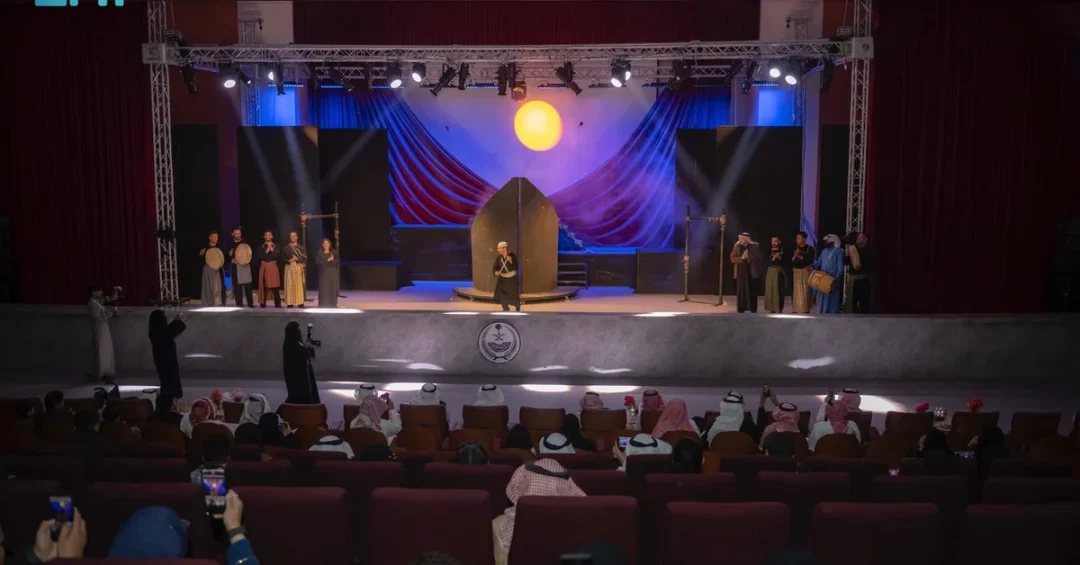
The Theater and Performing Arts Commission launched its nationwide theater tour with the play “Baher” in Al-Baha from April 3 to 5, drawing strong crowds of theater enthusiasts inspired by Saudi Arabia’s maritime heritage and the traditions of ancient sailors and pearl divers. The performances, held in the southwestern region of the Kingdom, marked the opening chapter of a tour that will continue in Jubail from April 17 to 19, Dammam from April 24 to 26, and Al-Ahsa from May 1 to 3, according to the Saudi Press Agency. The initiative reflects the commission’s broader efforts to revitalize theater across the Kingdom and bring live cultural experiences to audiences in every region.
The staging of “Baher” in Al-Baha is significant not only as an artistic event but as a statement of national intent. For decades, Saudi Arabia’s cultural life was concentrated in major metropolitan centers, leaving smaller regions with fewer opportunities to experience professional stage productions. The nationwide tour reverses that dynamic by taking high-quality theater directly to communities, allowing residents of Al-Baha and other cities to participate in the Kingdom’s cultural renaissance. The play’s maritime theme also connects audiences to a shared Gulf heritage of seafaring, trade, and pearl diving that shaped coastal communities for generations. Could there be a more fitting way to open a national tour than by celebrating the stories of those who sailed the Kingdom’s waters?
Context and Background
How did theater become a priority in a country undergoing rapid social and economic transformation? The answer lies in Saudi Vision 2030, the national roadmap launched in 2016 to diversify the economy and enrich quality of life. As part of that vision, the Ministry of Culture established sector-specific commissions, including the Theater and Performing Arts Commission, to develop creative industries that had long operated informally. The commission’s mandate includes training performers, supporting production companies, regulating venues, and expanding access to the performing arts across all thirteen regions of the Kingdom. The nationwide tour is one of its flagship instruments for achieving those goals.
Al-Baha, known for its mountainous terrain, cool climate, and distinctive architectural heritage, offered a symbolic starting point. The region has been the focus of increasing cultural investment, from heritage festivals to tourism development, as the Kingdom seeks to balance growth between urban centers and rural areas. Hosting the opening of a national theater tour signals that cultural policy is not limited to Riyadh, Jeddah, or the Eastern Province. It also gives local audiences a sense of ownership over the national cultural narrative. What does it mean for a community when the curtain rises on a professional production in its own city?
The play “Baher” draws on the maritime heritage of the Arabian Peninsula, including the traditions of ancient sailors and pearl divers who navigated the Gulf and Red Sea. These stories are deeply embedded in the collective memory of the region, yet they are rarely presented on stage with modern production values. By adapting them for contemporary theater, the commission is both preserving intangible heritage and demonstrating that Saudi culture can be interpreted in fresh, engaging ways. The choice of subject matter also aligns with wider efforts to document and celebrate the Kingdom’s diverse regional identities.
Key Details
The Al-Baha performances ran for three days, from April 3 to 5, and attracted strong attendance from local residents and visitors. According to the Saudi Press Agency, the turnout reflected genuine enthusiasm for theater in the region. The tour schedule then moves to Jubail, an industrial city on the Gulf coast, from April 17 to 19; Dammam, the capital of the Eastern Province, from April 24 to 26; and Al-Ahsa, a UNESCO World Heritage site renowned for its oasis and cultural traditions, from May 1 to 3. Each stop will bring “Baher” to a different audience, creating a shared national experience around a single production.
The Theater and Performing Arts Commission has emphasized that the tour is part of a sustained strategy rather than a one-off event. In recent years, the commission has supported the establishment of theater troupes, funded training programs for actors and directors, and worked with international partners to raise production standards. It has also encouraged private sector investment in performance venues and festivals. The result is a growing ecosystem in which Saudi talent can develop and audiences can engage with a variety of genres, from classical drama to experimental work. Does a single play have the power to spark a lifelong appreciation for the arts?
“Baher” itself is a product of this ecosystem. Its creative team combines Saudi and regional artists who have benefited from the commission’s capacity-building initiatives. The production’s design, music, and choreography aim to immerse viewers in the world of sailors and pearl divers, using staging techniques that evoke the sea without relying on elaborate sets. This approach makes the play adaptable to different venues, a practical consideration for a nationwide tour that includes both purpose-built theaters and temporary performance spaces. The emphasis on storytelling and atmosphere over spectacle also keeps the focus on heritage and human experience.
International and Regional Impact
How does a domestic theater tour resonate beyond Saudi borders? For international observers, the tour is evidence that the Kingdom’s cultural transformation is broadening in scope and geography. It shows that Vision 2030 is not merely an economic program but a comprehensive effort to reshape public life, including leisure and artistic expression. Regional neighbors in the Gulf are watching closely, as several countries pursue similar strategies to develop creative industries and diversify away from hydrocarbons. Saudi Arabia’s approach, which combines government leadership with private participation, offers a model that others may study.
The tour also supports Saudi Arabia’s growing role as a cultural destination. Visitors from around the world are increasingly interested in authentic experiences that go beyond iconic landmarks. By staging productions in regions like Al-Baha and Al-Ahsa, the Kingdom can attract culturally curious travelers and extend their stays beyond major cities. This complements broader tourism goals, including the National Tourism Strategy and the expansion of entertainment offerings under the General Entertainment Authority. When international audiences see Saudi stories told on Saudi stages, perceptions of the Kingdom shift from abstract to personal. Could cultural exchange become one of the Kingdom’s most effective diplomatic tools?
Economic and Strategic Significance
The theater sector may be small compared with oil or construction, but its strategic value is considerable. Creative industries generate jobs for performers, technicians, designers, marketers, and venue staff, while also stimulating hospitality, retail, and transportation in host cities. The nationwide tour creates temporary employment and business opportunities each time it arrives in a new location. Over time, a thriving performing arts scene can support permanent infrastructure, such as theaters, rehearsal studios, and production companies, that contributes to local economies. The commission’s work is thus an investment in human capital and regional development.
Strategically, the tour reinforces national cohesion by giving citizens in different regions access to the same cultural content. In a country as large and diverse as Saudi Arabia, shared experiences help build a common sense of identity and pride. The play’s maritime theme is particularly unifying because it draws on heritage that spans the Red Sea and the Gulf, linking the Kingdom’s western and eastern coasts. By celebrating this heritage, the tour highlights the depth of Saudi history and its connections to wider Indian Ocean and Arab trading networks. Does economic diversification begin with something as simple as a story told on stage?
Vision 2030 Alignment
Vision 2030 sets out ambitious targets for quality of life, cultural participation, and economic diversification. The Theater and Performing Arts Commission’s nationwide tour directly supports these goals by making the arts accessible, nurturing local talent, and creating a market for creative work. It also aligns with the Quality of Life Program, which aims to increase the number of cultural events and venues across the Kingdom. Each performance in Al-Baha, Jubail, Dammam, and Al-Ahsa is therefore more than entertainment; it is a building block of the Kingdom’s cultural infrastructure and a demonstration of Vision 2030 in action.
As the tour continues through May, it will carry the story of “Baher” to new audiences and generate momentum for future productions. The commission’s long-term objective is a sustainable theater sector that contributes to the economy, enriches society, and showcases Saudi creativity to the world. For the people of Al-Baha, the opening nights were a source of local pride and a glimpse of what a vibrant cultural life can look like. For Saudi Arabia as a whole, they were a reminder that the nation’s heritage is not only preserved in museums but alive on stage. Will the next generation of Saudi artists look back on this tour as the moment their journey began?
20 Questions
Q1. What is the name of the play that opened the nationwide theater tour?
A1. The play is called “Baher,” which means “sea” in Arabic. It is inspired by Saudi maritime heritage and the traditions of ancient sailors and pearl divers.
Q2. Which city hosted the opening performances of the tour?
A2. Al-Baha hosted the opening performances from April 3 to 5, 2025. The southwestern region drew strong crowds of theater enthusiasts for the debut of the nationwide tour.
Q3. Which organization launched the nationwide theater tour?
A3. The Theater and Performing Arts Commission, a sector-specific body under the Saudi Ministry of Culture, launched the tour as part of its efforts to revitalize theater across the Kingdom.
Q4. What are the next cities on the tour schedule?
A4. The tour will continue in Jubail from April 17 to 19, Dammam from April 24 to 26, and Al-Ahsa from May 1 to 3, according to the Saudi Press Agency.
Q5. What is the main theme of the play “Baher”?
A5. “Baher” explores maritime heritage, focusing on the lives of ancient sailors and pearl divers. It celebrates the seafaring traditions that shaped coastal communities in the Arabian Peninsula.
Q6. Why is Al-Baha a significant location for the tour’s opening?
A6. Al-Baha represents Saudi Arabia’s mountainous southwestern region, and hosting the opening signals that cultural investment is reaching beyond major metropolitan centers to all regions of the Kingdom.
Q7. How does the tour align with Saudi Vision 2030?
A7. The tour supports Vision 2030 goals for quality of life, cultural participation, and economic diversification by making the arts accessible, nurturing talent, and creating a market for creative work.
Q8. What has the Theater and Performing Arts Commission done to support theater?
A8. The commission has funded training programs, supported theater troupes, encouraged private investment in venues, and worked with international partners to raise production standards across the Kingdom.
Q9. How did audiences in Al-Baha respond to the play?
A9. Theater enthusiasts turned out in strong numbers, according to the Saudi Press Agency. The turnout reflected genuine local enthusiasm for professional stage productions in the region.
Q10. What economic benefits can a theater tour bring to host cities?
A10. A theater tour generates jobs for performers, technicians, and venue staff, while stimulating hospitality, retail, and transportation. It can also support permanent cultural infrastructure over time.
Q11. What is the significance of the play’s maritime theme for Saudi heritage?
A11. The maritime theme connects audiences to a shared Gulf heritage of seafaring, trade, and pearl diving. It highlights the depth of Saudi history and links the Red Sea and Gulf coasts.
Q12. How does the tour support regional development in Saudi Arabia?
A12. By bringing high-quality theater to cities like Al-Baha, Jubail, Dammam, and Al-Ahsa, the tour promotes balanced cultural development and gives local communities access to national artistic productions.
Q13. What role does the Ministry of Culture play in the theater sector?
A13. The Ministry of Culture established the Theater and Performing Arts Commission to develop creative industries, regulate venues, train performers, and expand access to the performing arts nationwide.
Q14. How might the tour affect Saudi Arabia’s tourism sector?
A14. The tour can attract culturally curious travelers to regions like Al-Baha and Al-Ahsa, extending stays beyond major cities and complementing the National Tourism Strategy’s goals.
Q15. What production techniques make “Baher” suitable for a nationwide tour?
A15. The play uses staging that evokes the sea without elaborate sets, emphasizing storytelling and atmosphere. This makes it adaptable to different venues, including temporary performance spaces.
Q16. How does the tour contribute to national cohesion?
A16. By giving citizens in different regions access to the same cultural content, the tour builds shared experiences and a common sense of identity and pride across the Kingdom.
Q17. What is the Quality of Life Program and how does it relate to the tour?
A17. The Quality of Life Program is a Vision 2030 initiative that aims to increase cultural events and venues. The theater tour directly supports its objectives by expanding access to the arts.
Q18. What can international audiences learn from the tour?
A18. International audiences can see that Saudi Arabia’s cultural transformation is broadening in scope and geography, showcasing authentic Saudi stories and the Kingdom’s commitment to creative industries.
Q19. How does the commission measure the success of the tour?
A19. Success can be measured by audience turnout, regional participation, and the growth of local theater ecosystems. The strong attendance in Al-Baha indicates a positive start.
Q20. What is the long-term goal of the Theater and Performing Arts Commission?
A20. The commission aims to build a sustainable theater sector that contributes to the economy, enriches society, and showcases Saudi creativity to the world, in line with Vision 2030.
Reader Feedback
We value your thoughts. Please share your feedback on this article.
Your feedback helps us improve our coverage.
Related articles
 RGA and Wrth Launch ‘Wrth Saudi’ Highway Signage Initiative
 Al-Baha Theater Tour Showcases Saudi Maritime Heritage
 Second Camel Auction Opens in Al-Jouf with Wide Gulf Attendance
 Ancient Egyptian Tombs, Artifacts Unearthed Near Ramesseum
 Ithra Eid Events Draw Over 100,000 Visitors in Three Days
 Art Week Riyadh Debuts with Global Art and Culture